
As a local chiropractor, I want to emphasize the importance of a methodical approach to recovering from sports injuries. When you experience an injury, the first step is to assess its severity and seek professional guidance to create a personalized recovery plan tailored to your needs.
Utilizing the RICE method—rest, ice, compression, and elevation—can be incredibly effective in minimizing swelling and alleviating discomfort. However, recovery goes beyond just immediate care. Staying well-hydrated and nourishing your body with the right nutrients is crucial for promoting healing.
Furthermore, I encourage you to explore therapeutic options, such as chiropractic adjustments, which can help restore mobility and alleviate pain. Gradually reintroducing activities into your routine, under professional supervision, can significantly enhance your recovery process. If you're curious about how chiropractic care and natural healing can support your recovery, I'm here to guide you every step of the way!
Assess the Injury
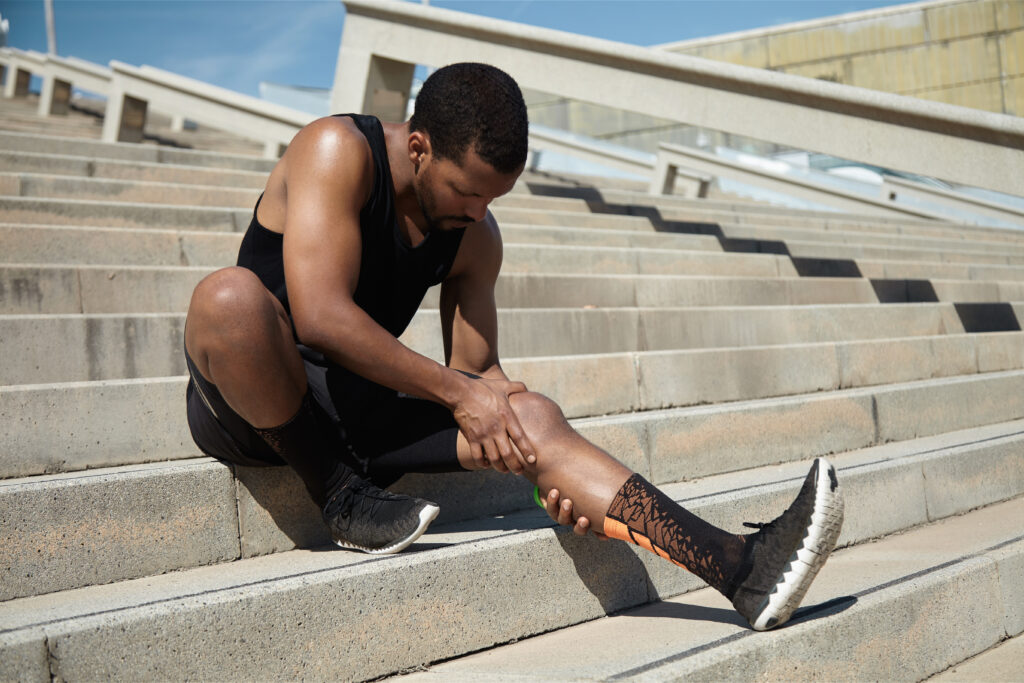
When you experience a sports injury, the first step is to accurately assess the situation. As a chiropractor, I encourage you to take a moment to breathe deeply and concentrate on the affected area. Is there immediate pain? Is it sharp, dull, or throbbing? It can be helpful to rate the intensity of the pain on a scale from one to ten, as this will give you a clearer picture of how severe the injury might be.
Next, look for visible signs of injury. Swelling, bruising, or any unusual deformities can indicate a more serious problem that may require attention. Gently touch the area and notice if certain movements increase the pain. Pay attention to whether the discomfort is localized to one spot or if it radiates to other areas. It's vital to listen to your body and avoid jumping to conclusions about the injury's nature.
Consider the mechanism of the injury as well. How did it happen? Was it due to a sudden twist, a fall, or a collision? Understanding how the injury occurred can provide valuable insights into its nature and potential recovery time. This information is crucial for determining the best natural healing approach.
If you're unsure about the severity of the injury, I highly recommend seeking professional advice. As a chiropractor, I can perform a detailed evaluation that may include assessing your spine, joints, and soft tissues to identify any misalignments or injuries. I may also suggest imaging tests if necessary to rule out fractures or tears.
Remember, the sooner you assess your injury, the quicker you can take appropriate action towards recovery. Avoid rushing into treatment until you have a clear understanding of what you're dealing with.
Natural healing takes time, but with the right guidance, you can get back to your favorite activities stronger than before.
Follow the RICE Method
As a local chiropractor, I want to emphasize the crucial role that the RICE method can play in your recovery after an injury. RICE stands for Rest, Ice, Compression, and Elevation, and it's a simple yet effective approach to managing acute injuries, such as sprains and strains. By adhering to these four steps, you can significantly enhance your healing process.
First and foremost, rest is vital. If you sustain an injury, it's important to cease any activities that exacerbate the pain. Allow your body the necessary time to heal, and refrain from placing weight on the affected area.
Next, applying ice is essential to help reduce swelling and numb the pain. I recommend using an ice pack wrapped in a towel for about 15-20 minutes every hour, especially during the first 48 hours following your injury.
After ice, we move to compression. Wrapping the injured area with an elastic bandage can provide support and help minimize swelling, but make sure it's snug enough to be effective without cutting off circulation.
Lastly, elevation is key. Keeping the injured body part raised above heart level whenever possible allows fluids to drain away from the injury site, further reducing swelling.
Incorporating the RICE method into your initial response to an injury can make a significant difference in your recovery journey.
Stay Hydrated and Nourished
As a local chiropractor, I want to emphasize the crucial role that hydration and nutrition play in your recovery process, especially when you're dealing with a sports injury. The way you nourish your body can significantly influence how quickly and effectively you heal.
Staying properly hydrated is essential, as it helps maintain optimal blood flow, which is vital for delivering the nutrients your injured tissues need. Alongside hydration, a balanced diet is key to providing the building blocks necessary for recovery.
Here are some important tips to consider:
- Drink Water Regularly: I recommend aiming for at least 8-10 glasses of water a day. This amount may need to be adjusted depending on your activity level and the climate you're in.
- Include Protein: Incorporate lean meats, beans, and nuts into your meals. These protein sources are fundamental for repairing muscles and promoting tissue growth.
- Focus on Antioxidants: Adding fruits like berries and vegetables such as spinach to your diet can be beneficial. They help combat inflammation and support the healing process.
- Incorporate Healthy Fats: Foods rich in omega-3 fatty acids, such as salmon and walnuts, are excellent choices. They can help reduce inflammation and facilitate recovery.
- Limit Processed Sugars: It's wise to cut back on processed sugars, as they can contribute to increased inflammation and hinder your recovery.
By following these guidelines, you'll not only support your recovery from injury but also enhance your overall well-being.
Incorporate Physical Therapy
Incorporating chiropractic care into your recovery plan can significantly enhance your healing process after a sports injury. As a local chiropractor, I understand the importance of a holistic approach to recovery. By assessing your injury, identifying underlying issues, and developing a tailored plan, we can work together to help you regain strength, flexibility, and mobility.
During your visits, we'll focus on specific techniques such as spinal adjustments, soft tissue mobilization, and therapeutic exercises that cater to your unique needs. These methods are designed to improve your body's function and support your recovery. It's essential to perform these movements correctly, as improper techniques can worsen your injury or potentially lead to new issues.
In addition to manual adjustments, I may incorporate other natural healing modalities, such as ultrasound therapy, electrical stimulation, or massage techniques. These approaches can help alleviate pain, reduce inflammation, and improve blood circulation, all of which are vital for speeding up your recovery time.
Consistency is key when it comes to chiropractic care. Regular appointments will ensure that you're making steady progress and allow me to adjust your treatment plan as necessary.
Communication is also crucial—don't hesitate to share any discomfort or concerns you may have; I'm here to assist you on your path to recovery.
Gradually Return to Activity
Returning to physical activity after a sports injury is a journey that should be approached with care and patience. As a chiropractor, I want to emphasize the importance of listening to your body during this recovery process. Jumping back into your regular routine too quickly can lead to re-injury or an extended recovery time.
It's crucial to take the necessary time to assess how you feel and adjust your activities as needed. Starting with gentle movements and gradually increasing intensity as your strength and confidence improve is key.
Here are some essential tips to ease your return to activity:
- Start Slow: Initiate your recovery with low-impact exercises like walking or swimming. These activities can help you gauge your comfort level without putting too much strain on your body.
- Set Realistic Goals: Focus on small, achievable milestones. This approach allows you to build strength and endurance gradually, which is vital for long-term recovery.
- Monitor Pain Levels: Be attentive to any discomfort you experience. If pain arises, it's important to scale back your activities and reassess your condition. Remember, pain is your body's way of signaling that something mightn't be right.
- Incorporate Rest Days: Your body needs time to recover. Make sure to include rest days in your routine to prevent overexertion and allow your muscles to heal.
- Seek Professional Guidance: Consulting with a chiropractor or a physical therapist can provide you with personalized advice tailored to your specific situation. We can work together to create a safe and effective plan for your recovery.
As you gradually increase your activity levels, keep track of your progress. This monitoring not only helps maintain your motivation but also allows you to notice any patterns in your recovery process.
Remember, taking your time to return to your sport is far more beneficial than rushing back and risking further injury. By respecting your body's signals and pacing yourself, you can ensure a successful and safe return to the activities you love.
If you have any questions or need guidance during your recovery, don't hesitate to reach out—I'm here to help!
Conclusion
As a local chiropractor, I want to share with you five effective steps to speed up your recovery from a sports injury. First and foremost, it's crucial to assess your injury and seek professional guidance—this is where my expertise comes in. Together, we can create a personalized recovery plan tailored to your specific needs.
Next, I recommend employing the RICE method: Rest, Ice, Compression, and Elevation. This approach helps manage swelling and facilitates healing. Additionally, maintaining proper nutrition and hydration is vital; your body needs the right fuel to recover efficiently.
Physical therapy is another key component of your recovery. It's essential for regaining strength and mobility, and as a chiropractor, I can assist you with tailored exercises and adjustments that align your body for optimal healing.
Lastly, remember that patience is a virtue in the recovery process. Gradually returning to your activities is important to prevent re-injury. With determination and a positive mindset, I assure you that you'll be back in the game sooner than you think! Together, we can navigate your journey to recovery through natural healing methods.