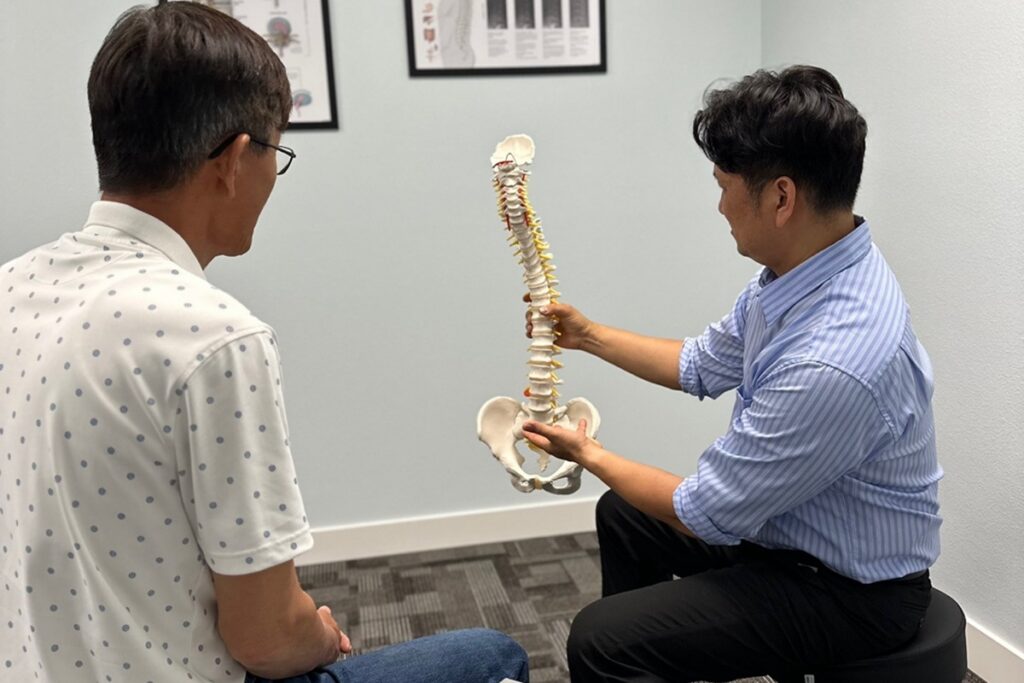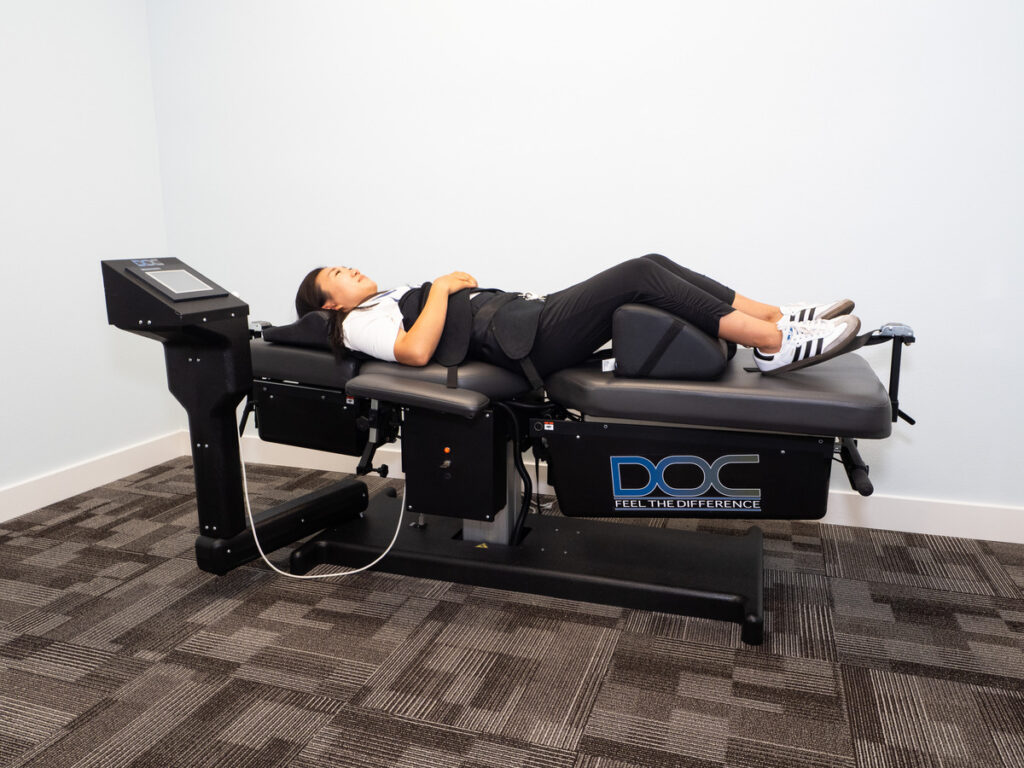

If you’re experiencing chronic neck discomfort, know that you’re not alone. This is a common issue that many individuals face, often stemming from poor ergonomics or posture. As a chiropractor, I want to share some effective techniques that can help alleviate your pain and enhance your overall quality of life.
Chiropractic care is one of the best approaches when it comes to addressing neck discomfort. By focusing on spinal health and alignment, chiropractic adjustments can relieve tension, reduce inflammation, and promote natural healing in the neck area. Regular visits to a chiropractor can help ensure that your spine is properly aligned, which is crucial for maintaining a healthy neck.
In addition to chiropractic adjustments, there are several other strategies you can incorporate into your daily routine to improve your neck health:
- Ergonomic Workspace: Ensure that your workspace is set up to support good posture. Your computer screen should be at eye level, and your chair should support your lower back.
- Gentle Stretching: Incorporate simple neck stretches into your day. Gently tilt your head from side to side and forward and backward to relieve tension.
- Take Breaks: If you find yourself sitting for long periods, take regular breaks to stand up, move around, and stretch your neck.
- Mind Your Posture: Be aware of your posture throughout the day. Keep your shoulders relaxed and avoid hunching over your devices.
- Hot and Cold Therapy: Applying heat or cold to your neck can help reduce discomfort. Try using a warm compress or an ice pack for relief.
- Stay Hydrated: Drinking plenty of water is essential for maintaining healthy spinal discs, which can help support your neck.
By integrating these practices into your routine and prioritizing chiropractic care, you can take significant steps toward alleviating your chronic neck discomfort. Remember, the goal is to promote natural healing and achieve optimal health through a holistic approach. If you’re struggling with neck pain, I encourage you to reach out for a chiropractic consultation to discuss personalized treatment options that can work for you.
Key Takeaways
- Adjust your workspace ergonomically to maintain proper posture, which is crucial for reducing neck strain throughout the day. A well-set-up environment can greatly enhance your comfort and support your spine’s natural alignment.
- Incorporate regular stretching and strengthening exercises into your routine. These not only improve neck flexibility but also build muscle support, helping to prevent discomfort. Simple neck stretches or gentle neck rotations can be beneficial – always listen to your body and move within your comfort zone.
- Embrace mindfulness techniques such as deep breathing and posture awareness. These practices can help alleviate tension in your neck and promote relaxation, contributing to your overall wellness. Taking a moment to check in with your posture throughout the day can make a significant difference.
- Utilize heat and cold therapy to manage pain and inflammation effectively. Heat can relax tight muscles, while cold packs can reduce swelling. Both methods can be easily incorporated into your self-care routine and can provide immediate relief.
- If you find that your neck pain persists for more than a week or if you experience severe symptoms, seeking professional help from a chiropractor is a wise choice. Chiropractic care focuses on natural healing, addressing the root causes of discomfort and promoting optimal spinal health. Your chiropractor can provide personalized advice and treatment to get you back on track to feeling your best. Remember, taking care of your spine is an essential part of maintaining your overall health and wellness.
Understanding Chronic Neck Discomfort
When you experience chronic neck discomfort, it can feel overwhelming and disruptive to your daily life. This persistent pain often arises from a variety of sources, such as muscle strain, poor posture, or even underlying conditions. You may notice symptoms like stiffness, tension, or sharp pain that radiates from your neck to your shoulders or down your arms.
Everyday activities—like working long hours at a computer or frequently looking down at your phone—can contribute to worsening these issues. Understanding the triggers of your discomfort is key to finding relief. By recognizing patterns in your daily habits, you can take proactive steps to alleviate the pain and promote better neck health.
It’s important to listen to your body’s signals; if you feel discomfort, it’s a good idea to take breaks, adjust your posture, or change your position. Ignoring these signals can lead to more serious complications, so addressing chronic neck discomfort early on is crucial.
Chiropractic care offers a natural and effective solution for managing and relieving neck pain. A chiropractor can help identify the underlying causes of your discomfort and develop a personalized treatment plan that focuses on spinal health and overall wellness.
Regular adjustments can improve your posture, alleviate muscle tension, and enhance your body’s ability to heal itself. Here are some general tips to help you take care of your neck:
- Practice Good Posture: Ensure that your workspace is ergonomically set up to promote a neutral spine position. When sitting, keep your back straight, shoulders relaxed, and feet flat on the floor.
- Take Frequent Breaks: If your work involves long hours at a desk, make sure to take short breaks every 30-60 minutes to stretch and move around. This helps reduce muscle tension and fatigue.
- Incorporate Stretching: Gentle neck stretches can help relieve tension and improve flexibility. Try tilting your head from side to side and rotating your neck slowly to maintain mobility.
- Stay Hydrated: Drinking enough water is essential for overall health, including the health of your spinal discs that support your neck.
- Consider Chiropractic Care: Regular visits to a chiropractor can help maintain spinal alignment, reduce pain, and improve your overall health. They can provide tailored advice on posture, exercises, and lifestyle changes to enhance your well-being.
Importance of Ergonomics
To alleviate neck discomfort, it’s essential to prioritize ergonomics in your workspace. By properly arranging your environment and maintaining awareness of your posture, you can significantly reduce strain on your neck and support your overall spinal health.
Here are some simple yet effective tips to create a more comfortable and supportive workspace, promoting natural healing and wellness:
- Adjust Your Monitor Height: Ensure your computer screen is at eye level. This helps keep your neck in a neutral position, minimizing strain. If you find yourself looking down or up frequently, consider using a monitor stand.
- Choose an Ergonomic Chair: Invest in a chair that supports the natural curve of your spine. An ergonomic chair can help maintain proper posture, reducing the risk of neck pain and discomfort.
- Sit Up Straight: Be mindful of your posture throughout the day. Sit all the way back in your chair with your feet flat on the floor. This alignment helps to distribute weight evenly and can prevent unnecessary tension in your neck.
- Take Regular Breaks: Remember to take short breaks every hour. Stand up, stretch, and move around to relieve tension in your muscles. Simple neck stretches can also help ease tightness.
- Use a Headset: If you talk on the phone frequently, consider using a headset. This allows you to keep your neck aligned without cradling the phone between your ear and shoulder.
- Hydrate and Nourish Your Body: Staying well-hydrated and maintaining a balanced diet supports muscle health and overall wellness. Proper nutrition can aid in the body’s natural healing processes.
- Consider Chiropractic Care: Regular chiropractic adjustments can help ensure your spine is aligned and functioning optimally. Chiropractors can provide tailored care to address neck discomfort, enhance mobility, and promote overall health.
By integrating these tips into your daily routine, you can create a healthier workspace that not only alleviates neck discomfort but also supports your overall well-being.
Workspace Setup Essentials
Creating a well-organized workspace is key to preventing neck discomfort and ensuring your overall well-being. Poor ergonomics can lead to strain and long-lasting pain, which is why it’s essential to prioritize your posture and workspace setup.
Start by adjusting your chair so your feet can rest flat on the floor, with your knees forming a 90-degree angle. This position supports your spine and encourages alignment, which is crucial for avoiding discomfort.
Next, position your monitor at eye level, about an arm’s length away. This helps prevent you from craning your neck, which can lead to tension and pain.
Using a chair with good lumbar support is important as well. It helps maintain the natural curve of your spine, promoting better posture throughout your workday.
If you find yourself spending long hours typing, consider investing in a keyboard that encourages a neutral wrist position. Keeping your mouse close by will also reduce the need to reach, which can contribute to strain in your neck and shoulders.
Lastly, don’t forget about lighting! Ensuring your workspace is well-lit can help reduce eye strain and fatigue.
By making these simple adjustments, you can significantly enhance your comfort and support a healthier posture.
Remember, chiropractic care is an excellent option for alleviating pain and promoting natural wellness. Regular visits can help ensure your spine remains aligned, contributing to your overall health and well-being.
Prioritize your workspace setup and consider incorporating chiropractic care into your routine for optimal health!
Posture Awareness Techniques
Your workspace setup is essential for promoting effective posture awareness, which is crucial for your overall health and well-being. By making a few simple adjustments, you can support your spine and reduce neck discomfort, which is where chiropractic care can play a vital role in your journey towards optimal health.
Here are some key strategies to consider:
- Monitor Height: Ensure your screen is at eye level to prevent unnecessary strain on your neck. This simple adjustment can help keep your spine in a more natural alignment.
- Chair Support: Choose a chair that offers proper support for your lower back. A well-supported spine can significantly reduce discomfort and improve your posture. If you’re unsure about your chair’s support, consider consulting a chiropractor for personalized recommendations.
- Keyboard Placement: Position your keyboard close enough so you don’t have to reach out to type. Keeping your shoulders relaxed and not tensed can help prevent strain, and a chiropractor can provide insights into the best ergonomic practices.
- Frequent Breaks: Make it a habit to take short breaks every hour. Stretching and resetting your posture can refresh your body and reduce tension. Regular movement is beneficial, and a chiropractor can guide you through specific stretches to support spinal health.
- Foot Position: Keep your feet flat on the floor or use a footrest to maintain stability. This can help with weight distribution and support your lower back.
Implementing these simple techniques can greatly enhance your posture awareness and help alleviate chronic neck pain.
Stretching Exercises for Neck Relief
How can simple stretching exercises provide relief from neck discomfort? Incorporating regular stretching into your daily routine can significantly help alleviate tension and enhance flexibility. When you focus on your neck muscles, you can release built-up stress, improve blood circulation, and reduce stiffness, creating a more comfortable and relaxed neck.
While chiropractic care is the most effective way to address neck pain by aligning the spine and supporting your overall well-being, adding stretching exercises can complement your treatment plan beautifully. Here are three effective neck stretches you can try:
| Stretch Name | How to Do It | Duration |
|---|---|---|
| Neck Tilt | Gently tilt your head to one side, allowing the muscles to relax | 15-30 seconds |
| Chin Tuck | Pull your chin in towards your neck, creating a double chin effect | 15-30 seconds |
| Side Rotation | Slowly turn your head to one side, holding the stretch | 15-30 seconds |
Perform these stretches a few times throughout the day, especially if you spend long hours at a desk. Just a few minutes of stretching can make a significant difference in how your neck feels. Remember, while these exercises can provide relief, regular visits to your chiropractor are essential for long-term health and to address the root cause of your discomfort. Embrace a holistic approach to wellness and keep your spine healthy!
Strengthening Exercises for Neck Support
While stretching is important for relieving neck discomfort, strengthening exercises are equally essential for building support and stability in the neck muscles. By integrating these exercises into your routine, you can enhance your neck’s resilience, reduce the likelihood of future pain, and complement the benefits of chiropractic care.
Here are some effective strengthening exercises to consider:
- Neck Isometrics: Gently press your forehead into your hands and hold for 5-10 seconds. This helps engage and strengthen the muscles at the front of your neck.
- Shoulder Shrugs: Raise your shoulders toward your ears, hold for a moment, and then relax. This simple movement can alleviate tension in the neck and upper back.
- Chin Tucks: Tuck your chin toward your chest gently. This exercise strengthens the muscles in the front of your neck and promotes better posture, which is vital for spinal health.
- Resistance Band Extensions: Using a resistance band, perform gentle neck extensions by bending your head backward against the band’s resistance. This can add strength to the muscles that support your neck.
- Side Neck Raises: Lie on your side and lift your head towards your shoulder. This targets the side muscles of your neck, enhancing overall stability.
As you practice these exercises, remember to prioritize proper form and start slowly to avoid any strain. Regularly incorporating these movements into your routine can lead to meaningful improvements in neck strength and comfort, complementing the benefits of chiropractic adjustments.
Additionally, consider scheduling regular chiropractic visits to ensure your spine remains in optimal alignment, which can further support your neck health.
With the right combination of exercises and chiropractic care, you can pave the way for a healthier, pain-free life.
Heat and Cold Therapy
When it comes to easing neck discomfort, heat and cold therapy can be incredibly effective allies on your journey to wellness. As a chiropractor, I’ve seen firsthand how these techniques can complement spinal care and enhance your overall health.
Heat therapy is fantastic for relaxing tense muscles, which is essential for maintaining proper spinal alignment. On the other hand, cold therapy can help reduce inflammation and numb pain, providing quick relief.
Let’s break down how each method can benefit you and some simple techniques you can incorporate into your daily routine:
Heat Therapy: Applying heat to your neck can promote blood flow, which helps to relax stiff muscles and soothe any tension you might be feeling. You can use a warm towel, a heating pad, or even take a warm shower to enjoy these benefits.
Make sure to apply heat for about 15-20 minutes at a time, allowing your body to absorb the warmth.
Cold Therapy: If you’re experiencing swelling or acute pain, cold therapy can be a great choice. Using an ice pack or a bag of frozen vegetables wrapped in a cloth can help reduce inflammation and numb the discomfort.
Apply cold therapy for 10-15 minutes, and be sure to take breaks in between to avoid ice burn.
Remember, while heat and cold therapy can provide relief, they work best when used in conjunction with regular chiropractic care. A chiropractor can help identify the root causes of your discomfort and provide tailored adjustments to keep your spine healthy and aligned.
For long-term wellness, consider incorporating gentle stretches and exercises into your routine. Simple neck stretches can help maintain flexibility, and strengthening exercises can support your spine and prevent future discomfort.
Prioritizing your overall health and wellness is key, and chiropractic care can play a pivotal role in achieving optimal well-being.
Benefits of Heat Therapy
Neck discomfort can be a real challenge, but as a chiropractor, I want to share how heat therapy can be a natural and effective way to find relief and promote relaxation.
Applying heat to your neck can enhance blood flow and improve flexibility in your muscles, which are crucial for easing discomfort. Here are some of the key benefits you can enjoy from heat therapy:
- Relieves muscle tension and stiffness: Heat helps relax tight muscles, making it easier to move your neck without pain.
- Reduces pain and discomfort: By soothing inflamed areas, heat can alleviate pain and make daily activities more enjoyable.
- Promotes faster recovery from injuries: Whether it’s a strain or tension from poor posture, heat therapy can support your body’s natural healing process.
- Encourages relaxation and reduces stress: The warmth from heat therapy can create a calming effect, helping you unwind after a long day.
- Improves range of motion: Increased flexibility from heat can help you regain movement in your neck, allowing you to turn your head with ease.
You can easily integrate heat therapy into your routine using simple methods like heating pads, warm towels, or even a hot shower.
Just be cautious and use heat in moderation to prevent burns or overheating.
While heat therapy provides great benefits, it’s important to note that chiropractic care is the best choice for addressing the root causes of neck discomfort.
A chiropractor can help identify misalignments in your spine and provide adjustments to restore balance and mobility, promoting long-term wellness.
Incorporating heat therapy alongside regular chiropractic visits can greatly enhance your overall well-being and help you enjoy a healthier, pain-free life.
Cold Therapy Techniques
Cold therapy is a fantastic way to manage neck discomfort and can work hand-in-hand with chiropractic care to enhance your healing process. By applying cold, you can effectively reduce inflammation and numb sharp pain, making you feel more comfortable as you work towards optimal health.
Here are some simple cold therapy methods you might consider incorporating into your routine:
| Technique | Description |
|---|---|
| Ice Packs | Apply a cold pack to the affected area for 15-20 minutes to help reduce swelling. This is a quick way to ease discomfort and promote healing. |
| Cold Compress | Use a gel pack or even some frozen vegetables wrapped in a cloth for targeted relief. This method is great for applying cold directly to the painful area. |
| Ice Massage | Gently rub an ice cube over the painful area for 5-10 minutes. This can provide a soothing effect while also helping to reduce inflammation. |
Always remember to place a barrier, like a cloth, between the ice and your skin to prevent frostbite.
Incorporating these cold therapy techniques into your routine can complement the adjustments and treatments you receive from your chiropractor, helping you find relief and maintain overall wellness. Experiment with these methods and see which ones work best for you, and don’t forget to consult your chiropractor for personalized advice on managing your neck discomfort naturally!
Mindfulness and Relaxation Techniques
How can mindfulness and relaxation techniques help ease neck discomfort? As a local chiropractor, I want to emphasize that these practices can be an excellent complement to chiropractic care. They allow you to tune into your body and reduce the stress and tension that often contribute to pain in your neck.
By focusing on the present moment, you can cultivate a sense of calm and awareness, which can directly alleviate discomfort. Here are some effective techniques you can try alongside your chiropractic treatment:
- Deep Breathing: Take a moment to inhale slowly through your nose, hold for a few seconds, and then exhale through your mouth. This practice can help relax your muscles and ease tension in your neck.
- Progressive Muscle Relaxation: Start from your toes and work your way up to your neck by tensing and then relaxing each muscle group. This method helps to release built-up tension and promotes relaxation throughout your body.
- Meditation: Set aside time each day to sit quietly. Focus on your breath or repeat a calming mantra. This can help clear your mind and reduce stress, which is beneficial for neck health.
- Gentle Stretching: Incorporate neck stretches into your daily routine. Pay close attention to how your body feels during these stretches, and listen to its signals. This can improve flexibility and reduce discomfort.
- Mindful Posture: Throughout your day, be aware of your posture. Make adjustments as needed to avoid strain, especially if you spend long hours sitting or working at a desk. Good posture can significantly reduce neck pain.
By integrating these mindfulness and relaxation techniques into your daily life, you can support your chiropractic care and promote better neck health naturally.
The Role of Sleep in Neck Health
Sleep plays a vital role in maintaining neck health and overall well-being. When you sleep, your body engages in repair and rejuvenation, particularly for your muscles and tissues. If you’re not getting enough quality sleep, you may notice your neck muscles becoming tense and fatigued, leading to discomfort and strain.
Your sleep position has a significant impact on how your neck feels upon waking. Using a supportive pillow that helps keep your neck aligned with your spine can help prevent morning stiffness and pain. It’s also important to ensure your mattress is providing adequate support, as this promotes proper spinal alignment during sleep.
To enhance your sleep quality, consider creating a restful environment. Limit screen time before bed, as the blue light can disrupt your sleep cycle. Maintaining a consistent sleep schedule is also key; try to go to bed and wake up at the same time each day.
Incorporate relaxation techniques, such as deep breathing or gentle stretches, to help you wind down at night. By focusing on getting restorative sleep, you can support your neck health and reduce discomfort over time.
Additionally, consider incorporating regular chiropractic care into your wellness routine. Chiropractors can help ensure your spine is aligned, which can enhance your sleep quality and overall health.
Proper Posture Practices
Maintaining proper posture throughout your day is crucial for reducing neck discomfort and promoting overall wellness. When your spine is aligned, it not only alleviates strain on your neck muscles but also enhances your body’s natural healing capabilities.
Here are some simple practices you can adopt to improve your posture and support your spinal health:
- Sit with your back straight: Keep your shoulders relaxed and back, avoiding any slouching. This helps to maintain the natural curve of your spine, which is essential for optimal health.
- Screen height: Position your computer screen at eye level. This prevents you from craning your neck forward, which can lead to discomfort and strain over time.
- Use supportive chairs: Choose chairs that provide proper support for your spine’s natural curve. This encourages better posture and can reduce the risk of developing neck and back pain.
- Take breaks: Make it a habit to stand up and stretch every hour. This simple practice helps relieve tension that builds up in your neck and back, promoting better circulation and overall comfort.
- Hold your phone properly: Instead of cradling your phone between your shoulder and ear, consider using a headset or speakerphone. This minimizes neck strain and encourages you to maintain a more neutral posture.
Remember, regular visits to a chiropractor can be an excellent way to support your journey toward optimal health. Chiropractic care focuses on aligning your spine and enhancing your body’s natural healing abilities, making it a powerful choice for pain relief and overall wellness.
When to Seek Professional Help
When should you consider seeking professional help for neck discomfort? If your pain persists for more than a week despite trying home remedies like gentle stretches, heat packs, or ice therapy, it’s a good idea to consult a local chiropractor. Chiropractic care focuses on the spine and nervous system, offering natural solutions to help alleviate pain and improve overall wellness.
You should reach out to a chiropractor immediately if you experience severe pain, numbness, or tingling in your arms or hands. These symptoms could suggest nerve irritation or other serious issues that need attention.
Additionally, if your neck discomfort is accompanied by headaches, dizziness, or changes in your vision, it’s wise to seek professional advice. Ignoring ongoing neck pain can lead to more significant issues down the line, so trust your instincts.
A chiropractor can assess your condition, provide targeted adjustments, and recommend personalized exercises that promote healing and prevent future discomfort. Remember, prioritizing your health is essential for achieving long-term relief and maintaining a vibrant lifestyle.
To support your neck health, consider incorporating simple practices into your daily routine, such as maintaining good posture while sitting or using ergonomic furniture. Regular physical activity, staying hydrated, and managing stress through relaxation techniques can also contribute to a healthier spine.
Chiropractic care is a proactive approach to achieving optimal health, helping you live pain-free and enjoy a better quality of life. Don’t hesitate to reach out for support when your neck discomfort interferes with your daily activities—taking the first step toward wellness is just a visit away!
Conclusion
Managing chronic neck discomfort can greatly improve your quality of life, and chiropractic care is one of the best ways to achieve this naturally. By focusing on spinal health, we can help you alleviate pain and enhance your overall well-being.
Start by making small adjustments in your everyday routine. Prioritizing ergonomics is crucial—ensure that your workspace promotes a healthy posture. Keep your computer screen at eye level and your chair supportive to maintain proper alignment. Practicing good posture throughout your day can also make a significant difference.
Incorporating stretching and strengthening exercises into your daily regimen can help alleviate tension and build resilience in your neck muscles. Simple stretches, like gentle neck rolls or side bends, can release tightness and improve flexibility.
Don’t underestimate the power of heat and cold therapy. Applying a warm compress can relax tight muscles, while ice packs can help reduce inflammation. Alternating between the two can provide soothing relief.
Mindfulness techniques, such as deep breathing or meditation, can also promote relaxation and help you manage stress, which can contribute to neck pain.
Remember, if your discomfort persists, seeking the expertise of a chiropractor is essential. We specialize in spinal care and can provide personalized adjustments to correct misalignments, helping your body heal naturally.
By taking these steps and prioritizing chiropractic care, you can achieve a healthier, more comfortable neck and significantly enhance your overall health and wellness.