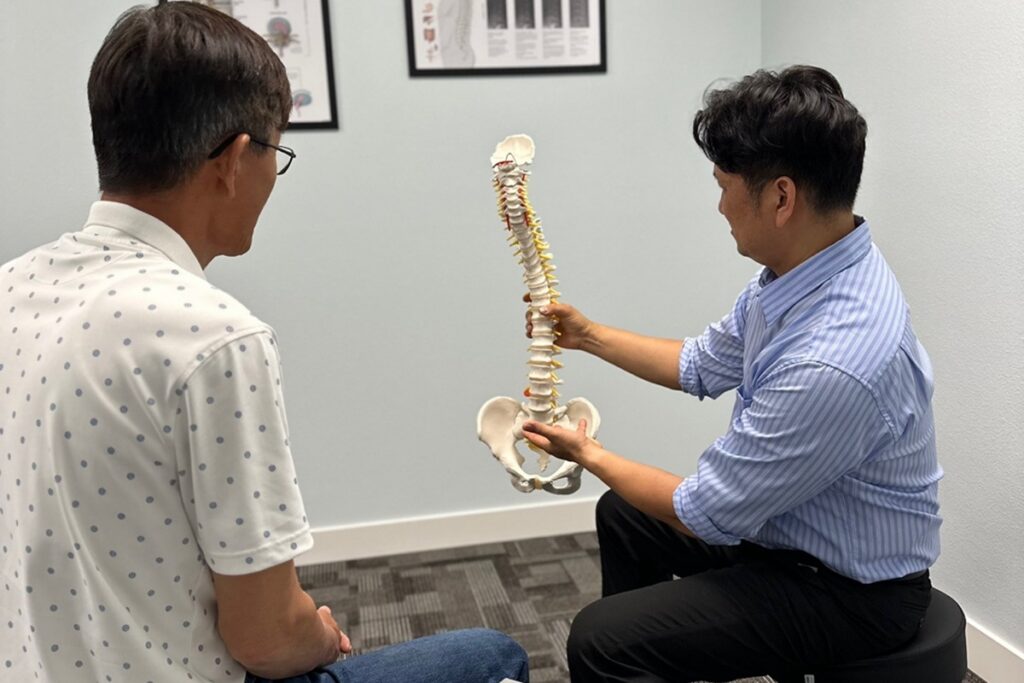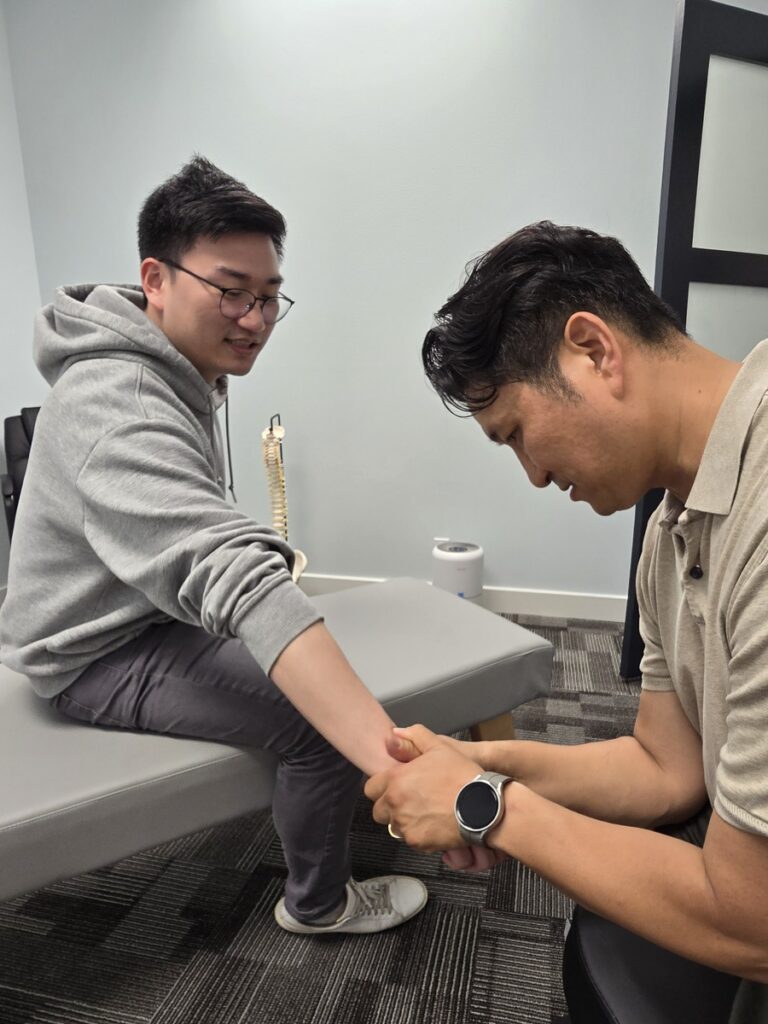

When it comes to managing pain, it’s easy to feel overwhelmed by the many options out there. As a chiropractor, I want to share some trusted techniques that focus on natural healing and optimal health—without the need for surgeries or medications. Chiropractic care stands out as a powerful method to alleviate pain and promote overall wellness.
Understanding the fundamentals of pain can help you navigate your journey toward comfort. Many people don’t realize how closely related spinal health is to overall well-being. Misalignments in the spine can lead to a range of discomforts, but chiropractic adjustments help restore balance and function.
One effective strategy for pain relief is regular chiropractic care. By targeting the root causes of pain—often located in the spine and surrounding muscles—chiropractors can help alleviate discomfort and improve mobility. This natural approach not only addresses immediate pain but also promotes long-term health by enhancing your body’s ability to heal itself.
Incorporating mindfulness into your routine can also be beneficial. Taking a few minutes each day to focus on your breath and release tension can enhance the effects of chiropractic adjustments. Additionally, engaging in gentle physical therapy exercises can strengthen the muscles that support your spine, further reducing pain and enhancing your quality of life.
Here are some general tips to keep in mind:
- Stay Active: Regular movement helps keep your spine healthy. Simple activities like walking or stretching can work wonders.
- Practice Good Posture: Being mindful of your posture—especially while sitting—can prevent strain on your spine.
- Listen to Your Body: Pay attention to what your body tells you. If something doesn’t feel right, don’t hesitate to consult your chiropractor.
- Stay Hydrated: Drinking plenty of water aids in maintaining flexibility and reducing muscle tension.
- Prioritize Sleep: Quality sleep is essential for recovery. Make sure your sleeping position supports your spine.
By exploring these effective strategies and prioritizing chiropractic care, you can pave the way toward a more comfortable and healthier life. Remember, you don’t have to navigate pain alone—reach out to your local chiropractor for personalized support tailored to your individual needs.
Key Takeaways
- As a licensed chiropractor, I believe in the power of spinal adjustments to help realign your body, alleviate pain, and enhance your overall function. This approach is a cornerstone of effective pain management and can lead to improved health and well-being.
- In addition to chiropractic adjustments, complementary therapies such as massage and proper nutrition can significantly support your healing process. These methods work hand-in-hand with chiropractic care to reduce inflammation and promote a faster recovery.
- Incorporating mindfulness techniques like deep breathing and guided imagery into your daily routine can be incredibly beneficial. These practices help manage stress and alter your perception of pain, allowing for a more holistic approach to pain relief.
- I recommend personalized exercise plans designed by qualified professionals to improve your mobility. These tailored programs empower you to take control of your pain management journey and enhance your physical health.
- It’s important to maintain open communication with your healthcare provider, especially your chiropractor. This ensures that the treatments you receive are customized to fit your unique pain levels and health needs, allowing for the most effective pain relief.
By focusing on these chiropractic principles and complementary practices, you can move towards a healthier, more pain-free life, embracing the natural healing power of your body.
Understanding Pain: The Basics
Pain is a complex experience that everyone encounters at some point, and it can range from mild discomfort to debilitating agony, impacting both your physical and emotional well-being. Understanding pain begins with recognizing its types. Acute pain typically arises from injury or surgery; it’s your body’s way of signaling that something is wrong. Chronic pain, however, lasts longer than three months and often becomes a condition in itself, requiring a thoughtful approach to manage effectively.
At the heart of how you perceive pain is your body’s nervous system. When you sustain an injury, your nerves send signals to your brain, alerting you to the issue. This is where chiropractic care can make a significant difference. By aligning your spine and ensuring that your nervous system is functioning optimally, chiropractors can help reduce pain signals and improve your overall sense of well-being.
It’s also important to note that factors like stress and anxiety can intensify your pain experience. Incorporating relaxation techniques, such as deep breathing or gentle stretching, can help ease tension and promote a sense of calm. Additionally, maintaining good posture and being mindful of your body’s movements can prevent unnecessary strain and further pain.
Understanding these aspects of pain not only helps you grasp what you’re experiencing but also empowers you to take active steps toward relief. Chiropractic care offers natural healing methods that focus on the root of the problem instead of just masking symptoms. By prioritizing your spine and nervous system health, you can improve your quality of life and manage pain effectively.
Mindfulness and Meditation Techniques
Managing pain effectively often requires a holistic approach that addresses both the physical and mental aspects of your experience. Chiropractic care plays a crucial role in this process, helping to align the spine and optimize your body’s natural healing abilities.
Incorporating mindfulness and meditation techniques can further enhance your pain relief journey. Here are some practical strategies you can easily integrate into your daily routine:
- Deep Breathing: Take a moment to focus on your breath. Inhale deeply through your nose, allowing your abdomen to expand, and then exhale slowly through your mouth. This simple practice not only calms your mind but also helps relax your body, making it easier to manage discomfort.
- Body Scan: Find a comfortable position, whether lying down or sitting. Close your eyes and mentally scan your body from head to toe. Notice any areas that feel tense or sore. Consciously relax those areas, imagining the tension melting away. This technique can complement your chiropractic adjustments by promoting relaxation and awareness of your body.
- Guided Imagery: Visualize a serene and peaceful scene, such as a quiet beach or a lush forest. Immerse yourself in the details—imagine the sounds, smells, and sights. This mental escape can help distract you from pain and promote a sense of calm.
- Mindful Walking: Take a few moments to practice mindful walking. As you walk, pay attention to each step you take. Feel the ground beneath your feet and notice the rhythm of your movement. This practice can help ground you in the present moment and provide a gentle way to connect with your body.
By incorporating these mindfulness techniques alongside your chiropractic care, you can support your body’s natural healing process and enhance your overall pain management strategy.
Physical Therapy Approaches
While mindfulness and meditation can certainly enhance your pain management routine, chiropractic care offers a holistic approach that can significantly aid in your recovery journey. Chiropractic therapy focuses on optimizing spinal health, improving mobility, and enhancing overall body function, which can have a direct influence on your pain levels. A licensed chiropractor will assess your individual needs and create a personalized treatment plan that may include spinal adjustments, therapeutic exercises, and lifestyle advice.
Regular chiropractic sessions can help you regain function and alleviate pain through precise adjustments that promote proper alignment of the spine. You’ll also learn valuable techniques to manage your pain independently, empowering you to take charge of your healing process.
Furthermore, chiropractic care teaches you proper body mechanics and posture, helping to prevent future injuries and ensuring long-lasting relief from discomfort.
Incorporating simple tips into your daily routine can complement your chiropractic care. For instance, maintaining good posture while sitting or standing, staying hydrated, and engaging in gentle stretching can all contribute to your overall wellness.
Medication Management Strategies
Chiropractic care is an excellent starting point for your journey toward pain relief and overall wellness. While it’s important to acknowledge that some individuals may consider other options, we believe that natural healing through chiropractic can be the most effective and holistic approach.
Here are some strategies to enhance your pain management plan while prioritizing chiropractic care:
- Communicate Openly: Talk to your chiropractor about your pain levels and how you’re feeling throughout your treatment. This open dialogue is essential for tailoring your care to your specific needs.
- Stay Consistent: Attend your chiropractic appointments regularly and follow your chiropractor’s recommendations. Consistency in care is key to experiencing the best results.
- Listen to Your Body: Pay attention to how your body responds to chiropractic adjustments. Your feedback is crucial in helping your chiropractor make any necessary adjustments to your treatment plan.
- Embrace a Holistic Lifestyle: Incorporate healthy habits into your daily routine, such as proper nutrition, hydration, and regular exercise. These practices not only support your chiropractic care but also enhance your overall wellness.
- Explore Natural Therapies: Consider complementary therapies such as massage, acupuncture, or yoga, which can work alongside chiropractic adjustments to promote healing and relaxation.
By focusing on these strategies and prioritizing chiropractic care, you can pave the way for a healthier, pain-free life.
Alternative Therapies for Pain Relief
Imagine finding relief from pain without relying on traditional medications. As a local chiropractor, I want to share how chiropractic care can be your best choice for achieving optimal health and natural wellness.
Chiropractic adjustments are designed to realign your spine, which can significantly reduce discomfort and enhance overall body function. By restoring proper alignment, we can help stimulate your body’s natural healing processes, leading to a more effective pain management experience.
In addition to adjustments, consider incorporating massage therapy into your wellness routine. While we focus on spinal health, massage can complement our work by relaxing tight muscles and improving circulation, which is crucial for recovery.
Don’t overlook the power of nutrition in your pain relief journey. Incorporating anti-inflammatory foods like turmeric and ginger can support your body’s healing processes. Staying hydrated and maintaining a balanced diet can also contribute significantly to how your body feels.
Mindfulness practices, such as meditation and yoga, can be beneficial too. They promote relaxation and reduce stress, which is essential for managing pain. These techniques help strengthen the mind-body connection, making it easier to cope with discomfort.
Before trying any new methods, it’s always a good idea to consult with a licensed chiropractor like myself to ensure these practices align with your specific health needs.
Embracing chiropractic care and these complementary therapies can lead you toward a holistic approach to pain relief, empowering you to take control of your health and wellness.
Lifestyle Modifications for Long-term Wellness
To achieve long-term wellness, it’s essential to make mindful lifestyle modifications that enhance your overall health and support your spine. By incorporating small but impactful changes, you can improve your quality of life and reduce discomfort.
Here are some key areas to focus on, with an emphasis on how chiropractic care can help:
– Nutrition: Fuel your body with whole foods that are rich in nutrients, such as colorful fruits, vegetables, and lean proteins. A balanced diet not only supports your overall health but also contributes to a healthy spine.
Consider consulting with a chiropractor for personalized nutrition advice that aligns with your wellness goals.
– Physical Activity: Regular exercise is vital for maintaining mobility and reducing stress. Activities like walking, swimming, or yoga can help keep your spine flexible and strong.
Chiropractic care can enhance your physical activity by improving your posture and alignment, allowing you to move more freely and comfortably.
- Sleep Hygiene: Establishing a consistent sleep schedule and creating a restful environment can significantly improve your sleep quality. Good spinal alignment is crucial for restful sleep, so consider visiting your chiropractor for adjustments that promote better sleep posture and overall spinal health.
- Stress Management: Incorporate mindfulness practices such as meditation or deep breathing into your routine to effectively manage stress.
Stress can lead to tension in your muscles and spine, so chiropractic adjustments can help relieve that tension and promote relaxation.
By focusing on these areas and considering chiropractic care as a natural, non-invasive option for pain relief and wellness, you can take significant steps toward a healthier, more balanced life.
Conclusion
Incorporating trusted techniques from licensed experts can significantly enhance your journey toward pain relief and overall wellness. As a chiropractor, I believe that chiropractic care is one of the most effective ways to manage pain naturally. By focusing on spinal health and proper alignment, chiropractic treatments can help alleviate discomfort and promote the body’s natural healing processes.
Embracing mindfulness and understanding your body can empower you to take control of your wellness. Simple practices such as deep breathing or gentle stretching can complement your chiropractic care and help reduce stress. Additionally, engaging in regular physical activity—tailored to your abilities—can strengthen your muscles and support your spine.
It’s important to maintain open communication with your chiropractor. By sharing your experiences and concerns, you can work together to create a personalized plan that suits your unique needs. Remember, the goal of chiropractic care is not just to relieve pain but to enhance your overall quality of life through natural methods.
Here are some general tips to help you on your journey to pain-free living:
- Stay Active: Incorporate light exercises, such as walking or yoga, to keep your body moving and support your spinal health.
- Maintain Good Posture: Be mindful of your posture, especially when sitting or using electronic devices. Proper alignment can help prevent tension and discomfort.
- Stay Hydrated: Drinking plenty of water is essential for maintaining healthy spinal discs and overall bodily function.
- Practice Relaxation Techniques: Activities like meditation or gentle stretching can help reduce stress and promote a sense of well-being.
With the right strategies and lifestyle modifications, you can achieve lasting relief and improve your health naturally. Start your journey to a healthier, pain-free life today through chiropractic care!