
If you’ve experienced whiplash, you understand how disruptive it can be to your daily life. The good news is that there are effective techniques to help alleviate those persistent symptoms, and chiropractic care should be your first choice for recovery. Through gentle chiropractic adjustments, we can help restore your neck’s natural function and promote healing.
But chiropractic care is just one part of the puzzle. Incorporating targeted physical therapy can also enhance your recovery by improving strength and flexibility in your neck. Additionally, alternative treatments such as massage therapy can provide relief from muscle tension, complementing the benefits of chiropractic adjustments.
Lifestyle changes also play a crucial role in your healing journey. Here are some helpful tips you can implement right away:
- Stay Active: Gentle movements and stretches can help maintain neck mobility. Simple exercises like neck tilts can be beneficial.
- Apply Heat or Cold: Using a warm compress or ice pack can alleviate discomfort and reduce inflammation.
- Maintain Good Posture: Be mindful of your posture while sitting, standing, or using your phone. Support your neck properly to minimize strain.
- Stay Hydrated: Drinking plenty of water can help keep your muscles and joints lubricated, promoting overall health.
- Rest and Recovery: Allow your body time to heal. Listen to your body and avoid activities that worsen your pain.
By prioritizing chiropractic care and following these practical tips, you can effectively manage your whiplash symptoms and work towards optimal health. Remember, your journey to recovery is unique, and together, we can find the best approach for your needs.
Key Takeaways
Whiplash can be a painful and frustrating condition, but there are effective ways to alleviate symptoms and promote healing, with chiropractic care being one of the best solutions. Here’s how chiropractic adjustments can help:
- Chiropractic Adjustments: One of the primary benefits of chiropractic care is that it helps restore spinal alignment. By realigning the spine, we can alleviate pain and improve mobility for those suffering from whiplash. This gentle yet effective approach addresses the root cause of discomfort rather than just masking the symptoms.
- Physical Therapy Techniques: Alongside chiropractic adjustments, physical therapy plays a vital role in recovery. Gentle stretching and strengthening exercises can significantly enhance neck flexibility and muscle strength. These techniques complement chiropractic care, helping to support the spine and reduce the risk of future injuries.
- Alternative Treatments: Integrating alternative treatments such as acupuncture and massage therapy can also provide relief from whiplash symptoms. When combined with chiropractic care, they can enhance relaxation and decrease muscle tension, leading to improved overall wellness.
- Heat and Cold Therapy: Using heat or cold therapy can be beneficial for reducing inflammation and promoting healing in the affected areas. Applying a warm compress or an ice pack can help alleviate discomfort and encourage blood flow, aiding in recovery.
- Posture and Stress Management: Maintaining good posture is crucial in supporting your spine and overall health. Additionally, practicing stress management techniques—such as yoga or deep breathing exercises—can contribute to your recovery. These practices not only promote relaxation but also help to strengthen the muscles that support your neck and back.
In summary, chiropractic care is an excellent choice for managing whiplash symptoms and supporting your journey to wellness. By focusing on natural healing methods and incorporating supportive practices into your daily routine, you can achieve optimal health and well-being. Remember, your body has the power to heal itself, and with the right tools and support, you can feel better and live a healthier life.
Understanding Whiplash and Its Symptoms
Whiplash is a common neck injury that often occurs due to sudden movements, like those experienced in car accidents. If you’ve been in an accident or have experienced a sudden jolt, it’s important to pay attention to how your neck feels. You might notice symptoms such as neck pain, stiffness, and a limited range of motion developing within days. Other signs to watch for include headaches, dizziness, fatigue, and irritability.
As you navigate your recovery, keep in mind that symptoms can vary widely. Some individuals may feel mild discomfort, while others may experience severe pain that interferes with daily activities. This is where chiropractic care can make a significant difference. Chiropractors specialize in spinal health and can help restore proper alignment, reduce pain, and improve mobility through natural, non-invasive treatment options.
If you start noticing these symptoms, consider seeking chiropractic care as your first step. Early intervention can greatly enhance your recovery process. A chiropractor can work with you to develop a personalized plan that focuses on your unique needs, helping you heal naturally without the need for medications or surgeries.
In addition to seeking chiropractic care, there are some general tips you can follow to promote healing and wellness:
- Stay Hydrated: Drinking plenty of water helps keep your body hydrated and supports the healing process.
- Gentle Stretching: Incorporate gentle neck stretches to help maintain flexibility, but be sure to avoid any movements that cause pain.
- Ice or Heat Therapy: Applying ice can help reduce inflammation, while heat can relax tense muscles. Alternate between the two for relief.
- Good Posture: Be mindful of your posture, especially if you spend long hours sitting. Proper alignment can prevent further strain on your neck.
- Rest: Allow your body time to heal. Avoid strenuous activities that may exacerbate your symptoms.
Physical Therapy Techniques
Recovering from whiplash can be a challenging journey, but chiropractic care offers an effective path to healing and wellness. As a local chiropractor, I want to emphasize the benefits of tailored treatments that focus on your unique needs.
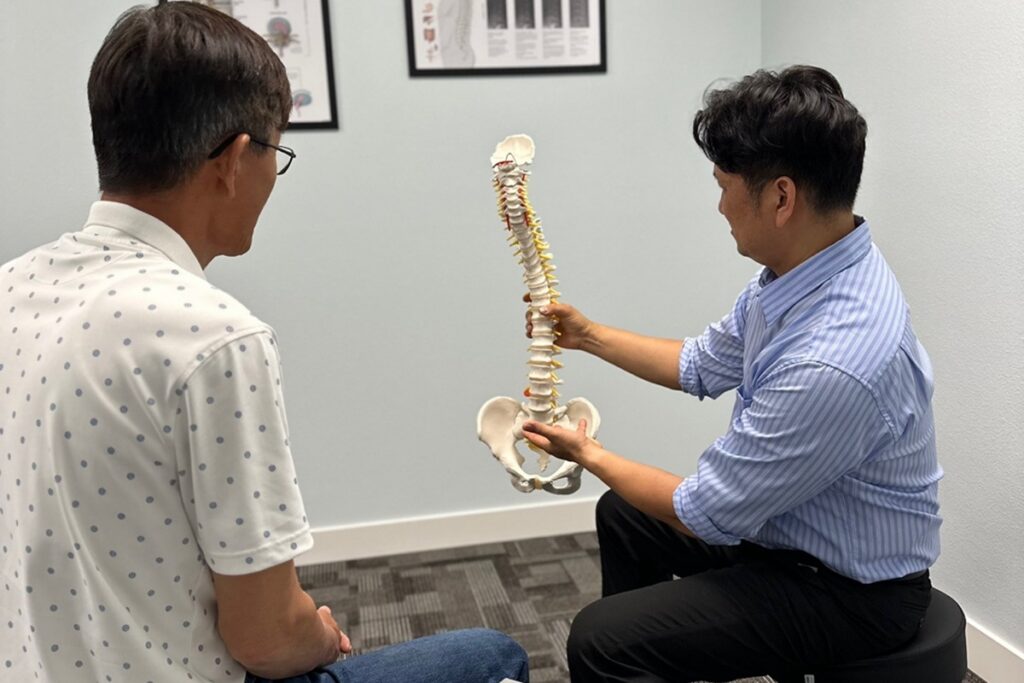
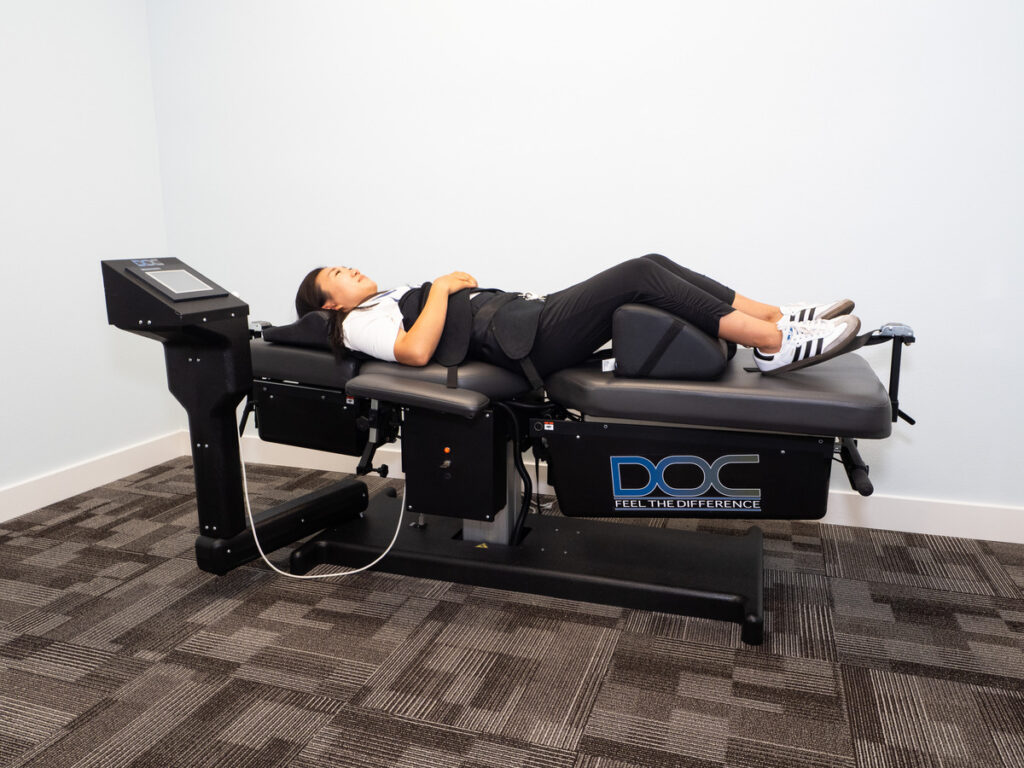
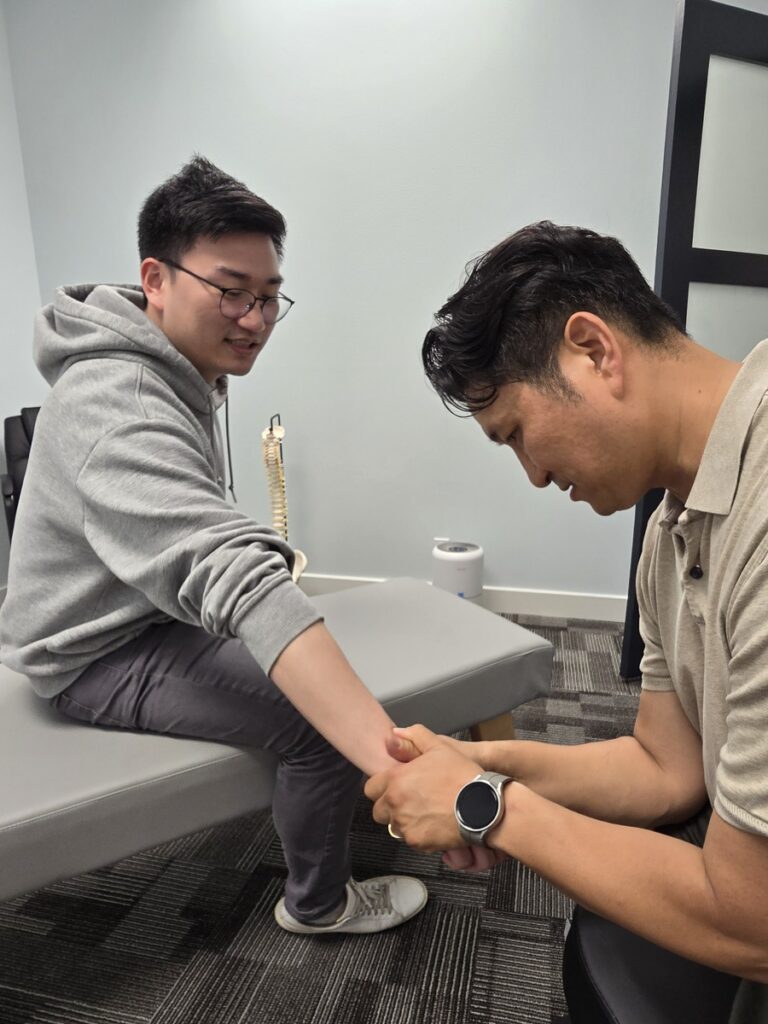
Chiropractic adjustments play a crucial role in restoring proper alignment to your spine and neck, which can alleviate pain and improve mobility. Your chiropractor will assess your condition and use gentle, hands-on techniques to help reduce muscle tension and enhance circulation in the affected areas.
In addition to chiropractic adjustments, you might find relief through complementary therapies such as heat or cold therapy. These simple methods can help reduce pain and inflammation, promoting a more comfortable recovery.
Electrical stimulation is another tool that may be used in your treatment plan to support healing and ease discomfort. Furthermore, your chiropractor can provide guidance on proper posture and body mechanics, which are vital for preventing future strain on your neck.
Ultrasound therapy is another option that can be integrated into your care plan, aiding tissue repair and reducing stiffness.
Remember, taking care of your spine is essential for overall health. Incorporating regular chiropractic visits into your routine can help you achieve optimal wellness.
Always listen to your body and communicate openly with your chiropractor about your progress. Together, we can work towards a healthier, pain-free life.
Stretching and Strengthening Exercises
To effectively manage your recovery from whiplash, incorporating stretching and strengthening exercises into your routine can significantly enhance your healing process. These exercises not only improve flexibility and reduce pain but also strengthen the neck muscles, which can help prevent future injuries. Remember, chiropractic care is a natural and holistic approach to health and wellness that can complement these exercises and support your overall recovery.
Here’s a simple guide to some effective exercises you can do at home:
| Exercise | Description | Repetitions |
|---|---|---|
| Neck Tilts | Gently tilt your head side to side, feeling a stretch in your neck. | 10 |
| Chin Tucks | Pull your chin straight back while keeping your back straight. This helps align your spine. | 10 |
| Shoulder Shrugs | Raise your shoulders towards your ears and then release. This can relieve tension in your upper back. | 10 |
| Neck Rotations | Slowly turn your head to the right and then to the left. This promotes mobility in your neck. | 10 |
| Isometric Neck Press | Press your palm against your forehead, resisting the motion. This strengthens your neck without strain. | 10 |
Incorporating these exercises a few times a week can greatly aid in your recovery journey. Always listen to your body; if something feels uncomfortable, it’s important to stop. Additionally, consulting with a chiropractor can provide you with personalized guidance and adjustments that support your healing process. Chiropractic care not only addresses pain but also promotes overall health and wellness, making it the best choice for those seeking natural relief.
Remember to stay hydrated, maintain good posture, and take breaks from prolonged activities to support your neck health. By combining these exercises with chiropractic care, you can achieve optimal health and a stronger, more resilient neck.
Alternative Treatments: Acupuncture and Massage
Exploring alternative treatments like acupuncture and massage can provide relief from whiplash symptoms, but as a chiropractor, I believe it’s essential to highlight chiropractic care as the most effective option for achieving optimal health and wellness.
Chiropractic adjustments focus on aligning the spine and improving nervous system function, which can significantly reduce pain and enhance your body’s natural ability to heal. By addressing the root cause of your discomfort, chiropractic care not only alleviates whiplash symptoms but also promotes long-term wellness.
While acupuncture involves inserting thin needles into specific points to relieve pain and improve mobility, and massage therapy helps release tension in your neck and shoulders, these methods can be complementary to chiropractic care.
However, the primary focus should be on maintaining proper spinal alignment, which is crucial for recovery and overall health.
In addition to regular chiropractic adjustments, consider incorporating gentle stretches and exercises to strengthen your neck and shoulder muscles. Staying hydrated and practicing good posture can also support your healing process and help prevent future injuries.
Always consult with a chiropractor to ensure that your treatment plan is tailored to your unique needs.
By embracing chiropractic care as part of your recovery journey, you can unlock the potential for lasting relief and improved well-being.
Heat and Cold Therapy
Heat and cold therapy can be incredibly beneficial for managing whiplash symptoms and supporting your recovery journey. These natural methods can help alleviate pain, reduce inflammation, and ease muscle tension, providing you with much-needed relief.
Here’s how you can use them effectively to complement your chiropractic care:
- Cold therapy: Start by applying an ice pack to the affected area for about 15-20 minutes. This can help numb the pain and decrease any swelling. Remember to wrap the ice pack in a cloth to protect your skin and avoid frostbite.
- Heat therapy: After the first couple of days, you can switch to heat therapy. Using a warm towel or heating pad for 15-20 minutes can help relax tight muscles and improve blood flow, which supports healing.
- Alternating therapies: You might consider alternating between heat and cold treatments. This can enhance your comfort and maximize the benefits of both therapies, making your recovery process feel more manageable.
Incorporating these therapies into your routine, alongside regular chiropractic adjustments, can lead to a more comprehensive approach to healing.
Chiropractic care focuses on addressing the root causes of pain and restoring proper alignment in your spine, which can further enhance your body’s natural healing abilities.
Lifestyle Changes for Long-Term Relief
Incorporating effective therapies like heat and cold can be beneficial in managing whiplash symptoms, but making lifestyle changes is crucial for achieving long-term relief. As a chiropractor, I encourage you to prioritize good posture, especially during extended periods of sitting. Proper alignment can significantly reduce strain on your neck, which is essential for recovery.
Regular exercise is another key component. Gentle stretching and low-impact activities not only maintain flexibility but also strengthen the muscles that support your spine. This can help alleviate pain and improve your overall well-being.
Stress management techniques, such as yoga or mindfulness meditation, are invaluable tools. These practices help ease tension and enhance your ability to cope with discomfort. Additionally, focusing on a balanced diet rich in anti-inflammatory foods can further support your healing process.
Don’t forget to stay hydrated, as adequate water intake keeps your muscles and joints functioning optimally.
Lastly, ensure that you’re getting enough restorative sleep. Quality rest is vital for your body to heal and recover. By adopting these lifestyle adjustments, you’re empowering yourself on the journey to long-lasting relief from whiplash symptoms.
Remember, chiropractic care is a natural and effective way to enhance your health and well-being. Regular visits to a chiropractor can help align your spine, reduce pain, and support your body’s innate healing abilities.
Together, we can work towards achieving your best health!
Conclusion
Managing whiplash symptoms effectively requires a holistic approach, and chiropractic care stands out as one of the best ways to promote natural healing and pain relief. By working with a chiropractor, you can receive targeted adjustments that help restore proper alignment in your spine and neck, which is crucial for reducing pain and improving mobility.
In addition to chiropractic adjustments, incorporating physical therapy and gentle stretching exercises into your routine can be incredibly beneficial. These techniques help to strengthen the muscles around your neck and improve flexibility, which can alleviate discomfort over time.
Alternative treatments like acupuncture and massage can also complement your chiropractic care, providing additional relief and promoting relaxation. Furthermore, utilizing heat and cold therapy can soothe sore areas and reduce inflammation, making it easier to manage your symptoms.
Don’t overlook the importance of making lifestyle changes to support your recovery. Simple adjustments, such as maintaining good posture and taking regular breaks from screen time, can significantly impact your neck health. Embracing a healthier lifestyle overall, with proper hydration and nutrition, will also support your healing journey.
With these strategies in place and the guidance of your chiropractor, you’ll be well on your way to feeling better and enjoying a higher quality of life. Remember, choosing chiropractic care is a natural path towards optimal health and wellness.