
If you’ve experienced whiplash, you know just how disruptive it can be to your life. The pain and stiffness can make even the simplest tasks feel overwhelming, impacting your overall well-being. This is why it’s crucial to explore effective techniques for relief, especially through chiropractic care. Early intervention can significantly enhance your recovery and help you regain your life.
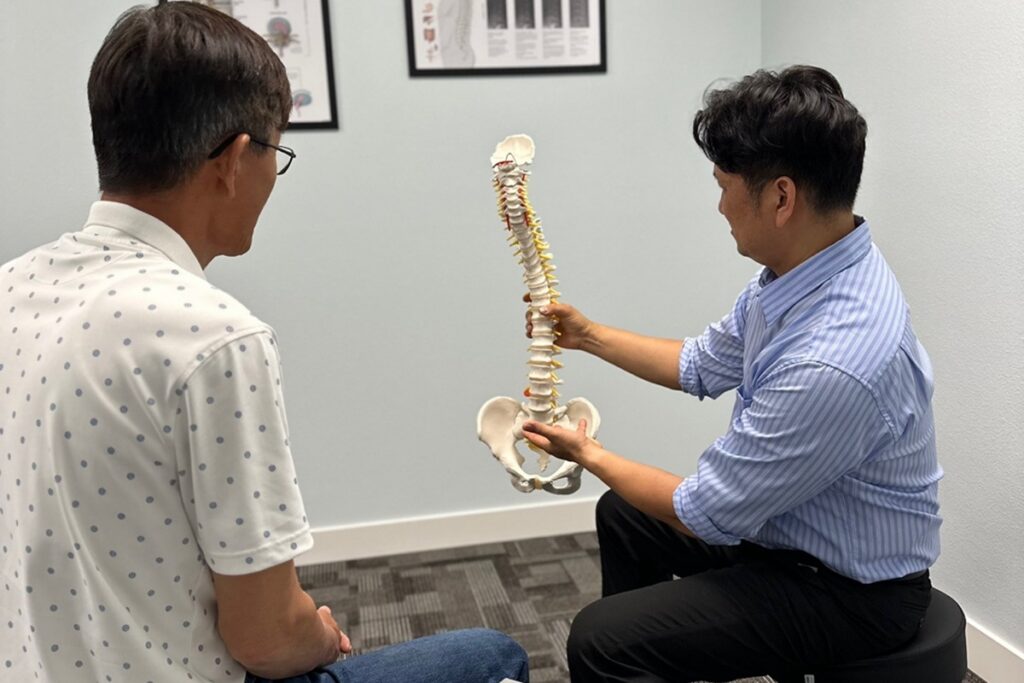
Chiropractic care focuses on the health of your spine and nervous system, which is vital in addressing whiplash symptoms. By realigning the spine and improving function, chiropractic adjustments can effectively reduce pain and restore mobility. Unlike other methods, chiropractic care promotes natural healing without the need for invasive procedures or medications.
So, what are some effective approaches you can consider to alleviate your symptoms and foster healing? Here are a few tips:
- Regular Chiropractic Adjustments: Schedule regular visits with your chiropractor. They can tailor a treatment plan specifically for you, helping to relieve pain and improve your range of motion.
- Gentle Stretching: Incorporate gentle neck stretches into your routine. This can help ease stiffness and improve flexibility. Always consult with your chiropractor for appropriate stretches.
- Heat and Ice Therapy: Applying heat can soothe tight muscles, while ice can reduce inflammation. Alternating between the two can provide significant relief.
- Posture Awareness: Maintain good posture, especially if you sit for long periods. Proper alignment can reduce strain on your neck and back, aiding in your recovery.
- Stay Active: Engage in light physical activities, like walking, to promote circulation and encourage healing. Your chiropractor can suggest safe exercises tailored to your needs.
- Hydration and Nutrition: Drink plenty of water and eat a balanced diet. Proper hydration and nutrition support overall health and recovery.
Remember, your journey to recovery doesn’t have to be faced alone. Embracing chiropractic care can help you manage your pain naturally and guide you towards optimal health. Don’t hesitate to reach out to your local chiropractor to discuss your symptoms and explore a personalized plan for relief and wellness.
Key Takeaways
Why Techniques for Whiplash Relief Matter
- Techniques for whiplash relief are designed to harness the body’s natural healing abilities, helping to restore balance and alleviate pain. Through chiropractic adjustments and personalized treatment plans, we aim to support your journey to wellness without the need for medications or invasive procedures.
- Seeking chiropractic care early on can make a significant difference in your recovery. By addressing whiplash symptoms promptly, we can help prevent chronic pain and other complications, leading to better outcomes for those affected by whiplash.
- Incorporating gentle stretching and mobility exercises into your routine is essential for regaining range of motion and strengthening your neck muscles. These practices are vital for a successful recovery and can easily be integrated into your daily life.
- Maintaining good posture and setting up an ergonomic workspace are key factors in preventing further strain on your neck. Simple adjustments to your desk setup and being mindful of your posture during daily activities can greatly contribute to long-term neck health.
- Keeping an open line of communication with your chiropractor is crucial for effective treatment. This ensures that your care is tailored to your specific needs, enhancing the impact of the relief techniques we employ for your whiplash recovery.
By focusing on these chiropractic techniques and lifestyle adjustments, you are taking proactive steps towards achieving optimal health and wellness. Remember, your body has an incredible ability to heal itself, and we are here to guide you on that journey!
Understanding Whiplash and Its Symptoms
Whiplash is a common neck injury that often occurs due to sudden movements, particularly from car accidents. When your head snaps forward and then back, it can cause the soft tissues in your neck to stretch or even tear. This may lead to immediate pain or stiffness, but it’s not uncommon for symptoms to appear hours or even days later.
Some common signs of whiplash include neck pain, headaches, and a reduced range of motion. You might also feel dizziness, fatigue, and tenderness in your shoulders or upper back. In some cases, people notice tingling or numbness in their arms.
As a chiropractor, I want to emphasize the importance of recognizing these symptoms. They can significantly affect your daily activities and overall well-being. If you experience any of these signs, seeking chiropractic care is a great option. Chiropractors specialize in understanding how the spine and nervous system work together to support your body’s health, and they can help you on your path to recovery.
Chiropractic care offers a natural and effective approach to pain relief and wellness. By focusing on spinal alignment and movement, chiropractic adjustments can help restore proper function in your neck, alleviate pain, and improve your overall health.
Here are a few tips you can take away to support your neck health:
- Practice Good Posture: Keep your head aligned over your shoulders, and avoid slouching when sitting or standing.
- Use Proper Ergonomics: If you work at a desk, ensure your computer screen is at eye level and your chair supports your lower back.
- Stay Active: Gentle exercises and stretches can help maintain flexibility in your neck and shoulders.
- Apply Heat or Cold: Using a hot or cold pack can help reduce pain and inflammation.
- Stay Hydrated: Drinking plenty of water supports overall health, including the health of your spinal discs.
By focusing on these strategies and consulting with a chiropractor, you can take proactive steps toward recovery and help prevent future injuries.
Importance of Early Intervention
When you start feeling symptoms of whiplash, it’s crucial to take action quickly, as this can greatly influence your recovery journey. Early intervention is vital because it can prevent your condition from getting worse. The sooner you seek help, the better your chances are of alleviating pain and regaining your mobility.
By reaching out to a chiropractor right away, you allow them to evaluate your injury and create a personalized treatment plan that caters to your specific needs. Delaying treatment can lead to chronic pain and extended complications. You may find that prompt care not only eases your discomfort but also promotes healing in a natural and effective way.
Chiropractic adjustments, gentle exercises, and other natural healing methods can help you regain your function and get back to your everyday activities more quickly. Moreover, addressing whiplash early can lighten the emotional burden that often comes with pain. Taking control of your recovery can boost your overall well-being and help you feel empowered.
Remember, prioritizing your health is essential, so don’t hesitate to take action as soon as you notice any symptoms.
As a takeaway, here are some general tips for managing whiplash symptoms at home:
- Gentle Movement: Keep your neck moving with gentle stretches, which can help maintain flexibility and reduce stiffness.
- Cold and Heat Therapy: Use ice packs to reduce swelling in the initial days, then switch to heat to soothe muscle tension.
- Posture Awareness: Pay attention to your posture, especially if you’re sitting for long periods. Good posture can relieve strain on your neck.
- Stay Hydrated: Drinking plenty of water can support overall healing.
- Sleep Support: Ensure your sleeping position supports your neck, using a supportive pillow that keeps your spine aligned.
Techniques for Pain Management
Managing pain effectively is crucial for your recovery after a whiplash injury, and chiropractic care can play a vital role in your healing journey. Unlike medications or surgeries, chiropractic focuses on natural healing and restoring balance to your body.
Start by scheduling an appointment with your chiropractor, who can assess your condition and develop a personalized treatment plan. Chiropractic adjustments can help realign your spine, reduce tension, and improve mobility in your neck. This holistic approach not only addresses pain but also promotes overall wellness.
In addition to chiropractic care, there are simple techniques you can incorporate into your daily routine to enhance your recovery. Gentle stretches and neck exercises can alleviate tension and improve circulation—ask your chiropractor for specific exercises tailored to your needs.
Applying heat or cold packs can also provide relief; heat helps relax tense muscles while cold can reduce inflammation.
Don’t underestimate the power of relaxation techniques, such as deep breathing or meditation, to help you manage stress and pain. These practices can complement your chiropractic treatment and contribute to a more balanced state of health.
Finally, you might explore alternative therapies like acupuncture or massage alongside your chiropractic adjustments. These methods can work synergistically to enhance your pain relief and overall well-being.
Restoring Mobility and Function
Restoring Mobility and Function After Whiplash: The Chiropractor’s Approach
If you’ve experienced a whiplash injury, restoring mobility and function in your neck is essential for getting back to your everyday activities. One of the most effective ways to achieve this is through chiropractic care, which emphasizes natural healing and focuses on your body’s ability to heal itself.
A chiropractor can guide you through targeted rehabilitation exercises that not only strengthen your neck but also improve flexibility. Starting with gentle range-of-motion exercises can help you regain mobility without aggravating any pain. These exercises are designed to encourage movement in a safe manner.
As you progress, your chiropractor may introduce stretching and strengthening activities tailored to support your neck muscles. Movements like chin tucks and side bends can enhance both stability and flexibility, aiding in your recovery while also helping to prevent future injuries.
Listening to your body is crucial during this process. If any exercise causes discomfort, it’s important to modify or skip it. Consistency is key—aim to incorporate these exercises into your daily routine to see the best results.
Working with a chiropractor not only ensures you’re performing these exercises correctly but also allows for personalized guidance tailored to your specific needs.
With patience and commitment to your care plan, you can expect to see improvements in your mobility and overall function.
Preventing Long-Term Complications
Whiplash injuries can be challenging, but with the right approach, you can significantly reduce the risk of long-term complications. As a chiropractor, I believe that natural healing and proactive care are the keys to recovery.
First and foremost, if you suspect a whiplash injury, it’s important to seek a thorough evaluation from a trusted chiropractor. Early assessment helps determine the best course of action for your recovery. Our goal is to identify any misalignments in your spine that may be contributing to pain and discomfort.
Engaging in chiropractic care is one of the most effective ways to address whiplash injuries. Regular adjustments can help restore proper alignment, alleviate pain, and enhance mobility. Your chiropractor can also recommend specific exercises that strengthen your neck muscles and improve flexibility, tailored to your individual needs.
Incorporating gentle stretching into your daily routine can further support your recovery. Simple neck stretches can help maintain your range of motion and prevent stiffness.
Don’t forget the importance of good posture, especially if you spend long hours sitting at a desk. Being mindful of your posture can alleviate unnecessary strain on your neck and spine. Consider setting up an ergonomic workspace to support a healthy sitting position.
Finally, keep an open line of communication with your chiropractor. Staying informed about your progress and any changes in your condition is essential for adjusting your treatment plan effectively.
Conclusion
Incorporating whiplash relief techniques is crucial for your recovery, and as a local chiropractor, I want to emphasize the importance of addressing this condition holistically. Understanding your symptoms and the benefits of early intervention can empower you to manage pain effectively and regain mobility.
Chiropractic care is a natural and highly effective method for alleviating discomfort caused by whiplash. By focusing on spinal adjustments, we can help realign the vertebrae in your neck, easing tension and promoting better movement. Alongside chiropractic adjustments, incorporating targeted exercises into your routine can strengthen your neck muscles, enhance flexibility, and support long-term recovery.
It’s important to remember that a personalized treatment plan, designed specifically for you, is key to enhancing your neck health and promoting healing. Working closely with your chiropractor, you can develop strategies that fit your unique needs, ensuring a comprehensive approach to your wellness.
Here are some general tips to help you on your journey to recovery:
- Stay Active: Engage in gentle movements and stretches to keep your neck mobile.
- Apply Ice or Heat: Use ice packs to reduce inflammation and heat packs to relax tight muscles.
- Maintain Good Posture: Be mindful of your posture, especially when sitting or using electronic devices.
- Hydrate: Drinking plenty of water supports overall health and aids in the healing process.
- Listen to Your Body: If something feels uncomfortable, don’t push through it. Communicate with your chiropractor about any concerns.
Take charge of your recovery; your well-being depends on it! Embracing chiropractic care as a primary method for pain relief and overall wellness can lead to a healthier, more vibrant life.