
When you face a sports injury, understanding your treatment options is vital for a timely recovery. You might start with basic strategies like the R.I.C.E. method, but as you assess the injury's severity, it's important to reflect on more thorough approaches. Physical therapy can often play a key role, yet there are instances where advanced medical interventions become necessary. Each choice impacts your path back to the field, so it's worth exploring what options can work best for you. What might you discover about your recovery journey?
Common Types of Sports Injuries
When you think about sports injuries, several common types come to mind. Sprains and strains are at the top of the list. A sprain occurs when you stretch or tear a ligament, which connects bones at a joint. You might twist your ankle or knee, resulting in pain, swelling, and limited mobility.
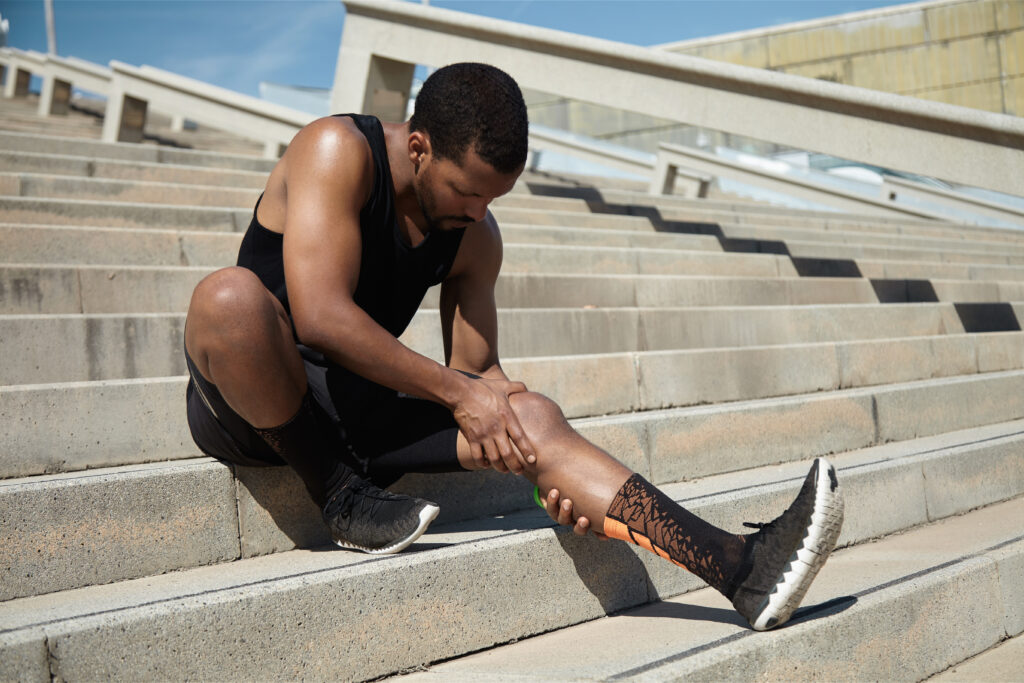
Strains, on the other hand, involve muscles or tendons and often happen when you overextend or tear them. If you've ever felt a sudden sharp pain in your hamstring while sprinting, you've likely experienced a strain.
Another frequent injury is a fracture, which is a break in the bone. This can happen from high-impact collisions or falls. If you hear a crack or feel extreme pain, you might've fractured a bone.
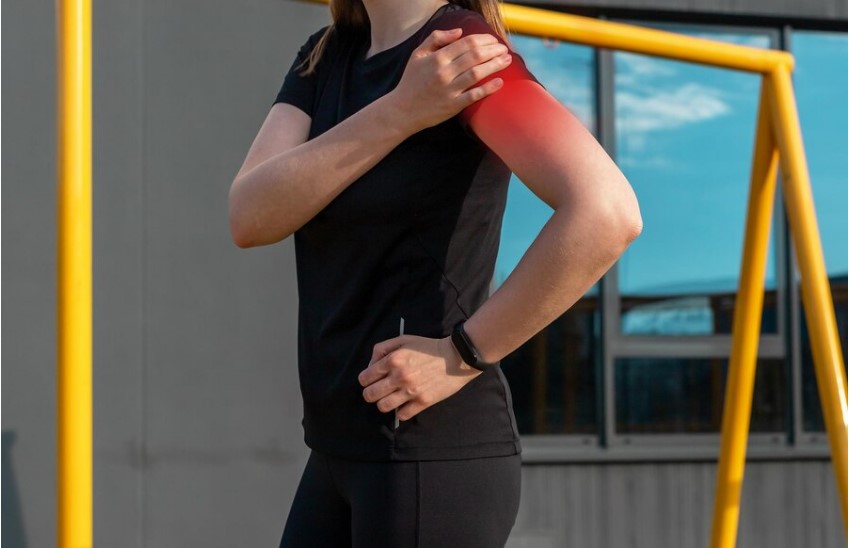
Tendonitis is also common, especially in repetitive motion sports, leading to inflammation of the tendon. You could experience this in your elbow, shoulder, or knee, often feeling pain and stiffness.
Concussions are another serious type of injury, particularly in contact sports. If you take a blow to the head, you could experience symptoms like confusion, headaches, or dizziness. It's essential to recognize these signs quickly, as they require immediate attention.
Lastly, overuse injuries, like shin splints or stress fractures, emerge from repetitive activity without sufficient rest. They can be quite frustrating, as they develop gradually and often require time off to heal.
Recognizing these common types of sports injuries can help you stay vigilant and proactive in your approach to sports and fitness.
Initial Treatment Strategies
In the aftermath of a sports injury, swift action can make a significant difference in your recovery. The first step you should take is to assess the injury. If you experience severe pain, swelling, or difficulty using the injured area, it's essential to stop any activity immediately. Ignoring these symptoms can lead to further damage.
Once you've halted activity, follow the R.I.C.E. method: Rest, Ice, Compression, and Elevation. Resting the injured area prevents additional strain and promotes healing.
Applying ice for 15-20 minutes every few hours helps reduce swelling and numbs the pain. Be sure to wrap the ice in a cloth to protect your skin.
Compression involves using an elastic bandage or wrap to support the injured area. This can help minimize swelling and provide stability.
Elevation, on the other hand, means propping the injured limb above heart level to further reduce swelling.
Over-the-counter pain relievers like ibuprofen or acetaminophen can help manage pain and inflammation. However, always read labels and consult a healthcare professional if you're unsure about what to take.
If symptoms persist beyond a few days or worsen, seek medical attention. A healthcare provider may recommend imaging tests to assess the extent of the injury.
Early intervention is key, so don't hesitate to reach out for help. Taking these initial steps can set the stage for a more effective recovery process and get you back in the game sooner.
Physical Therapy Approaches
While you might think rest is the only answer after a sports injury, incorporating physical therapy can greatly enhance your recovery. Physical therapy isn't just about passive treatment; it actively engages you in your healing process. A skilled therapist will assess your specific injury, design a personalized program, and guide you through exercises aimed at restoring strength, flexibility, and function.
One of the key approaches is therapeutic exercise. You'll work on targeted movements that help rehabilitate the injured area while also improving your overall physical condition. These exercises can range from gentle stretches to strength-building routines, tailored to your current capabilities. The goal is to gradually increase your range of motion and strength without exacerbating your injury.
Manual therapy is another effective method used in physical therapy. Your therapist may employ hands-on techniques to mobilize joints, release tension in muscles, and improve circulation. This can help alleviate pain and restore normal movement patterns, which is essential for returning to your sport.
Education plays an important role too. Your therapist will teach you about proper body mechanics, posture, and injury prevention strategies to avoid future problems. You'll learn how to modify your activities and gradually return to your sport safely.
Incorporating physical therapy into your recovery plan can accelerate healing and get you back in the game faster. Embracing these approaches not only addresses your immediate injury but also sets the foundation for long-term athletic performance and resilience.
Advanced Medical Interventions
Exploring advanced medical interventions can greatly enhance your recovery from sports injuries, especially when traditional methods fall short. If you're dealing with persistent pain or limited mobility, it might be time to explore options like regenerative medicine, minimally invasive surgeries, or advanced imaging techniques.
Regenerative medicine, including treatments such as platelet-rich plasma (PRP) therapy or stem cell injections, can stimulate healing at the cellular level. These interventions harness your body's natural healing processes to target damaged tissues, potentially speeding up recovery times and improving function.
Minimally invasive surgeries are another option worth investigating. Techniques like arthroscopy allow surgeons to repair injuries with small incisions, reducing recovery time and scarring. This approach can be particularly beneficial for joint issues, helping you return to your sport more quickly and with less pain.
Advanced imaging technologies, like MRI and ultrasound, provide detailed insights into the extent of your injury. These tools enable healthcare professionals to develop tailored treatment plans based on your specific condition.
A precise diagnosis guarantees you receive the most effective intervention, whether that's a targeted injection or a surgical procedure.
Prevention and Recovery Tips
Taking proactive steps can greatly reduce your risk of sports injuries and enhance your recovery.
Whether you're a weekend warrior or a serious athlete, incorporating preventative measures into your routine is essential.
Here are some effective tips to help you stay injury-free and recover faster when injuries do occur:
– Warm Up and Cool Down: Always start with a proper warm-up to prepare your muscles and joints.
Likewise, cool down after your activity to help your body revert back to a resting state.
– Use Proper Technique: Learn and consistently use the correct techniques for your sport.
This can help prevent unnecessary strain on your body.
– Listen to Your Body: Pay attention to what your body is telling you.
If you feel pain or discomfort, don't push through it. Take a break, and give yourself time to heal.
– Stay Hydrated and Maintain Nutrition: Proper hydration and a balanced diet support muscle function and recovery.
Make sure you're getting enough fluids and nutrients to keep your body performing at its best.
In addition to these preventative measures, remember that recovery is just as important.
Rest, ice, compression, and elevation (RICE) are foundational techniques to manage minor injuries.
If you do experience an injury, consult a healthcare professional for personalized recovery strategies.
Conclusion
Injuries can be frustrating, but understanding your treatment options is key to a speedy recovery. By starting with the R.I.C.E. method and progressing through physical therapy and advanced interventions if needed, you can get back to your favorite sports. Remember to focus on prevention and listen to your body throughout the healing process. With the right approach, you'll not only recover but also strengthen yourself against future injuries. Stay proactive and dedicated to your recovery!