
Share this episode:
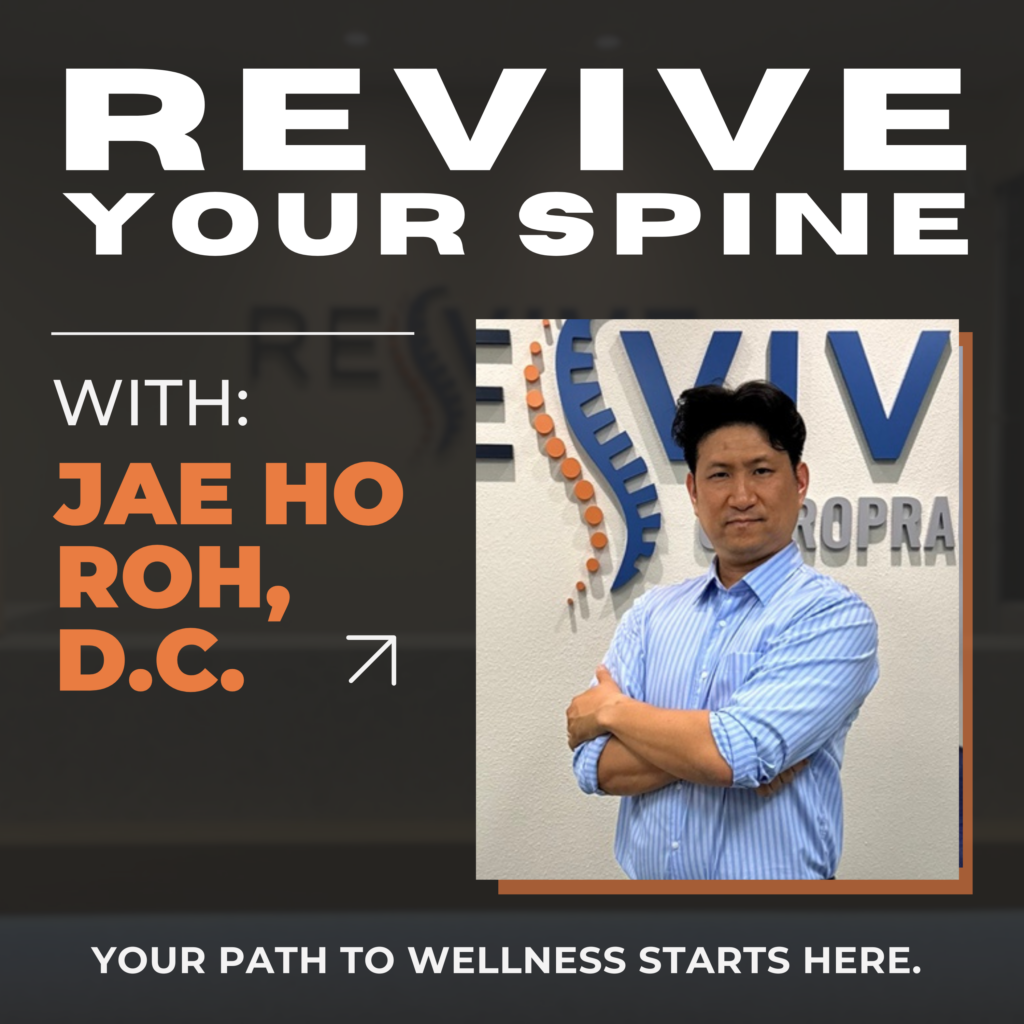
In this episode, Dr. Jae ho Roh, D.C. of Revive Chiropractic in Sunnyvale tackles one of the most common topics he addresses with patients every day: core strength and its critical role in spinal health. He challenges the popular misconception that core training is simply about aesthetics or doing crunches, revealing the deeper connection between a strong core and a healthy, pain-free spine. Listeners will gain a clearer understanding of how the muscles surrounding the spine work together to provide stability and prevent injury. Whether you are dealing with back pain or simply want to protect your spine long-term, this episode offers practical insight straight from a chiropractic perspective.
Hey everyone, welcome back. I’m Doctor Jae Ho Roh, chiropractor here at Revive Chiropractic in Sunnyvale, and today we are talking about something that comes up in my office almost every single day — core strength, and why it matters so much for the health of your spine.
Now, I know what some of you might be thinking. Core strength — isn’t that just about having a flat stomach or doing a bunch of crunches? And honestly, I get that. That’s how a lot of people think about it. But here’s the thing… your core is so much more than that. And once you understand what it actually does for your spine, I think it’s going to completely change how you think about your back pain, your posture, and even how you move through your day.
So let’s start with the basics. Your spine is this incredible, flexible column of bones and discs and nerves. It does a tremendous amount of work — it holds you upright, it allows you to bend and twist and move, and it protects your spinal cord. But here’s what’s interesting — your spine actually relies on the muscles around it to stay stable. It can’t do the job alone. And that’s where your core comes in.
When we talk about the core, we’re not just talking about your abs. We’re talking about a whole group of muscles — your abdominals, yes, but also your deep back muscles, your pelvic floor, even your diaphragm. These muscles work together like a natural brace around your spine. When they’re strong and coordinated, they absorb shock, they distribute load evenly, and they keep your vertebrae in proper alignment during movement. When they’re weak — and this is really important — your spine has to compensate. And compensation, over time, leads to strain, dysfunction, and pain.
Here’s what I see all the time in practice. Someone comes in with low back pain. They’ve had it for months, maybe years. They’ve tried stretching, they’ve tried rest. And when I evaluate them, one of the consistent things I find is that their deep stabilizing muscles — the ones closest to the spine — are just not doing their job. The larger, more superficial muscles are trying to pick up the slack. And that creates a pattern of tension and imbalance that just keeps feeding the problem.
Now here’s the good news. This is actually very addressable. You don’t need to run a marathon or become an athlete. Small, consistent work on the right muscles can make a real difference.
So what can you start doing today? A few things. First, think about your breathing. Deep diaphragmatic breathing — breathing all the way down into your belly — actually activates your deep core muscles. Just practicing slow, full breaths is a gentle way to start waking those muscles up. Second, if you spend a lot of time sitting, try to check in with your posture throughout the day. Sitting tall, with your feet flat on the floor and your lower back gently supported, takes some of the burden off your spine. And third, look into exercises like dead bugs, bird dogs, and modified planks. These are low-impact movements that target the deep stabilizers of the spine without putting excessive stress on your discs or joints. If you’re not sure where to start, that’s completely okay — a professional can guide you.
And that brings me to my next point. If you’ve been dealing with back pain, neck tension, or you just feel like your posture has really gone downhill — please don’t wait on that. Come in and get evaluated. One of the things we do at Revive Chiropractic is assess not just where you’re hurting, but how you’re moving and what might be contributing to the problem. Sometimes the pain in your lower back is actually connected to weakness somewhere else entirely. And getting a clear picture of that is the first step toward actually fixing it rather than just managing it.
Chiropractic care and core strengthening work really well together, by the way. Adjustments help restore proper motion and alignment in the joints. Strengthening the surrounding muscles helps hold that alignment and prevent the problem from coming right back. It’s not one or the other — it’s both working together.
Alright, so to wrap things up — your core is your spine’s best friend. Keeping those muscles strong and coordinated is one of the most important things you can do for your long-term spinal health. And it doesn’t have to be complicated. Start small, stay consistent, and if you need help figuring out where to begin, we are here for you.
Thank you so much for tuning in today. I’m Doctor Jae Ho Roh at Revive Chiropractic, right here in Sunnyvale. If you have questions or you’d like to schedule a visit, give us a call or find us online. We’d love to help you move better and feel better. Take care, everyone.

A talented and highly professional chiropractor. He is very efficient, and I've seen fast progress with my condition. I really appreciate his care and effort.

Wonderful chiropractor. Dr. Roh is invested in your care and takes action for your concerns. I’ve been seeing him for a few months now and highly recommend him. As I get older, I wake up with daily aches. A lot of times I didn’t notice them until they were bad. Now with regular adjustments I feel so much more limber and it’s amazing the difference. Dr. Roh does have packages to make it more affordable and I feel like pricing is just right and well worth it.

Dr Jae.Roh is awesome, helped my recovery in no time.

I highly recommend Revive Chiropractic and Dr. Roh to anyone looking for a chiropractor. My husband and I have been visiting Dr. Roh for nearly 2 months now and every visit has been a positive difference. Our experience from the beginning has been smooth and highly professional. He patiently listens to all our issues without rushing us, takes time not only fixing it but also to explain the underlying cause. We truly appreciate his expertise and knowledge.

Dr Roh has been great for me. I came in with back pain and feel much better after each treatment.

It was great experience seeing dr. Roh I feeling much better after seeing dr. Roh😊

Dr.Roh is excellent, the adjustments helped my vision not be blurry, which was amazing, relieve so much tension and the whiplash is going away. I appreciate going every time and feel I really needed to be adjusted by someone who is great at what they do. Thanks again Dr.Roh, I appreciate you, 100 percent with your help, the nice office waiting room with snacks and water bottles are a plus with getting the much needed help I get. My spine feels balanced and I feel so much better and aligned after.

Was able to slip me into the schedule last minute for an adjustment to take care of a pinch in my neck!

I see Dr.Roh and he is excellent and adressed my lower back issues.

Dr Roh did a great job, came with neck issues, feels better now!

I’m a new patient here and Dr. Roh made me feel very comfortable from the first visit. I’ve been going to chiropractors my whole life and felt like I was in good hands as soon as I walked in. I love all the options he offers for treatment and have tried them all so far. I will be bringing my wife and kids here as well. Scott D
