Share this episode:
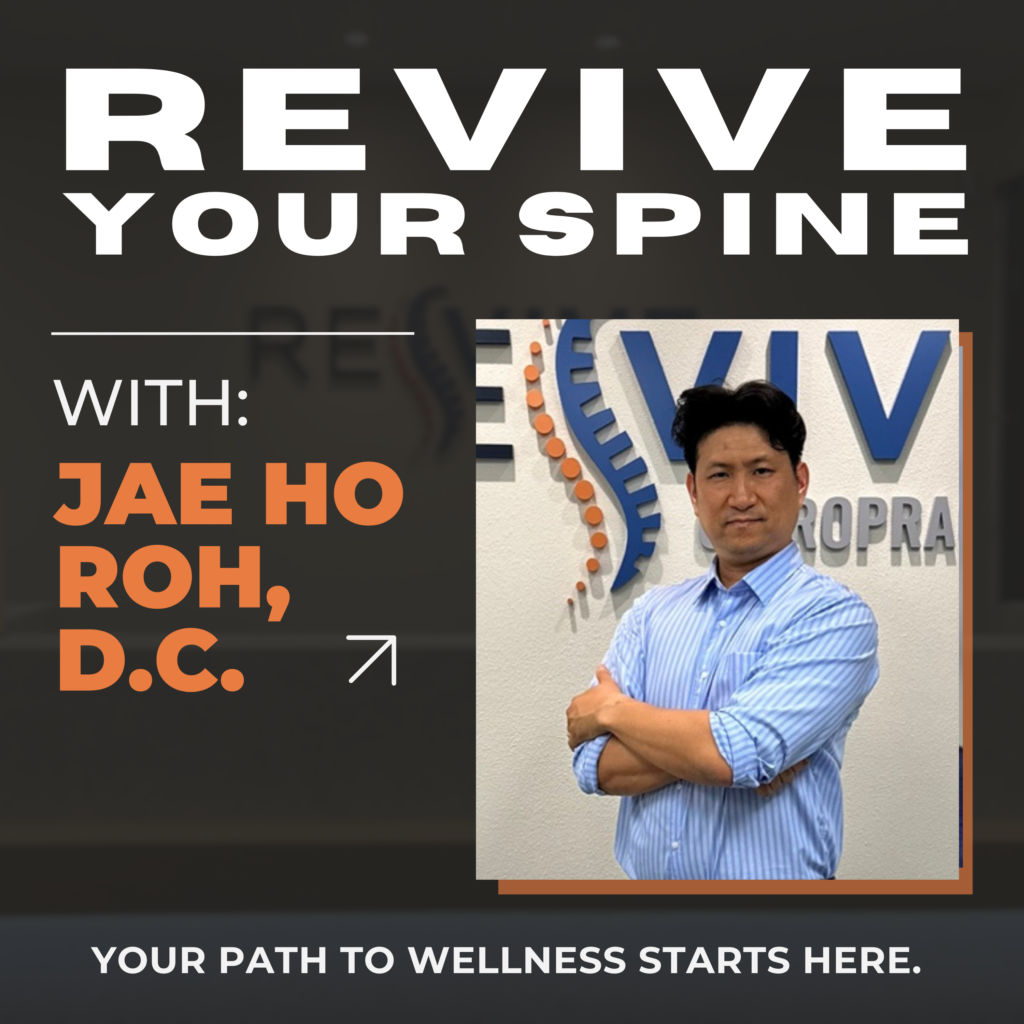
In this episode, Jae ho Roh, D.C. of Revive Chiropractic in Sunnyvale tackles one of the most overlooked aspects of fitness: recovery. If you’re someone who pushes hard in your workouts but skips the recovery side of the equation, this episode is for you.
Dr. Jae ho Roh breaks down why your body actually gets stronger during rest — not during the workout itself — and what happens when you ignore that critical window. He addresses the common objection that there simply isn’t enough time, offering practical perspective for busy, health-focused individuals.
Whether you’re an athlete, a weekend warrior, or just trying to stay active and pain-free, this conversation will change how you think about rest, repair, and long-term performance. Tune in to learn how Revive Chiropractic helps patients train smarter, not just harder.
Hey everyone, welcome back. I’m Doctor Jae Ho Roh from Revive Chiropractic here in Sunnyvale, and today I want to talk about something that I think gets overlooked way too often — especially by the people who are the most dedicated to their health. We’re talking about recovery. Specifically, why recovery is just as important as the exercise itself. And I know what some of you might be thinking — “Doctor Roh, I barely have enough time to work out. Now you’re telling me I need to focus on recovery too?” I get it. But stick with me here, because understanding this could genuinely change the way you feel every single day.
So here’s the thing. When you exercise — whether that’s lifting weights, going for a run, doing yoga, playing pickleball, whatever it is — you are actually creating stress on your body. Now that sounds scary, but it’s a good kind of stress. That physical stress causes tiny micro-tears in your muscle fibers. Your joints get loaded. Your nervous system gets activated. And all of that is exactly what’s supposed to happen. But here’s where people miss the boat. The actual getting stronger, getting more flexible, getting more resilient — that doesn’t happen during the workout. It happens after. It happens during recovery. Your body repairs those micro-tears and builds the muscle back stronger. Your joints get the nutrients they need to stay healthy. Your nervous system gets a chance to reset. If you skip that recovery window, you’re not just missing out on gains — you’re actually setting yourself back.
Now let me break this down a little more. Recovery isn’t just sitting on the couch. Real recovery has a few key components. The first one is sleep. I cannot stress this enough. Deep sleep is when your body does the majority of its repair work. Growth hormone gets released. Inflammation gets managed. Your brain consolidates everything you learned in that workout. Most adults need somewhere between seven and nine hours, and when you’re training hard, you might need even more than that. The second component is movement — but gentle movement. Things like walking, stretching, or light mobility work help increase blood flow to sore muscles without adding more stress on top of them. And then there’s hydration and nutrition, making sure your body actually has the raw materials it needs to do the rebuilding. Protein, good fats, plenty of water. These aren’t complicated things, but they make a massive difference.
Here’s what’s interesting — I see this play out in my office all the time. Someone comes in with nagging shoulder pain or low back tightness, and when we dig into their routine, they’re working out five or six days a week with almost no intentional recovery built in. Their body is stuck in this constant state of breakdown without enough time to rebuild. And over time, that creates tension, joint stress, and that kind of chronic discomfort that just won’t go away no matter how much they stretch on their own.
So what can you start doing today? Try building at least one or two true rest days into your weekly routine. On those days, take a walk, do some gentle stretching, drink plenty of water, and get to bed a little earlier. If you’re feeling sore or run down, that’s your body sending you a signal — don’t ignore it. Honor it. And pay attention to how your body feels over time, not just in the moment.
Now, if you’re dealing with persistent soreness, stiffness that doesn’t go away after a couple of days, or pain that keeps coming back no matter what you do — that’s a great reason to come in and get evaluated. At Revive Chiropractic, we look at how your spine and joints are moving, how your nervous system is functioning, and we help your body get into a state where recovery can actually happen the way it’s supposed to. Sometimes there’s a mechanical piece that’s interfering with the whole process, and once that gets addressed, people feel a real difference.
Alright, that’s our episode for today. Thank you so much for spending a few minutes with me. I hope this gives you a new way of looking at your routine — not as workout versus rest, but as two sides of the same coin. You need both to really thrive. If you have questions or you’d like to schedule a visit, you can reach us at Revive Chiropractic right here in Sunnyvale. We would love to help you feel your best. Take care of yourselves, and I’ll talk to you next time.

A talented and highly professional chiropractor. He is very efficient, and I've seen fast progress with my condition. I really appreciate his care and effort.

Wonderful chiropractor. Dr. Roh is invested in your care and takes action for your concerns. I’ve been seeing him for a few months now and highly recommend him. As I get older, I wake up with daily aches. A lot of times I didn’t notice them until they were bad. Now with regular adjustments I feel so much more limber and it’s amazing the difference. Dr. Roh does have packages to make it more affordable and I feel like pricing is just right and well worth it.

Dr Jae.Roh is awesome, helped my recovery in no time.

I highly recommend Revive Chiropractic and Dr. Roh to anyone looking for a chiropractor. My husband and I have been visiting Dr. Roh for nearly 2 months now and every visit has been a positive difference. Our experience from the beginning has been smooth and highly professional. He patiently listens to all our issues without rushing us, takes time not only fixing it but also to explain the underlying cause. We truly appreciate his expertise and knowledge.

Dr Roh has been great for me. I came in with back pain and feel much better after each treatment.

It was great experience seeing dr. Roh I feeling much better after seeing dr. Roh😊

Dr.Roh is excellent, the adjustments helped my vision not be blurry, which was amazing, relieve so much tension and the whiplash is going away. I appreciate going every time and feel I really needed to be adjusted by someone who is great at what they do. Thanks again Dr.Roh, I appreciate you, 100 percent with your help, the nice office waiting room with snacks and water bottles are a plus with getting the much needed help I get. My spine feels balanced and I feel so much better and aligned after.

Was able to slip me into the schedule last minute for an adjustment to take care of a pinch in my neck!

I see Dr.Roh and he is excellent and adressed my lower back issues.

Dr Roh did a great job, came with neck issues, feels better now!

I’m a new patient here and Dr. Roh made me feel very comfortable from the first visit. I’ve been going to chiropractors my whole life and felt like I was in good hands as soon as I walked in. I love all the options he offers for treatment and have tried them all so far. I will be bringing my wife and kids here as well. Scott D
