
If you've been struggling with neck pain, you're not alone, and there are effective ways to address it without resorting to surgery. You might find that simple stretching techniques, personalized physical therapy, and ergonomic adjustments can make a significant difference in your daily comfort. Additionally, incorporating mindfulness practices can help you manage pain more effectively. However, understanding which methods will work best for you and how to implement them can be vital for long-term relief. Let's explore these options further to discover what might truly help.
Understanding Neck Pain
Neck pain can feel like a heavy weight dragging you down, affecting your daily activities and overall quality of life. It's important to understand what's causing that discomfort so you can tackle it effectively.
Neck pain often arises from muscle strain, poor posture, or injuries. Reflect on how you hold your phone or sit at your desk; these habits can lead to tension in your neck muscles.
Another factor to reflect on is your sleeping position. If you're using an unsuitable pillow or sleeping in an awkward position, it can result in significant strain by morning.
Even stress can manifest as tightness in the neck and shoulders, creating a cycle of tension that's hard to break.
You might also experience neck pain due to degenerative diseases, such as arthritis or herniated discs, which can compress nerves and cause discomfort. Understanding these underlying issues can guide your approach to relief.
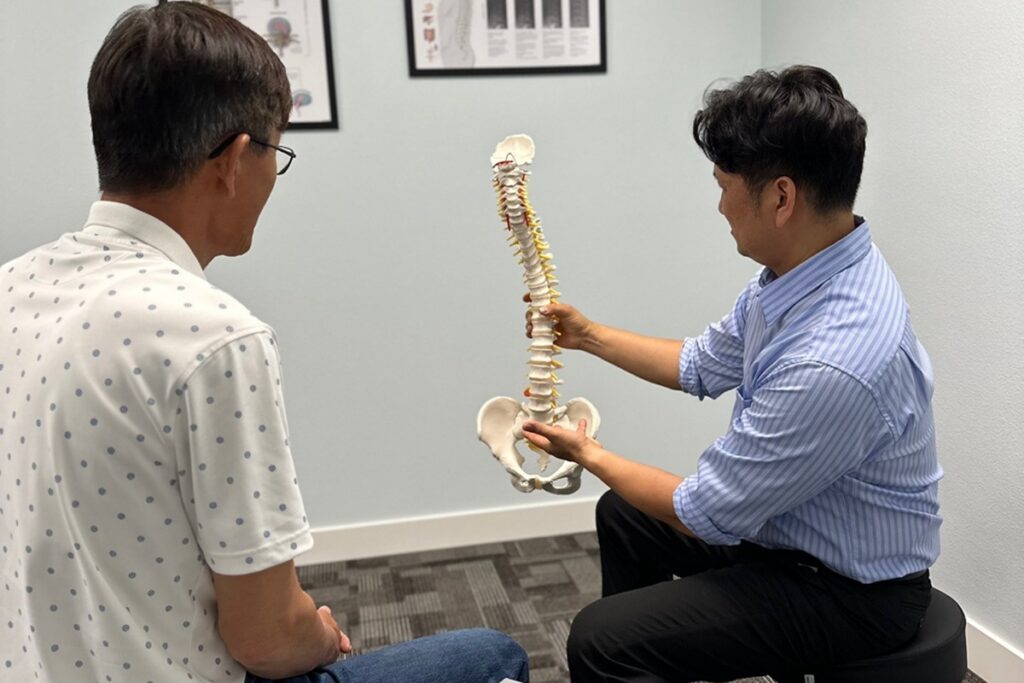
It's important to pay attention to the intensity and duration of your pain. If it's persistent or severe, it's wise to consult a healthcare professional. They can provide tailored advice and may suggest imaging tests to assess any structural problems.
Effective Stretching Techniques
If you're dealing with neck pain, incorporating effective stretching techniques can make a significant difference in your comfort and mobility. Stretching helps relieve tension, improve flexibility, and promote better posture, all essential for reducing discomfort.
Here are a few key stretches you can try:
- Neck Tilts: Gently tilt your head towards one shoulder, hold for 15-30 seconds, then switch to the other side. This helps stretch the muscles on the sides of your neck.
- Chin Tucks: Sit or stand up straight and gently tuck your chin towards your chest. Hold for a few seconds, then release. This technique strengthens the neck muscles and helps alleviate stiffness.
- Shoulder Rolls: Roll your shoulders forward and backward in a circular motion. This not only stretches your neck but also loosens the muscles in your shoulders.
Incorporate these stretches into your daily routine, ideally in the morning or after long periods of sitting. Always listen to your body; if a stretch feels painful, stop immediately.
Consistency is key, so aim to perform these stretches several times a week for the best results.
Remember to combine these techniques with good ergonomics while working or using devices, as poor posture can exacerbate neck pain.
Physical Therapy Benefits
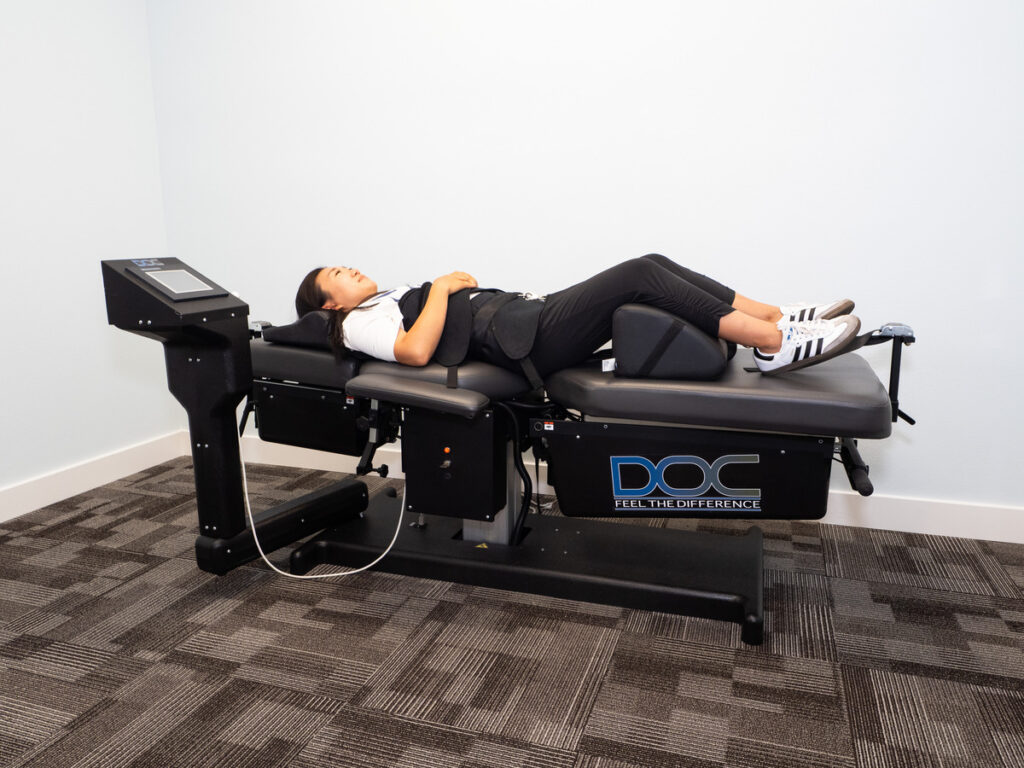
Physical therapy offers numerous benefits that can greatly improve your neck pain management. When you work with a physical therapist, they'll assess your condition and develop a tailored treatment plan that addresses your specific needs. This personalized approach guarantees that you're not just masking the pain; you're tackling the root cause.
One of the main advantages of physical therapy is the emphasis on strengthening and conditioning the muscles around your neck. By focusing on these areas, you can enhance your overall stability and flexibility, reducing the risk of future injuries. You'll learn specific exercises that target weak or tight muscles, allowing you to regain control over your movements and improve your posture.
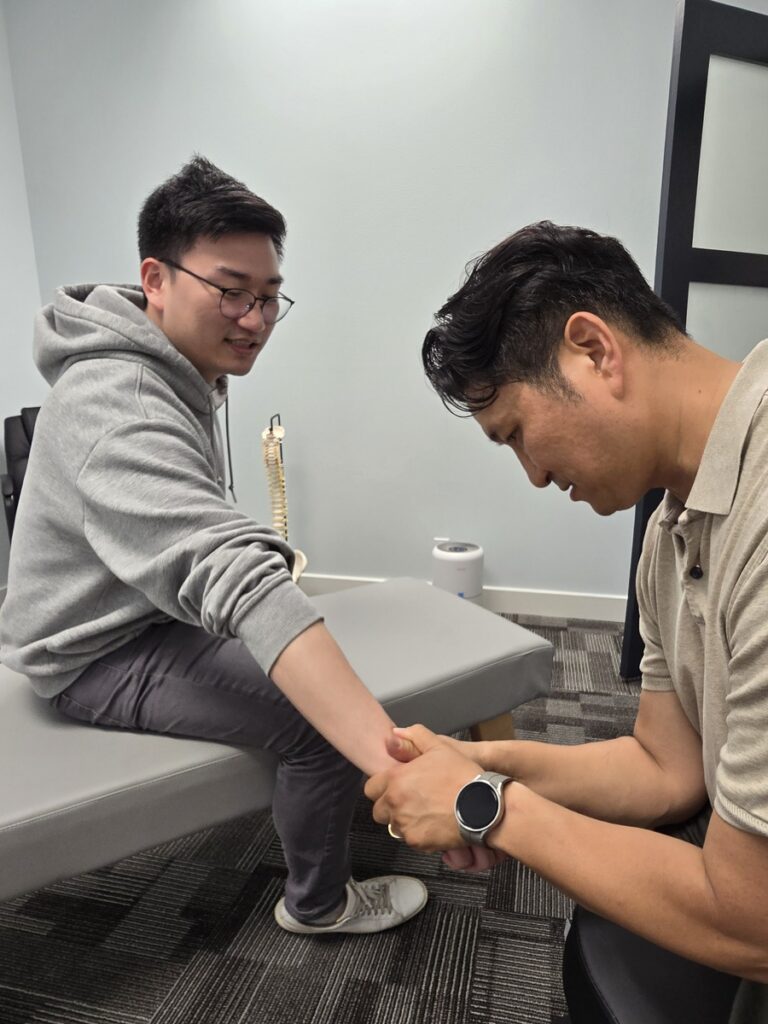
Additionally, physical therapists employ hands-on techniques such as manual therapy to relieve muscle tension and improve circulation. This can lead to immediate pain relief and increased range of motion, making daily activities more manageable. Your therapist might also teach you proper body mechanics and ergonomic techniques to help you avoid exacerbating your neck pain during everyday tasks.
Moreover, physical therapy fosters a deeper understanding of your body and its mechanics. You'll gain insights into how your posture or daily habits contribute to your discomfort, empowering you to make informed lifestyle changes.
Ergonomic Adjustments
Making ergonomic adjustments to your workspace and daily routines can greatly alleviate neck pain and prevent it from recurring. When you create an environment that supports your body's natural posture, you'll notice a significant reduction in discomfort. Here are some key adjustments you can make:
- Monitor Height: Verify your computer monitor is at eye level. This helps you keep your neck aligned and reduces strain.
- Chair Support: Invest in a chair that offers good lumbar support. Your lower back should be supported, allowing you to sit back comfortably without slouching.
- Keyboard Position: Position your keyboard so that your elbows are at a 90-degree angle and your wrists are straight. This minimizes strain on your neck and shoulders.
Additionally, pay attention to how you hold your phone. If you're constantly looking down at your device, consider using a hands-free option or holding it at eye level.
Regularly take short breaks to stretch and change your position. Movement is essential for preventing stiffness and discomfort.
Finally, be mindful of your daily habits. Whether you're driving, reading, or working, always check your posture. Making these adjustments might seem small, but they can lead to significant improvements in how you feel day to day.
Mindfulness and Relaxation Practices
Incorporating mindfulness and relaxation practices into your daily routine can greatly reduce neck pain and promote overall well-being. Stress often manifests in muscle tension, particularly in your neck and shoulders. By practicing mindfulness, you can become more aware of this tension and actively work to release it.
Start with simple breathing exercises. Find a quiet space, close your eyes, and take deep, slow breaths. Focus on each inhale and exhale, allowing your mind to settle. As you breathe, visualize the tension in your neck melting away. Aim to practice this for just a few minutes each day.
Consider adding gentle stretching or yoga to your routine. Poses like cat-cow or child's pose can help relieve tightness and improve flexibility. As you stretch, maintain a mindful approach by paying attention to how your body feels and moving gently to avoid strain.
Meditation is another powerful tool. Set aside a few minutes to sit in silence and focus on your breath or a calming mantra. This practice not only helps reduce stress but also enhances your ability to respond to pain more effectively.
Lastly, don't underestimate the power of guided imagery. Picture a serene place and imagine the warmth of the sun or the sound of waves. This can create a profound sense of relaxation, helping to ease discomfort in your neck.
Conclusion
To sum up, relieving neck pain without surgery is achievable through simple yet effective methods. By incorporating stretching techniques, seeking physical therapy, making ergonomic adjustments, and practicing mindfulness, you can greatly reduce discomfort and improve your quality of life. Take charge of your neck health today, and remember to listen to your body's signals. With these approaches, you'll find relief and regain your mobility, allowing you to enjoy daily activities without pain holding you back.