
When you experience a sports injury, knowing the right relief techniques can make all the difference in your recovery. Techniques like physical therapy and massage therapy aren't just about easing pain; they can improve your overall strength and flexibility, too. Cryotherapy and methods like compression and elevation help reduce inflammation and swelling, while active rest allows your body to heal without unnecessary strain. Understanding these approaches is essential, but what might surprise you are the benefits that extend beyond just physical recovery. Let's explore how these techniques can transform your rehabilitation journey.
Physical Therapy Techniques
When it comes to recovering from a sports injury, effective physical therapy techniques can make all the difference. You'll want to focus on tailored exercises that target your specific injury, helping you regain strength and mobility. A skilled physical therapist will guide you through a personalized program, often beginning with gentle range-of-motion exercises. These help you maintain flexibility while reducing stiffness, which is vital in the early stages of recovery.
As you progress, your therapist will introduce strengthening exercises designed to rebuild muscle around the injured area. It's important to perform these exercises consistently, as they'll help restore function and prevent future injuries. Don't be surprised if your therapist incorporates balance training; improving your stability can greatly enhance your overall athletic performance.
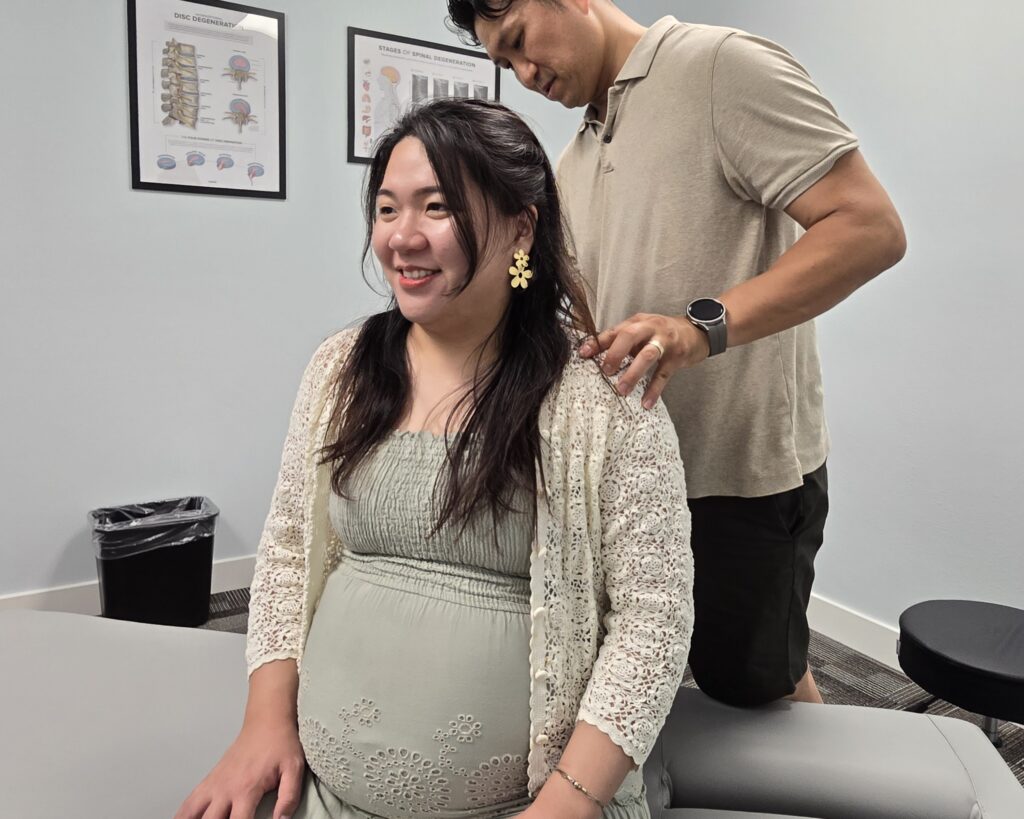
Manual therapy techniques may also be part of your recovery plan. These hands-on methods can alleviate pain, improve circulation, and facilitate healing. Your therapist might use joint mobilization or soft tissue manipulation to address tension and discomfort.
Another key component of physical therapy is education. Your therapist will teach you about proper body mechanics and strategies to modify your activities, ensuring you avoid re-injury. Don't underestimate the importance of this knowledge; understanding how to move safely can empower you in your training.
Finally, remember that recovery takes time. Be patient and stay committed to your therapy program, as it's vital for a successful return to your sport. With dedication and the right techniques, you can bounce back stronger than ever.
Massage Therapy Benefits
Massage therapy offers numerous benefits for athletes recovering from injuries. When you incorporate massage into your recovery routine, you can experience improved circulation, which helps deliver essential nutrients to damaged tissues. This increased blood flow accelerates healing, allowing you to get back to your sport faster.
Moreover, massage therapy helps reduce muscle tension and stiffness. After an injury, your muscles may tighten up as a protective mechanism, but this can limit your mobility. A skilled massage therapist can work on these areas, promoting flexibility and easing discomfort. You'll likely find that regular sessions make it easier to move and perform at your best.
Another significant benefit is the reduction of pain. By targeting specific muscle groups, massage can help alleviate pain caused by strained muscles or other injuries. This relief can't only improve your physical comfort but also enhance your mental well-being, allowing you to focus on rehabilitation rather than discomfort.
Additionally, massage therapy can boost your overall recovery process by promoting relaxation. Stress and anxiety can hinder your rehabilitation, but a calming massage can help you unwind, fostering a positive mindset. This mental state is essential for effective recovery and performance improvement.
Lastly, engaging in massage therapy can also encourage better sleep patterns. Quality sleep is crucial for recovery, and massage can help you achieve that restful state. By incorporating massage into your routine, you'll find yourself feeling rejuvenated and ready to tackle your training efforts with renewed vigor.
Cryotherapy for Recovery
Cryotherapy is an increasingly popular technique for athletic recovery, offering a unique way to alleviate pain and reduce inflammation. This method involves exposing your body to extremely cold temperatures for a short period, typically between two to three minutes. You might think it sounds uncomfortable, but many athletes find the immediate effects quite invigorating.
When you undergo cryotherapy, your blood vessels constrict due to the cold. This process helps to minimize swelling and inflammation, which can greatly speed up your recovery time after intense workouts or injuries. By reducing blood flow to inflamed areas, you can experience relief from muscle soreness and stiffness.
Plus, the cold exposure triggers the release of endorphins, giving you a natural mood boost.
Another benefit you may notice is improved athletic performance. Regularly incorporating cryotherapy into your routine can enhance your endurance and reduce your risk of injuries. Athletes often report feeling more energized and ready to tackle their next training session after a cryotherapy session.
It's essential to remember that while cryotherapy can be an effective recovery tool, it should complement other recovery techniques, like proper nutrition and hydration. You should consult a healthcare professional before trying cryotherapy, especially if you have underlying health conditions.
Incorporating cryotherapy into your recovery strategy can be a game-changer, helping you bounce back faster and perform at your best.
Compression and Elevation
Compression and elevation are two powerful techniques that can greatly aid in reducing swelling and promoting recovery after sports injuries. When you experience an injury, inflammation is your body's natural response, but excessive swelling can hinder your healing process. By applying compression, you can help manage that swelling effectively.
Using a compression bandage or wrap can apply gentle pressure to the injured area. This pressure helps limit excessive swelling by preventing fluid accumulation. Make sure you wrap it snugly but not too tight; you should still be able to move your toes or fingers without discomfort. If you notice increased pain, numbness, or a change in color, it's a sign the wrap might be too tight.
Elevation is another essential component of recovery. When you elevate the injured area above the level of your heart, gravity assists in reducing blood flow to the site, which further minimizes swelling. Prop up your injury with pillows or cushions, ensuring it's comfortably supported.
Try to keep the area elevated for at least 20 minutes at a time, several times a day, especially during the first few days post-injury.
Combining compression and elevation can considerably enhance your recovery efforts. You'll not only feel more comfortable but also set a solid foundation for healing.
Active Rest and Rehabilitation
Active rest and rehabilitation are essential to your recovery journey after a sports injury. While it might seem counterintuitive to stay active when you're hurt, engaging in gentle movements can actually expedite your healing process. Instead of completely resting, you'll focus on low-impact activities that maintain your strength and flexibility without aggravating your injury.
Incorporating activities like swimming or cycling can help keep your blood flowing and promote healing. These activities reduce the stress on your injured area while allowing you to stay fit.
You'll also want to work on rehabilitation exercises tailored to your specific injury. These exercises strengthen the muscles around the injured site, enhance mobility, and prevent future injuries.
An experienced physical therapist can guide you through a rehabilitation program designed just for you. They'll assess your injury and develop a customized plan that gradually increases in intensity as you heal.
Remember to listen to your body; if something doesn't feel right, it's vital to stop and reassess.
Active rest isn't just about physical activity; it also involves mental recovery. Staying positive and focused on your rehabilitation can make a significant difference in your outlook and motivation.
Conclusion
Incorporating these top sports injury relief techniques into your recovery routine can make a significant difference in how quickly you bounce back. Whether you're benefiting from physical therapy, enjoying the soothing effects of massage, or embracing the chill of cryotherapy, each method plays an important role in your healing. Don't forget about compression, elevation, and active rest—they're essential for minimizing swelling and promoting recovery. By using these techniques, you'll be on your way to peak performance in no time.