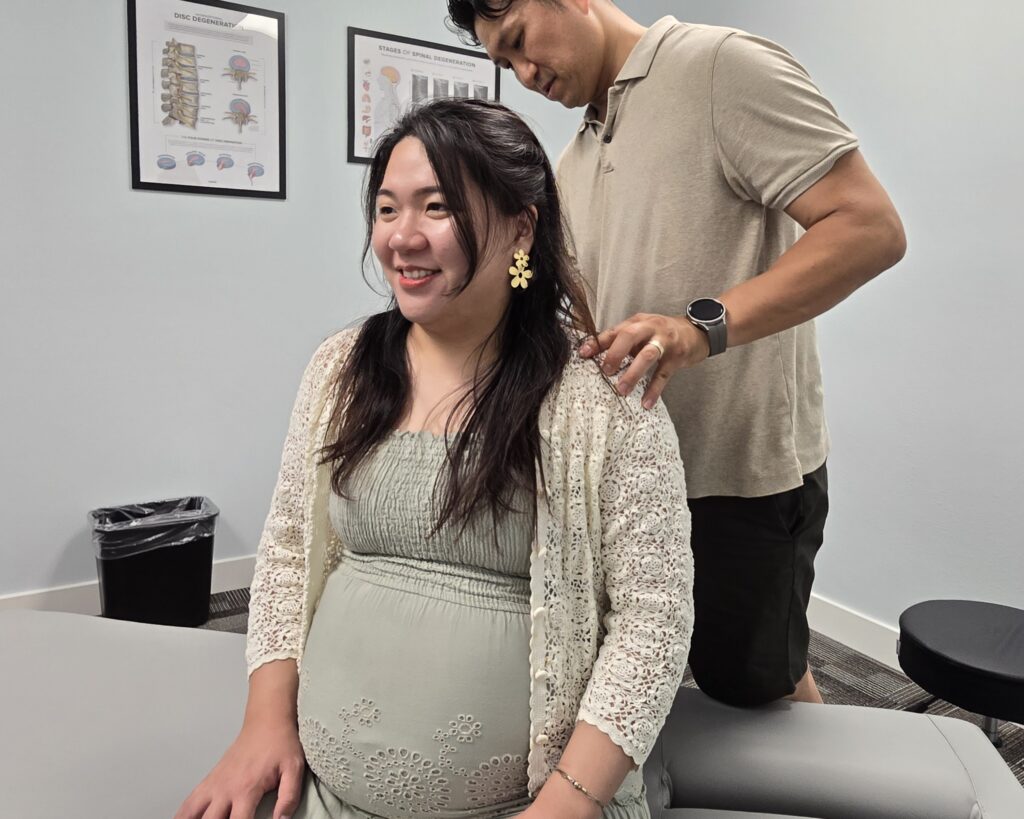

You might not realize it, but your posture plays an essential role in your overall health and well-being. Poor posture can lead to a variety of issues, from chronic pain to decreased lung function, and it's more common than you think. Choosing care to improve your posture isn't just about standing up straight; it can transform how you feel and function daily. So, what are the practical steps you can take to address these concerns effectively? Let's explore the options that could lead you to a healthier, more confident you.
Understanding Posture's Importance
Many people underestimate the importance of posture, but it plays a crucial role in your overall health. Good posture aligns your bones and joints, allowing your muscles to work efficiently. When you sit or stand properly, you reduce the strain on your muscles and ligaments, preventing unnecessary fatigue and discomfort.
You mightn't realize it, but how you hold your body affects your energy levels and productivity throughout the day.
Maintaining good posture can also improve your breathing. When you sit or stand tall, your lungs have more room to expand, allowing you to take deeper breaths. This increased oxygen intake can enhance your concentration and mental clarity.
You may find that with better posture, you're not only feeling physically better but also mentally sharper.
Furthermore, proper posture can boost your confidence. When you carry yourself well, you project an image of self-assuredness that can influence how others perceive you. This newfound confidence can positively impact both your personal and professional relationships.
Lastly, understanding posture's importance can help you prevent long-term health issues. Poor posture can lead to chronic pain, reduced mobility, and even issues with your digestive system.
Common Causes of Poor Posture
Identifying the common causes of poor posture is essential for making improvements. You might be surprised to learn that your daily habits play a significant role in how you carry yourself. One of the most prevalent culprits is prolonged sitting, especially if you spend hours hunched over a computer or slouching on the couch. This habit can lead to muscle imbalances that encourage poor posture over time.
Another common cause is the use of mobile devices. Constantly looking down at your phone can create a condition known as "text neck," which strains your neck and shoulders. If you're not mindful of your posture while using these devices, you may find yourself developing chronic discomfort.
Inadequate core strength is also a major factor. When your core muscles aren't strong enough to support your spine, it can lead to slumping or over-arching your back.
Additionally, wearing improper footwear, like high heels or unsupportive shoes, can alter your alignment and contribute to poor posture.
Lastly, stress and fatigue can make you more prone to slouching. When you're tense, you may unconsciously tighten your muscles and shift into a less-than-ideal position.
Recognizing these factors in your daily life is the first step toward correcting your posture. By understanding what leads to poor posture, you can start making conscious changes to improve your alignment and overall well-being.
Health Risks Associated With Poor Posture
When you slouch or adopt poor posture, you mightn't realize the health risks that come with it.
Chronic pain, trouble breathing, and digestive issues can all stem from how you hold your body.
It's important to recognize these consequences to make the necessary changes for your well-being.
Chronic Pain Development
Poor posture can lead to chronic pain that affects your daily life. When you slouch or sit improperly, you place unnecessary strain on your muscles and joints. Over time, this strain can develop into persistent discomfort, making even simple tasks feel overwhelming.
You might notice pain in your neck, back, or shoulders, which can distract you from focusing on work or enjoying leisure activities. Ignoring poor posture doesn't just result in temporary soreness; it can also create muscle imbalances. Your body starts compensating for these imbalances, leading to further issues, such as tension headaches or radiating pain down your limbs.
This cycle of discomfort can limit your mobility and reduce your overall quality of life. Addressing poor posture early is essential to preventing chronic pain. By becoming aware of your body mechanics and making small adjustments, you can alleviate the stress on your muscles and joints.
Implementing corrective exercises and ergonomic solutions can be transformative, allowing you to reclaim comfort and functionality in your daily routine. Prioritizing your posture today can help you avoid the long-term consequences of chronic pain tomorrow.
Impaired Breathing Function
Chronic pain isn't the only concern tied to poor posture; it can also impair your breathing function. When you slouch or hunch over, you compress your lungs and diaphragm, limiting their ability to expand fully. This restriction can lead to shallow breathing, reducing the amount of oxygen your body gets and making you feel fatigued and sluggish.
As your posture worsens, you'll likely find it harder to take deep, satisfying breaths. This can affect your overall energy levels and even your ability to focus. You might notice that you feel more anxious or stressed, as shallow breathing can trigger a fight-or-flight response in your body.
So, it's vital to address your posture not just for your back but for your overall well-being. Improving your posture can lead to deeper, more efficient breathing. By sitting or standing tall, you allow your lungs to function effectively, increasing oxygen intake and promoting a sense of calm.
Simple adjustments, like being mindful of your alignment throughout the day, can make a significant difference. Prioritizing good posture is a step toward better breathing and, ultimately, a healthier you.
Reduced Digestive Efficiency
Over time, slouching can negatively impact your digestive efficiency.
When you hunch over, the pressure on your abdominal organs increases, making it harder for your body to process food properly. This can lead to a range of digestive issues, and you mightn't even realize the connection to your posture.
You could experience:
- Bloating: Poor posture can compress your stomach, leading to discomfort and gas buildup.
- Constipation: Slouching can hinder the movement of food through your intestines, slowing down digestion.
- Acid Reflux: A bent spine may cause your stomach acid to flow back up into your esophagus, leading to heartburn.
Benefits of Improved Posture
When you improve your posture, you can experience enhanced physical health and reduced discomfort in your body.
Better alignment can lead to increased energy levels and less strain on your muscles.
Plus, standing tall can give your confidence a significant boost, making you feel more self-assured in any situation.
Enhanced Physical Health
Maintaining good posture can greatly enhance your physical health. When you sit or stand up straight, you not only look more confident, but you also support your body's natural alignment.
This alignment can lead to a variety of health benefits that can improve your overall well-being.
Here are some key benefits of improved posture:
- Reduced Pain: Good posture can alleviate strain on your muscles and joints, reducing discomfort in your back, neck, and shoulders.
- Better Breathing: When you maintain an upright position, your lungs have more room to expand, allowing for deeper and more efficient breathing.
- Improved Digestion: Proper alignment can help your digestive organs function more effectively, reducing issues like bloating and indigestion.
Boosted Confidence Levels
Good posture doesn't just benefit your physical health; it also plays a significant role in boosting your confidence levels. When you stand tall with your shoulders back and head held high, you project an image of self-assurance. This can change how others perceive you and how you see yourself.
Think about it: when you walk into a room with good posture, you're likely to feel more empowered and ready to engage. It's not just about appearance; it's about how your body communicates with your mind. Research shows that adopting an upright posture can elevate your mood and decrease feelings of anxiety.
Moreover, good posture encourages deeper breathing, which increases oxygen flow to your brain, making you feel more alert and focused. This heightened awareness can lead to better decision-making and more effective communication.
Role of Physical Therapy
Physical therapy plays an essential role in improving posture by addressing musculoskeletal imbalances and strengthening the body's support systems.
When you engage in physical therapy, you're not just learning exercises; you're gaining insights into how your body works and how to make it work better for you. Therapists evaluate your posture and identify specific weaknesses or tight areas that may contribute to poor alignment.
Here's how physical therapy can help you:
- Customized Exercise Plans: Your therapist designs a tailored program that focuses on your unique posture issues, helping you strengthen key muscle groups and improve flexibility.
- Education on Body Mechanics: You'll learn proper body mechanics, which can prevent future injuries and promote healthier habits in daily activities.
- Manual Therapy Techniques: Therapists often use hands-on techniques to relieve tension in muscles and improve joint mobility, directly impacting your overall posture.
Ergonomic Workspace Adjustments
To improve your posture while working, adjusting your desk height is essential.
A properly set desk allows your arms to rest comfortably, reducing strain on your shoulders.
Additionally, investing in a chair with good support features can make a significant difference in your overall comfort and alignment.
Desk Height Optimization
A well-adjusted desk height can greatly enhance your comfort and productivity while working. When your desk is at the right height, you can maintain a neutral posture, reducing strain on your back, neck, and wrists.
To achieve this, consider the following tips:
- Elbow Position: Your elbows should be at a 90-degree angle or slightly obtuse when typing. This helps prevent wrist strain.
- Monitor Height: The top of your monitor should be at or slightly below eye level. This keeps your neck in a neutral position and reduces eye strain.
- Foot Placement: Your feet should rest flat on the floor or on a footrest. This helps maintain stability and proper circulation.
Adjusting your desk height doesn't have to be complicated. Use an adjustable desk or riser to find the perfect fit for your body.
Chair Support Features
Support is essential for maintaining comfort and preventing fatigue during long hours at your desk, and the right chair can make all the difference. An ergonomic chair with adjustable features can greatly enhance your sitting experience.
Look for a chair that offers lumbar support, as it helps maintain the natural curve of your spine, reducing strain on your back.
Adjustable seat height is another vital feature. It allows you to position your chair so your feet rest flat on the floor, promoting proper posture. Armrests that can be adjusted in height and width also contribute to comfort by reducing tension in your shoulders and neck.
Moreover, a chair with a reclining feature lets you shift your weight and relieve pressure, which is important for long-term comfort. Consider a chair with breathable fabric to keep you cool during those extended work sessions.
Ultimately, investing in a chair with these support features isn't just about comfort; it's about creating a workspace that encourages better posture and productivity.
Make these adjustments, and you'll notice a considerable difference in how you feel throughout your workday.
Exercises for Better Posture
Improving your posture starts with incorporating specific exercises into your routine. By dedicating just a few minutes each day to targeted movements, you can strengthen key muscle groups and promote better alignment.
Here are three effective exercises you can easily integrate into your day:
- Wall Angels: Stand with your back against a wall, feet about six inches away. Press your lower back, head, and shoulders against the wall. Raise your arms to form a "W" shape, keeping them and your wrists in contact with the wall. Slowly slide your arms up to form a "Y," then return to the starting position. Repeat for 10 reps.
- Plank: Get into a push-up position, resting on your forearms instead of your hands. Keep your body in a straight line from head to heels, engaging your core. Hold this position for 20-30 seconds, gradually increasing your time as you gain strength.
- Cat-Cow Stretch: Start on all fours, with your wrists aligned under your shoulders and knees under your hips. Inhale, arch your back, and lift your head and tailbone (Cow). Exhale, round your spine, tucking your chin and pelvis (Cat). Alternate between these two positions for 5-10 breaths.
Mindfulness and Posture Awareness
Practicing mindfulness can markedly enhance your posture awareness throughout the day. When you focus on being present in the moment, you become more attuned to how your body feels and moves. This heightened awareness allows you to notice when you're slouching or leaning in awkward positions, prompting you to make necessary adjustments.
Start by incorporating simple mindfulness techniques into your daily routine. For instance, take a few moments each hour to check in with your body. Ask yourself how you're sitting or standing. Are your shoulders relaxed? Is your spine aligned? By consciously evaluating your posture, you can quickly correct any misalignments, reducing the risk of discomfort or injury.
Mindfulness also encourages you to breathe deeply and evenly. This can help release tension in your muscles, allowing for a more natural and comfortable posture. When you're relaxed, you're less likely to hunch your shoulders or tense your neck.
Consider practicing mindfulness during everyday activities, like walking or working at your desk. Focus on how your body engages with the environment. Are you leaning too far forward? Is your neck straining to see the screen? Regularly checking in with your posture can lead to lasting improvements.
Incorporating mindfulness into your life not only benefits your physical posture but also promotes a more balanced and centered way of being. By being consistently aware of your body, you'll cultivate healthier habits that support better posture over time.
The Impact on Mental Health
Posture isn't just about physical alignment; it greatly influences your mental health as well. When you maintain a good posture, you're not only improving your physical well-being but also boosting your mood and mental clarity.
You mightn't realize it, but the way you carry yourself can have a profound effect on how you feel and think.
Here are three key ways that good posture impacts your mental health:
- Increased Confidence: Standing tall and sitting upright naturally enhances your self-esteem. When you adopt an open posture, you signal to yourself and others that you're confident and ready to take on challenges.
- Reduced Stress: Poor posture can lead to discomfort and pain, which often translates into stress. By simply correcting your posture, you can alleviate tension in your body, making it easier to stay calm and focused.
- Better Mood: Research shows that body language affects your emotions. When you sit or stand with proper posture, you're more likely to feel positive and energetic. It's a simple yet effective way to lift your spirits throughout the day.
Long-term Strategies for Success
To maintain good posture in the long run, it's vital to incorporate consistent habits into your daily routine. Start by being mindful of your posture throughout the day. Whether you're sitting at a desk, standing in line, or walking, check in with your body. Are your shoulders back? Is your spine aligned? Simple reminders can help you stay aware.
Next, consider integrating posture exercises into your weekly fitness regimen. Strengthening your core, back, and shoulder muscles can provide the support your spine needs. Activities like yoga or Pilates not only enhance flexibility but also improve body awareness, making it easier to maintain proper posture effortlessly.
Don't forget about your workspace. Ergonomics play a significant role in your posture while working. Confirm your chair, desk, and computer setup support a healthy alignment. Adjust the height of your chair and monitor to keep your neck and back aligned.
Lastly, take breaks regularly. Sitting for extended periods contributes to slouching and muscle fatigue. Stand up, stretch, or walk around every hour to reset your posture and keep your muscles engaged.
Conclusion
Incorporating care for improved posture into your routine can transform not just your physical health, but your overall well-being. By addressing the root causes of poor posture and utilizing professional guidance, you're setting yourself up for long-term success. Embrace exercises, mindfulness, and the benefits of physical therapy to cultivate a healthier spine and enhance your daily life. Remember, investing in your posture is an investment in your future health, confidence, and productivity.