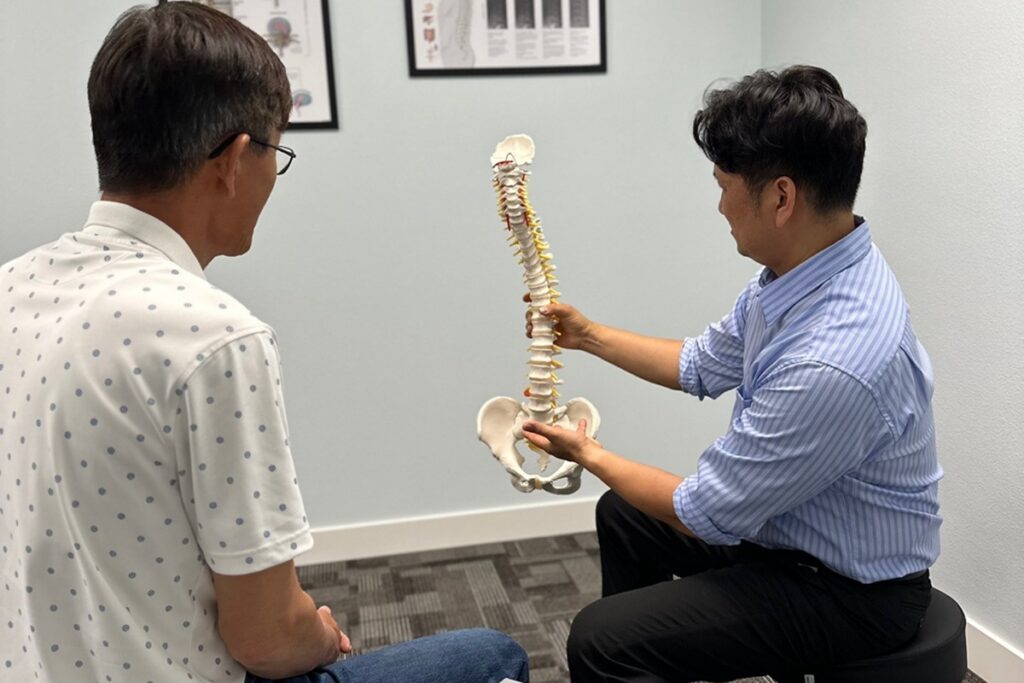

Managing chronic pain can feel overwhelming, but you don't have to rely solely on medication. There are several natural strategies you can incorporate into your daily life to help alleviate discomfort and enhance your well-being. From adjusting your diet to exploring alternative therapies, these methods offer a holistic approach to pain management. As you consider these options, you might discover some surprising techniques that could change your experience with pain. So, what are the seven effective ways to tackle this challenge naturally? Let's explore them together.
Dietary Adjustments
Making dietary adjustments can greatly impact your experience with chronic pain. The foods you eat can either help reduce inflammation or exacerbate it, so it's essential to choose wisely. Start by incorporating anti-inflammatory foods into your diet. Think about adding fruits and vegetables, especially berries, leafy greens, and cruciferous veggies. These are packed with antioxidants and essential nutrients that can help combat inflammation.
Don't forget about healthy fats. Omega-3 fatty acids, found in fish like salmon and in flaxseeds and walnuts, are known for their anti-inflammatory properties. You might also want to take into account spices like turmeric and ginger, which have been shown to reduce pain and inflammation. A little creativity in the kitchen can make these foods enjoyable.
On the flip side, it's important to limit or eliminate foods that can trigger inflammation. Processed foods, refined sugars, and trans fats often contribute to increased pain levels. Try to reduce your intake of these items, as they might be working against you. Instead, focus on whole, unprocessed foods that nourish your body.
Staying hydrated is another aspect you shouldn't overlook. Drinking enough water helps flush out toxins and keeps your joints lubricated. Aim for at least eight glasses a day, adjusting based on your activity level and climate.
Regular Exercise
Incorporating regular exercise into your routine can greatly enhance your ability to manage chronic pain. It may seem counterintuitive to move when you're in pain, but exercise can actually help reduce discomfort and improve your overall well-being.
When you engage in physical activity, you release endorphins, which are natural pain relievers. Plus, staying active can help maintain mobility and prevent stiffness.
Here are some effective ways to integrate exercise into your daily life:
- Start Slow: If you're new to exercise, begin with gentle activities like walking or stretching. Gradually increase the intensity as your body allows.
- Choose Low-Impact Options: Activities such as swimming, cycling, or yoga can provide significant benefits without putting too much strain on your joints.
- Set Realistic Goals: Aim for achievable targets, like exercising for 10-15 minutes a day. Celebrate your progress, no matter how small!
- Listen to Your Body: Pay attention to how your body reacts to different exercises. If something doesn't feel right, don't hesitate to adjust or switch to another activity.
Mindfulness and Meditation
Mindfulness and meditation can offer powerful tools for managing chronic pain.
By practicing these techniques, you can reduce stress and enhance your overall well-being.
Let's explore the benefits of mindfulness, some effective meditation techniques, and how to incorporate these practices into your daily routine.
Benefits of Mindfulness
Harnessing the power of mindfulness can transform your approach to managing chronic pain. By focusing on the present moment, you can shift your attention away from discomfort and cultivate a sense of calm. Mindfulness helps you develop a new perspective on pain, making it more manageable.
Here are four key benefits of practicing mindfulness:
- Increased Awareness: You learn to recognize pain signals without judgment, allowing you to respond more effectively rather than react impulsively.
- Stress Reduction: Mindfulness practices lower stress levels, which can lessen the intensity of your pain and improve your overall well-being.
- Emotional Regulation: By fostering a non-reactive mindset, you gain better control over emotions that may exacerbate your pain, such as anxiety or frustration.
- Improved Quality of Life: As you become more mindful, you'll likely experience a greater sense of peace and satisfaction, enhancing your daily experiences despite the challenges of chronic pain.
Incorporating mindfulness into your daily routine can lead to significant improvements in how you cope with chronic pain, empowering you to take charge of your health.
Meditation Techniques Explained
Exploring various meditation techniques can enhance your mindfulness practice and provide effective tools for managing chronic pain. One powerful method is focused attention meditation, where you concentrate on a specific object, sound, or your breath. This helps train your mind to stay present, reducing pain-related anxiety.
Another technique is body scan meditation. In this practice, you mentally scan your body from head to toe, noticing areas of tension or discomfort. Acknowledging these sensations without judgment can create a sense of acceptance, easing your pain experience.
Loving-kindness meditation is also beneficial. By cultivating feelings of compassion toward yourself and others, you can foster emotional resilience. This positive mindset can help combat the negative feelings often associated with chronic pain.
Lastly, try guided meditation, where a teacher leads you through the process. Many apps offer sessions specifically designed for pain relief, making it easier for you to stay engaged and focused.
Incorporating these techniques into your routine can help you develop a deeper understanding of your body and mind, ultimately empowering you to manage your chronic pain more effectively.
Incorporating Practices Daily
Integrating mindfulness and meditation into your daily routine can greatly impact how you manage chronic pain. By focusing your mind and calming your body, you can create a powerful tool for alleviating discomfort and enhancing your overall well-being.
Here are four practical ways to incorporate these practices into your life:
- Morning Mindfulness: Start each day with a few minutes of mindful breathing. Focus on your breath and set an intention for the day.
- Scheduled Breaks: Take regular breaks to practice mindfulness during your day. Set a timer to remind you to pause, breathe deeply, and reset your mind.
- Guided Meditation: Use apps or online resources for guided meditations. Aim for at least 10-15 minutes of meditation daily to help reduce stress and tension.
- Evening Reflection: Before bed, spend time reflecting on the day. Acknowledge any pain you experienced, but also focus on positive moments to foster gratitude and peace.
Herbal Remedies
If you're seeking natural ways to alleviate chronic pain, herbal remedies might be worth considering. Many plants have been used for centuries to help manage pain and promote healing. You can explore these options to potentially find relief.
One popular herbal remedy is turmeric, which contains curcumin. This compound has anti-inflammatory properties that may help reduce pain, especially for conditions like arthritis. You can add turmeric to your meals or take it as a supplement.
Another option is ginger, known for its anti-inflammatory effects as well. Drinking ginger tea or incorporating fresh ginger into your cooking may provide soothing benefits.
Willow bark is another traditional remedy that some use for pain relief. It contains salicin, which is similar to aspirin. It's often taken in tea form or as a supplement. However, be cautious if you're allergic to aspirin or have certain medical conditions.
Devil's claw is also gaining attention for its potential to alleviate pain, particularly in arthritis and lower back pain. You can find it in capsule or tea form, but consult with a healthcare provider before use.
Finally, consider boswellia, an herbal extract from the resin of the boswellia tree. It may help reduce inflammation and improve mobility.
While herbal remedies can be beneficial, it's essential to talk to your doctor before starting any new treatment, especially if you're on medication or have existing health issues. By incorporating these natural options, you might just find the relief you're looking for.
Acupuncture Therapy
Acupuncture therapy often provides a powerful way to manage chronic pain naturally. This ancient practice involves inserting thin needles into specific points on your body, stimulating your body's natural healing processes.
If you're considering acupuncture, here are some key benefits you might experience:
- Pain Relief: Many people report significant reduction in pain levels after just a few sessions. Acupuncture can help alleviate conditions like arthritis, back pain, and migraines.
- Improved Circulation: The stimulation from acupuncture can enhance blood flow, promoting healing and reducing inflammation in affected areas.
- Reduced Stress and Anxiety: Acupuncture is known to release endorphins, the body's natural painkillers, which can also help relieve stress and improve your overall mood.
- Holistic Approach: Instead of just treating symptoms, acupuncture addresses the root cause of your pain, focusing on restoring balance within your body.
To get started, find a qualified acupuncturist who can tailor the treatment to your specific needs. They'll conduct an initial consultation to understand your pain and health history, ensuring you receive personalized care.
Most importantly, be open to the process; results can vary, and consistency is key. With regular sessions, you may discover that acupuncture not only alleviates your chronic pain but also enhances your overall well-being.
Heat and Cold Therapy
When managing chronic pain, heat and cold therapy can be powerful tools in your toolkit.
Heat therapy helps increase blood flow and relax muscles, while cold therapy can reduce inflammation and numb sharp pain.
Understanding how to use these therapies effectively can greatly enhance your pain management strategy.
Benefits of Heat Therapy
Heat therapy can be a powerful ally in managing chronic pain, providing soothing relief to aching muscles and joints. By applying heat, you can improve blood circulation, relax tight muscles, and alleviate discomfort.
Here are some benefits of incorporating heat therapy into your pain management routine:
- Muscle Relaxation: Heat helps to loosen tight muscles, allowing for improved flexibility and reduced tension.
- Increased Blood Flow: The warmth stimulates blood circulation, which can promote healing by delivering essential nutrients and oxygen to the affected areas.
- Pain Reduction: Heat therapy can dull the sensation of pain, making it easier for you to engage in daily activities without discomfort.
- Stress Relief: The soothing nature of heat can help you relax mentally and physically, reducing stress levels that often contribute to chronic pain.
You can use a heating pad, warm towel, or take a hot bath to experience these benefits.
Just remember to avoid excessive heat to prevent burns, and always listen to your body's signals.
With heat therapy, you might find a more manageable way to cope with your chronic pain.
Advantages of Cold Therapy
Cold therapy can really help you tackle chronic pain by reducing inflammation and numbing sore areas. When you apply cold packs or ice to the affected region, you can greatly decrease swelling and slow down nerve signals, which helps alleviate pain. This is particularly beneficial for acute injuries, like sprains or strains, where inflammation is a primary concern.
Using cold therapy isn't just limited to injuries; it can also assist with chronic conditions such as arthritis. By incorporating cold packs into your routine, you can experience relief during flare-ups. Just remember to wrap the ice or cold pack in a cloth to avoid skin damage.
You might also find it effective to alternate cold and heat therapy. This combo can enhance overall relief, as cold reduces inflammation while heat promotes blood flow.
Moreover, cold therapy is an excellent option because it's easy to do at home. You don't need special equipment; a bag of frozen peas or a cold towel can do the trick.
Try setting aside some time to implement cold therapy into your pain management strategy—your body will thank you!
Sleep Hygiene Practices
Many people underestimate the impact of sleep hygiene on managing chronic pain. Good sleep can greatly reduce your pain levels and improve your overall quality of life. By establishing healthy sleep habits, you can create an environment that promotes restorative rest, which is essential when dealing with chronic pain.
Here are four effective sleep hygiene practices to keep in mind:
- Create a Consistent Sleep Schedule: Go to bed and wake up at the same time every day, even on weekends. This regularity helps regulate your body's internal clock, making it easier to fall asleep and wake up refreshed.
- Limit Screen Time Before Bed: The blue light emitted by phones, tablets, and computers can interfere with your sleep. Aim to turn off these devices at least an hour before bedtime to allow your body to wind down.
- Optimize Your Sleep Environment: Make your bedroom as comfortable as possible. Keep the room dark, quiet, and at a cool temperature. Consider blackout curtains and a white noise machine if needed.
- Practice Relaxation Techniques: Before bed, engage in calming activities like reading, meditating, or gentle stretching. These practices can help ease your mind and prepare your body for sleep.
Incorporating these sleep hygiene practices into your routine might take some time, but the benefits for your chronic pain management can be considerable.
Prioritizing your sleep is an essential step toward feeling better.
Conclusion
Managing chronic pain naturally requires a holistic approach that combines various strategies. By making dietary adjustments, engaging in regular exercise, practicing mindfulness, and exploring herbal remedies, you can greatly improve your quality of life. Don't overlook the benefits of acupuncture, heat and cold therapy, and prioritizing sleep hygiene. Remember, it's about finding what works best for you and staying consistent. With these methods, you can take control of your pain and enhance your overall well-being.