
If you’ve ever woken up with sharp, radiating pain, tingling in your arm, or a numb sensation that just won’t quit, you know how frustrating nerve-related discomfort can be. What many people don’t realize is that the way you sleep can either help your body heal or aggravate nerve compression issues. Here in Sunnyvale, we see patients at Revive Chiropractic who struggle with pinched nerves—often made worse by sleeping positions that put unnecessary pressure on delicate nerve pathways. The good news? With a few adjustments to how you position your body at night, you can reduce irritation, improve comfort, and support your body’s natural healing process. This article will walk you through the sleeping positions to avoid if you’re prone to nerve compression, explain why these positions cause problems, and offer practical guidance on how chiropractic care can support your recovery.
What is a pinched nerve? A pinched nerve occurs when surrounding tissues—such as bones, muscles, tendons, or cartilage—apply excessive pressure to a nerve root or peripheral nerve. This compression disrupts normal nerve signaling, leading to symptoms like pain, numbness, tingling, or weakness in the affected area.
Table of Contents
- Understanding Pinched Nerves and Sleep
- The Worst Sleeping Positions for Nerve Compression
- Why Sleeping Positions Matter for Nerve Health
- Better Sleeping Alternatives to Protect Your Nerves
- How Pinched Nerve Treatment Through Chiropractic Care Can Help
- Practical Tips for Creating a Nerve-Friendly Sleep Environment
- When to See a Chiropractor for Nerve-Related Symptoms
- Sleeping Position Comparison
- Myths vs. Facts About Pinched Nerves and Sleep
- Final Thoughts
Understanding Pinched Nerves and Sleep
Your nervous system is constantly at work—even while you sleep. Nerves carry signals between your brain and every part of your body, controlling everything from movement to sensation. When a nerve becomes compressed or “pinched,” those signals get disrupted. The result can be anything from mild tingling to severe, shooting pain that interferes with daily life.
Pinched nerves commonly occur in areas where nerves pass through narrow spaces. In the neck, the cervical spine houses nerve roots that travel down into the shoulders and arms. In the lower back, nerve roots exit the lumbar spine and extend into the hips and legs. Even your wrists, where the median nerve travels through the carpal tunnel, can be vulnerable to compression.
Sleep should be a time when your body recovers and repairs itself. But when you sleep in positions that increase pressure on these vulnerable areas, you can actually worsen nerve compression. Poor alignment during sleep keeps muscles tense, joints misaligned, and nerves under sustained pressure for hours at a time. Over weeks and months, this chronic irritation can lead to persistent symptoms that don’t resolve on their own.
Many patients who come to Revive Chiropractic in Sunnyvale describe waking up with symptoms that weren’t there when they went to bed. This is often a clear sign that sleeping position is playing a major role in their discomfort. Understanding which positions to avoid is the first step toward breaking this cycle.
The Worst Sleeping Positions for Nerve Compression
Not all sleeping positions are created equal when it comes to protecting your nerves. Here are the positions that tend to cause the most problems for people prone to pinched nerves:
Sleeping on Your Stomach
Stomach sleeping is one of the most problematic positions for nerve health. When you lie face-down, your neck must rotate significantly to one side so you can breathe. This sustained rotation compresses the cervical joints on one side while overstretching the opposite side. The result is increased pressure on the nerve roots that exit the cervical spine.
Additionally, stomach sleeping flattens the natural curve of your lower back, forcing your lumbar spine into extension. This position narrows the spaces where nerve roots exit the spine, increasing the likelihood of compression in the lower back. For people with existing lumbar nerve issues, this can trigger sciatic pain or leg numbness.
The shoulder on the side you’re turned toward often bears excessive weight in this position, which can compress nerves in the shoulder girdle and contribute to rotator cuff issues or thoracic outlet syndrome.
Sleeping with Your Arm Under Your Pillow or Head
Many side sleepers tuck one arm under their pillow or rest their head directly on their arm. While this might feel comfortable initially, it creates sustained compression on the nerves and blood vessels in your arm and shoulder.
The brachial plexus—a network of nerves that runs from your neck through your shoulder and down your arm—can become compressed in this position. This is why you might wake up with your arm “asleep,” experiencing tingling, numbness, or that uncomfortable pins-and-needles sensation. Repeated compression night after night can lead to chronic nerve irritation and symptoms that persist throughout the day.
This position also pulls your shoulder forward into internal rotation, which can contribute to thoracic spine misalignment and upper back tension that further aggravates nerve pathways.
Sleeping in a Twisted or Rotated Position
Some people sleep with their upper body facing one direction while their lower body twists another way. This rotational stress on the spine creates uneven pressure on spinal discs and joints. When discs are compressed unevenly, they can bulge or herniate toward nerve roots, causing or worsening nerve compression.
The twisting motion also keeps the muscles along your spine in a state of tension throughout the night. Tight muscles can develop trigger points that refer pain along nerve pathways, mimicking or compounding true nerve compression symptoms.
Sleeping with Your Wrist Bent
For those dealing with carpal tunnel syndrome or other wrist-related nerve issues, sleeping with your wrist flexed or extended can aggravate symptoms. When your wrist is bent, the carpal tunnel—the narrow passageway on the palm side of your wrist—becomes even narrower, increasing pressure on the median nerve.
Many people unconsciously curl their wrists while sleeping, especially if they sleep with their hands tucked under their pillow or chin. This sustained compression can lead to significant nighttime and morning symptoms, including hand numbness, tingling, and weakness.
Why Sleeping Positions Matter for Nerve Health
Your spine has natural curves that help distribute weight evenly and protect the delicate nerve structures housed within and around it. The cervical spine has a gentle forward curve (lordosis), the thoracic spine curves backward (kyphosis), and the lumbar spine curves forward again. These curves aren’t just for show—they’re biomechanically essential.
When you sleep in positions that distort these natural curves, you create areas of excessive pressure and tension. Joints become misaligned, muscles strain to compensate, and the spaces where nerves exit the spine (called intervertebral foramina) can narrow. Even a small decrease in these spaces can irritate or compress nerve roots.
Additionally, prolonged static positions reduce circulation to tissues. When muscles and connective tissues don’t get adequate blood flow, they become stiff and inflamed. This inflammation can further compress nerves and slow down the healing process.
Research indicates that maintaining neutral spine alignment during sleep supports better musculoskeletal health and can reduce pain levels in people with chronic spinal conditions. While no single position works perfectly for everyone, certain principles of alignment apply universally when it comes to protecting nerve health.
At Revive Chiropractic, we help patients understand the connection between spinal alignment, nerve function, and sleep quality. When your spine is properly aligned throughout the night, your nervous system can function optimally, and your body can focus on healing rather than compensating for poor positioning.
Better Sleeping Alternatives to Protect Your Nerves
Now that you know which positions to avoid, let’s talk about better alternatives that support nerve health and spinal alignment.
Side Sleeping with Proper Support
Side sleeping is generally the most nerve-friendly position when done correctly. The key is maintaining neutral spinal alignment from your head down through your tailbone. Place a pillow between your knees to keep your pelvis level and prevent your top leg from pulling your lower back into rotation. This reduces stress on your lumbar spine and the nerve roots that exit there.
Your pillow should support your head so your neck stays in a neutral position—not tilted up or down. The goal is to keep your ear in line with your shoulder. If your pillow is too high or too low, your cervical spine will be misaligned, potentially compressing nerve roots.
Keep both arms in front of you rather than tucked under your pillow. Your bottom arm can rest comfortably on the mattress, and your top arm can drape over a pillow placed against your chest. This prevents compression of the brachial plexus and maintains better shoulder positioning.
Back Sleeping with Lumbar Support
Back sleeping is excellent for spinal alignment if you do it with proper support. Place a pillow or rolled towel under your knees to maintain the natural curve of your lower back. This slight knee elevation takes pressure off your lumbar spine and creates more space for nerve roots.
Your head pillow should support the natural curve of your neck without pushing your head too far forward. Your chin should not be pressed toward your chest, as this compresses the cervical spine. A cervical roll or contoured pillow can help maintain proper neck alignment.
Back sleeping distributes your weight evenly across your spine, reducing pressure points and allowing muscles to relax more completely. This position is particularly helpful for people with cervical nerve issues, as it avoids the rotational stress that other positions create.
Avoiding Wrist Compression
If you struggle with carpal tunnel symptoms or other wrist nerve issues, consider wearing a neutral wrist brace at night. These braces keep your wrist in a neutral position, preventing the flexion or extension that narrows the carpal tunnel during sleep.
Position your arms so they’re not bearing the weight of your body or head. Keep your wrists straight and supported, ideally resting on a pillow beside you rather than tucked under anything.
How Pinched Nerve Treatment Through Chiropractic Care Can Help
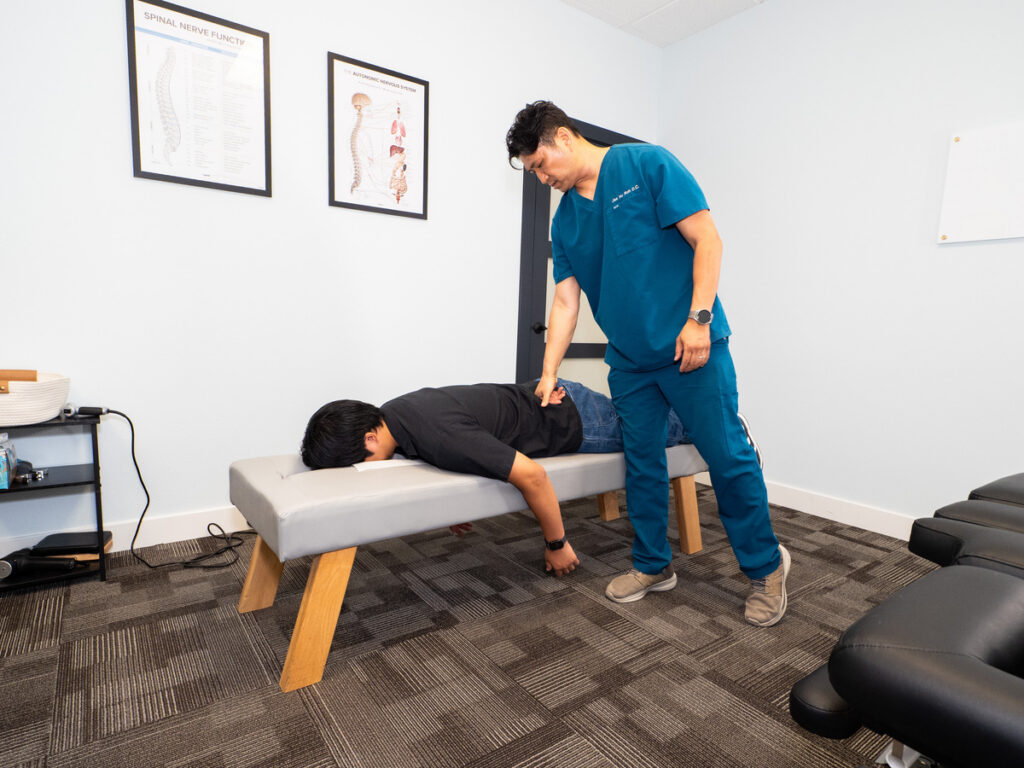
While adjusting your sleeping position is an important step, addressing the underlying causes of nerve compression often requires professional care. Pinched nerve treatment through chiropractic focuses on restoring proper alignment, reducing pressure on nerves, and supporting your body’s natural healing abilities.
At Revive Chiropractic in Sunnyvale, California, we take a thorough approach to understanding your nerve-related symptoms. We evaluate your spinal alignment, identify areas of joint restriction or misalignment, and assess how your muscles and posture may be contributing to nerve compression.
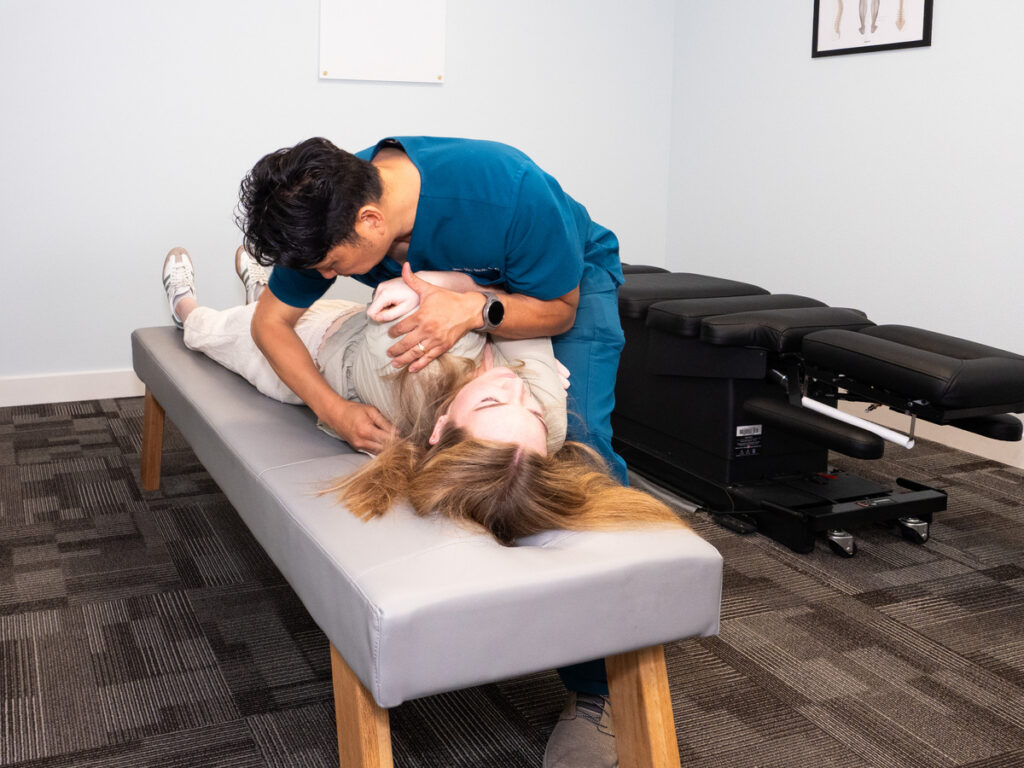
Chiropractic adjustments work by restoring normal motion and alignment to spinal joints. When vertebrae are misaligned, they can narrow the spaces where nerves exit the spine. Gentle, specific adjustments help restore these spaces and take pressure off compressed nerve roots. Many patients report significant relief after just a few visits, though the exact timeline varies based on the severity and duration of symptoms.
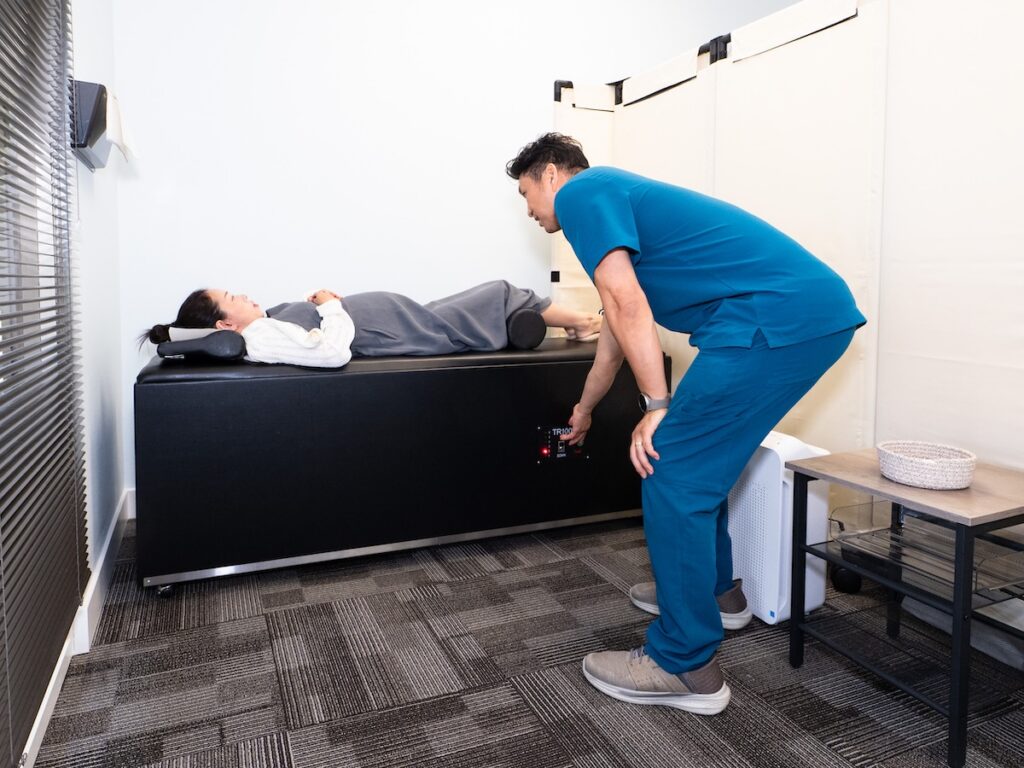
Beyond spinal adjustments, pinched nerve treatment may include soft tissue work to release tight muscles that are contributing to nerve irritation. Muscle tension can compress nerves directly or pull joints out of alignment, creating a cycle of dysfunction. By addressing both joint alignment and muscle tension, we can create lasting improvements in nerve function.
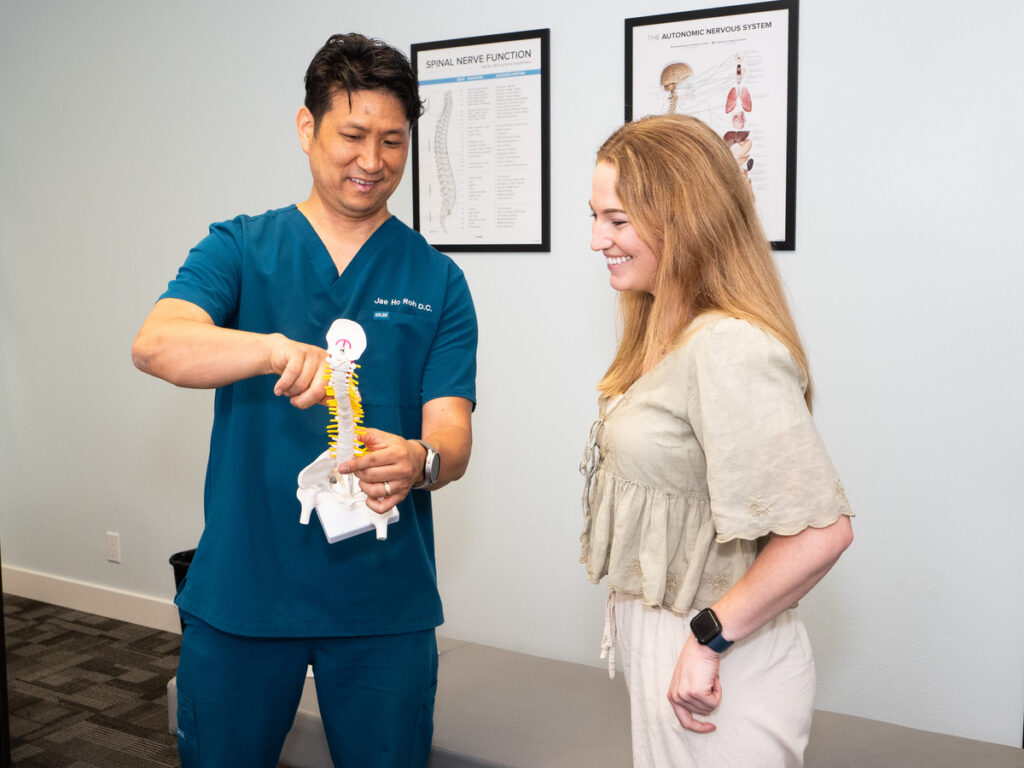
We also provide personalized guidance on sleeping positions, pillow selection, ergonomics, and exercises that support spinal health. Education is a key component of care—when you understand what’s causing your symptoms and how to avoid aggravating them, you become an active participant in your own healing.
Chiropractic care is non-invasive, drug-free, and focused on addressing root causes rather than just masking symptoms. For many people dealing with pinched nerves, it offers a safe and effective alternative to pain medications or more aggressive interventions.
Practical Tips for Creating a Nerve-Friendly Sleep Environment
Beyond changing your sleeping position, you can optimize your sleep environment to better support nerve health and recovery.
Choose the Right Mattress
Your mattress should support your spine’s natural curves without being too firm or too soft. A mattress that’s too soft allows your body to sink in unevenly, which can misalign your spine. A mattress that’s too firm may not accommodate your body’s contours, creating pressure points. Medium-firm mattresses tend to work well for most people, but personal preference and body type matter.
If your mattress is more than seven to ten years old, it may have lost its supportive qualities. Sagging or uneven areas in your mattress can force your spine into awkward positions throughout the night.
Select Supportive Pillows
Pillow selection is highly individual, but the goal remains consistent—maintain neutral alignment of your head and neck. For side sleepers, a thicker pillow that fills the space between your head and shoulder works best. For back sleepers, a thinner pillow or one with cervical support prevents your head from being pushed too far forward.
Consider using a body pillow if you’re a side sleeper. Hugging a body pillow keeps your arms in a comfortable, neutral position and prevents them from compressing nerves. It also helps maintain spinal alignment throughout the night.
Establish a Pre-Sleep Routine
Gentle stretching before bed can help release muscle tension that contributes to nerve compression. Focus on areas that tend to get tight—your neck, shoulders, hips, and lower back. Even five to ten minutes of gentle movement can make a difference in how your body feels during sleep.
Pay attention to your posture throughout the day as well. Poor daytime posture sets you up for nighttime problems. If you sit at a desk in Sunnyvale’s many tech offices, take frequent breaks to stand, stretch, and reset your posture.
Mind Your Transition into Sleep
When you first lie down, consciously position yourself in a nerve-friendly alignment. Place your pillows strategically, adjust your body position, and take a few deep breaths to allow your muscles to relax. Starting the night in good alignment increases the likelihood you’ll maintain it, even if you shift positions during sleep.
Address Underlying Stiffness and Restriction
Sometimes nerve symptoms during sleep stem from joints that aren’t moving properly or muscles that are chronically tight. Regular chiropractic care helps maintain joint mobility and muscle balance, which can significantly reduce nighttime nerve irritation. At Revive Chiropractic, we work with patients to develop care plans that address these underlying issues proactively.
When to See a Chiropractor for Nerve-Related Symptoms
Not every case of nighttime tingling or occasional discomfort requires professional intervention. However, certain signs indicate that it’s time to seek pinched nerve treatment through chiropractic evaluation.
Consider scheduling an appointment if you experience persistent symptoms that last more than a few days despite changing your sleeping position. Nerve symptoms that occur every night or wake you up regularly are worth investigating. If numbness or tingling progresses to include weakness—such as difficulty gripping objects or foot drop—seek care promptly.
Radiating pain is another important indicator. If your neck pain travels down your arm, or your lower back pain extends into your leg, this suggests nerve involvement that may benefit from professional treatment. These patterns often indicate nerve root compression that won’t resolve with home care alone.
You should also seek evaluation if your symptoms are getting worse over time or if you’ve developed new symptoms. Progressive nerve compression can lead to more serious issues if left unaddressed, including permanent nerve damage in severe cases.
Additionally, certain red flags warrant immediate medical attention. These include loss of bowel or bladder control, severe weakness in your arms or legs, numbness in your groin or inner thighs, or symptoms that follow a significant injury or trauma. While these situations are uncommon, they require urgent evaluation to rule out serious spinal cord or nerve root problems.
For most people dealing with pinched nerve symptoms related to sleep position, early intervention leads to faster resolution. The longer nerve compression persists, the more inflammation and sensitization can develop, making symptoms more stubborn and treatment more complex.
Myths vs. Facts About Pinched Nerves and Sleep
Myth: Sleeping on a harder surface will fix nerve problems
Fact: While adequate support is important, an extremely firm surface doesn’t necessarily help nerve issues and may create new pressure points. The key is maintaining spinal alignment, which requires appropriate contouring to your body’s shape. A medium-firm mattress that supports natural curves while accommodating your shoulders and hips typically works best for nerve health.
Myth: If I wake up with symptoms, it means I slept wrong that one night
Fact: While acute poor positioning can trigger symptoms, persistent nerve issues that appear during sleep usually indicate chronic underlying problems like spinal misalignment, disc issues, or cumulative postural stress. Your sleeping position may be the trigger, but addressing the root cause—often through chiropractic care—is essential for lasting relief. One night of poor sleep positioning rarely causes significant nerve compression on its own.
Myth: Nerve symptoms during sleep are just normal aging
Fact: While some degenerative changes occur with age, persistent nerve symptoms are not a normal part of aging that you must simply accept. Many older adults sleep comfortably without nerve-related discomfort. When symptoms occur, they indicate treatable problems like joint restrictions, muscle imbalances, or postural issues. Conservative care like chiropractic treatment can provide significant relief regardless of age.
Myth: I should wait to see if nerve symptoms resolve on their own
Fact: While minor, occasional tingling might resolve with position changes, persistent or worsening nerve symptoms warrant evaluation. Early intervention typically leads to faster recovery and prevents the development of chronic sensitization. Prolonged nerve compression can lead to inflammation and changes in nerve tissue that become more difficult to treat over time. Seeking pinched nerve treatment when symptoms first appear is the wise approach.
Myth: Chiropractic care is risky for people with nerve problems
Fact: Chiropractic care is specifically trained to address nerve-related conditions and is considered a safe, effective option for many types of nerve compression. Chiropractors complete extensive education in neurology, spinal biomechanics, and differential diagnosis. When properly evaluated and treated, patients with pinched nerves often experience significant improvement. Research indicates chiropractic care has a strong safety profile for musculoskeletal nerve conditions.
Final Thoughts
The way you sleep has a profound impact on your nerve health and overall spinal function. For those of us here in Sunnyvale who spend long days at desks or dealing with the stresses of daily life, protecting our nervous system during sleep becomes even more critical. Small changes to your sleeping position, pillow setup, and mattress can create meaningful improvements in how you feel both at night and throughout the day.
At Revive Chiropractic, we understand how frustrating it can be to wake up in pain or deal with numbness and tingling that interferes with your quality of life. The encouraging news is that with proper positioning, supportive care, and attention to spinal alignment, most people find significant relief from nerve-related sleep disturbances. You don’t have to accept waking up in discomfort as your new normal.
If you’re experiencing persistent nerve symptoms during sleep or upon waking, we encourage you to reach out. A thorough evaluation can identify the underlying causes of your discomfort and create a clear path toward feeling better. Whether through spinal adjustments, soft tissue work, or personalized guidance on sleep positioning and ergonomics, we’re here to help you protect your nerve health and restore comfortable, restorative sleep.
Your nervous system works tirelessly to keep you functioning optimally. Giving it the support it needs—including proper alignment during sleep—is one of the kindest things you can do for your long-term health and well-being.
FAQ
Can sleeping position alone cause a pinched nerve?
Sleeping position typically aggravates existing spinal misalignments or vulnerabilities rather than causing compression entirely on its own. However, consistently sleeping in problematic positions over months or years can contribute to cumulative stress on nerves and joints. Most pinched nerves result from a combination of factors including posture, biomechanics, previous injuries, and yes, sleeping habits.
How long does it take for a pinched nerve to heal with better sleeping positions?
Recovery timelines vary based on severity and how long the compression has been present. Some people notice improvement within days of changing positions, while others with chronic issues may need several weeks combined with chiropractic care. Consistency matters—maintaining proper alignment night after night gives your body the best opportunity to reduce inflammation and heal nerve tissue.
Should I use a special pillow for pinched nerve treatment?
Specialized cervical pillows can be helpful, particularly for neck-related nerve issues, but the most important factor is proper support that maintains neutral alignment. Your pillow choice should match your sleeping position and body proportions. During your visit to Revive Chiropractic, we can provide specific recommendations based on your individual needs and the location of your nerve symptoms.
Will changing my sleeping position cure my pinched nerve?
Position changes are an important component of recovery but rarely constitute complete treatment on their own. Most pinched nerves require addressing underlying spinal alignment issues, muscle imbalances, or joint restrictions. Think of better sleeping positions as removing an aggravating factor while chiropractic care addresses root causes—together they create the conditions for healing.
What if I unconsciously return to bad positions during sleep?
It’s common to shift positions during sleep, especially as you’re transitioning to new habits. Using supportive pillows strategically can help maintain better positioning even if you move. A body pillow for side sleepers or a pillow under your knees for back sleepers creates physical cues that discourage problematic positions. Over time, your body adapts and you’ll naturally maintain better alignment.
Can children develop pinched nerves from poor sleeping positions?
While less common than in adults, children can experience nerve irritation from sustained poor positioning, especially if they sleep in very contorted positions or have underlying spinal issues. If your child complains of numbness, tingling, or pain during or after sleep, it’s worth having them evaluated. Early attention to posture and alignment supports healthy development and prevents problems later in life.
Key Takeaways
- Stomach sleeping is the worst position for nerve health, forcing neck rotation and compressing both cervical and lumbar nerve roots—avoid it if possible
- Side sleeping with proper support (pillow between knees, neutral neck alignment, arms in front) and back sleeping with a pillow under your knees are the most nerve-friendly positions
- Sleeping with your arm under your pillow compresses the brachial plexus and should be avoided—keep arms forward with pillow support instead
- While position changes are important, addressing underlying spinal misalignment through pinched nerve treatment with chiropractic care provides more comprehensive and lasting relief
- Seek professional evaluation at Revive Chiropractic in Sunnyvale if symptoms persist more than a few days, worsen over time, include weakness, or significantly interfere with sleep quality and daily function