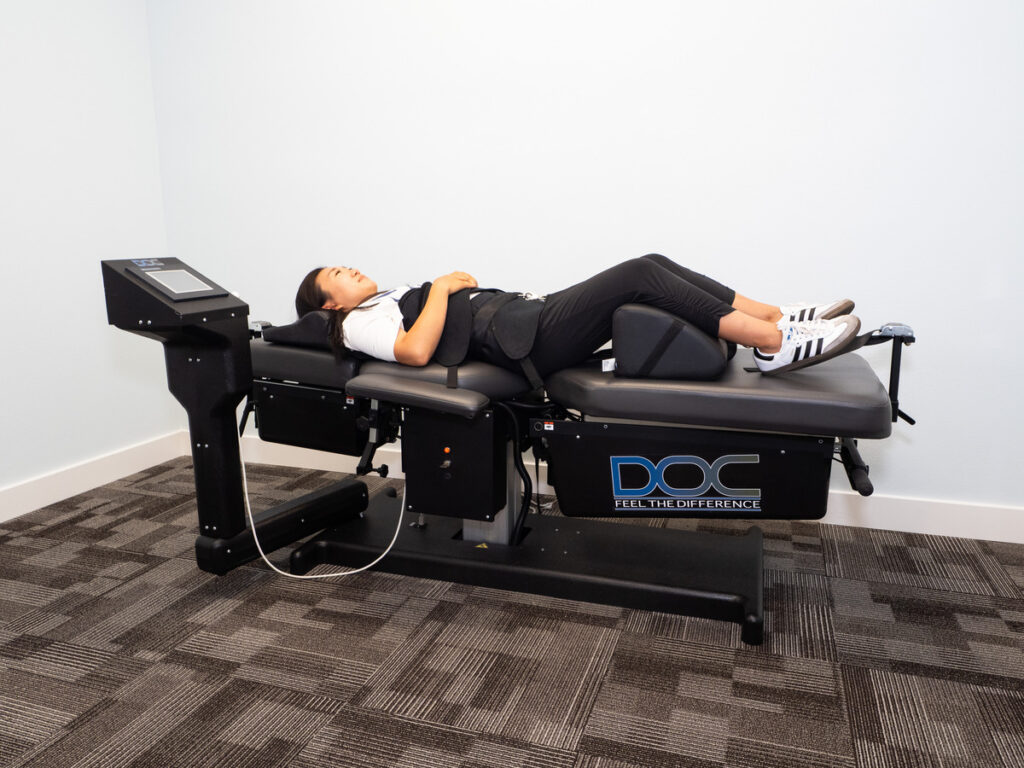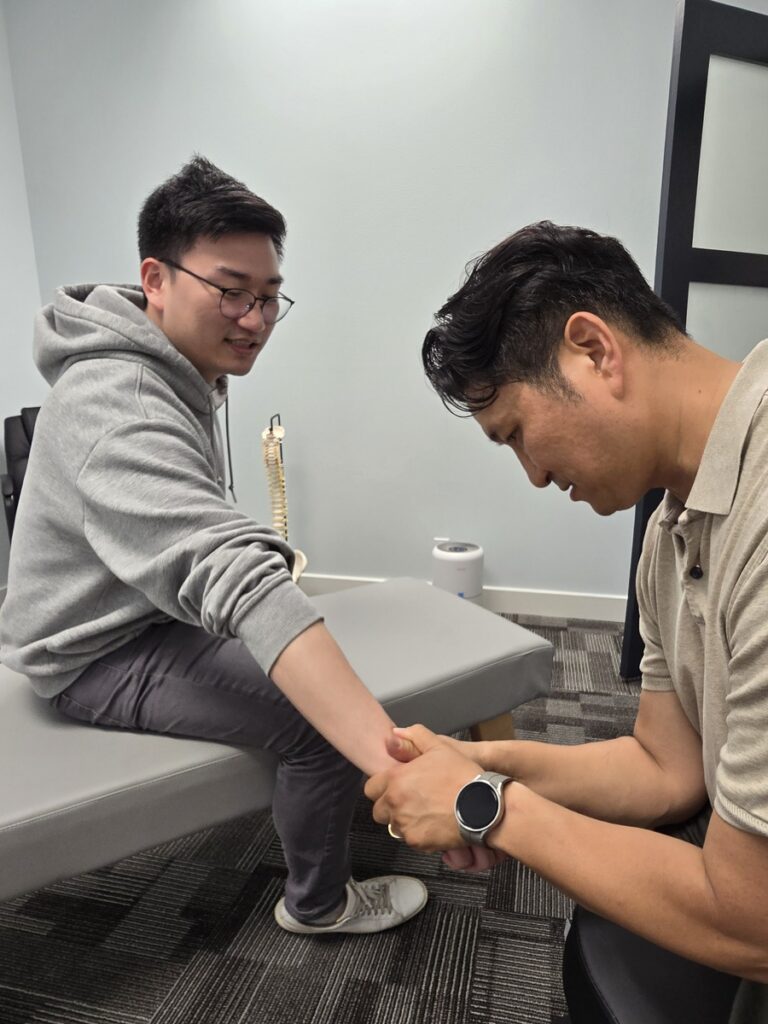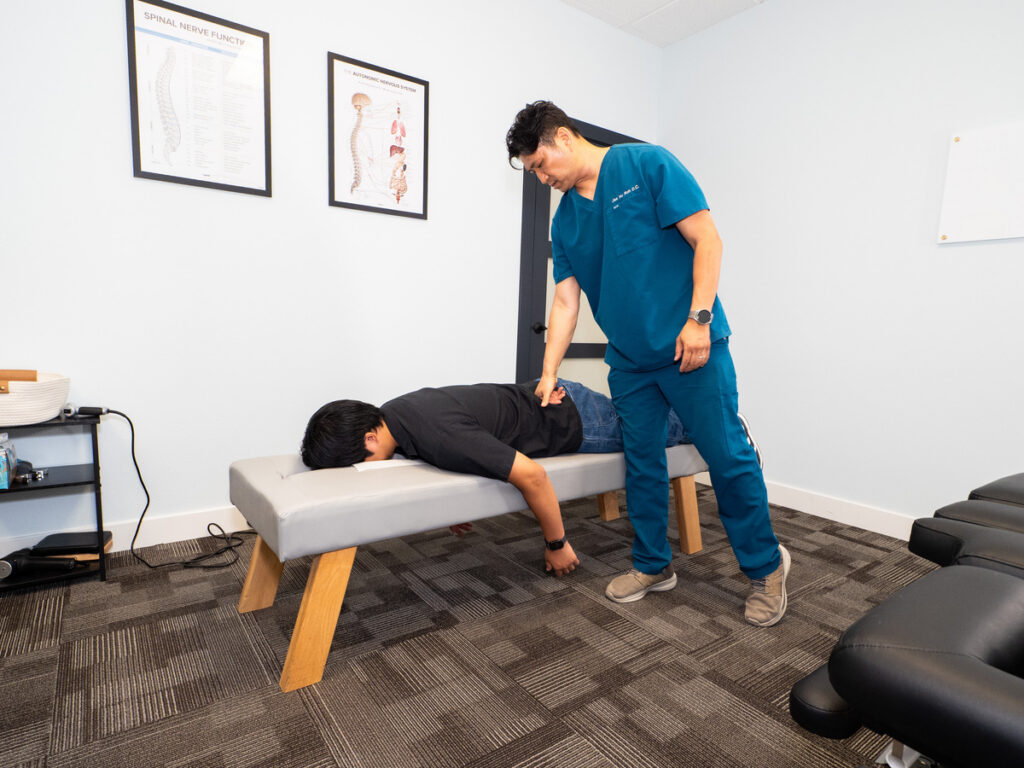

As a local chiropractor, I want to share with you an important aspect of enhancing your flexibility that goes beyond just stretching. It's about making intentional adjustments to your daily routine that can lead to profound improvements in your mobility and overall well-being. By incorporating specific exercises and mindful practices, you can significantly reduce muscle tension and enhance your range of motion.
One key element to consider is regular chiropractic adjustments. These adjustments are crucial for maintaining proper alignment in your spine and joints, which is essential for achieving peak flexibility. When your body is aligned, it functions more effectively, allowing you to move freely and comfortably.
If you're curious about how to integrate these practices into your everyday life, I'm here to help. Together, we can explore effective techniques that can seamlessly fit into your routine and provide lasting benefits for your flexibility and overall health. Let's take this journey towards better mobility together!
Understanding Flexibility
Flexibility is more than just the ability to touch your toes; it's a crucial aspect of your overall health and well-being. As a chiropractor, I often see patients who underestimate the importance of flexibility in their daily lives. When you think about flexibility, you might envision a gymnast or a yoga instructor, but it encompasses much more than just physical stretching. It involves the health of your muscles and joints, as well as your mental resilience when facing challenges.
Understanding flexibility involves recognizing its two main types: static and dynamic. Static flexibility is your capability to hold a stretch, while dynamic flexibility refers to the range of motion you have during movement. Both are vital for maintaining mobility and preventing injuries.
Several factors can influence your flexibility, including genetics, age, activity levels, and lifestyle habits. If you've been leading a sedentary lifestyle or performing repetitive motions, you may find that your flexibility has diminished.
But don't worry—it's never too late to make improvements. With the right strategies and guidance, you can enhance your flexibility.
Listening to your body is key. If you experience tightness or discomfort, it signals that your muscles may need some extra care. Incorporating regular stretching routines into your daily regimen can significantly help in maintaining and improving your flexibility.
Remember to warm up properly before stretching to minimize the risk of injury, and always respect your body's limits.
As a chiropractor, I encourage you to prioritize flexibility not just for physical benefits, but for your overall health. By improving your flexibility, you can enhance your quality of life and better manage the demands of everyday activities.
Let's work together to help you achieve a more flexible and healthier you!
Benefits of Enhanced Flexibility
As a local chiropractor, I want to share with you the incredible benefits of enhanced flexibility and how it can significantly improve your daily life. Many of my patients find that as they increase their flexibility, they experience a noticeable ease in performing everyday tasks. Simple movements, like bending down to tie your shoes or reaching for items on a high shelf, become far less cumbersome.
With improved flexibility, you'll find yourself moving more freely, which can greatly reduce the risk of strains and injuries.
In addition to everyday tasks, enhanced flexibility can also elevate your athletic performance. Whether you're running, swimming, or practicing yoga, greater flexibility allows for an increased range of motion. This results in better form and efficiency during your workouts, ultimately leading to enhanced results and a more fulfilling exercise experience.
You're likely to feel less fatigued, as your muscles will be functioning more effectively.
Better flexibility is also crucial for maintaining good posture. When your body is more flexible, you're less prone to slouching or feeling discomfort, especially after long periods of sitting. A well-aligned body can significantly alleviate strain on your back and neck, which may result in fewer headaches and a reduction in chronic pain, making your day-to-day activities more comfortable.
Moreover, there's an important mental component to consider. As you work on enhancing your physical flexibility, you may also notice improvements in your mental resilience. Pushing through discomfort and challenging your limits can foster a growth mindset.
This newfound determination often extends beyond physical activities, positively influencing other areas of your life, enhancing your confidence and motivation.
Incorporating flexibility training into your routine is a natural and effective way to support your overall well-being, and as your chiropractor, I'm here to guide you on this journey toward better health.
Key Flexibility Exercises
As a chiropractor dedicated to helping you achieve optimal health and wellness, I want to emphasize the importance of flexibility in your overall well-being. Incorporating specific flexibility exercises into your routine can significantly enhance your range of motion, helping to prevent injuries and improve your everyday movements.
Let's start with a foundational exercise: the standing quad stretch. Stand tall and gently grab your ankle to pull your heel towards your glutes. It's important to keep your knees close together as you hold this position for 20-30 seconds on each side. This stretch effectively targets your quadriceps and hip flexors, which are crucial for many daily activities.
Next, I recommend the seated forward bend. Find a comfortable position on the floor with your legs extended in front of you. Inhale deeply, and as you exhale, reach forward towards your toes. You should feel a gentle stretch in your hamstrings and lower back, which can help alleviate tension in these areas. Aim to hold this position for about 30 seconds.
Another excellent exercise to consider is the cat-cow stretch. Begin on all fours, ensuring your wrists are positioned directly under your shoulders and your knees under your hips. Inhale as you arch your back and look up (the cow position). Then exhale, rounding your back and tucking your chin to your chest (the cat position). Repeat this flow for several breaths to improve spinal flexibility, which is vital for overall mobility.
Lastly, don't overlook the butterfly stretch! Sit down and bring the soles of your feet together, allowing your knees to drop to the sides. For a deeper stretch in your inner thighs, gently press down on your knees. Hold this stretch for about 30 seconds to enhance flexibility in this area.
Incorporating these exercises into your routine can be an effective way to support your body's natural healing process and maintain flexibility, which is key to a healthy lifestyle. If you have any questions or need personalized guidance, feel free to reach out!
Incorporating Stretching Routines
As a local chiropractor, I want to emphasize the importance of incorporating stretching routines into your daily life for enhancing flexibility and overall well-being. Stretching isn't just about feeling good; it plays a crucial role in maintaining a healthy spine and supporting your body's natural healing processes.
There are various stretching techniques tailored to meet different needs, whether you're looking to relieve tension, improve mobility, or prepare for physical activity. The benefits of these routines extend beyond flexibility; they can help alleviate pain, reduce the risk of injuries, and enhance your overall performance in daily activities.
By committing to a consistent stretching practice, you'll likely experience noticeable improvements in your body's mobility and function.
Types of Stretching Techniques
As a local chiropractor, I want to shed light on the importance of stretching techniques in enhancing your flexibility and preventing injuries. Incorporating different types of stretching into your routine can greatly benefit your overall health and well-being.
First, let's talk about static stretching. This technique involves holding a stretch for a duration, usually between 15 to 60 seconds. It's particularly beneficial for increasing flexibility and is best practiced after workouts when your muscles are warm.
Dynamic stretching is another technique worth considering. Unlike static stretching, dynamic stretching involves movement and is particularly effective for warming up your muscles before engaging in physical activity. Think of exercises like leg swings or arm circles to promote blood flow and prepare your body for movement.
Another advanced method is Proprioceptive Neuromuscular Facilitation (PNF). This technique combines both stretching and contracting of the target muscle group and can be more intensive. It often involves a partner to assist you in achieving deeper stretches.
Active stretching is also an excellent practice. This method requires you to engage the muscle you're stretching while relaxing the opposite muscle. This approach can enhance your overall flexibility and muscle control.
In contrast, passive stretching utilizes an external force, such as a partner or a prop, to help you achieve a more profound stretch.
Understanding and incorporating these various stretching techniques can significantly improve your flexibility and contribute to a healthier, more active lifestyle. If you have questions or want personalized guidance, feel free to reach out during your next visit!
Benefits of Regular Stretching
As a local chiropractor, I want to take a moment to highlight the incredible benefits of incorporating regular stretching into your routine, especially if you're new to chiropractic care and natural healing. Stretching offers much more than just improved flexibility; it plays a crucial role in enhancing your overall physical well-being.
When you commit to a regular stretching regimen, you're not only increasing your muscle elasticity but also boosting your performance in everyday activities. You may find that your joints have a greater range of motion, which allows for more fluid movement and reduces discomfort.
One of the key benefits of stretching is its ability to alleviate muscle tension and soreness, particularly after physical exertion. By making stretching a part of your routine, you encourage better blood circulation, which aids in recovery and lowers your chances of injury.
Many of my patients have also experienced a reduction in stress levels and an improved sense of relaxation through regular stretching, as it fosters mindfulness and enhances body awareness.
Furthermore, stretching can significantly improve your posture. Many of us experience tightness in our muscles due to prolonged sitting or poor alignment, which can place unnecessary strain on your spine. By stretching regularly, you help to balance your body and support proper alignment, making daily activities feel easier and more comfortable.
In addition, exploring a variety of stretching techniques can elevate your athletic performance, whether you're a seasoned athlete or just trying to stay active. The benefits of regular stretching are extensive, impacting both your physical health and mental clarity.
As you embark on your journey towards better health, I encourage you to embrace the practice of stretching as a natural and effective way to enhance your well-being.
Incorporating Stretching Into Routine
As a local chiropractor, I often emphasize the importance of incorporating stretching into your daily routine for enhanced overall well-being. Making stretching a consistent practice not only boosts your flexibility but also plays a crucial role in reducing stress and improving circulation.
Here are four effective strategies to help you seamlessly integrate stretching into your day:
- Start Your Day Right: Begin your morning with a brief stretching session. Just five minutes of gentle stretches can invigorate your muscles and set a positive tone for the day. It's a simple way to promote spinal health and prepare your body for daily activities.
- Set Gentle Reminders: I recommend using your phone to set reminders for stretching breaks throughout your day. Taking regular breaks, especially if you spend long hours sitting, can significantly relieve tension and prevent discomfort.
- Utilize Waiting Times: Make the most of moments when you're waiting—whether it's for your coffee to brew or during commercial breaks. Use this time to stretch. It's a productive way to incorporate movement into your day and can help alleviate stiffness.
- Engage in a Class: Consider joining a stretching or yoga class as part of your weekly routine. Not only does this provide structure, but it also keeps you motivated and accountable. Plus, learning proper techniques from a qualified instructor can enhance the benefits of your practice.
Incorporating these strategies into your life can complement your chiropractic care, leading to better health and greater resilience against stress and discomfort.
Mindfulness and Breathing Techniques
As a local chiropractor, I want to share how mindful breathing can significantly benefit your flexibility and overall well-being. Many people may not realize that incorporating specific deep relaxation techniques into your routine can help you center yourself and enhance your focus, which is crucial for maintaining a healthy spine and body.
By practicing mindful breathing, you can't only alleviate stress but also support your chiropractic care. These breathing methods are designed to help you connect with your body, allowing for greater awareness and flexibility.
This connection can transform your daily life and aid in the healing process. Let's delve into how you can integrate these breathing techniques into your routine to promote a healthier, more flexible you.
Importance of Mindful Breathing
As a local chiropractor, I often see patients who underestimate the profound impact that mindful breathing can have on both physical and mental flexibility. When you take the time to focus on your breath, you establish a vital connection between your mind and body, which enhances your overall awareness and control.
This simple yet powerful practice can significantly improve your flexibility in several key ways:
- Increases Oxygen Flow: Engaging in deep, mindful breathing allows for better oxygen delivery to your muscles. This promotes relaxation and helps reduce tension, making your stretches more effective and your body more responsive to chiropractic adjustments.
- Enhances Focus: By centering your attention on your breath, you can minimize distractions and enhance your mental clarity. This heightened focus can lead to improved performance not just in your flexibility training, but also in your overall health and wellness practices.
- Promotes Relaxation: Mindful breathing stimulates your parasympathetic nervous system, which is crucial for reducing stress and anxiety. A relaxed body is more open to movement and stretching, making it easier to maintain a healthy spine and flexible joints.
- Encourages Mind-Body Connection: Synchronizing your breath with your movements fosters a deeper awareness of your body's limits and abilities. This understanding helps you engage in safer and more effective practices, whether you're stretching or undergoing chiropractic treatment.
Incorporating mindful breathing into your daily routine can truly enhance your journey towards greater flexibility and overall well-being.
Techniques for Deep Relaxation
As a local chiropractor, I want to emphasize the importance of deep relaxation techniques in enhancing your overall well-being and flexibility. Understanding how to relax your body is essential for maintaining good health, and I'd like to share some effective methods with you.
First, find a quiet space where you can either sit or lie down comfortably. Close your eyes and take several deep breaths, inhaling through your nose and exhaling through your mouth. This practice calms your nervous system and sets the stage for deeper relaxation, which is crucial for your body's recovery and flexibility.
Next, I encourage you to try progressive muscle relaxation. Begin by tensing each muscle group for a few seconds and then fully releasing them. Start from your toes and work your way up to your head. This technique not only helps you recognize areas of tension in your body but also promotes a state of relaxation that can aid in your recovery process.
Visualization can also be a powerful tool. Picture a serene landscape or a joyful moment in your life. Engaging in this mental imagery can help you escape from daily stressors and enhance your relaxation, which is vital for your overall health.
Lastly, I recommend practicing the 4-7-8 breathing technique. Inhale for a count of four, hold your breath for seven seconds, and then exhale slowly for eight seconds. Repeat this cycle several times.
Integrating these relaxation techniques into your daily routine can significantly cultivate a sense of calm, which will directly support your flexibility and overall health journey.
Enhancing Focus Through Breathing
As a local chiropractor dedicated to promoting holistic health, I want to share how breathing techniques can significantly enhance your focus and mental clarity. By harnessing the power of your breath, you can create a direct pathway to a more centered and alert state of mind, which is essential for overall well-being.
Here are four effective breathing techniques that I encourage you to practice:
- Diaphragmatic Breathing: Begin by inhaling deeply through your nose, allowing your diaphragm to expand fully. As you exhale slowly through your mouth, you'll notice a calming effect on your nervous system, which can greatly improve your concentration and mental focus.
- Box Breathing: This technique involves inhaling for four counts, holding your breath for four counts, exhaling for four counts, and pausing for four counts before your next inhale. Practicing box breathing can sharpen your focus and help alleviate stress, promoting a clearer mind.
- Alternate Nostril Breathing: To practice this, close one nostril with your finger and inhale deeply through the other. After a breath, switch nostrils to exhale. This simple yet powerful technique balances your energy and enhances mental clarity, which can be beneficial for your overall health.
- Mindful Breathing: Take a few moments to focus solely on your breath. Pay attention to the sensations of inhaling and exhaling. This practice nurtures awareness and helps keep distractions at bay, allowing you to maintain a clear and focused mindset.
Incorporating these breathing techniques into your daily routine can complement the chiropractic care I provide, fostering a more balanced and healthy lifestyle.
Lifestyle Changes for Flexibility
As a local chiropractor, I want to share with you some simple lifestyle changes that can significantly enhance your flexibility and overall well-being. One of the most effective adjustments you can make is to increase your daily movement. Instead of remaining seated for extended periods, take short breaks to stretch or walk around. This practice not only promotes better flexibility but also elevates your energy levels throughout the day.
Incorporating regular stretching sessions into your routine is another excellent way to improve flexibility. I recommend dedicating at least 10 to 15 minutes each day to stretch major muscle groups such as your hamstrings, hips, and shoulders. You can do this in the comfort of your home, during breaks at work, or right after your exercise sessions. The key here is consistency—find a time that suits you best and stick to it.
Additionally, consider engaging in activities that naturally enhance flexibility, such as yoga or Pilates. These practices not only improve your flexibility but also contribute to your strength and balance. Joining a class can provide you with motivation and professional guidance, making it easier to stay committed to your flexibility goals.
It's also important to be mindful of your posture throughout the day. Maintaining good posture helps prevent strain and facilitates better movement, ultimately contributing to improved flexibility. Whether you're sitting or standing, strive to align your body properly and remember to engage your core muscles.
Lastly, I encourage you to listen to your body. If you notice tightness in certain areas, give those areas extra attention during your stretching sessions.
Nutrition and Hydration's Role
As a local chiropractor, I want to emphasize the significant impact that proper nutrition and hydration have on your flexibility and overall physical performance. Nourishing your body with the right foods and maintaining adequate hydration is vital for supporting your muscles and joints, enabling them to work harmoniously.
This approach not only enhances your flexibility but also minimizes the risk of injury during physical activities.
To help you improve your flexibility through nutrition and hydration, consider these four important points:
- Stay Hydrated: Water is crucial for keeping your joints lubricated and your muscles elastic. I recommend aiming for at least eight 8-ounce glasses of water each day, or more if you lead an active lifestyle. Proper hydration can make a significant difference in how your body feels and performs.
- Incorporate Anti-Inflammatory Foods: Foods that are rich in omega-3 fatty acids, such as salmon and walnuts, can help reduce inflammation in your muscles and joints. Lowering inflammation is key to improving flexibility and overall joint health.
- Focus on Protein Intake: Adequate protein consumption is essential for muscle repair and growth. Including lean meats, legumes, and plant-based proteins in your diet ensures that your muscles recover effectively after stretching or exercise. This recovery is vital for maintaining flexibility and strength.
- Eat a Balanced Diet: Consuming a well-rounded diet filled with fruits, vegetables, whole grains, and healthy fats provides the essential vitamins and minerals that your body needs for optimal muscle function and overall wellness. A balanced diet supports not only flexibility but also your overall health.
By understanding the connection between nutrition, hydration, and your physical capabilities, you can take proactive steps towards enhancing your flexibility and overall well-being.
Tracking Your Progress
Tracking your progress is crucial for reaching your flexibility goals, especially when considering the benefits of chiropractic care and natural healing. By monitoring your improvements, you can gain valuable insights into what's working well and what might need some adjustment.
Begin by establishing clear, measurable goals for your flexibility. This might involve simple targets like being able to touch your toes, achieving a split, or holding a specific stretch for a longer duration. Writing these goals down and keeping them visible can help maintain your motivation.
As a chiropractor, I encourage you to utilize a journal or an app to record your daily or weekly flexibility routines. Document the exercises you perform, the duration of each stretch, and any discomfort you may experience. This practice not only allows you to see how far you've come but also helps identify patterns that may need attention.
For example, if you consistently feel tightness in a certain area, we can focus on that region during your chiropractic sessions to enhance your flexibility further.
Regularly taking measurements is another effective way to quantify your progress. Use a tape measure to track how far you can reach or how deeply you can go into a stretch. Additionally, consider taking photos or videos to visually compare your flexibility over time; these can serve as a motivating reminder of your journey.
Lastly, it's important to celebrate your milestones, no matter how small they may seem. Each improvement signifies a step closer to your goals.
Common Flexibility Myths
As your local chiropractor, I'm here to help you understand the importance of flexibility in your overall health and wellness journey.
It's crucial to clear up some common myths about flexibility that can hinder your progress and lead to frustration. Here are four misconceptions that I often encounter:
1. Static Stretching is Only for Warm-Ups: Many people think static stretching is only beneficial before exercising.
However, I encourage you to incorporate static stretches after your workouts as well. This practice not only aids in enhancing flexibility but also plays a significant role in recovery, helping your body heal and regain strength.
2. You Have to Be Flexible to Start: Don't let a lack of flexibility hold you back from beginning your flexibility journey.
Everyone has to start somewhere, and with consistent effort and guidance, you can gradually improve your range of motion. Remember, progress takes time, and I'm here to support you every step of the way.
3. More Stretching Equals More Flexibility: While regular stretching is important, it's essential to remember that more isn't always better.
Overstretching can lead to injuries, so it's vital to prioritize quality over quantity. Focus on proper technique and listen to your body's signals. If you're unsure, I can help guide you in developing a safe and effective stretching routine.
4. Flexibility is Just About Muscles: Flexibility isn't only about the length of your muscles; it also encompasses joint mobility and how well your nervous system controls movement.
That's why I recommend incorporating dynamic stretches and mobility exercises into your routine. This comprehensive approach can enhance your overall flexibility and ensure a balanced, healthy body.
As your chiropractor, I'm dedicated to helping you achieve your flexibility goals through natural healing methods and tailored care.
If you have any questions or need guidance, don't hesitate to reach out!
Conclusion
As a local Chiropractor, I want to share with you how incorporating adjustments into your flexibility routine can greatly enhance your mobility and overall well-being. Understanding the benefits of flexibility is essential, and when combined with chiropractic care, you can experience remarkable improvements in your physical health.
By integrating key exercises, mindfulness techniques, and proper nutrition into your daily habits, you are setting a solid foundation for success. Chiropractic adjustments can help align your spine and improve your body's ability to move freely, which in turn can enhance your flexibility.
It's also important to track your progress and challenge any misconceptions you may have about flexibility and chiropractic care. Many people underestimate the role that proper spinal alignment plays in achieving greater mobility. Embrace these practices every day, and you'll not only improve your flexibility but also elevate your athletic performance and ease in everyday movements.
So, let's start this journey together! With the right guidance and care, you can unlock your body's full potential.