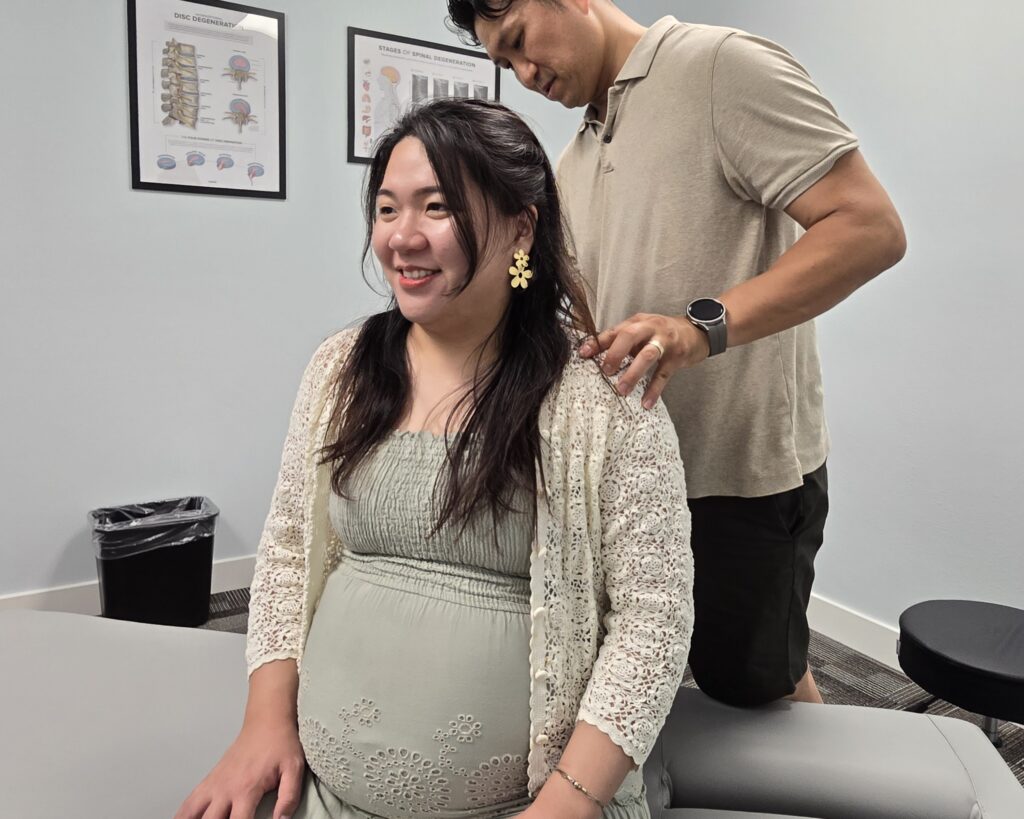

As a local chiropractor, I want to share how our therapy can significantly enhance your recovery from a sports injury. Many people think of rehabilitation as solely a physical endeavor, but chiropractic care incorporates a holistic approach that addresses both the physical and mental aspects of healing. We create customized exercise plans tailored to your specific needs, alongside effective pain management techniques that can help alleviate discomfort.
One of the key benefits of chiropractic therapy is the emotional support we provide. Recovering from an injury can be a challenging time, and having someone to guide you through the process can make a difference. Additionally, we focus on injury prevention education, equipping you with the knowledge to reduce the risk of future injuries.
If you're curious about the specific ways chiropractic care can aid in your recovery journey, I encourage you to reach out. Together, we can work towards getting you back to your peak performance in a safe and natural way.
Physical Rehabilitation Techniques
As a local chiropractor, I want to share how effective physical rehabilitation techniques can greatly aid in your recovery from a sports injury. These methods are essential for regaining strength, flexibility, and range of motion, which are crucial for returning to your favorite activities. It's important to follow a personalized rehabilitation program that addresses your specific injury and recovery goals.
One of the foundational techniques we often utilize is therapeutic exercise. I'll work with you to create a tailored regimen that gradually increases in intensity. This may involve stretching exercises to improve flexibility or resistance training to enhance strength. It's vital to remain consistent and take your time with these exercises; maintaining proper form is key to preventing re-injury.
In addition to exercises, manual therapy can be incredibly beneficial. Through hands-on techniques, we can manipulate soft tissues to alleviate stiffness and boost your mobility. Open communication during these sessions is essential, as it's important that the pressure feels just right for you—effective yet comfortable.
You might also consider aquatic therapy as part of your rehabilitation plan. Exercising in water minimizes impact on your joints while still allowing you to build strength and endurance. The buoyancy of water creates a supportive environment that can significantly enhance your healing process.
Don't overlook the importance of proprioceptive training, which aims to improve your balance and coordination. Engaging in exercises that challenge your stability can prepare your body for the demands of your sport, ensuring a safer return.
Ultimately, dedication, patience, and adherence to your rehabilitation plan will facilitate a smoother recovery journey. By embracing these physical rehabilitation techniques, you'll be well on your way to returning to your sport stronger and more resilient than before.
Pain Management Strategies
Recovering from a sports injury can be a challenging journey, often accompanied by pain that requires effective management strategies. As a local chiropractor, I want to share some natural and holistic approaches that can help you minimize discomfort while promoting healing.
One of the key components of recovery is physical therapy, which we often integrate into our chiropractic care. Through targeted exercises guided by a trained professional, we can address specific areas of concern, alleviating pain while enhancing mobility. This hands-on approach not only helps in recovery but also empowers you with knowledge about your body.
Another effective technique is the application of ice or heat. Ice therapy is excellent for reducing inflammation and numbing sharp pain, while heat therapy works wonders in relaxing and soothing stiff muscles. Alternating between these two can often lead to optimal results, and we can guide you on how to use these methods effectively.
In addition to these physical strategies, I encourage the use of mindfulness and relaxation techniques. Practices such as deep breathing, meditation, or gentle yoga can significantly aid your recovery by reducing stress and enhancing your overall sense of well-being. These methods align perfectly with the principles of chiropractic care, focusing on the body's natural ability to heal itself.
You might also consider topical pain relief creams or patches, which can provide localized relief without the systemic effects of oral medications. These options can be a great addition to your pain management toolkit.
Finally, collaborating with your healthcare provider, including your chiropractor, to create a personalized pain management plan is essential. Regular check-ins allow us to adjust your strategies based on your progress and how you're feeling throughout your recovery.
Emotional Support and Counseling
Emotional support is a crucial component of your recovery journey from a sports injury, and as a local chiropractor, I want to emphasize its importance alongside the physical healing we provide. When setbacks occur, it's common to feel isolated or frustrated, which can hinder your overall recovery. This is where a holistic approach, including emotional support, can make a significant difference.
Engaging in counseling or emotional support services can offer you a safe space to express your feelings and fears about your injury. It's normal to experience anxiety regarding your recovery process, stress about rehabilitation, or concerns about how your injury may impact your athletic identity. Understanding these emotions is essential to your recovery, and having access to professionals who specialize in mental health can help you navigate these challenges.
As your chiropractor, I can work in conjunction with therapists to help you process your emotions. Together, we can provide coping strategies and tools that empower you to manage both your physical and mental health effectively. Remember, you don't have to go through this alone; having a supportive team that understands the psychological aspects of injury recovery can significantly enhance your healing experience.
In our sessions, we can also discuss setting realistic goals for your recovery. Injuries often lead to feelings of helplessness, but with the right support, you can shift your focus from what you've lost to what you can achieve. My role is to help you maintain a positive mindset, which is essential for a successful recovery.
Furthermore, emotional support plays a vital role in maintaining your motivation. When you're feeling down or discouraged, it can be challenging to stay committed to your recovery plan. I encourage you to stay on track by reminding you of your goals and celebrating the progress you've made, both physically and emotionally.
Customized Exercise Plans
As a local chiropractor, I want to emphasize the importance of having a customized exercise plan when you're on the road to recovery from a sports injury.
Tailored rehabilitation programs are essential because they ensure you're focusing on the specific areas that need attention for optimal healing. We utilize progress tracking techniques to help you see your improvements, which can be incredibly motivating.
Additionally, we incorporate adaptive strengthening exercises that are specifically designed to meet your unique needs.
This personalized approach allows you to regain strength in a safe and effective manner, promoting a natural healing process while minimizing the risk of further injury.
Individualized Rehabilitation Programs
As a local chiropractor, I want to emphasize the importance of tailored rehabilitation programs for effective recovery from sports injuries. When an injury occurs, it's crucial to understand that a one-size-fits-all approach simply won't suffice. Your unique injury, fitness level, and personal goals must be considered to ensure a safe and effective return to your activities.
In our practice, we work closely with you to create a customized rehabilitation plan that aligns with your individual recovery journey. This plan may include specific exercises designed to enhance your strength and flexibility, alongside techniques aimed at improving your coordination and balance.
By personalizing your rehabilitation, we aim to help you recover more quickly while minimizing the risk of re-injury. Moreover, our individualized programs often incorporate various natural healing modalities, such as manual therapy, electrical stimulation, or ultrasound, tailored to what works best for you.
Engaging in a personalized program not only keeps you motivated and accountable, but it also allows you to track your progress and make necessary adjustments along the way. Ultimately, investing time in a customized rehabilitation program paves the way for a smoother return to your sport, ensuring you come back even stronger than before.
Progress Tracking Techniques
As your local chiropractor, I want to emphasize the importance of tracking your progress as part of your personalized recovery plan. This is crucial for your healing journey. By setting clear and measurable goals, you can maintain focus and motivation as you work towards better health and wellness.
Begin by establishing specific milestones that pertain to your strength, flexibility, and range of motion. These objectives not only give you something tangible to strive for but also allow you to celebrate those small victories along the way.
I encourage you to keep a detailed log of your exercises, noting the activities you engage in, any weights you might lift, and any discomfort you experience. This documentation is invaluable for both you and me as we assess your progress over time and make adjustments to your treatment plan as needed.
You might also find it helpful to use apps or wearable devices to enhance your tracking efforts, giving you real-time insights into your performance and overall progress.
Regular check-ins with me are essential too. These sessions will allow us to evaluate how well you're doing and modify your plan based on your unique recovery needs.
By consistently monitoring your progress, you'll gain a better understanding of your body's capabilities and limitations, which will ultimately lead to a more efficient recovery process.
Adaptive Strengthening Exercises
Tracking your progress is an essential part of incorporating adaptive strengthening exercises into your recovery plan, especially from a chiropractic perspective. These exercises are specifically designed to cater to your unique needs, ensuring that you build strength safely and effectively.
By focusing on your individual limitations and goals, you can regain your strength while minimizing the risk of re-injury.
In our practice, we often recommend adaptive strengthening exercises that may include:
- Resistance Training: Utilizing bands or weights to gradually build muscle strength without overexertion. This approach helps to support your joints and improve overall function.
- Balance and Stability Work: Engaging in exercises that enhance coordination and stability is crucial for preventing future injuries. A strong foundation helps protect your body during everyday activities and sports.
- Functional Movements: Practicing movements that mimic your sport or daily activities can significantly improve your performance and ensure you're ready to return to your preferred activities.
As you progress through your recovery, it's important to adjust these exercises according to your recovery milestones.
This personalized approach not only enhances your confidence but also reinforces your commitment to returning to your sport or daily life.
Remember, the ultimate goal is to strengthen your body holistically while respecting its current limitations.
Mindfulness and Relaxation Practices
As a local chiropractor, I often emphasize the importance of incorporating mindfulness and relaxation practices into your recovery routine.
These practices can significantly enhance your body awareness and help you gain a better understanding of your physical limits. When you reduce stress levels, you create a more supportive environment for healing, both physically and emotionally.
By integrating mindfulness techniques into your daily life, you not only aid your recovery but also foster a deeper connection between your mind and body.
This holistic approach complements the adjustments and treatments I provide, ensuring you have the best chance at a complete and balanced healing process.
Together, we can work towards not just alleviating pain but also promoting overall wellness.
Enhancing Body Awareness
As a local chiropractor, I want to share how enhancing body awareness through mindfulness and relaxation practices can significantly support your recovery from sports injuries. By tuning into your body's sensations, you gain valuable insights into its needs and limitations, allowing you to better understand what it's telling you and facilitating a more effective healing process.
Incorporating mindfulness and relaxation techniques into your daily routine can offer several key benefits:
- Heightened Sensory Awareness: You'll become more sensitive to subtle signals from your body, such as pain or discomfort, making it easier to address these issues before they escalate.
- Improved Movement Patterns: With greater awareness of your body, you can perform movements more intentionally and with better control, which helps minimize the risk of re-injury during your recovery phase.
- Enhanced Relaxation: Mindfulness encourages a state of calm, enabling your body to release tension and stress. This is crucial, as excessive stress can impede the healing process.
By integrating these practices into your life, you'll foster a deeper connection with your body, empowering you to take an active role in your recovery journey.
This connection not only aids in physical healing but also cultivates mental strength, which is essential for your overall well-being as you prepare to return to your sport.
Reducing Stress Levels
As a chiropractor, I want to share how important body awareness is in your recovery from sports injuries. Many people may not realize that stress can significantly affect both your physical and mental healing processes. It's essential to understand that when stress levels rise, your body's ability to recover can be hindered.
Incorporating mindfulness and relaxation techniques into your daily routine can be a game-changer for lowering stress and enhancing your recovery. Practices such as deep breathing exercises, meditation, and gentle yoga not only help you to ground yourself but also reduce physical tension. These methods encourage you to connect deeply with your body, which can help to release built-up anxiety and promote a sense of calm.
Taking just a few minutes each day for mindfulness can truly make a difference in your healing journey. I recommend creating a peaceful space where you can focus without distractions. Additionally, visualizing your recovery can be a powerful tool; imagine yourself fully healed and engaging in your favorite activities again.
Promoting Emotional Healing
As a local chiropractor, I want to share how promoting emotional healing through mindfulness and relaxation practices can be a vital part of your recovery journey, especially when dealing with sports injuries.
It's important to understand that healing goes beyond just physical recovery; your emotional well-being is equally crucial. Incorporating mindfulness into your daily routine can help you stay present and alleviate any anxiety you may have about your recovery timeline.
Here are three effective relaxation techniques that I encourage you to consider as part of your healing process:
- Deep Breathing Exercises: By focusing on your breath, you can calm your nervous system, making it easier to cope with emotional stress. This simple practice can help reduce feelings of anxiety or frustration that often accompany an injury.
- Guided Imagery: This technique involves visualizing your recovery and the joy of returning to your favorite sport. It can serve as a powerful motivator and foster a positive outlook during your healing journey.
- Meditation: Practicing regular meditation can help you develop a sense of inner peace and acceptance. This, in turn, allows you to process your emotions more effectively, making it easier to navigate the ups and downs of recovery.
By integrating these techniques into your routine, you can enhance your overall healing experience.
Nutritional Guidance for Healing
As a local chiropractor, I want to emphasize the importance of optimizing your nutrition when it comes to recovering from sports injuries. The right nutrients can significantly enhance your healing process, reduce inflammation, and help restore your strength.
It's crucial to focus on a balanced diet that includes whole foods—think fruits, vegetables, lean proteins, whole grains, and healthy fats. Each of these food groups is packed with essential vitamins and minerals that support your recovery.
Protein is particularly vital for muscle repair. Make sure to include sources like chicken, fish, beans, and legumes in your meals. A variety of protein options is key to ensuring you receive all the necessary amino acids your body needs.
Additionally, don't overlook omega-3 fatty acids, which are known to help reduce inflammation. You can find these beneficial fats in fatty fish, walnuts, and flaxseeds.
Carbohydrates also play an important role in your recovery, as they provide the energy your body needs. Prioritize complex carbohydrates such as brown rice, quinoa, and sweet potatoes. These not only fuel your workouts but also assist in tissue repair.
Hydration is another critical aspect that shouldn't be neglected. Drinking enough water is essential for every facet of healing, from transporting nutrients to removing waste from your body. If your injury has put you through intense physical stress, consider incorporating electrolyte-rich beverages to help replenish what you've lost.
Lastly, I encourage you to consult with a nutritionist or dietitian who can help tailor a meal plan to your specific needs. This personalized guidance can be invaluable in your recovery journey.
Injury Prevention Education
As a local chiropractor, I want to emphasize that injury prevention is just as crucial as recovery when it comes to maintaining your athletic performance.
Understanding how to prevent injuries can protect you from long-term setbacks and keep you active. Chiropractic care plays a vital role in equipping you with the knowledge and skills needed to safeguard your body from injuries.
Here are three key components of injury prevention education that I often share with my patients:
– Proper Warm-up Techniques: It's important to learn effective warm-up routines to prepare your body for physical activity. These techniques increase flexibility and circulation, significantly reducing the risk of strains and sprains.
I can help guide you through these routines to ensure you're doing them correctly.
– Strength and Conditioning: Engaging in focused strength and conditioning programs is essential for enhancing the stability of your muscles and joints. This targeted training will help your body absorb shocks better and maintain proper biomechanics during your activities.
I can help develop a customized program that fits your individual needs.
– Body Awareness: Developing a keen sense of body awareness is key to recognizing your limits. As your chiropractor, I can help you tune into your body's signals, allowing you to identify potential issues before they escalate into injuries.
This proactive approach is vital for long-term health and performance.
By integrating these components into your routine, you can significantly reduce the risk of injury and enhance your overall athletic performance.
Together, we can create a pathway to help you stay active and healthy.
Goal Setting and Motivation
As your local chiropractor, I want to emphasize how important setting clear and achievable goals can be in your journey towards better health and recovery.
By adopting the SMART goals approach—Specific, Measurable, Achievable, Relevant, and Time-bound—you can create a personalized roadmap that helps keep you focused and motivated throughout your rehabilitation process.
In chiropractic care, strengthening your mental resilience is just as crucial as addressing any physical issues.
This mental strength will empower you to overcome challenges, stay committed to your treatment plan, and ultimately lead to improved well-being.
By setting these goals, you won't only enhance your physical recovery but also cultivate a positive mindset that supports your healing journey.
SMART Goals Approach
As a local chiropractor, I want to share the benefits of using the SMART goals approach when it comes to recovering from sports injuries. This method can significantly enhance your motivation and focus throughout the healing process. SMART stands for Specific, Measurable, Achievable, Relevant, and Time-bound. By setting goals that align with these criteria, we can create a clear pathway for your recovery.
Here's how to structure your recovery goals effectively:
- Specific: It's essential to define precisely what you want to achieve. Rather than a vague goal like "I want to get better," let's aim for something concrete, such as "I want to run 1 mile without experiencing pain."
- Measurable: Tracking your progress is crucial. For instance, you might decide to increase your chiropractic appointments from once a week to twice a week, allowing us to monitor your improvement closely.
- Achievable: Ensure that your goals are realistic given your current injury status. It's important to set goals that challenge you but are still attainable with the right care and effort.
- Relevant: Your goals should be meaningful and relevant to your overall health and lifestyle. If running is important to you, focus on that rather than unrelated activities.
- Time-bound: Setting a deadline will help keep you accountable. For example, you might say, "I will achieve my goal of running 1 mile pain-free in four weeks."
By utilizing the SMART goals approach, not only will you maintain your focus, but you'll also build confidence as you celebrate small victories along the way.
Every step you take towards achieving these goals can motivate you to overcome challenges, making your recovery journey more manageable and fulfilling.
At our chiropractic clinic, we're here to support you in setting and achieving these goals, guiding you toward a healthier, pain-free life through natural healing.
Enhancing Mental Resilience
Achieving your recovery goals after a sports injury involves more than just physical rehabilitation; it also requires a strong mental focus and resilience. As a local chiropractor, I want to emphasize that the journey back to peak performance can be challenging, both physically and mentally.
Setting clear and achievable goals is crucial in this process. By breaking your recovery down into smaller, manageable objectives, you can create a sense of accomplishment that will motivate you along the way.
Staying motivated is key during your recovery. It's important to remind yourself of the reasons you began this journey and to visualize your success. Incorporating positive affirmations can reinforce your determination and help you maintain a positive outlook.
Surrounding yourself with a supportive network—whether it's friends, family, teammates, coaches, or healthcare professionals—can greatly enhance your morale. These individuals can help keep you accountable and provide the encouragement you need when you hit tough moments.
Additionally, I encourage you to view challenges as opportunities for growth. Each step of your recovery isn't just about healing your body; it's also about building mental toughness. Techniques such as mindfulness and relaxation exercises can be beneficial in managing stress and keeping your focus on your recovery goals.
Ultimately, enhancing your mental resilience is about fostering a strong mindset that drives you forward. Every small victory in your recovery process is worth celebrating.
Stay committed to your goals, acknowledge your progress, and before you know it, you'll be back in the game, feeling stronger and more resilient than before. As your chiropractor, I'm here to support you on this journey to wellness and natural healing.
Strengthening Mental Resilience
Strengthening mental resilience is crucial for anyone recovering from sports injuries, and as a chiropractor, I want to emphasize how this aspect of healing can significantly impact your recovery journey. When faced with the challenges of rehabilitation, your mental toughness can be just as important as the physical care you receive.
Engaging in therapy, whether it's through counseling or other supportive practices, can equip you with valuable tools to build this resilience, helping you navigate the emotional ups and downs that often accompany an injury.
Let's explore some key components of mental resilience that can complement your chiropractic care:
- Positive Self-Talk: Encouraging yourself through constructive inner dialogue can help counter negative thoughts. Instead of thinking, "I can't do this," try adopting a mindset of "I will overcome this." This shift in perspective can keep you motivated as you work towards recovery.
- Goal Setting: Setting realistic, short-term goals is vital for maintaining focus and purpose during your rehabilitation process. Achieving these milestones not only reminds you of your progress but also fuels your determination to keep pushing forward.
- Mindfulness Practices: Incorporating mindfulness techniques, such as meditation and deep breathing, can help ground you in the present moment. By reducing anxiety and enhancing clarity, these practices create a supportive environment where mental resilience can thrive.
As your chiropractor, I can guide you through these processes, helping you develop the mental fortitude necessary to overcome challenges.
Strengthening your mental resilience won't only facilitate your recovery but also enhance your overall athletic performance. By embracing this holistic journey, you'll be better prepared for future challenges, ensuring you return to your sport with renewed focus and determination.
Building a Support Network
As a local chiropractor, I want to emphasize the importance of a strong support network during your recovery from a sports injury. Navigating the challenges of healing can be daunting, but having a community around you that understands your journey can significantly impact your recovery process. Friends, family, coaches, and teammates not only provide emotional support but can also offer practical assistance that's crucial during this time.
It's beneficial to start by reaching out to those closest to you. Share your experiences and let them know how they can assist you, whether it's offering a listening ear or helping you with transportation to chiropractic appointments. Their involvement can alleviate some of the emotional burdens you may be carrying.
Additionally, surrounding yourself with positive influences can enhance your motivation, reminding you of your goals and keeping you focused on the path to recovery.
I also encourage you to connect with fellow athletes who've faced similar injuries. They can provide valuable insights, coping strategies, and share their personal experiences, which can resonate with your situation. Online forums and local support groups are excellent resources for building these connections and fostering a sense of belonging.
Don't overlook the significance of your healthcare team, which includes your chiropractor, physical therapist, and other medical professionals involved in your care. It's important to communicate openly about your needs and feelings with them, as they can offer personalized advice and encouragement tailored to your recovery.
Finally, be open to forming new relationships with others who are on their own healing journeys. Engaging with a community of individuals who share similar experiences can create a sense of accountability and camaraderie.
Conclusion
As a local chiropractor, I want to emphasize how incorporating chiropractic care into your sports injury recovery can significantly enhance your healing journey. By focusing on natural healing methods such as physical rehabilitation, effective pain management, and emotional support, you can not only recover more swiftly but also build resilience for future challenges.
Customized chiropractic adjustments and exercise plans tailored to your unique needs can empower you to stay motivated and remain focused on your recovery goals. Additionally, I encourage you to engage in mindfulness practices, which can further support your mental and emotional well-being during this time.
It's also crucial to educate yourself about injury prevention strategies, which can greatly reduce the risk of future setbacks. Building a supportive network of friends, family, and healthcare professionals will also play a vital role in your journey. With chiropractic care, you're taking a proactive step towards a stronger, healthier comeback. Let's work together to help you achieve optimal recovery!