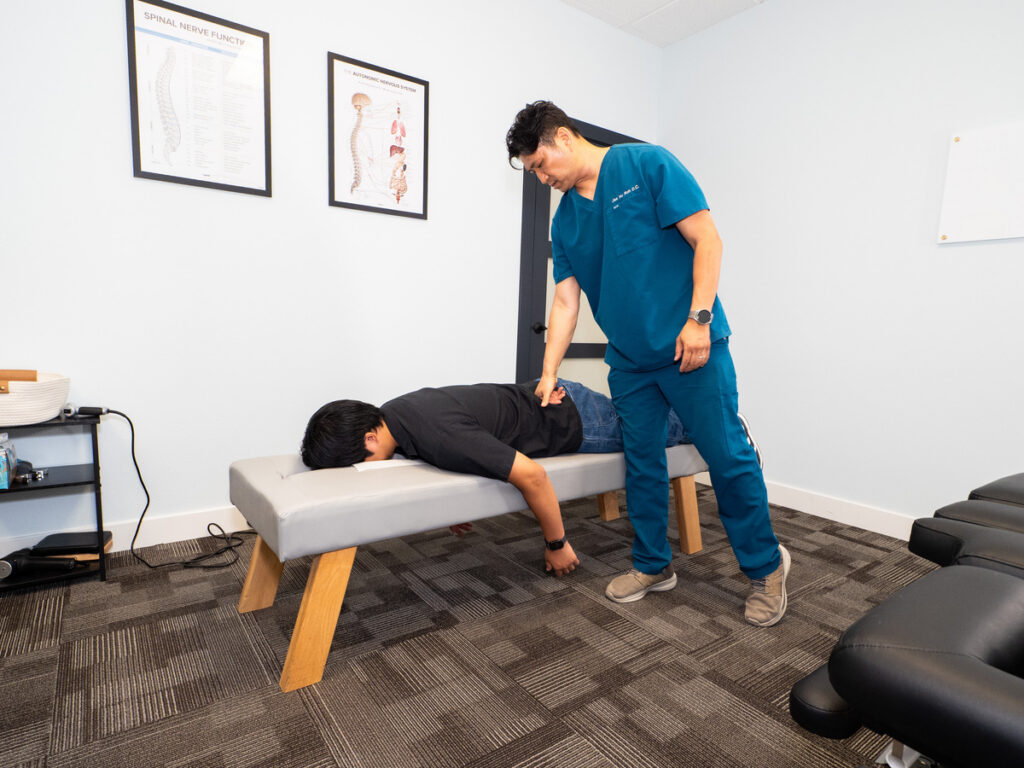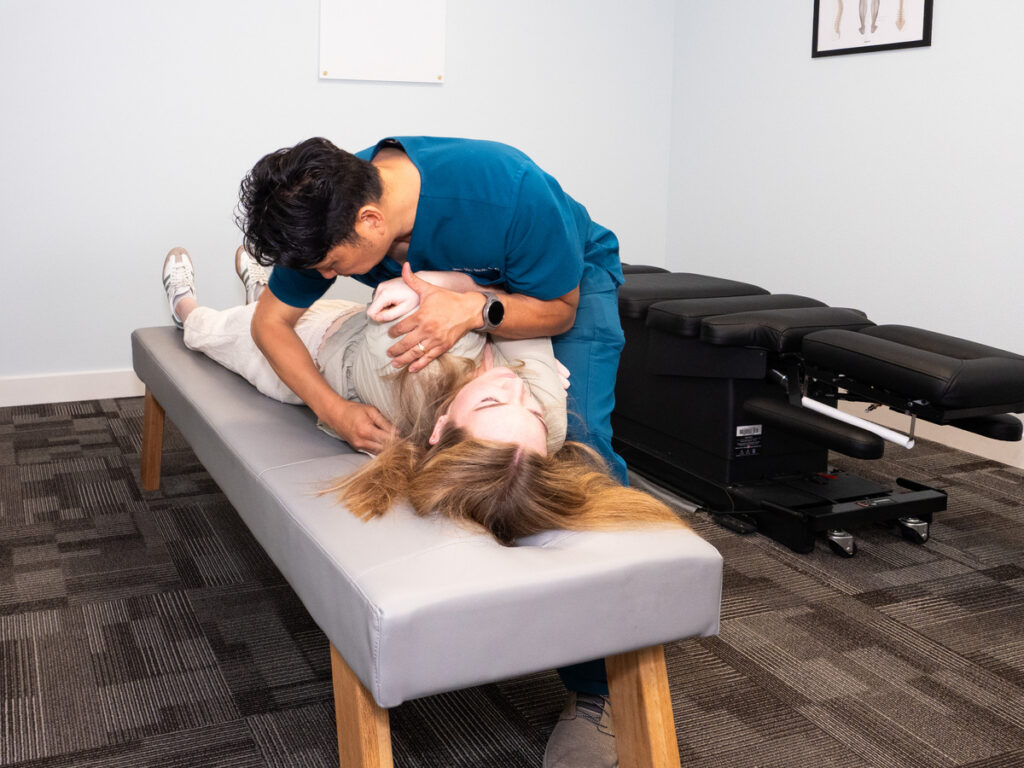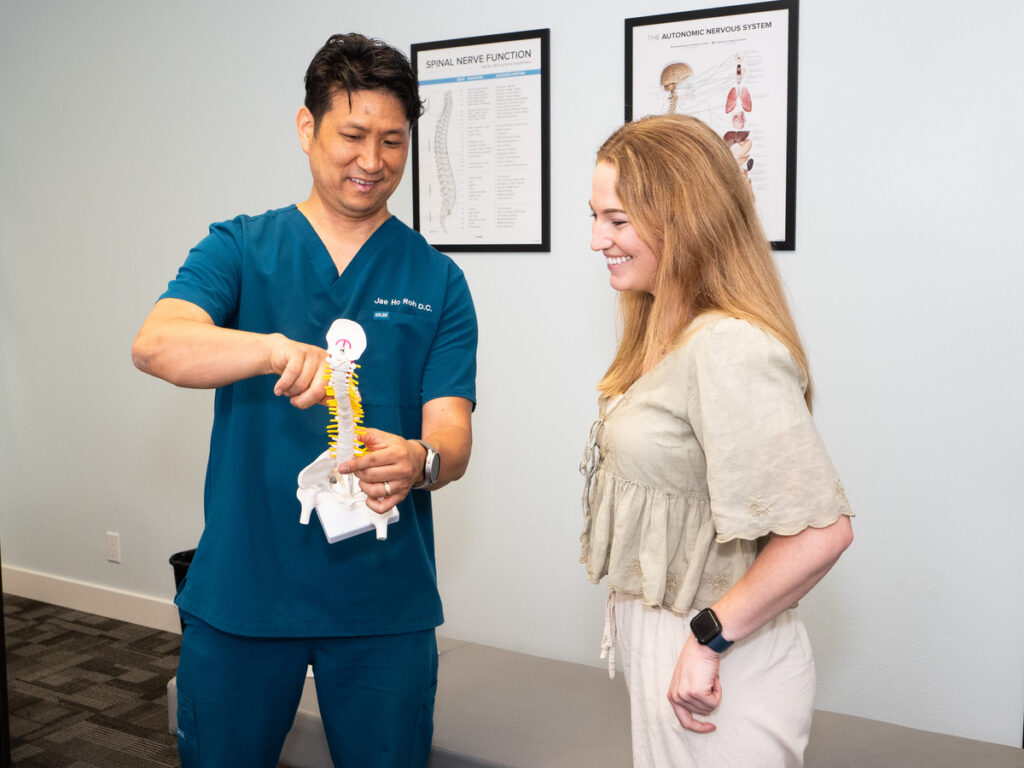

Back pain can often feel like an unwelcome companion, and as a chiropractor, I’ve seen firsthand how it frequently arises from poor posture and unhealthy workspace habits. Many of my patients are surprised to learn that simple adjustments and mindful practices can lead to significant improvements in their comfort levels. By addressing the underlying causes of your discomfort and integrating effective techniques into your daily routine, you can take proactive steps toward reclaiming your well-being. So, what specific changes can you implement to truly stand tall and alleviate that pain? Let’s explore some practical solutions together that can make a real difference in your life.
Understanding the Causes of Back Pain
As a local chiropractor, I want to help you understand the various causes of back pain so you can find effective relief through natural healing. Many times, back pain stems from muscle strain, improper lifting techniques, or overexertion during physical activities.
You may also feel discomfort if you spend long periods sitting or standing without proper body alignment. Conditions such as herniated discs, arthritis, or scoliosis can contribute to chronic pain, and it’s important to be aware of these underlying issues.
Moreover, emotional stress can significantly impact your physical well-being, leading to tension in your back muscles. If you’ve recently made changes to your exercise routine or increased your workload, your back may be reacting to those adjustments.
Conversely, a sedentary lifestyle can weaken your muscles, making them more vulnerable to injury. Identifying these triggers is crucial for managing your pain effectively.
The Importance of Good Posture
As your local chiropractor, I want to emphasize the vital role that good posture plays in maintaining proper spinal alignment and preventing back pain. Many people may not be aware that their everyday habits can contribute to common posture mistakes, which can have lasting effects on their overall health.
It’s crucial to understand how these habits can impact your spine and well-being.
By incorporating simple exercises and mindful practices into your daily routine, you can significantly improve your posture. Not only will this help alleviate discomfort, but it will also promote a healthier spine.
Together, we can work towards enhancing your posture, which is essential for your long-term health and vitality. Let’s explore these strategies to help you feel your best!
Benefits of Proper Alignment
As a local chiropractor, I want to emphasize the importance of maintaining proper alignment for your overall health, particularly when it comes to preventing and alleviating back pain. Many people may not realize that when your spine is aligned correctly, it significantly reduces the strain on your muscles and ligaments. This allows them to work more efficiently, which not only minimizes discomfort but also enhances your strength and stability.
Good posture isn’t just about looking good; it can improve your breathing and circulation as well. This can lead to increased energy levels and enhanced mental clarity, which are vital for your daily activities. Moreover, when you maintain proper alignment, you exude confidence and poise, positively impacting your interactions with others and boosting your self-esteem.
Over time, embracing proper alignment can help you establish healthier habits that contribute to long-term wellness. By prioritizing your posture and considering chiropractic care, you’re making a valuable investment in a pain-free and vibrant lifestyle.
Common Posture Mistakes
As a local chiropractor, I often see patients who are unaware of how common posture mistakes can lead to discomfort and even chronic pain. Many people unknowingly slouch in their chairs while working, lean forward to view screens, or hunch their shoulders. These habits can put significant strain on your back over time.
You might also find yourself crossing your legs or sitting on your wallet, which can misalign your spine and lead to further issues. Standing with your weight shifted to one leg can also create imbalance and tension throughout your body.
It’s important to understand that these habits don’t just affect your physical health; they can also have a negative impact on your mood and energy levels. Being mindful of your posture throughout the day is crucial.
I encourage you to take a moment to recognize these common mistakes in your own posture. This awareness is the first step toward achieving a healthier alignment and reducing the risk of pain. By making simple adjustments, you can improve your overall well-being and feel better in your daily life.
Exercises for Better Posture
As a chiropractor, I often emphasize the importance of posture in our daily lives. Proper posture not only enhances your appearance but also contributes to overall health and well-being.
To help you achieve and maintain better posture, I recommend incorporating specific exercises into your routine. These exercises not only strengthen your muscles but also improve your body awareness, leading to better alignment.
Here are four exercises that I suggest you can start with:
- Plank: This exercise engages your core and helps stabilize your spine. To perform it, hold your body in a straight line while keeping your shoulders directly over your wrists. This strengthens your core and back muscles, which are essential for good posture.
- Wall Angels: This exercise promotes shoulder mobility, which is crucial for maintaining an open and upright posture. Stand against a wall and slide your arms up and down while keeping your back flat against the wall. This helps to release tension in your shoulders and chest.
- Chest Stretch: This simple stretch can greatly benefit anyone who spends long hours sitting. Stand tall, clasp your hands behind your back, and gently lift your arms. This opens up your chest and counteracts the forward hunch that many of us develop from sitting.
- Bird-Dog: This exercise is fantastic for improving balance and strengthening your back and core. Start on all fours, then extend one arm and the opposite leg while maintaining balance. This movement enhances coordination and stability, both of which are vital for good posture.
By integrating these exercises into your daily routine, you can help yourself stand tall and feel great.
Simple Adjustments to Your Workspace
As a local chiropractor dedicated to your well-being, I want to share some simple yet effective adjustments you can make to your workspace that can significantly alleviate back pain.
First and foremost, investing in an ergonomic chair is essential. This type of chair is designed to support your natural posture, which can help prevent strain on your spine.
Next, it’s important to ensure that your computer monitor is positioned at eye level. This adjustment can help you avoid unnecessary neck strain, allowing for a more comfortable working environment.
Additionally, make sure your keyboard and mouse are within easy reach. Keeping your arms relaxed while working can prevent tension and discomfort in your shoulders and back.
By making these small changes, you can create a healthier workspace and contribute to your overall spinal health.
Ergonomic Chair Selection
As a local chiropractor passionate about helping my patients achieve optimal health, I want to share how the right ergonomic chair can significantly enhance your work experience and alleviate back pain.
Understanding the importance of proper posture and comfort is crucial, especially if you spend long hours seated. Here’s what to consider when selecting an ergonomic chair:
- Adjustable Height: It’s vital to choose a chair that can be adjusted to match your desk height. This allows your feet to rest flat on the floor, promoting better circulation and reducing strain on your lower back.
- Lumbar Support: Look for a chair equipped with adjustable lumbar support. This feature should conform to the natural curve of your lower back, providing the essential support needed to prevent discomfort and injury.
- Seat Depth: The depth of the seat is another critical factor. Ideally, there should be a 2-4 inch gap between the back of your knees and the edge of the seat. This spacing helps ensure proper blood flow and minimizes pressure on your thighs.
- Armrests: Consider chairs with adjustable armrests. Proper arm positioning can significantly reduce shoulder strain, allowing your arms to relax comfortably at your sides.
Investing in the right ergonomic chair is an important step toward enhancing your daily comfort and overall well-being.
By making informed choices about your seating, you can greatly reduce the risk of back pain and improve your productivity at work.
Monitor Height Adjustment
As a local chiropractor dedicated to your well-being, I want to emphasize that creating a comfortable workspace extends beyond just choosing the right ergonomic chair; the height of your monitor is crucial in preventing strain on your neck and back.
To ensure you maintain optimal comfort, it’s important to position your monitor at eye level. When you sit up straight, your eyes should naturally align with the top of the screen. This setup helps you avoid tilting your head down or straining your neck, both of which can lead to discomfort and pain.
If you find that your monitor is too low, consider using a stand or even a stack of books to elevate it to the proper height. Additionally, the distance from your eyes to the screen should be about an arm’s length—this is ideal for reducing eye strain and maintaining good posture.
By implementing these simple adjustments, you can significantly improve your workspace ergonomics, support your spine’s natural alignment, and alleviate any back pain you may be experiencing.
Keyboard and Mouse Position
As your local chiropractor, I want to emphasize the importance of proper ergonomics in your workspace, especially when it comes to the positioning of your keyboard and mouse.
These adjustments can significantly help in preventing discomfort and pain in your back and wrists. Here are some straightforward recommendations to enhance your workstation:
- Adjust your keyboard and mouse to elbow height – Aim for your arms to be bent at approximately 90 degrees. This helps reduce strain on your joints.
- Position them close to your body – Keeping your keyboard and mouse within arm’s reach minimizes unnecessary strain on your shoulders and back, promoting better posture.
- Incorporate a wrist rest – A wrist rest can provide essential support, helping to maintain your wrists in a neutral position and reducing the risk of repetitive strain injuries.
- Practice good posture – Make sure to sit back in your chair with your lower back fully supported. Keep your feet flat on the ground to create a stable base, which aids in maintaining alignment.
By implementing these simple changes, you can create a healthier workspace that supports your body and helps prevent pain.
Stretching Techniques for Relief
As a local chiropractor dedicated to helping patients understand the benefits of natural healing, I often emphasize the importance of incorporating effective stretching techniques into your daily routine, especially for those experiencing back pain. These stretches can significantly enhance your comfort and mobility.
One excellent starting point is the knee-to-chest stretch. To perform this, lie on your back and gently pull one knee towards your chest, holding the position for about 20 seconds before switching to the other leg. This simple movement can help alleviate tension in your lower back, promoting relaxation and relief.
Next, consider the seated forward bend. Sit with your legs extended in front of you, and slowly reach forward towards your toes, holding the stretch for 20-30 seconds. This not only enhances flexibility but also helps relieve tightness in the back and hamstrings.
Another beneficial stretch is the cat-cow stretch. Position yourself on all fours, and alternate between arching your back upwards like a cat and dipping it downwards like a cow. This movement, repeated for several breaths, encourages spinal flexibility and can help release tight muscles.
Incorporating these stretches into your routine can contribute to improved posture and overall spinal health. As you practice these techniques, remember to breathe deeply and stay attuned to your body’s signals.
Avoid any movements that elicit sharp pain, and always consult with a healthcare professional if you have concerns. Embracing these natural methods can lead to a more comfortable and healthier lifestyle.
Strengthening Exercises for a Healthier Back
As a local chiropractor, I want to emphasize the importance of strengthening your back for preventing pain and improving your overall mobility. Many of my patients are surprised to learn that incorporating specific exercises into their daily routine can significantly enhance their back health.
Here are four effective strengthening exercises I often recommend:
- Bird-Dog: Begin on your hands and knees, ensuring your back is flat. Extend one arm forward while simultaneously extending the opposite leg back. Hold this position for a few seconds before switching sides. This exercise not only engages your core but also helps stabilize your back, which is crucial for maintaining proper posture.
- Plank: Start by lying face down, then lift your body off the ground, resting on your forearms and toes. Make sure to keep your body in a straight line from head to heels. Holding this position for as long as you can will help build endurance in your core and back muscles, which supports spinal health.
- Superman: Lie down on your stomach, extending your arms in front of you and your legs straight behind. Lift both your arms and legs off the ground simultaneously, as if you’re flying like Superman. This exercise is excellent for targeting the lower back muscles, which are often neglected.
- Deadlift: Using a light weight—such as a dumbbell or a kettlebell—stand with your feet hip-width apart. Hinge at your hips and lower the weight towards the ground while keeping your back straight. This movement strengthens your entire back and promotes proper lifting mechanics, which is vital for everyday activities.
By incorporating these exercises into your routine, you can take proactive steps toward a healthier back.
When to Seek Professional Help
Building a stronger back through exercises is crucial for your overall well-being, and as your local chiropractor, I want to emphasize the importance of knowing when to seek professional help. If you experience persistent pain lasting more than a few days, or if that pain intensifies with activity, it’s important not to ignore these signs. Consulting a healthcare provider, such as myself, can help identify the underlying issues.
You should also pay attention to symptoms like numbness, tingling, or weakness in your limbs, as these could indicate more serious conditions that require immediate evaluation. If your pain is interfering with daily activities or disrupting your sleep, it’s definitely time to reach out for professional assistance.
Even if you’ve tried home remedies without finding relief, I can offer tailored guidance that takes your unique situation into account. Keep in mind that early intervention often leads to better outcomes and can help you avoid long-term complications.
As a chiropractor, I specialize in assessing musculoskeletal conditions, recommending appropriate treatments, and guiding you toward recovery through natural healing methods.
Always trust your instincts; if something feels off, it’s wise to get a professional opinion. Your back deserves the best care possible, and I’m here to help you achieve a healthier, stronger spine!