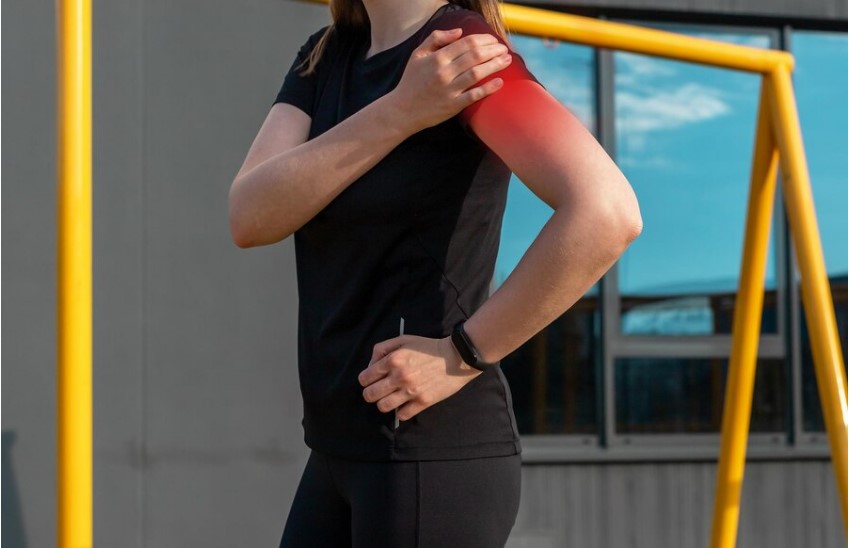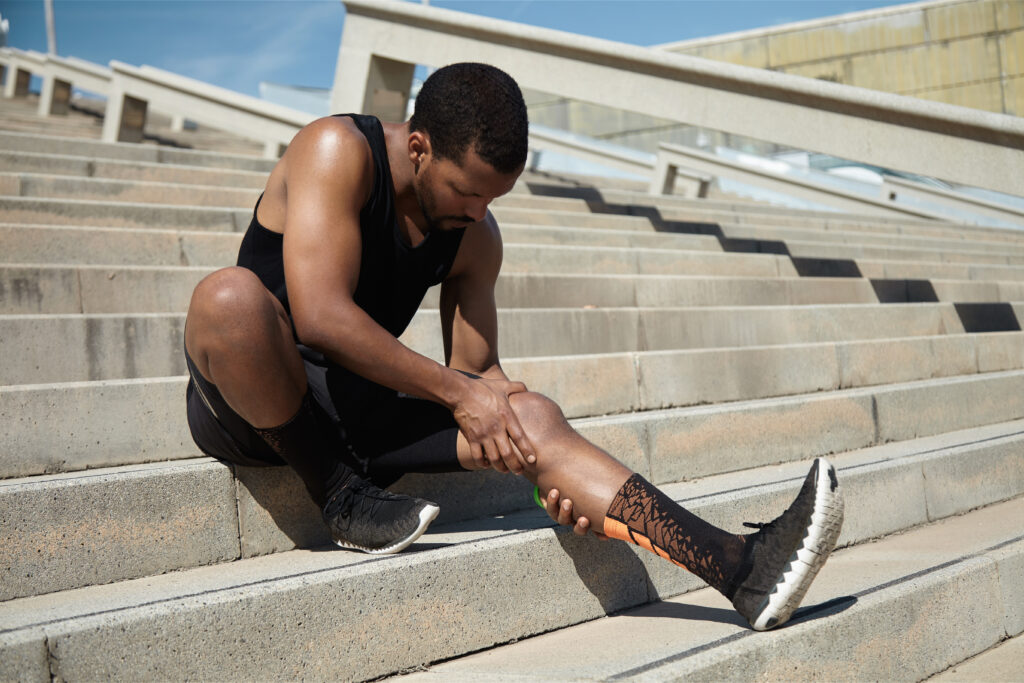

Recovering from sports injuries can be a daunting experience, but as your local chiropractor, I want to assure you that it doesn’t have to be overwhelming. Understanding the best strategies for a safe and effective recovery is crucial. From prioritizing rest to incorporating proper nutrition, each step plays a vital role in your healing journey.
As we delve into these essential methods, you’ll discover how chiropractic care and natural healing can support your recovery and help you bounce back stronger and more resilient than ever. So, what’s the first step you should take in your recovery process? Let’s explore that together.
Prioritize Rest and Recovery
As a local chiropractor, I want to emphasize the importance of prioritizing rest and recovery after a sports injury for a successful comeback. Your body requires adequate time to heal, and it’s crucial not to rush this process.
Start by tuning into your body’s signals; if you experience pain, it’s a sign to take a step back and allow for recovery.
Resting doesn’t equate to being completely inactive. Gentle movements can actually promote blood flow and aid in healing. Incorporating ice or heat therapy can also be beneficial in reducing swelling and discomfort, something we can discuss further during your visit.
Sleep is another vital component of recovery. Quality sleep supports muscle repair and overall healing, so aim for restorative rest.
Hydration is key as well; ensuring you drink plenty of fluids helps to flush out toxins and keeps your muscles functioning optimally. A balanced diet rich in proteins, vitamins, and minerals will further expedite your recovery process.
By prioritizing rest and recovery, you’re setting the stage for a stronger return to your sport. Remember, your body deserves this care and attention.
If you have questions about how chiropractic care can aid in your recovery journey, I’m here to help!
Implement a Rehabilitation Program
As your local chiropractor, I want to help you understand the importance of a well-structured rehabilitation program for recovering from sports injuries.
The first step is to assess the severity of your injury. This allows us to tailor an exercise regimen that’s specifically designed to promote healing while ensuring you don’t push yourself too hard.
Incorporating chiropractic care into your rehabilitation can greatly enhance your recovery process. We focus on natural healing methods that encourage your body to restore itself.
Throughout your recovery journey, we’ll regularly monitor your progress to ensure you’re on the right path and make adjustments to your plan as needed.
Remember, recovery takes time, and it’s essential to listen to your body. With the right approach, you can return to your favorite activities stronger and healthier.
Let’s work together to create a rehabilitation program that suits your individual needs.
Assess Injury Severity
As a local chiropractor, I want to emphasize the importance of assessing the severity of your sports injury to pave the way for an effective rehabilitation journey.
It all begins with recognizing the symptoms your body is presenting—such as pain, swelling, bruising, or difficulty moving the affected area. These signs can give us crucial insight into how serious the injury might be.
It’s essential to differentiate between a mild strain and a more severe tear. Always listen to your body; if you experience persistent pain, it’s important not to ignore it or push through.
Seeking professional advice, such as from a chiropractor, can be incredibly beneficial. We can provide a thorough assessment and diagnosis to help you understand the extent of your injury and recommend natural treatment options tailored to your needs.
By addressing your injury promptly, you significantly enhance your chances of a successful recovery. Taking this step not only aids in your healing but also sets a strong foundation for your rehabilitation process.
Tailored Exercise Regimen
As your local chiropractor, I want to emphasize the importance of a tailored exercise regimen in your recovery journey. This approach is crucial in rebuilding strength and flexibility in the affected area.
It’s beneficial to start by consulting with a healthcare professional who understands your specific injury, such as a physical therapist or a certified trainer. They can help create a personalized program that addresses your unique needs, gradually increasing the intensity as you heal.
Initially, I recommend focusing on low-impact exercises, such as swimming or cycling. These activities are gentle on your body and allow for movement without placing excessive stress on the injured area.
Additionally, incorporating stretching and mobility work is essential to enhance flexibility and prevent stiffness, which can hinder your recovery.
Consistency is vital in any rehabilitation process. Stick to your exercise schedule and be attentive to how your body responds. If you experience pain, don’t hesitate to adjust the intensity or modify the exercises.
Remember, a personalized regimen not only supports your recovery but also prepares you to return to your activities stronger and more resilient than before.
At our practice, we believe in the power of natural healing and the body’s ability to recover with the right care and guidance.
Let’s work together to create a plan that suits you best!
Monitor Progress Regularly
As your local chiropractor, I want to emphasize the importance of regularly monitoring your progress as you embark on your personalized exercise regimen for recovery.
Keeping a detailed log of your workouts is crucial; it allows you to track pain levels, improvements in mobility, and any physical changes you experience. This practice not only helps you stay accountable but also enables us to pinpoint what strategies are effective and which may need adjustment.
I encourage you to share your observations with me during our sessions. This collaboration allows us to tailor your program to maximize its effectiveness based on your unique healing journey.
Utilizing apps or wearable technology can make tracking your metrics more efficient and insightful.
Regular assessments are vital—they motivate you and provide essential feedback on your progress.
Focus on Nutrition and Hydration
As a local chiropractor, I want to emphasize the importance of nutrition and hydration during your recovery from a sports injury. Your body requires the right nutrients to heal effectively and regain strength, and this is just as crucial as the chiropractic adjustments you receive.
Incorporating protein-rich foods into your diet is essential—think lean meats, fish, eggs, and legumes. These foods play a vital role in muscle recovery and tissue repair. Additionally, be sure to focus on vitamins and minerals that support healing, particularly vitamin C, zinc, and calcium, as they contribute to bone health and overall recovery.
Hydration is another key aspect that shouldn’t be overlooked. Water is critical for transporting nutrients to your cells and flushing out waste products from your body. I recommend drinking plenty of fluids throughout the day and adjusting your intake based on your activity level and the climate you’re in.
A simple way to monitor your hydration status is by observing the color of your urine—light yellow typically indicates that you’re well-hydrated.
Utilize Physical Therapy Techniques
As a local chiropractor, I want to share how utilizing physical therapy techniques can significantly enhance your recovery from sports injuries, especially when combined with chiropractic care.
Many of my patients find that working closely with a physical therapist helps them regain crucial strength, flexibility, and range of motion after an injury. A skilled physical therapist will assess your condition and develop a personalized recovery plan tailored to your unique needs.
Incorporating targeted exercises into your rehabilitation can accelerate your healing process. You’ll learn the right techniques to prevent re-injury, which allows you to return to your sport with greater confidence.
Manual therapy methods, such as massage and joint mobilization, can also be effective in relieving pain and improving circulation, thus promoting a faster recovery.
Moreover, your therapist may introduce helpful modalities like ultrasound or electrical stimulation to support the healing process. These techniques not only relieve discomfort but also aid in tissue repair.
It’s important to remember that consistency is essential—regular attendance at therapy sessions will help you maximize the benefits of your treatment.
Embrace the recovery journey and stay committed to your rehabilitation plan; it’s vital for getting back into the game stronger than ever. Together, we can ensure you achieve a successful recovery and continue to enjoy your favorite sports.
Incorporate Cross-Training Activities
As a local chiropractor, I want to share how incorporating cross-training activities into your routine can significantly aid in your recovery from sports injuries. Many of my patients are surprised to learn that engaging in a variety of exercises not only helps maintain fitness levels but also plays a crucial role in reducing the risk of re-injury.
Cross-training is beneficial because it strengthens different muscle groups, enhances flexibility, and boosts overall endurance, all of which contribute to a more effective healing process.
Here are some cross-training activities I often recommend to my patients:
- Swimming: This low-impact exercise is gentle on the joints while providing a comprehensive full-body workout, making it ideal for those recovering from injuries.
- Cycling: This activity is excellent for building leg strength and improving cardiovascular fitness without placing high stress on your body.
- Yoga: Practicing yoga can significantly increase your flexibility, promote relaxation, and support mental recovery, which is essential during the healing process.
- Pilates: Focusing on core strength and balance, Pilates is crucial for preventing future injuries and supporting your overall physical health.
Incorporating these activities into your routine can’t only enhance your recovery but also promote long-term wellness.
If you have questions or need guidance on how to integrate these exercises safely, feel free to reach out during your next visit!
Manage Pain and Inflammation
As a local chiropractor, I want to help you understand how to effectively manage pain and inflammation during your recovery from a sports injury, using natural healing techniques.
One of the best places to start is with the R.I.C.E. method: Rest, Ice, Compression, and Elevation.
First, allow your injured area to rest to prevent any further damage. Applying ice for 15-20 minutes every few hours can significantly reduce swelling and help numb the pain.
Additionally, using compression bandages will help manage inflammation, while elevating the injured limb encourages better circulation.
Over-the-counter pain relievers like ibuprofen or naproxen can be beneficial for alleviating discomfort and reducing inflammation, but it’s always wise to consult with your healthcare provider before taking any medication.
Once your pain has subsided, consider incorporating gentle stretching or low-impact exercises. These activities not only help maintain flexibility but also strengthen the surrounding muscles, which is crucial for your recovery.
Remember, staying hydrated and consuming a balanced diet filled with anti-inflammatory foods—such as fresh fruits, vegetables, and omega-3 fatty acids—will support your healing process.
As your chiropractor, I’m here to guide you through these natural healing methods and help you regain your strength and mobility.
Cultivate Mental Resilience
As a local chiropractor, I understand that recovering from a sports injury can be a challenging journey, both physically and mentally.
It’s important to cultivate mental resilience during this time. Focusing on your mindset can greatly enhance your recovery process. Here are some strategies to help you maintain your mental strength:
- Visualize Your Recovery: Picture yourself back in action, fully healed and performing at your peak. Visualization can be a powerful tool in your healing journey.
- Set Achievable Goals: Break your recovery down into small, manageable steps. Celebrate each milestone, no matter how small, to keep your motivation high.
- Stay Connected: Reach out to friends, family, or teammates for support. Sharing your feelings and experiences can help you feel less isolated during your recovery.
- Practice Mindfulness: Techniques such as meditation or deep breathing can help reduce stress and promote a more positive mindset as you navigate your recovery.
Incorporating these strategies, along with chiropractic care, can help you build resilience and support your healing process naturally.