
If you're struggling with neck pain, you might be wondering whether certain methods could actually provide relief. Simple ergonomic adjustments, targeted exercises, and alternative therapies have shown promise in alleviating discomfort. By exploring these options, you could potentially change how you manage pain in your daily life. But what specific strategies should you consider, and how effective are they in practice? The answers might surprise you and could lead you to a more comfortable lifestyle.
Understanding Neck Pain
Understanding neck pain begins with recognizing its various causes. You mightn't realize that neck pain can stem from factors beyond just an injury or strain. Your daily habits, posture, and even stress can play significant roles. When you spend hours hunched over a computer or looking down at your phone, you're putting undue pressure on your neck. This can lead to muscle fatigue and discomfort.
Additionally, your sleep position might be contributing to your pain. If you sleep with too many pillows or on your stomach, you're likely straining your neck. It's important to evaluate your sleep setup and consider how it affects your alignment.
Also, think about how stress impacts your body. When you're tense, your muscles can tighten, leading to pain that radiates from your neck to your shoulders.
Taking note of these factors can be a valuable step in understanding your neck pain. You may want to keep a journal to track when your pain occurs, what activities you were doing, and how you felt emotionally. This could reveal patterns that help you identify triggers.
Ultimately, understanding neck pain isn't just about the physical aspects; it's also about recognizing how your lifestyle choices and emotional health intertwine. By being aware of these influences, you're more prepared to take actionable steps toward relieving your discomfort.
It's about creating a holistic approach to your neck health, which can lead to significant improvements over time.
Common Causes of Neck Pain
Neck pain can arise from a variety of common causes, many of which you might encounter in your daily life. Poor posture is one of the most prevalent culprits. If you spend hours hunched over a computer or looking down at your phone, it can lead to muscle strain and discomfort in your neck.
You may not realize it, but the way you sit and stand can greatly impact your neck health.
Injuries, such as whiplash from car accidents or sports-related incidents, can also contribute to neck pain. These sudden movements can strain the muscles and ligaments in your neck, causing pain and stiffness.
It's crucial to be cautious during physical activities to minimize the risk of these injuries.
Another common cause is degenerative conditions, such as arthritis. As you age, the cartilage in your neck can wear down, leading to inflammation and pain.
If you notice persistent neck discomfort, it might be worth consulting a healthcare professional to rule out any underlying issues.
Stress is a less obvious but equally important factor. When you're stressed, you might unconsciously tense your neck and shoulder muscles, leading to discomfort.
Managing stress through relaxation techniques can help alleviate this tension.
Finally, sleeping positions can also affect your neck. If you're using a pillow that doesn't provide proper support, you may wake up with pain.
Being mindful of these common causes can help you take proactive steps to reduce your neck pain.
Physical Therapy Techniques
When it comes to relieving neck pain, physical therapy techniques can be incredibly effective.
You can benefit from manual therapy approaches, which help ease tension, along with targeted stretching and strengthening exercises to support your neck.
Additionally, posture correction techniques play an essential role in preventing future discomfort.
Manual Therapy Approaches
Exploring manual therapy approaches can considerably enhance your recovery from neck pain. These techniques involve hands-on treatment to alleviate discomfort and improve mobility. A skilled therapist might use methods like joint mobilization, where they gently move your joints to restore proper function. This can relieve tension and reduce pain.
Another effective technique is soft tissue mobilization. By applying pressure to the muscles and connective tissues, your therapist can help release tightness and improve blood flow, promoting healing.
You might also benefit from myofascial release, which targets the fascia surrounding your muscles, easing restrictions and enhancing flexibility.
Cervical spine manipulation is another option, where your therapist uses specific movements to adjust the vertebrae in your neck. This can help realign your spine and alleviate pain.
If you're experiencing chronic neck pain, incorporating these manual therapy methods into your treatment plan can be vital.
Before starting any manual therapy, it's important to consult with a qualified therapist who can assess your condition and tailor a suitable approach for you.
With their guidance, you can work toward a pain-free, more mobile neck, enhancing your overall quality of life.
#
Stretching and Strengthening Exercises
How can stretching and strengthening exercises help alleviate neck pain? Incorporating these exercises into your routine can greatly improve mobility and reduce discomfort.
Stretching helps release tension in the muscles surrounding your neck, increasing flexibility and blood flow. Simple stretches, like neck tilts and chin tucks, can ease tightness and promote relaxation.
On the other hand, strengthening exercises build endurance in the neck muscles, which helps support your head better and reduces strain. Exercises like shoulder shrugs and wall angels strengthen the muscles that stabilize your neck, making it less susceptible to injury.
Consistency is key. Aim to perform these exercises several times a week for best results. Remember to listen to your body; if something hurts, stop and modify as needed.
Incorporating both stretching and strengthening can create a balanced approach to neck pain relief. You'll not only address existing pain but also prevent future issues from arising.
Posture Correction Techniques
Good posture is essential for preventing and alleviating neck pain, and effective posture correction techniques can make a notable difference in your daily comfort.
By incorporating these methods into your routine, you'll support your neck and spine, reducing strain and discomfort.
1. Ergonomic Adjustments: Start by evaluating your workspace.
Confirm your computer screen is at eye level, your chair provides proper lumbar support, and your feet rest flat on the ground.
These adjustments encourage a neutral spine position.
2. Mindful Awareness: Regularly check in with your posture throughout the day.
When you notice slouching or leaning forward, gently correct your alignment.
Keep your shoulders back and your chin tucked in to promote a healthier posture.
3. Strengthening Exercises: Engage in exercises that target your core and upper back muscles.
These areas provide stability and support to your neck.
Activities like planks and wall angels can notably improve your posture over time.
## Stretching and Strengthening Exercises
Incorporating a variety of stretching and strengthening exercises into your routine can greatly alleviate neck pain and improve overall mobility. These exercises target the muscles around your neck, helping to relieve tension and increase flexibility.
Start with gentle neck stretches. Slowly tilt your head to one side, bringing your ear toward your shoulder. Hold for 15-30 seconds, then switch sides. This simple stretch can ease tightness and improve your range of motion.
Next, try chin tucks. Sit or stand up straight and gently pull your chin back, creating a double chin effect. Hold for 5 seconds, then release. This exercise strengthens the neck muscles and promotes better posture, which can reduce strain.
Incorporate shoulder shrugs into your routine as well. Raise your shoulders toward your ears, hold for a moment, then relax them down. Repeat this 10-15 times to relieve tension in the upper back and neck.
To strengthen your neck, consider isometric exercises. Place your palm against your forehead and push gently while resisting the pressure with your neck. Hold for 5 seconds and repeat on the sides and back of your head. This builds strength without excessive movement.
Remember to listen to your body; if any exercise causes pain, stop immediately. Consistency is key, so aim to integrate these exercises into your daily routine.
Over time, you'll likely notice reduced neck pain and increased mobility, allowing for a more comfortable and active lifestyle.
Ergonomic Adjustments for Relief
Adjusting your workspace can make a big difference in relieving neck pain.
Start by ensuring your desk setup promotes good posture, with your computer screen at eye level.
Also, check your chair height to keep your feet flat on the ground and support your back properly.
Proper Desk Setup
Creating an ergonomic desk setup can greatly reduce neck pain and improve your overall comfort while working. Your workspace plays a vital role in how your body feels throughout the day.
Here are three essential adjustments you can make to enhance your desk setup:
- Monitor Height: Position your monitor so the top of the screen is at or slightly below eye level. This allows you to keep your neck in a neutral position while looking straight ahead.
- Keyboard and Mouse Placement: Keep your keyboard and mouse close enough so you can use them without stretching. Your elbows should be at a 90-degree angle, and your wrists should remain flat.
- Lighting: Make sure your workspace is well-lit to reduce eye strain. Position your desk lamp to minimize glare on your screen, which can cause you to lean forward and strain your neck.
Correct Chair Height
Finding the right chair height is essential for preventing neck pain and ensuring comfort during long hours at your desk. When your chair is at the correct height, your feet should rest flat on the floor, and your knees should be at a 90-degree angle. This position helps maintain proper posture, reducing strain on your neck and shoulders.
To adjust your chair, start by sitting all the way back against the seat. If your knees are higher than your hips, lower the chair until they're level. Conversely, if your hips are lower than your knees, raise the chair.
Ideally, your desk should be at a height that allows your elbows to bend comfortably at around 90 degrees when you type.
Don't forget to check the armrests, too. They should support your arms without causing your shoulders to hunch. If your chair doesn't have adjustable armrests, consider using a cushion to help achieve the right height.
The Role of Heat and Cold
While managing neck pain, understanding the role of heat and cold can greatly enhance your relief efforts. Both methods serve distinct purposes and can be used effectively to alleviate discomfort.
Heat therapy helps relax tense muscles and increase blood flow to the affected area, promoting healing. You can use a heating pad, warm towel, or even take a hot shower to apply heat. Just make sure it's warm, not scalding, to avoid burns.
On the other hand, cold therapy is ideal for reducing inflammation and numbing sharp pain. Ice packs or cold compresses can help decrease swelling and provide relief after any activity that aggravates your neck pain.
Here's a quick guide to help you decide when to use heat or cold:
- Use Heat When: You're experiencing stiffness or tension in your neck. Heat can help loosen tight muscles and improve flexibility.
- Use Cold When: You've just sustained an injury or you're dealing with swelling. Cold therapy can numb the area and reduce inflammation quickly.
- Combine Both: If you're unsure, alternating between heat and cold can sometimes provide the best results. Start with cold to reduce inflammation and follow up with heat to relax muscles.
Alternative Therapies to Consider
Many people seek alternative therapies to complement their neck pain relief efforts. If you're looking for options beyond traditional treatments, several methods might help alleviate your discomfort.
Acupuncture is one popular choice. Practitioners insert fine needles into specific points on your body, which may stimulate your nervous system and promote healing. Many individuals report significant pain relief after just a few sessions.
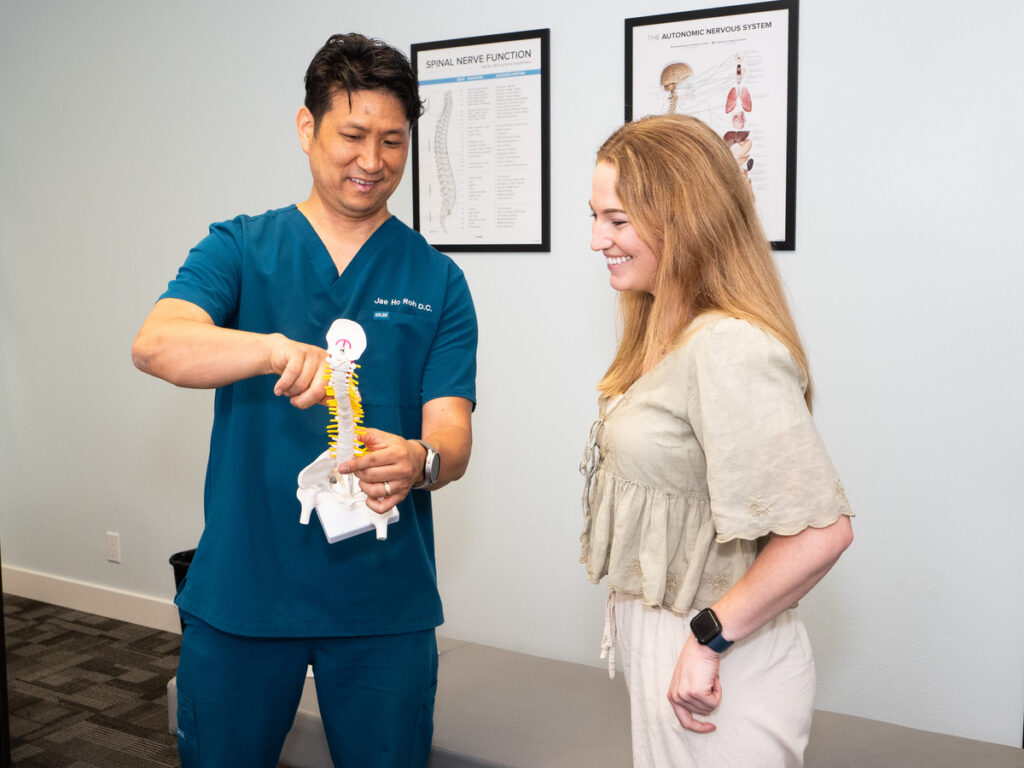
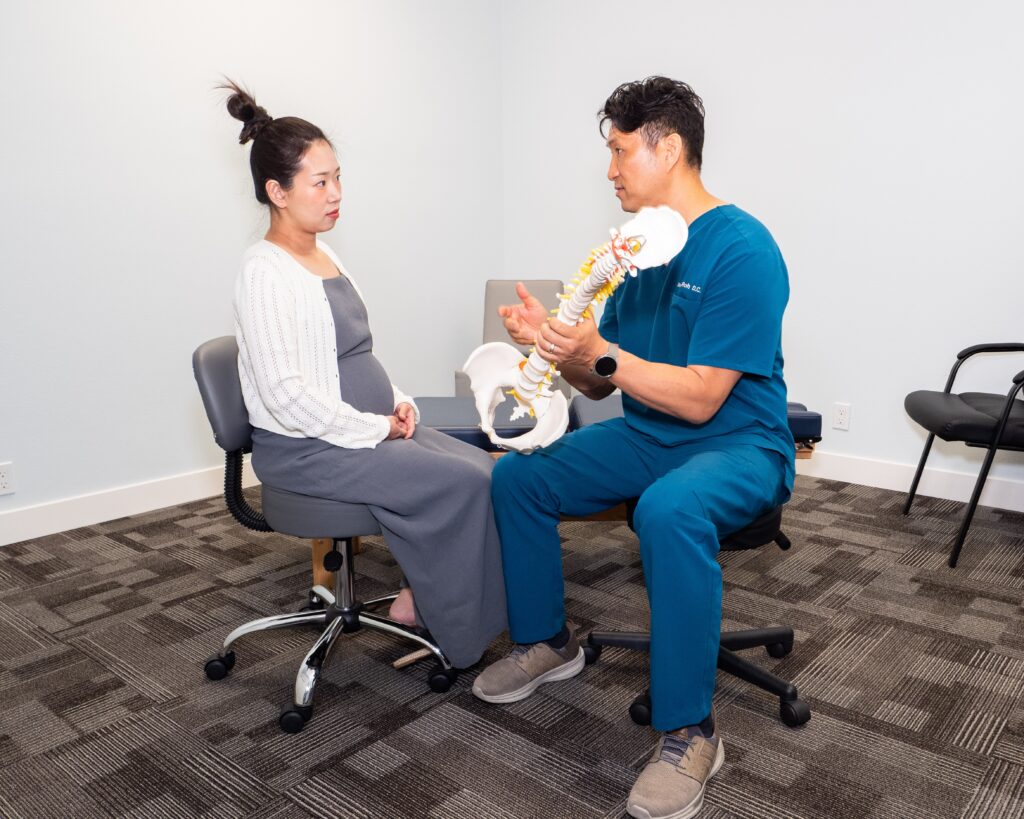
Chiropractic care is another effective alternative. Chiropractors focus on spinal alignment and may use manual adjustments to relieve tension in your neck. Regular visits could improve your range of motion and reduce pain.
Massage therapy also offers benefits. A skilled massage therapist can target tight muscles in your neck and upper back, helping to release built-up tension. Whether it's deep tissue or relaxation massage, you might find it enhances your overall well-being.
Yoga and tai chi are excellent options if you prefer movement-based therapies. Both practices emphasize gentle stretching, strengthening, and relaxation, which can improve your posture and flexibility, reducing neck pain over time.
Lastly, consider herbal remedies and supplements, such as turmeric or omega-3 fatty acids, which have anti-inflammatory properties. Always consult with a healthcare professional before starting any new supplement regimen.
Incorporating one or more of these alternative therapies into your routine could offer you the relief you're seeking.
Lifestyle Changes for Prevention
Adopting healthy lifestyle changes can considerably reduce your risk of developing neck pain in the first place. By incorporating simple habits into your daily routine, you can support your neck and overall spinal health. Here are three key lifestyle changes to evaluate:
- Improve Your Posture: Be mindful of your posture, especially when sitting at a desk or using your phone. Keep your shoulders relaxed and your back straight. A well-aligned spine alleviates unnecessary stress on your neck.
- Stay Active: Regular physical activity strengthens your neck and shoulder muscles, providing better support. Aim for a balanced routine that includes stretching, strength training, and cardiovascular exercises. Activities like yoga or pilates can also enhance flexibility and posture.
- Ergonomic Workspace: If you spend long hours at a desk, confirm your workspace is ergonomically designed. Your monitor should be at eye level, and your chair should support your lower back. Use a headset for phone calls to avoid cradling the phone between your shoulder and ear.
Incorporating these changes into your lifestyle can create a solid foundation for preventing neck pain.
You'll not only feel more comfortable but also enhance your overall well-being.
When to Seek Professional Help
Knowing when to seek professional help for neck pain is essential for effective management and recovery. If your pain persists for more than a few days, it's a good idea to consult a healthcare provider. Ignoring prolonged discomfort can lead to worsening symptoms and potentially more serious issues.
You should also reach out for help if your neck pain is accompanied by other symptoms such as numbness, tingling, or weakness in your arms or hands. These signs could indicate nerve involvement, and timely intervention may prevent further complications.
Additionally, if you experience severe pain that doesn't improve with rest or over-the-counter pain relievers, professional evaluation is vital.
Another red flag is if your neck pain follows an injury, such as a fall or accident. In this case, immediate medical attention can help rule out fractures or other significant injuries.
If you notice any changes in your range of motion or if simple activities become challenging due to pain, don't hesitate to seek help.
Finally, if your neck pain is affecting your daily life or sleep, it's time to consult a professional. Chronic pain can lead to emotional distress and decreased quality of life, so addressing it sooner rather than later is beneficial.
Tips for Long-Term Pain Management
To manage neck pain long-term, you should focus on regular stretching exercises and improving your posture.
These practices not only relieve tension but also help prevent future discomfort.
Regular Stretching Exercises
Many people find that incorporating regular stretching exercises into their routine can considerably alleviate neck pain over time. Stretching helps to improve flexibility, reduce tension, and enhance blood flow to the neck area, promoting healing and relief.
To get started, try these simple exercises that you can easily integrate into your daily life:
- Chin Tucks: Sit or stand up straight, gently tuck your chin towards your chest, and hold for five seconds. Repeat this 10 times. This exercise strengthens neck muscles and improves posture.
- Side Neck Stretch: While sitting, tilt your head to one side, bringing your ear towards your shoulder. Hold for 15-30 seconds, then switch sides. This stretch helps relieve tightness on both sides of the neck.
- Shoulder Rolls: Stand or sit with your arms relaxed. Roll your shoulders forward in a circular motion for 10 repetitions, then reverse the direction. This exercise helps to release tension in the shoulders and neck.
Posture Improvement Techniques
Regularly improving your posture can greatly reduce neck pain and prevent future discomfort. Start by being mindful of your body alignment throughout the day.
When sitting, keep your back straight and shoulders relaxed, with your feet flat on the floor. Use a chair that supports your lower back to maintain proper spinal alignment.
If you work at a desk, adjust your workstation so your monitor is at eye level. This helps you avoid straining your neck by looking down or up for prolonged periods.
Take regular breaks to stretch and move around, which can alleviate tension and stiffness.
When standing, distribute your weight evenly on both feet and engage your core muscles. Avoid slouching or leaning forward, as this can place additional strain on your neck.
Incorporating posture exercises into your daily routine can also make a difference. Strengthening your back, neck, and core muscles will support better alignment.
Techniques like yoga or Pilates can further enhance your awareness of posture.
Conclusion
Incorporating these methods into your routine can make a real difference in relieving your neck pain. By focusing on ergonomic adjustments, engaging in physical therapy, and exploring alternative therapies, you'll not only find relief but also enhance your overall well-being. Remember to stay proactive with lifestyle changes and maintain a consistent exercise regimen. If your pain persists, don't hesitate to seek professional help. Taking these steps can lead to a healthier, pain-free neck.