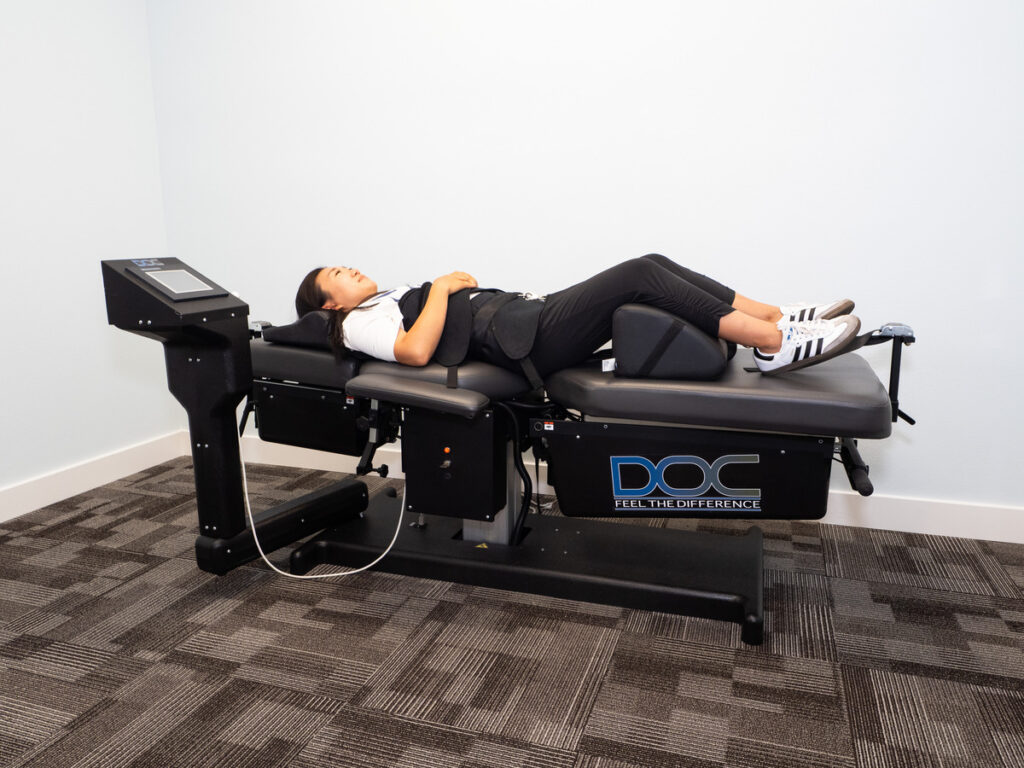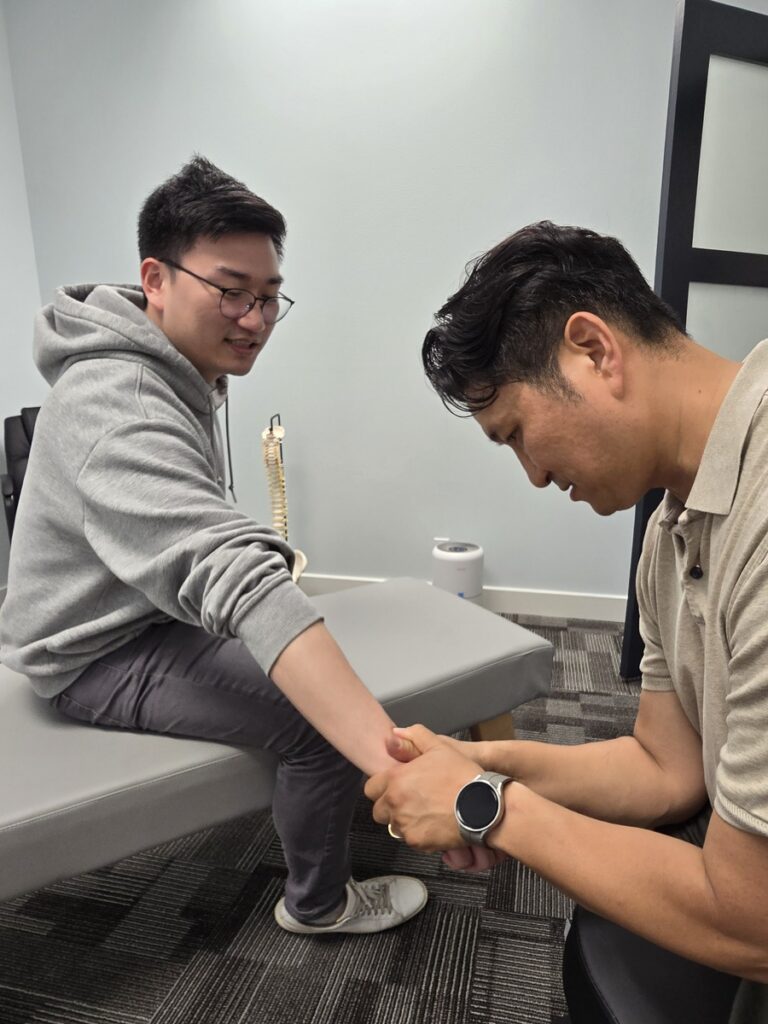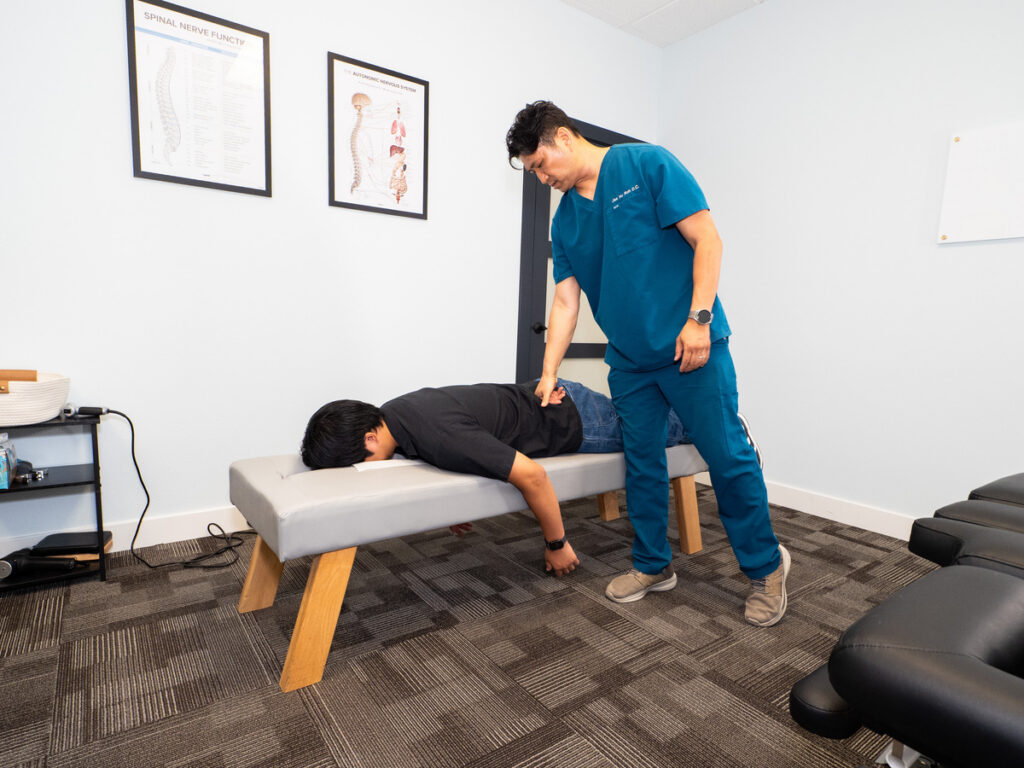

When you think about recovering from a sports injury, you might not consider the role of joint manipulation techniques, but they can greatly enhance your healing process. By safely incorporating cracking methods, you could alleviate pain and regain mobility more quickly than you might expect. However, it's essential to understand how these techniques fit into a broader recovery plan. As you explore these options, you'll want to know the best practices to guarantee your safety and effectiveness in this approach. What might surprise you is how these methods can reshape your entire rehabilitation journey.
Understanding Cracking Techniques
When you're dealing with sports injuries, understanding cracking techniques can be vital for your recovery. Cracking refers to the manipulation of joints and soft tissues to relieve pain and improve mobility. When you experience discomfort, you might find that certain cracking techniques can provide immediate relief and enhance your healing process.
One common technique involves joint mobilization, where you gently move a joint through its range of motion. By doing this, you can help reduce stiffness and improve blood flow to the affected area. It's important to perform these movements slowly and mindfully, ensuring you don't push yourself too hard. This way, you can avoid further injury while promoting recovery.
Another method is self-manipulation, where you apply pressure to certain areas of your body to create a cracking sound. This can be effective for releasing trapped gas bubbles in your joints, leading to a feeling of relief. However, you should only attempt self-manipulation if you're confident in your ability to do so safely. If you're unsure, consulting a professional is always best.
Lastly, incorporating stretching and strengthening exercises during your recovery can complement these cracking techniques. By maintaining flexibility and building strength, you can support your joints and prevent future injuries.
Benefits for Athletes
Recognizing the benefits of effective recovery techniques can transform an athlete's performance and longevity in their sport. When you invest time in proper recovery methods, you're not just healing; you're enhancing your overall athletic ability.
First and foremost, effective recovery techniques help reduce the risk of re-injury. By allowing your body to heal appropriately, you build a stronger foundation for future training and competition.
Moreover, incorporating specific recovery practices can improve your flexibility and mobility. As you work through your recovery, you'll notice increased range of motion, which translates to better performance and agility on the field or court. This enhanced mobility can give you a competitive edge, allowing for quicker reactions and more fluid movements.
Mental benefits also play an essential role. As you embrace effective recovery techniques, you'll likely experience reduced stress and anxiety. This mental clarity can improve focus during practice and competition, enabling you to perform at your best when it counts.
Additionally, a well-structured recovery routine fosters a deeper connection between your mind and body. You become more attuned to your physical needs, helping you listen to your body and respond appropriately, whether that means pushing harder or taking a break.
Lastly, consistent recovery practices can extend your athletic career. By prioritizing recovery, you're investing in your long-term health and performance, ensuring you stay in the game longer.
Embrace these benefits, and watch how they propel you toward your athletic goals.
How Cracking Affects Recovery
Cracking, whether it's your knuckles, back, or other joints, can have a significant impact on your recovery process. Many athletes turn to this practice, believing it helps relieve tension and improve mobility. While cracking can provide temporary relief, it's crucial to understand how it influences your overall recovery.
Firstly, cracking can enhance your range of motion by allowing joints to move more freely. This can be particularly beneficial if you're dealing with tightness after an injury. However, it's important to recognize that while you might feel immediate relief, it doesn't necessarily promote long-term healing.
Secondly, the psychological aspect of cracking shouldn't be underestimated. The sound often brings comfort, reassuring you that your joints are functioning properly. This can boost your confidence as you recover, making you feel more in control of your body.
Lastly, habitual cracking can lead to dependency. You might find yourself relying on it for relief, which could mask underlying issues that need proper attention. Ignoring these problems might prolong your recovery or even lead to further injury.
In summary, while cracking can offer temporary benefits, it's crucial to balance this practice with other recovery methods. Consider these points before relying solely on cracking during your healing journey:
- Enhances range of motion temporarily
- Provides psychological comfort
- Risk of dependency on cracking for relief
Understanding how cracking affects your recovery can help you make informed decisions as you work towards healing.
Safe Practices for Cracking
If you choose to incorporate cracking into your recovery routine, it's important to adopt safe practices to minimize potential risks. First, always listen to your body. If something feels painful or uncomfortable, stop immediately. Cracking should never cause sharp pain; it should feel relieving.
Next, verify you're in a safe environment where you won't risk injury from falling or straining yourself. Use a firm surface, and avoid cracking in unstable positions. Proper body alignment is essential. Focus on maintaining good posture to prevent unnecessary strain on your joints and muscles.
Consider seeking guidance from a qualified practitioner, like a chiropractor or physical therapist. They can demonstrate proper techniques and help you understand what's safe for your specific injuries. They'll also provide personalized advice tailored to your recovery needs.
Warm up your body before cracking. Gentle stretches can prepare your muscles and joints, making the process smoother and more effective. Stretching not only enhances flexibility but also reduces the likelihood of injury during cracking.
Finally, don't overdo it. Cracking too frequently or too aggressively can lead to irritation or injury. Limit yourself to a few times a week, and balance it with other recovery methods, like rest, ice, and physical therapy exercises.
Integrating Cracking Into Rehabilitation
When incorporating cracking into your rehabilitation routine, it's crucial to do so mindfully and strategically. This technique can complement your recovery process, but you need to approach it with caution.
Start by evaluating your injury and understanding where cracking can benefit you. It's not just about the snap, crackle, and pop; it's about enhancing your mobility and reducing pain.
Here are three key points to take into account when integrating cracking into your rehab:
- Timing: Use cracking techniques during specific phases of your rehabilitation. Early on, focus on gentle movements to increase blood flow. As you progress, incorporate cracking to improve joint mobility and relieve tension.
- Technique: Confirm you're using proper cracking techniques. If you're uncertain, consult a professional who can guide you on the best practices tailored to your injury. Incorrect techniques can lead to setbacks.
- Listen to Your Body: Pay attention to how your body responds. If you feel pain or discomfort after cracking, it might be a sign to adjust your approach or consult a healthcare professional. Recovery is individual, so what works for one person may not work for you.
Real-Life Success Stories
Many athletes have found success in their recovery journeys through various techniques, including cracking.
Take Sarah, a dedicated runner who suffered a severe ankle sprain during a marathon. Frustrated by her slow recovery, she sought out a physical therapist who incorporated cracking techniques into her rehabilitation. After just a few sessions, Sarah noticed a significant reduction in pain and increased mobility. With her therapist's guidance, she gradually returned to running, ultimately completing her next marathon stronger than ever.
Then there's Mike, a professional soccer player who faced an intimidating knee injury. Traditional treatments weren't yielding results, so he turned to a chiropractor skilled in joint manipulation. This approach focused on cracking and aligning his knee to relieve pressure and improve function. Within weeks, Mike experienced a remarkable turnaround, regaining strength and flexibility. He attributes his swift return to the field to the innovative techniques he embraced.
Lastly, consider Jenna, a competitive swimmer who struggled with persistent shoulder pain. Tired of being sidelined, she began working with a sports recovery specialist who integrated cracking into her regimen. The adjustments helped alleviate tension and restore her range of motion. Within a month, Jenna was back in the water, smashing her personal bests.
These success stories highlight how cracking techniques can play an essential role in your sports injury recovery.
Conclusion
Incorporating cracking techniques into your recovery routine can greatly enhance your healing process. By alleviating pain and improving flexibility, you'll not only recover faster but also boost your confidence as an athlete. Just remember to balance these methods with other recovery practices and consult professionals to guarantee you're doing it safely. Embrace the journey, trust the process, and get ready to return stronger than ever!