
When you experience sports-related pain, finding the right relief can be challenging. You might consider a mix of traditional and alternative treatments, from ice and heat therapies to over-the-counter medications. Each method has its benefits, but understanding how to effectively integrate them is essential for ideal recovery. There are also lesser-known approaches that could enhance your healing process. So, what combination of strategies will truly work for you?
Understanding Sports-Related Pain
When you engage in sports, you're likely to experience some level of pain, whether it's from a minor strain or a more serious injury. Understanding the nature of this pain is vital for effective management and recovery. Pain can originate from various sources, including muscles, ligaments, tendons, and bones. It might be acute, resulting from a specific incident, or chronic, developing gradually over time due to repeated stress or overuse.
One common type of sports-related pain is musculoskeletal pain, which affects your muscles, tendons, and joints. This pain often arises from improper technique, insufficient warm-up, or inadequate conditioning. You might feel it as a dull ache after a workout or a sharp pain during an activity. It's important to distinguish between normal discomfort and pain signaling an injury.
Another factor to take into account is the psychological aspect of pain. Stress and anxiety can amplify your perception of pain, making it feel worse than it actually is. Recognizing this can help you approach your pain with a more balanced mindset.
Ultimately, understanding sports-related pain equips you with the knowledge to address it effectively. You'll want to assess the intensity and location of your pain and monitor any changes. This awareness allows you to make informed decisions about your training and seek appropriate help when necessary.
Rest and Recovery Techniques
After understanding sports-related pain, it's important to focus on effective rest and recovery techniques. Rest isn't just about lying down; it's a significant part of your healing process. Listen to your body—if you're feeling fatigued or sore, take a break. This doesn't mean complete inactivity, but rather engaging in lighter activities that promote blood flow without straining your muscles.
Incorporating active recovery days can be beneficial. Activities like walking, swimming, or cycling at a low intensity can help you stay active while allowing your muscles to recover. This way, you maintain fitness without pushing your body too hard.
Sleep also plays an essential role in recovery. Aim for 7 to 9 hours of quality sleep each night. During sleep, your body repairs itself, releasing growth hormones that help heal tissues and reduce inflammation. Create a bedtime routine to improve your sleep quality—dim the lights, avoid screens, and establish a consistent sleep schedule.
Don't forget about nutrition, either. Fuel your body with the right nutrients to support recovery. Focus on a balanced diet rich in protein, healthy fats, and carbohydrates. Staying hydrated is equally important; water helps transport nutrients to your muscles and flush out toxins.
Lastly, consider incorporating relaxation techniques like yoga or meditation into your routine. These practices can reduce stress and promote mental clarity, allowing your body to recover more effectively.
Prioritizing rest and recovery is fundamental for getting back to your best performance.
Ice and Heat Therapy
Often, athletes turn to ice and heat therapy as effective methods for managing sports-related pain and promoting recovery. These techniques can help you address various injuries, reduce inflammation, and enhance your overall performance.
When using ice therapy, you should apply a cold pack or ice wrapped in a cloth to the affected area for about 15-20 minutes. This helps constrict blood vessels and numb the area, reducing swelling and pain. Ice therapy is particularly useful right after an injury or during the first 48 hours post-incident.
Remember to avoid direct contact with ice to prevent skin damage.
On the other hand, heat therapy is great for soothing stiff muscles and improving circulation. You can use a heating pad, warm towel, or take a warm bath to deliver heat to the affected area. Applying heat for 15-20 minutes can help relax tight muscles and alleviate pain.
It's best to use heat therapy before activities to loosen up and prepare your muscles.
While both methods are effective, it's important to choose the right one based on your situation. If you're dealing with swelling or an acute injury, ice is your best bet. But if you're experiencing muscle tension or chronic pain, heat can be more beneficial.
Listening to your body is key. By incorporating ice and heat therapy into your recovery routine, you can help accelerate healing and get back to your sport faster.
Over-the-Counter Medications
When you're dealing with sports-related pain, over-the-counter (OTC) medications can be a quick solution.
It's important to know which common pain relievers work best for your needs and to follow dosage and safety guidelines.
Understanding these factors can help you manage your discomfort effectively and safely.
Common OTC Pain Relievers
Pain relief is essential for athletes and active individuals alike, especially when it comes to managing discomfort from sports-related injuries. Over-the-counter (OTC) pain relievers can be a convenient and effective option for you.
Among the most common OTC medications are nonsteroidal anti-inflammatory drugs (NSAIDs) like ibuprofen and naproxen. These help reduce inflammation and alleviate pain, making them popular choices for muscle strains, sprains, and other injuries.
Acetaminophen is another widely used OTC pain reliever. While it's effective for pain relief, it doesn't have the anti-inflammatory properties that NSAIDs do. Depending on your specific needs, you might choose one over the other.
Topical pain relievers, such as creams or gels containing menthol or capsaicin, can also provide localized relief. You can apply these directly to the affected area, making them a great option if you want to avoid systemic side effects.
Dosage and Safety Guidelines
Understanding dosage and safety guidelines for over-the-counter medications is essential for effective pain management. When you're dealing with sports-related pain, you want to make sure you're using these medications safely and effectively. Here are some key points to keep in mind:
- Follow Recommended Dosages: Always stick to the dosage instructions on the packaging. Taking more than recommended can lead to serious health issues, including liver damage with acetaminophen or gastrointestinal problems with NSAIDs.
- Consider Your Health Conditions: If you have existing health conditions, such as liver disease or gastrointestinal issues, consult a healthcare professional before taking any over-the-counter medications. They can help you determine the safest options.
- Monitor for Side Effects: Pay attention to how your body reacts after taking a medication. If you experience any unusual symptoms, stop taking the medication and consult your doctor immediately.
Physical Therapy Approaches
Physical therapy approaches play an important role in managing sports-related injuries and enhancing recovery. By focusing on tailored exercises, strength training, and flexibility techniques, you can effectively alleviate pain and improve your overall function. A physical therapist will evaluate your specific condition and develop a personalized treatment plan that addresses your unique needs.
One of the key components of physical therapy is therapeutic exercises. These exercises help to restore strength, range of motion, and stability to the injured area. You'll likely perform a combination of stretching and strengthening exercises that not only target the injury but also improve your overall athletic performance. Your therapist may also use resistance bands or weights to progress your strength training safely.
Manual therapy techniques are another important aspect of physical therapy. These hands-on methods help to mobilize joints, improve circulation, and reduce pain. Your therapist might use techniques like joint mobilization or soft tissue manipulation to enhance healing and restore function.
Additionally, physical therapists often incorporate modalities like ultrasound, electrical stimulation, or ice and heat treatments to relieve pain and reduce inflammation. These treatments can complement your exercise regimen and speed up the recovery process.
Finally, education is an essential part of physical therapy. You'll gain valuable insights into injury prevention strategies, proper body mechanics, and safe practices to make sure you're less likely to reinjure yourself in the future.
Massage Therapy Benefits
Many athletes find that massage therapy offers significant benefits for managing sports-related pain and enhancing recovery.
It's not just about relaxation; massage can be a powerful tool in your performance arsenal. Here are three key benefits you can expect from regular massage therapy:
- Pain Reduction: Massage helps alleviate muscle soreness and tension, making it easier for you to recover from tough workouts. By increasing blood flow and reducing inflammation, you'll notice a decrease in pain levels.
- Improved Flexibility: Regular massage therapy can enhance your range of motion. By targeting tight muscles and connective tissues, it helps to loosen you up. This flexibility can lead to better performance in your sport and a lower risk of injury.
- Stress Relief: Sports can be mentally demanding, and massage therapy provides a calming effect that helps reduce anxiety and stress. This mental relaxation can boost your focus and overall performance during competitions.
Incorporating massage therapy into your routine can be a game-changer.
Whether you're preparing for a big event or recovering from an intense training session, the benefits of massage can't be overlooked.
By addressing both physical and mental aspects of your well-being, you'll not only perform better but also enjoy your sport more fully.
Chiropractic Care Options
When you're dealing with sports-related pain, chiropractic care can offer effective relief.
Spinal adjustments can realign your body, while soft tissue techniques help heal injuries.
Additionally, focusing on rehabilitation and recovery can get you back in the game faster.
Spinal Adjustments Benefits
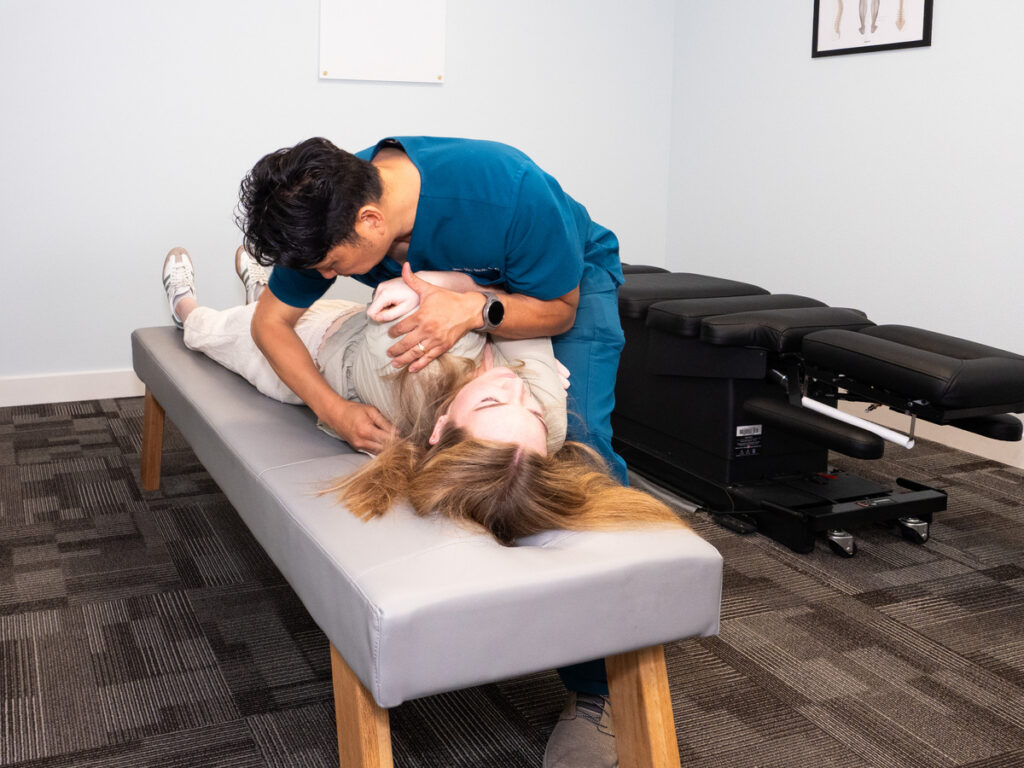
Chiropractic care, particularly spinal adjustments, offers numerous benefits that can greatly enhance your recovery from sports-related injuries. When you experience pain or discomfort, these adjustments can provide immediate relief and promote overall wellness.
Here are three key benefits you can expect:
- Improved Mobility: Spinal adjustments help align your spine, reducing restrictions in your joints and enhancing your range of motion. This means you can get back to your favorite activities faster.
- Pain Reduction: By restoring proper alignment, spinal adjustments can alleviate pressure on nerves and reduce inflammation. This often leads to significant pain relief, allowing you to train and compete with greater comfort.
- Enhanced Performance: Regular adjustments not only address current issues but also help prevent future injuries. By optimizing your spinal health, you can improve your athletic performance, strength, and endurance.
Incorporating spinal adjustments into your recovery plan is a proactive step toward managing pain and enhancing your overall athletic experience.
Don't underestimate the power of chiropractic care in helping you achieve your sports goals.
Soft Tissue Techniques
Soft tissue techniques play an essential role in chiropractic care, especially for athletes dealing with sports-related injuries. These techniques focus on the muscles, tendons, and ligaments surrounding your joints, addressing pain and dysfunction directly at the source. When you experience an injury, soft tissue work can help reduce inflammation, promote healing, and restore mobility.
One popular method is myofascial release, which targets specific areas of tightness in the fascia, the connective tissue surrounding muscles. By applying sustained pressure, your chiropractor can help release tension and improve blood flow.
Another effective approach is Active Release Technique (ART), where your chiropractor uses their hands to evaluate and treat soft tissue injuries by applying precise pressure while you actively move.
Additionally, cross-fiber friction massage helps break down scar tissue from previous injuries, promoting better muscle function and flexibility.
Incorporating these soft tissue techniques into your treatment plan can greatly enhance your recovery, allowing you to return to your sport stronger and more resilient. By focusing on the soft tissues, you'll not only alleviate pain but also improve your overall athletic performance.
Rehabilitation and Recovery
Rehabilitation and recovery are crucial components of overcoming sports-related injuries, and various chiropractic care options can support your journey back to peak performance.
By incorporating chiropractic treatments into your recovery plan, you can enhance healing, improve mobility, and reduce pain.
Here are three chiropractic care options you might consider:
- Spinal Adjustments: These can realign your spine, relieve pressure on nerves, and improve overall function. This adjustment helps restore balance and support your body's natural healing processes.
- Therapeutic Exercises: A chiropractor can design a customized exercise program tailored to your injury. These exercises strengthen the affected area and promote flexibility, which is essential for preventing future injuries.
- Soft Tissue Therapy: Techniques like myofascial release and massage help alleviate muscle tension and improve circulation. This therapy not only speeds up recovery but also enhances your overall performance.
Integrating these chiropractic options into your rehabilitation plan can greatly boost your recovery, helping you return to your sport stronger and more resilient.
Don't hesitate to consult a chiropractor to explore the best options for your specific needs.
Alternative Treatments Overview
When it comes to managing sports-related pain, many athletes are exploring alternative treatments that go beyond conventional methods. You might find these options appealing if you're seeking relief without relying solely on medication or invasive procedures.
Alternative treatments can offer holistic approaches that address not just the pain, but also the underlying issues contributing to your discomfort.
Acupuncture is one popular alternative treatment. This ancient practice involves inserting thin needles into specific points on your body, which can help relieve pain and stimulate healing.
If needles aren't your thing, you might consider massage therapy. A skilled massage therapist can work on your muscles, promoting relaxation and improving circulation, which can alleviate pain.
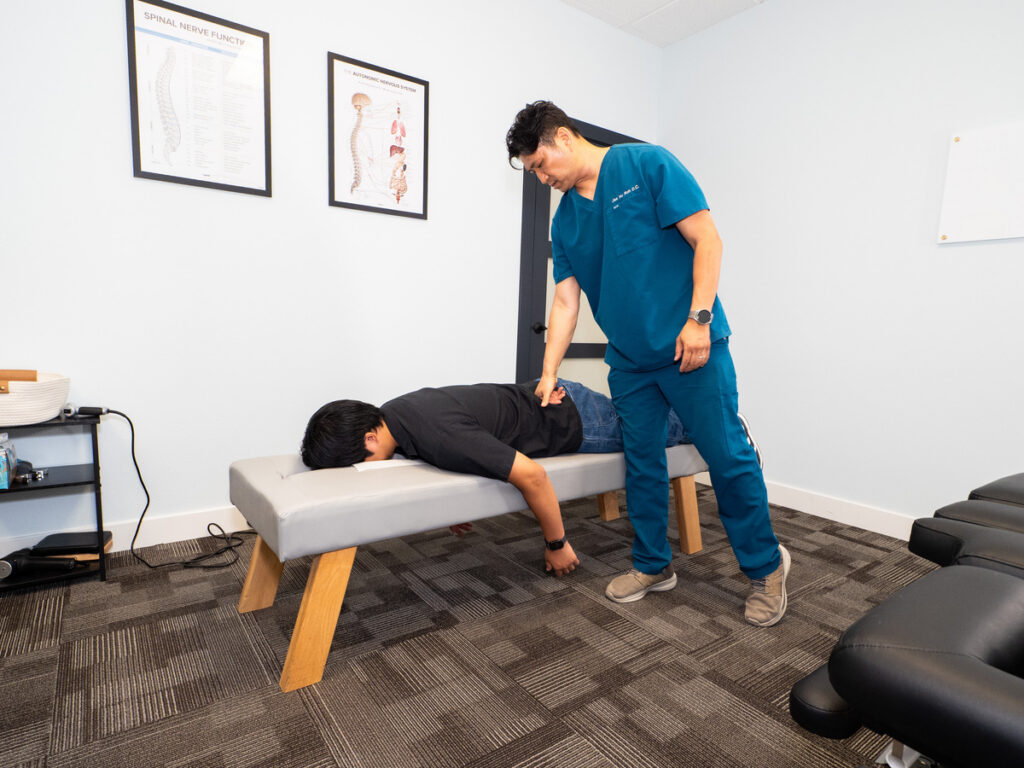
Another option is chiropractic care. Chiropractors focus on the alignment of your spine and joints, utilizing adjustments to restore mobility and reduce pain.
If you're interested in a more mindful approach, yoga and meditation can provide benefits as well. These practices can enhance flexibility, strength, and mental resilience, which are vital for athletes.
Herbal remedies and supplements are also gaining traction. Many athletes are turning to natural ingredients like turmeric or omega-3 fatty acids for their anti-inflammatory properties.
However, it's important to consult with a healthcare professional before starting any new treatment.
Exploring these alternative treatments can empower you to take control of your pain management and enhance your overall athletic performance.
Preventive Measures to Consider
In sports, injury prevention is just as essential as recovery, and adopting effective preventive measures can keep you in the game longer.
By taking proactive steps, you can reduce your risk of injury and enhance your overall performance. Here are three key preventive measures you should consider:
1. Warm-Up and Cool Down: Always start your sessions with a proper warm-up. Engage in dynamic stretches and light cardio to prepare your muscles and joints for activity.
After you finish, cool down with static stretches to help maintain flexibility and reduce soreness.
2. Strength and Conditioning: Incorporate strength training into your routine to build muscle stability and endurance.
Focus on exercises that target the specific muscles used in your sport. A strong foundation can considerably lower your chances of injury during intense physical activity.
3. Listen to Your Body: Pay attention to any signs of pain or discomfort.
If something feels off, don't push through it. Rest and recuperate when necessary. Ignoring these signals can lead to more severe injuries down the line.
When to Seek Professional Help
If you're experiencing pain that lingers for more than a few days, it's time to contemplate getting professional help.
Severe symptoms, like swelling, inability to move a joint, or extreme discomfort, shouldn't be ignored.
Recognizing these signs early can prevent more serious injuries down the line.
Persistent Pain Duration
Understanding your body's signals is vital in sports-related activities, especially regarding persistent pain. If you're experiencing discomfort that lasts longer than expected, it's important to recognize when it's time to seek professional help. Ignoring persistent pain can lead to more significant issues down the line.
Here are three key indicators that you should consult a healthcare professional:
- Duration: If your pain persists beyond a week or two despite rest and home treatments, it's time to get a professional opinion.
- Intensity: If the pain becomes severe or sharp, or if it worsens during activity, don't hesitate to seek help. This could indicate an underlying problem that needs attention.
- Functionality: If you find it challenging to perform everyday activities or sports due to pain, it's a sign that a healthcare provider should evaluate your condition.
Taking action early can prevent chronic issues and guarantee you stay in the game. Listening to your body not only helps you manage pain effectively but also promotes long-term health and performance in your sport.
Don't wait—get the help you need!
Severe Injury Symptoms
When you're engaged in sports, knowing the signs of a severe injury is essential for your safety and recovery. If you experience intense pain that doesn't subside with rest or ice, it's a clear signal to seek professional help.
Swelling, bruising, or a noticeable deformity in the affected area can also indicate a serious issue. Pay attention to your ability to bear weight or use the injured part; if you can't, don't hesitate to get checked out.
Other symptoms to watch for include a popping or grinding sound during the injury, which could suggest a fracture or dislocation. If you notice numbness or tingling, particularly in your limbs, these could be signs of nerve damage or a more severe condition.
Additionally, if you experience a fever, chills, or persistent pain that worsens over time, these symptoms could indicate an infection or other complications.
Conclusion
Incorporating a combination of therapies is essential to effectively managing sports-related pain. You can ease discomfort and promote recovery through ice and heat treatments, over-the-counter medications, and physical therapy. Don't forget the benefits of chiropractic care and alternative treatments. By taking preventive measures and listening to your body, you can enhance your performance and minimize injury risks. If pain persists, seeking professional help is vital to guarantee you get back to doing what you love safely.