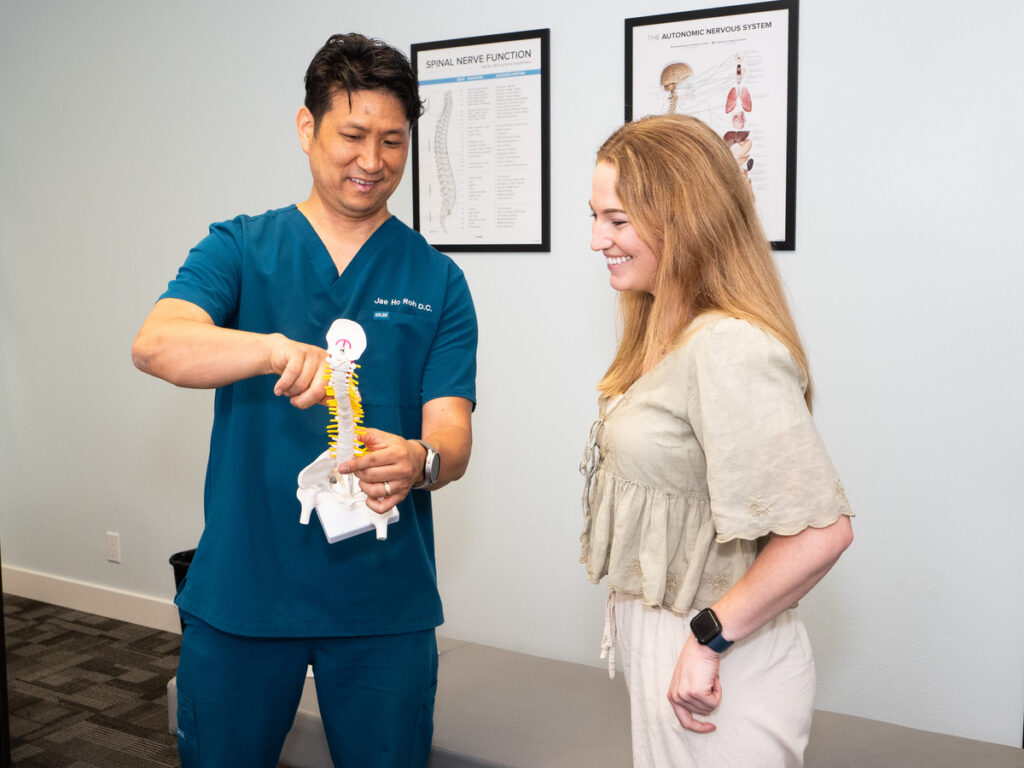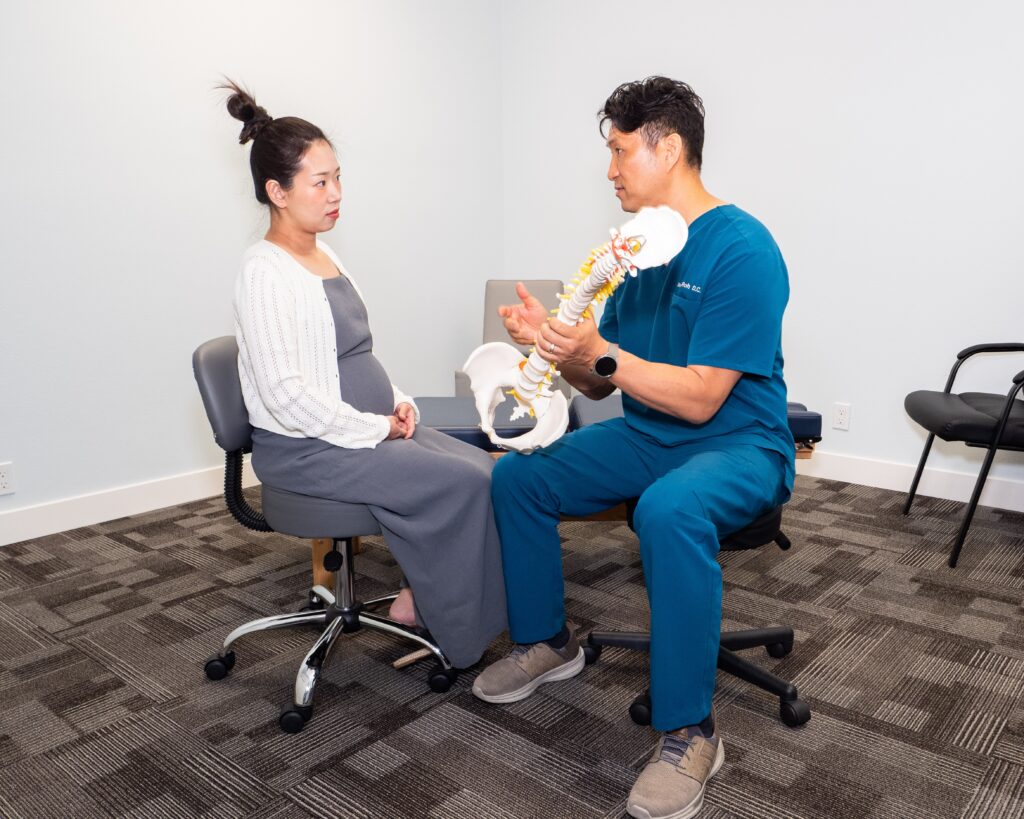

When you think about managing chronic pain, it's easy to focus solely on immediate relief, but have you considered the benefits of preventative care? By taking proactive steps, like regular check-ups and lifestyle adjustments, you can actually reduce flare-ups and enhance your overall well-being. This approach not only addresses pain but also empowers you to take control of your health. What specific strategies can you incorporate into your daily routine to make a meaningful difference?
Understanding Chronic Pain
Chronic pain persists over time, often lasting for months or even years, and it can greatly impact your daily life. You might experience discomfort that affects your ability to work, engage in social activities, or even perform simple tasks at home.
Understanding chronic pain is vital for managing it effectively. Unlike acute pain, which serves as a warning signal for injury, chronic pain often has no clear cause and can become a condition in itself.
You may find that chronic pain can stem from various sources, including conditions like arthritis, fibromyalgia, or nerve damage. It's important to recognize that emotional and psychological factors also play a significant role in your experience of pain. Stress, anxiety, and depression can intensify your pain perception, creating a cycle that's hard to break.
Identifying your specific type of chronic pain can help you and your healthcare provider develop a tailored management plan. Pay attention to the patterns of your pain: When does it worsen? What activities exacerbate it? This self-awareness can guide your treatment options and lifestyle adjustments.
Keep in mind that chronic pain doesn't define you. By understanding its complexities and acknowledging how it affects your life, you're taking the first steps towards effective management.
Empower yourself with knowledge, and don't hesitate to communicate openly with your healthcare team about your experiences and concerns. Your journey towards relief and better quality of life starts with understanding what you're dealing with.
The Role of Preventative Care
Preventative care plays an important role in managing chronic pain and enhancing your overall well-being. By focusing on proactive strategies, you can reduce the likelihood of pain flare-ups and improve your quality of life. Regular check-ups with your healthcare provider allow you to monitor your condition, assess any changes, and address potential issues before they escalate.
Engaging in preventative care also means staying informed about your pain management options. You'll want to explore various treatments and therapies that can help you manage your symptoms effectively. This could include physical therapy, medication management, or alternative therapies like acupuncture or chiropractic care. By being proactive, you can tailor a plan that suits your specific needs.
In addition to regular medical check-ups, vaccinations and screenings are crucial components of preventative care. Staying up-to-date on vaccinations can help prevent infections that may exacerbate your chronic pain. Screenings can identify underlying health issues early on, allowing you to address them before they contribute to your discomfort.
Moreover, building a strong support system is important. Surrounding yourself with family, friends, and caregivers who understand your pain can provide emotional support and encouragement. This social aspect of preventative care can greatly impact your mental health and overall resilience.
Lifestyle Modifications
To manage chronic pain effectively, you can make some key lifestyle modifications.
Focusing on diet and nutrition, regular exercise, and good sleep hygiene can greatly improve your overall well-being.
Let's explore how these changes can help you feel better and regain control over your life.
Diet and Nutrition
Eating a balanced diet can greatly impact how you manage chronic pain. The food you consume plays a vital role in inflammation levels and overall health. By making mindful dietary choices, you can potentially reduce pain and enhance your quality of life.
Here are three key dietary strategies to keep in mind:
- Incorporate Anti-Inflammatory Foods: Foods rich in omega-3 fatty acids, like salmon and walnuts, can help reduce inflammation. Leafy greens, berries, and turmeric are also excellent choices to include in your meals.
- Stay Hydrated: Drinking plenty of water is essential for overall health. Dehydration can exacerbate pain, so aim for at least eight glasses a day. Herbal teas and infused water can also keep you hydrated while adding flavor.
- Limit Processed Foods: Highly processed foods often contain additives and sugars that can trigger inflammation. Cutting back on these items and focusing on whole foods can positively impact your pain management strategy.
Exercise and Movement
Maintaining a balanced diet can provide a solid foundation for managing chronic pain, but combining it with regular exercise and movement is equally important. Engaging in physical activity helps to strengthen your muscles, improve flexibility, and enhance your overall mobility. These benefits can greatly reduce pain and make daily tasks easier.
Start with low-impact exercises like walking, swimming, or cycling. These activities are easier on your joints and can be adjusted to your comfort level. Aim for at least 150 minutes of moderate exercise each week. You don't have to do it all at once; breaking it into smaller sessions throughout the day can make it more manageable.
Incorporate stretching exercises to improve flexibility and prevent stiffness. Yoga and tai chi are excellent options, as they focus on gentle movement, balance, and relaxation.
Listen to your body, and don't push yourself too hard. It's essential to find a routine that feels good for you and fits into your lifestyle.
Sleep Hygiene Practices
A restful night's sleep is essential for managing chronic pain effectively. Quality sleep helps reduce sensitivity to pain and improves your overall well-being.
To enhance your sleep hygiene, consider adopting these practices:
- Establish a Consistent Sleep Schedule: Go to bed and wake up at the same time every day, even on weekends. This consistency helps regulate your body's internal clock and improves your sleep quality.
- Create a Relaxing Bedtime Routine: Engage in calming activities before bed, such as reading, gentle stretching, or taking a warm bath. Avoid screens, as the blue light can interfere with melatonin production and disrupt your sleep.
- Optimize Your Sleep Environment: Make your bedroom conducive to sleep. Keep it dark, quiet, and cool. Consider using blackout curtains or white noise machines to eliminate distractions.
Importance of Physical Therapy
Physical therapy plays an essential role in managing chronic pain, offering targeted strategies to improve mobility and reduce discomfort. When you engage in physical therapy, you're not just treating the symptoms; you're addressing the underlying issues contributing to your pain. A skilled physical therapist will assess your condition, develop a personalized treatment plan, and guide you through exercises designed to enhance strength, flexibility, and endurance.
One of the most significant benefits of physical therapy is its focus on movement. You'll learn how to perform daily activities more efficiently, which can help minimize strain on your body. This newfound awareness can lead to a significant decrease in pain levels and an improvement in your overall quality of life. By incorporating specific exercises, your therapist can help you strengthen muscles that support injured or painful areas, promoting healing and preventing future injuries.
Additionally, physical therapy often includes hands-on techniques such as massage, joint mobilization, and stretching. These methods can help alleviate muscle tension and improve circulation, further easing your discomfort. As you progress, your therapist will continuously adjust your program to guarantee you're challenged without exacerbating your pain.
Ultimately, committing to physical therapy can empower you to take control of your chronic pain. By actively participating in your recovery, you can develop coping strategies, improve your physical abilities, and regain a sense of normalcy in your life.
Mindfulness and Stress Management
While physical therapy addresses the physical aspects of chronic pain, managing your mental and emotional well-being is equally important.
Mindfulness and stress management techniques can greatly impact your pain experience, helping you regain control over your life. By incorporating these practices into your daily routine, you can cultivate a sense of peace and resilience.
Here are three effective mindfulness and stress management strategies you can try:
- Meditation: Set aside a few minutes each day to focus on your breath. Find a quiet space, close your eyes, and observe your thoughts without judgment. This practice can help reduce anxiety and improve your emotional response to pain.
- Deep Breathing Exercises: When you feel stress creeping in, take a moment to engage in deep breathing. Inhale deeply through your nose, hold for a few seconds, and then exhale slowly through your mouth. This simple technique can promote relaxation and lower your heart rate, making it easier to manage pain.
- Mindful Movement: Activities like yoga or tai chi combine physical movement with mindfulness. These practices not only improve flexibility and strength but also help you become more aware of your body and its sensations, promoting a more positive relationship with your pain.
Nutrition and Chronic Pain
Nutrition plays an essential role in managing chronic pain, as the foods you eat can directly influence inflammation and overall health. By making mindful choices in your diet, you can help reduce pain levels and improve your quality of life.
Incorporating anti-inflammatory foods is a great starting point. These include fruits like berries and oranges, leafy greens like spinach and kale, and fatty fish rich in omega-3 fatty acids, such as salmon and sardines.
You should also consider limiting processed foods, refined sugars, and trans fats, as these can exacerbate inflammation. Instead, focus on whole grains, legumes, nuts, and seeds, which provide essential nutrients that support your body's healing processes.
Keeping hydrated is equally important; drinking enough water helps maintain ideal bodily functions and may assist in reducing pain.
Don't forget about the importance of balance. While it's vital to eat healthily, it's equally important to enjoy your meals. Experiment with spices known for their anti-inflammatory properties, like turmeric and ginger, to add flavor without compromising health.
Building a Support Network
Building a support network is essential for managing chronic pain effectively.
You need to communicate openly with those around you, identify key supporters in your life, and explore online resources that can offer additional help.
With the right connections, you can create a stronger foundation for your journey toward relief.
Importance of Communication
Effective communication is essential when managing chronic pain, as it helps you build a supportive network that understands your struggles.
When you openly share your experiences, feelings, and needs, you empower those around you to provide the right kind of support. It's not just about expressing pain; it's about fostering understanding and connection.
Here are three ways to enhance your communication:
- Be Honest: Share your feelings authentically. When you talk about your pain, explain how it affects your daily life. This honesty encourages empathy and strengthens your bond with supporters.
- Listen Actively: Communication is a two-way street. Make sure to listen to others' insights and experiences. This can provide you with new perspectives and help you feel less isolated.
- Set Boundaries: Clearly communicate your limits and needs. Let your network know what's helpful and what isn't. This guarantees that they can support you in ways that truly matter.
Identifying Key Supporters
When managing chronic pain, identifying key supporters in your life is crucial for creating a robust support network. Start by considering family members and close friends who understand your situation and are willing to lend a helping hand. These individuals can provide emotional support, encouragement, and practical assistance when you need it most.
Next, think about healthcare professionals who play an important role in your pain management journey. This might include your doctor, physical therapist, or counselor. They can offer guidance, resources, and specialized knowledge to help you navigate your chronic pain effectively.
Don't forget about support groups, either. Connecting with others who share similar experiences can be incredibly empowering. These groups often provide a safe space for sharing coping strategies, advice, and understanding.
Finally, reach out to anyone you trust and feel comfortable with—neighbors, coworkers, or even community members. Building a diverse network guarantees you have various perspectives and resources at your disposal.
Utilizing Online Resources
Embracing online resources can greatly enhance your support network while managing chronic pain. The internet provides a wealth of opportunities to connect with others who understand your journey. By leveraging these platforms, you can find support, share experiences, and gain valuable insights into managing your condition.
Here are three effective ways to utilize online resources:
- Join Support Groups: Participate in forums or social media groups dedicated to chronic pain. Sharing your experiences and hearing from others can help you feel less isolated and more understood.
- Follow Credible Blogs and Websites: Discover blogs and websites run by chronic pain advocates or healthcare professionals. These sources often provide tips, coping strategies, and the latest research, helping you stay informed and empowered.
- Engage in Online Workshops or Webinars: Look for virtual events that focus on chronic pain management. These sessions can offer practical tools, mindfulness techniques, and connect you with others facing similar challenges.
Conclusion
Incorporating preventative care into your routine can transform how you manage chronic pain. By staying proactive with regular check-ups and embracing lifestyle modifications, you'll empower yourself to reduce flare-ups and enhance your overall well-being. Remember, integrating physical therapy, mindfulness, and proper nutrition can make a significant difference. Don't underestimate the power of a strong support network, too. Take charge of your health, and you'll pave the way for a better quality of life.