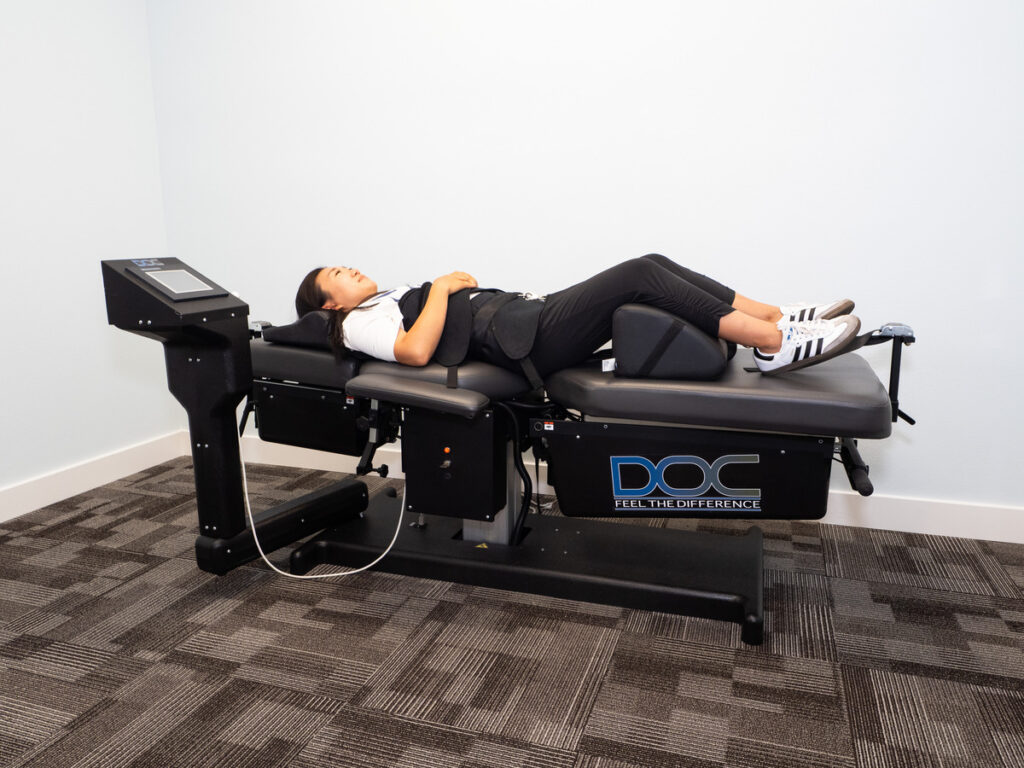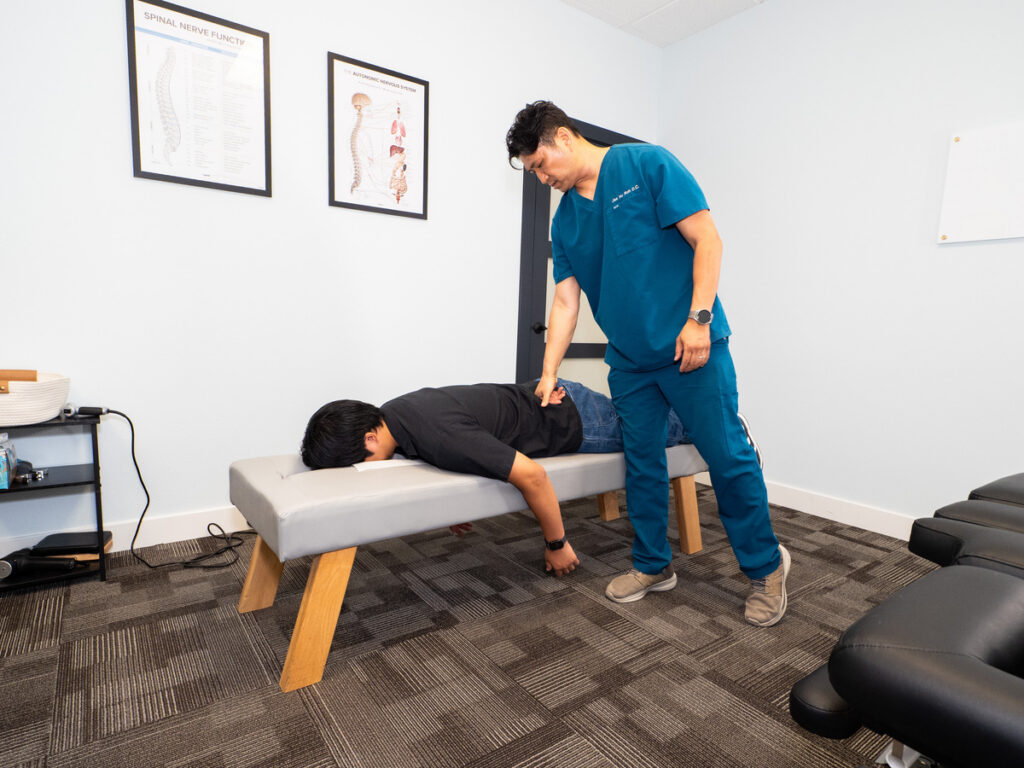

If you're experiencing discomfort in your upper back, I want to share how targeted adjustments can be a game changer for you. As a chiropractor, I've seen how these precise manipulations can help correct misalignments that may be contributing to your pain, ultimately improving your overall well-being. Many of my patients report not only a reduction in their pain levels but also noticeable enhancements in their posture and flexibility.
It's important to recognize that understanding the root causes of your discomfort is crucial for achieving long-term relief. That's why I encourage you to explore simple habits and exercises that you can easily integrate into your daily routine. These practices can greatly support your journey toward better health and help maintain the benefits of chiropractic care. Together, we can work towards alleviating your pain and enhancing your quality of life.
Understanding Upper Back Discomfort
As a local chiropractor, I often encounter patients who are unfamiliar with the causes of upper back discomfort. It's important to understand that this type of discomfort usually arises from a combination of daily habits and posture. For instance, if you spend long hours sitting without proper support, your muscles can begin to tighten and create tension.
Many people don't realize that poor ergonomics at your workspace can contribute to strain in your upper back; even if you're not feeling pain at the moment, a slouched position can gradually lead to discomfort.
Stress is another major contributor to upper back tension. When you're feeling overwhelmed, your body tends to tense up, particularly in the upper back and shoulders, which can lead to ongoing discomfort.
Additionally, if you often carry heavy bags or perform repetitive movements, you may notice increased tightness in that area. It's vital to be aware of your body mechanics and the weight you're lifting, as this can significantly impact your back health.
Inactivity is also a key factor in upper back discomfort. Without regular exercise, your muscles can weaken, making it more challenging to support your spine effectively. Incorporating simple stretches or strengthening exercises into your routine can help alleviate tension and promote a healthier back.
Lastly, age-related changes, such as disc degeneration, can play a role in upper back discomfort. While we can't halt the aging process, we can take proactive measures to maintain our back health.
By recognizing these factors, you can begin to address discomfort and work towards relief. Remember, being mindful of your posture and incorporating movement into your daily life can greatly contribute to easing upper back discomfort.
If you're looking for personalized guidance, I'm here to help you navigate this journey toward better spinal health!
Common Causes of Upper Back Pain
As a local chiropractor, I want to share some insights about upper back pain that might help you understand its common causes and how we can address them through natural healing.
Many people experience upper back pain without realizing that everyday habits could be contributing to their discomfort. One of the most significant factors is poor posture. If you find yourself slumped over a computer or your phone for extended periods, your upper back can become strained.
It's easy to overlook how your daily routines affect your posture, but when pain arises, it's a clear sign that something needs attention. Another common cause I see in my practice is muscle strain. This can happen when you lift something heavy incorrectly or push yourself too hard during physical activities.
Even everyday tasks like gardening or carrying groceries can lead to unexpected strain in your upper back muscles. Let's not forget about stress, which can have a profound effect on your body. When you're stressed, your muscles, especially in the neck and upper back, tend to tense up.
This tension can create a cycle of pain that can be difficult to break without the right care. Additionally, your sleeping position plays a crucial role in your upper back health. Sleeping on your stomach or using a pillow that doesn't provide proper support can misalign your spine and lead to discomfort upon waking.
Lastly, it's important to be aware of underlying medical conditions, such as arthritis or herniated discs, that may contribute to your pain. If your discomfort persists or worsens, I encourage you to seek professional advice.
Together, we can explore natural healing methods that address the root causes of your upper back pain, rather than just masking the symptoms. By recognizing these common issues, you can take proactive steps toward alleviating your pain and enhancing your overall well-being.
Benefits of Targeted Adjustments
As a local chiropractor dedicated to your well-being, I want to share how targeted adjustments can significantly alleviate upper back discomfort. By concentrating on specific areas where tension and misalignment occur, these adjustments help restore the natural function of your spine. When your spine is properly aligned, you're likely to experience a decrease in discomfort and an improvement in your mobility.
One of the primary benefits of targeted adjustments is the relief from pain. When I identify and correct misaligned vertebrae, it helps to relieve pressure on the nerves that may be contributing to your upper back pain. Many patients report feeling a noticeable reduction in their discomfort almost immediately after an adjustment.
Improved posture is another advantage of these targeted adjustments. Many individuals dealing with upper back discomfort often struggle with poor posture, which can worsen their pain. Through targeted adjustments, we can help reset your body's posture, reducing strain on your back over time. This not only enhances your physical appearance but also supports better overall health.
Additionally, targeted adjustments can significantly enhance your range of motion. If you're experiencing stiffness or limitations in your movements, these adjustments can help restore your flexibility, making daily activities feel more manageable. You might find that tasks you once found challenging become easier, leading to an improved quality of life.
Lastly, making regular targeted adjustments a part of your wellness routine can lead to long-term benefits. By committing to a consistent schedule, you not only relieve current discomfort but also take proactive steps to prevent future issues. This approach can make a remarkable difference in your overall well-being, allowing you to enjoy a more active and fulfilling life.
Stretching Techniques for Relief
As a local chiropractor, I often see patients struggling with upper back discomfort, and I want to share some effective stretching techniques that can make a significant difference in your daily life.
Stretching is an essential practice that helps alleviate muscle tension, improve circulation, and enhance overall flexibility. By dedicating just a few minutes each day to specific stretches, you can promote relaxation and significantly reduce discomfort.
Here are some stretching techniques I recommend for my patients:
- Cat-Cow Stretch: Begin on all fours, arch your back while inhaling (like a cow), and then round your back as you exhale (like a cat). This dynamic stretch is fantastic for mobilizing your spine and relieving tension.
- Child's Pose: Sit back on your heels and stretch your arms forward on the ground. This position gently elongates your back and provides comfort to tight muscles, promoting relaxation.
- Thoracic Rotation: Whether sitting or standing, maintain a tall posture and gently twist your upper body from side to side. This movement helps release tension in your thoracic spine and enhances your mobility.
- Doorway Stretch: Stand in a doorway, place your arms on the frame, and lean forward gently. This stretch opens up your chest and targets your upper back, providing a soothing effect.
Incorporating these stretching techniques into your daily routine can help you manage upper back discomfort more effectively.
I advise holding each stretch for at least 20-30 seconds while breathing deeply. By making these stretches a regular part of your life, you'll not only find relief from discomfort but also promote a healthier, more flexible back.
Strengthening Exercises to Consider
As your local chiropractor, I want to emphasize the importance of strengthening exercises in alleviating upper back discomfort. Many individuals may not realize how critical these exercises are in building a strong support system for your back.
I recommend incorporating resistance band exercises, bodyweight strength training, and core stability workouts into your routine. These exercises not only enhance your muscular strength but also play a vital role in improving your posture and overall mobility.
Resistance Band Exercises
As a local chiropractor, I want to introduce you to the benefits of resistance band exercises for alleviating upper back discomfort and building strength.
These adaptable bands can be a fantastic tool in your journey towards better posture and reduced tension in your back. By incorporating resistance band exercises into your routine, you can significantly enhance your overall strength and flexibility, which are crucial for maintaining a healthy spine.
Here are some effective resistance band exercises that I recommend:
- Seated Rows: Begin by sitting with your legs extended. Wrap the resistance band around your feet and pull the band back towards you. This movement engages your upper back muscles, helping to strengthen the area and improve your posture.
- Face Pulls: Anchor the band at eye level. Pull the band towards your face, focusing on squeezing your shoulder blades together. This exercise is excellent for improving shoulder stability and reducing tension in the upper back.
- Band Pull-Aparts: Hold the band at shoulder height with both hands. Stretch the band apart while keeping your arms straight. This exercise activates your upper back and can help counteract the effects of poor posture from sitting.
- External Rotations: Secure the band at waist height. Keep your elbow close to your side and rotate your forearm outward. This move strengthens your rotator cuff, which is essential for shoulder health and upper back support.
By integrating these exercises into your daily routine, you can take proactive steps towards better spinal health and overall well-being.
Bodyweight Strength Training
As a local chiropractor, I want to share some effective bodyweight exercises that can strengthen your upper back and support your overall health, all without the need for any fancy equipment or a gym membership.
These simple movements can significantly improve your posture and alleviate discomfort.
One great exercise to start with is the push-up. While many people think of push-ups as a chest exercise, they also engage your upper back muscles.
It's important to maintain proper form—keep your body straight from head to heels, and as you lower yourself, focus on squeezing your shoulder blades together. This helps reinforce the connection between your upper back and core stability.
Next, I recommend the superman exercise. For this move, lie face down on the floor, extend your arms and legs, and then lift them simultaneously off the ground.
Hold this position for a few seconds before lowering back down. This exercise not only strengthens your upper back but also enhances overall stability, which is key for maintaining a healthy spine.
Incorporating plank variations into your routine can also be incredibly beneficial. A basic plank activates your core while simultaneously engaging your upper back.
To take it a step further, try side planks or plank rotations. These variations challenge your stability and strengthen those crucial muscles in your back.
Lastly, let's not forget about wall angels. Stand with your back against a wall and raise your arms, sliding them up and down while keeping contact with the wall.
This exercise is fantastic for boosting mobility and effectively strengthening your upper back, which can help alleviate tension and improve your posture.
Integrating these bodyweight exercises into your routine can support your chiropractic care and promote natural healing, leading to a healthier and more balanced body.
Core Stability Workouts
As a chiropractor, I want to emphasize that improving your upper back isn't solely about targeted exercises; it's also crucial to focus on core stability, which plays a vital role in supporting your entire body.
A strong core is essential for maintaining proper posture and alleviating strain on your upper back, which can help prevent discomfort and promote overall wellness.
Incorporating core stability workouts into your routine can lead to significant improvements. Here are some effective exercises I recommend:
- Planks: This exercise engages your entire core while keeping your body in a straight line. Aim to hold this position for 30 seconds to a minute to build strength and stability.
- Bird-Dog: Begin on all fours, extend one arm and the opposite leg simultaneously, and then switch sides. This movement enhances both balance and stability, which are crucial for spinal health.
- Russian Twists: Sit on the floor and lean back slightly while rotating your torso side to side. This exercise targets your obliques and helps strengthen your core, providing support for your upper back.
- Dead Bugs: Lie on your back with your legs raised and arms extended. Lower them alternately while keeping your core engaged. This exercise promotes coordination and stability, which are key to a healthy spine.
These exercises not only build core strength but also enhance your overall stability, which can be particularly beneficial in relieving upper back discomfort.
Remember, consistency is essential. Integrate these workouts into your weekly routine, and you'll likely notice a positive difference in how you feel.
Your upper back will appreciate the effort, and it can complement the benefits of chiropractic care for a more holistic approach to your health.
Importance of Posture Awareness
As a local chiropractor, I want to emphasize the importance of being mindful of your posture and how it can significantly alleviate upper back discomfort. Many people are unaware that poor posture can lead to unnecessary strain on your muscles and spine, resulting in pain and tension. By practicing proper alignment while sitting, standing, or moving, you can distribute your weight evenly and reduce pressure on your upper back.
Let's start with your workspace. If you spend long hours at a desk, it's crucial to ensure that your chair provides adequate support for your lower back and that your computer screen is positioned at eye level. Your feet should be flat on the ground, with your knees forming a right angle. Taking short breaks to stretch and realign your body can help counteract the negative effects of prolonged sitting.
When standing, remember to keep your shoulders relaxed and align your head with your spine. Avoid leaning forward or slumping, as this can lead to muscle fatigue and discomfort. To help maintain awareness of your posture throughout the day, consider using simple reminders, such as sticky notes or phone alarms.
Incorporating posture awareness into your daily routine isn't just about relieving discomfort; it can also enhance your overall well-being. Good posture supports better breathing, improved circulation, and increased energy levels, making you feel more alert and focused. Moreover, it can boost your confidence and presence in social situations.
As your chiropractor, I'm here to support you on your journey to better health. By understanding and improving your posture, you're taking an important step toward a healthier, more vibrant life.
Professional Adjustment Options
If you're struggling with ongoing discomfort in your upper back, I want to share how professional adjustment options, particularly chiropractic care, can play a vital role in your journey to improved posture and overall health.
As a chiropractor, I focus on specific areas of tension and misalignment in your spine, which can greatly enhance your mobility and comfort. Here are some effective approaches I recommend:
- Chiropractic Adjustments: These are spinal manipulations that help realign your vertebrae. By doing so, we can reduce pain and improve your range of motion, allowing you to move freely and comfortably.
- Massage Therapy: Incorporating therapeutic techniques like deep tissue massage can be incredibly beneficial. These methods relieve muscle tension and improve blood circulation, promoting relaxation and recovery.
- Physical Therapy: Partnering with a physical therapist can provide personalized exercises and stretches aimed at strengthening your upper back, specifically tailored to alleviate your discomfort.
- Acupuncture: This ancient practice involves the use of fine needles to stimulate specific points in the body. It can help balance your body's energy and effectively reduce pain.
Choosing the right professional adjustment depends on your unique needs and preferences. I encourage you to consult with a qualified practitioner—like myself—who can evaluate your condition and recommend an appropriate course of action.
Consistency is crucial; regular adjustments can lead to lasting benefits, helping you maintain a healthier posture and prevent future discomfort.
By exploring these professional options together, you're taking a proactive step towards enhancing your overall well-being.
Don't hesitate to reach out for help; your upper back deserves the care and attention necessary for it to thrive.
Let's work together to create a healthier you!
Daily Habits for Prevention
As a local chiropractor, I want to share some essential daily habits that can help you prevent upper back discomfort. One of the most effective ways to start is by creating an ergonomic workspace. This means arranging your desk, chair, and computer setup in a way that supports your body and reduces strain on your back.
In addition to a proper workspace, incorporating regular stretching routines into your day can significantly benefit your back health. Gentle stretches can help alleviate tension and improve flexibility, which is crucial for maintaining a strong and healthy spine.
Lastly, being mindful of your posture throughout the day is vital. Whether you're sitting at your desk, standing in line, or even walking, keeping your spine aligned can make a big difference in how you feel.
Ergonomic Workspace Setup
As a local chiropractor, I want to emphasize the importance of creating an ergonomic workspace to help prevent upper back discomfort. Many of my patients come to me with issues that could be alleviated through proper workspace setup.
By making thoughtful adjustments to your work area, you can promote better posture and significantly reduce strain on your muscles. Here are a few key changes I recommend:
- Chair Height: Ensure your chair is adjusted so that your feet rest flat on the floor and your knees form a 90-degree angle. This position helps maintain proper alignment and support for your back.
- Monitor Position: It's crucial to position your monitor at eye level and about an arm's length away. This adjustment helps prevent you from leaning forward, which can lead to poor posture and discomfort.
- Keyboard and Mouse: Keep your keyboard and mouse close to your body. Your elbows should remain at your sides with your wrists straight. This positioning minimizes strain on your arms and shoulders.
- Desk Organization: Organize your desk so that frequently used items are easily accessible. This prevents unnecessary stretching or reaching, which can put additional strain on your upper back.
Remember, a well-structured workspace not only enhances your comfort but also supports your overall health and well-being.
If you have any questions or need further guidance, feel free to reach out during your next visit!
Regular Stretching Routines
As a local chiropractor, I want to emphasize the importance of incorporating regular stretching routines into your daily life, especially when it comes to preventing upper back discomfort. Many people overlook how a few minutes of stretching each day can significantly enhance flexibility, boost circulation, and relieve the tension that accumulates in your muscles.
I recommend focusing on stretches that specifically target your upper back and shoulders. Simple exercises like shoulder rolls, chest openers, and seated twists are effective ways to alleviate tightness and promote better posture.
Try to set aside a few moments each morning or during breaks throughout your day to engage in these stretches. It's crucial to listen to your body. If you experience tightness or discomfort, take it as a signal to stretch and release that tension.
Making these stretching habits a part of your daily routine can help not only in preventing discomfort but also in enhancing your overall mobility and well-being.
Additionally, consider pairing your stretching with deep breathing exercises. Inhale deeply while you stretch to allow your body to relax further into the movement.
Remember, consistency is key! By prioritizing stretching, you'll lay the groundwork for a healthier, pain-free upper back. Make it a daily habit, and you'll likely notice a significant improvement in how you feel over time.
As your chiropractor, I encourage you to embrace these natural healing practices to support your body's overall health.
Posture Awareness Techniques
As a local chiropractor, I often see patients who spend long hours at desks or glued to their phones, leading to discomfort in their upper backs.
It's essential to understand that being mindful of your posture can play a crucial role in preventing these issues. Implementing simple posture awareness techniques can greatly support your spine and alleviate muscle strain throughout the day.
I encourage you to regularly check in on your posture. Here are a few daily habits you can easily incorporate into your routine:
- Sit Tall: When seated, aim to keep your back straight, shoulders relaxed, and feet flat on the floor. This position helps maintain the natural curve of your spine.
- Screen Height: Ensure your computer screen is at eye level. This adjustment will help you avoid leaning forward or hunching over, reducing the risk of tension in your neck and back.
- Breaks Matter: Make it a habit to stand up and stretch every 30-60 minutes. This simple act can reset your posture and relieve built-up tension in your muscles.
- Mind Your Phone: When using your phone, hold it at eye level. This practice minimizes neck strain and keeps your spine aligned.
By incorporating these techniques into your daily life, you can take proactive steps toward improving your posture and overall spine health.
Conclusion
As a local chiropractor, I want to share how incorporating targeted adjustments into your routine can significantly alleviate upper back discomfort and improve your overall well-being. Many people aren't aware that upper back pain can stem from various causes, including poor posture, muscle imbalances, and stress. By understanding these factors, we can work together to create a comprehensive plan that includes adjustments, stretching, strengthening exercises, and awareness of posture.
Regular chiropractic adjustments can help realign your spine, relieve tension, and restore proper function to your body. When combined with stretching and strengthening exercises, these adjustments can lead to lasting relief from discomfort. It's also essential to consider professional guidance when needed, as I am here to help you navigate your healing journey.
Additionally, making small adjustments in your daily habits—like being mindful of your posture while sitting and taking regular breaks from prolonged activities—can prevent future issues. Embrace these strategies, and you'll soon find yourself moving more freely and comfortably. Remember, your journey to better health is a partnership, and I'm here to support you every step of the way!