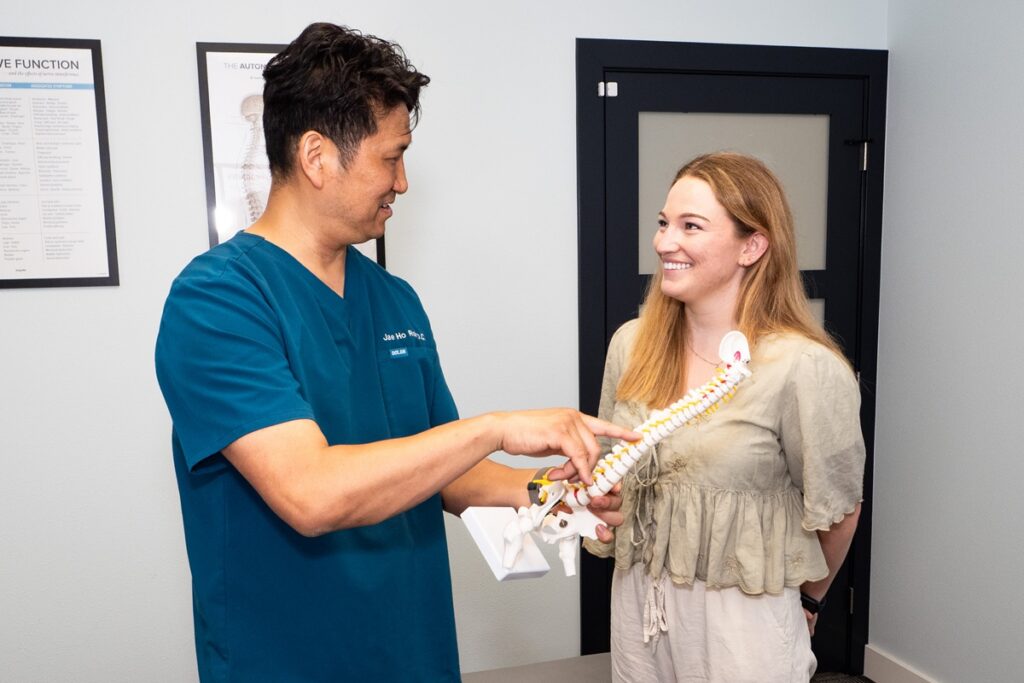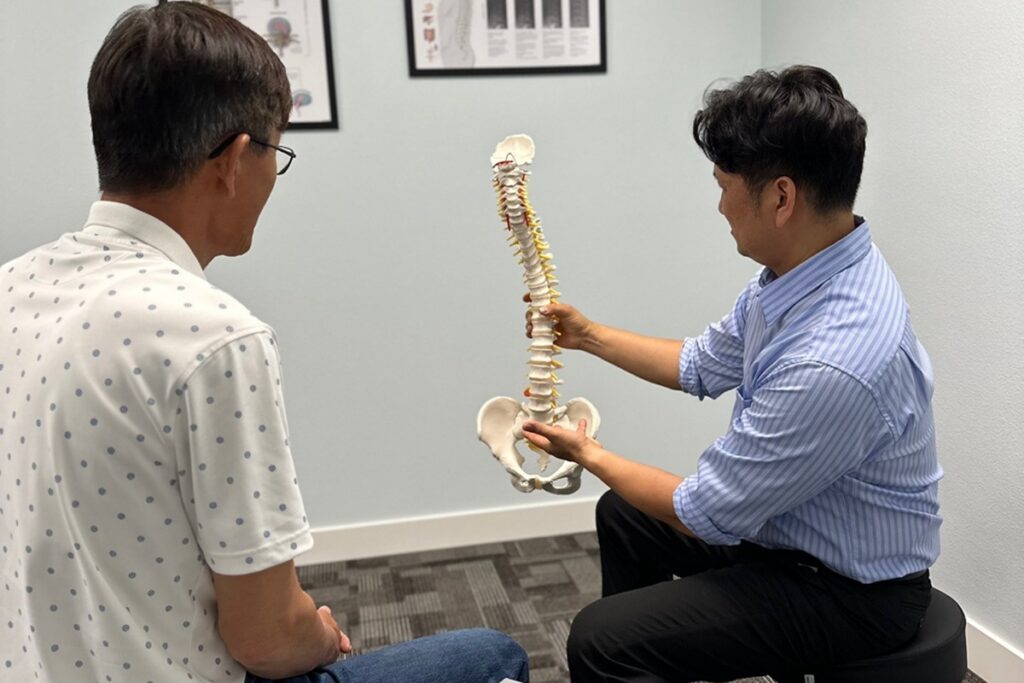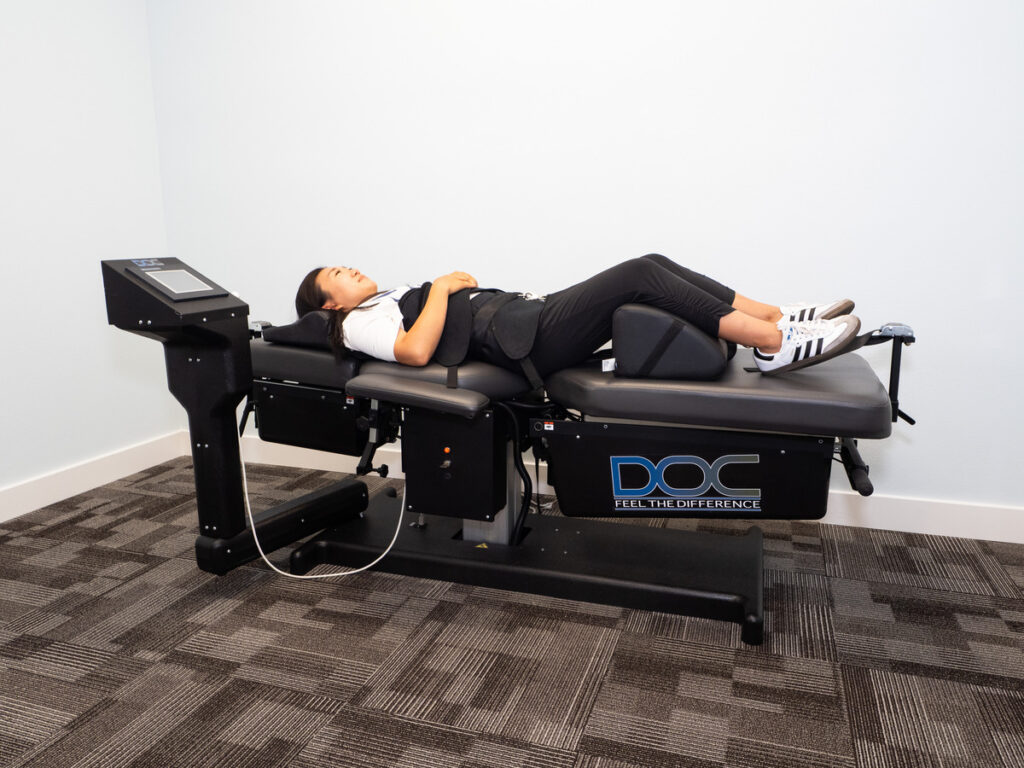

If you’re experiencing lower back pain, I want you to know that you’re not alone, and there are effective ways to find relief. Many of my patients come in with similar discomfort that can disrupt their daily lives. As a chiropractor, I believe in the power of natural healing and the body’s ability to recover with the right support.
One of the first steps in managing your back pain is to improve your posture. This can have a profound impact on your spinal health. Additionally, incorporating specific exercises into your routine can strengthen the muscles that support your back, making a significant difference in your overall comfort.
If you’re curious about how chiropractic care can help or what other natural strategies you can use to alleviate your pain, I’m here to guide you. Let’s work together to explore practical approaches that can facilitate your recovery and enhance your well-being.
Maintain Good Posture
As a local chiropractor, I want to emphasize the importance of maintaining good posture for your overall health, especially when it comes to preventing and alleviating lower back pain. Many people may not realize how crucial proper posture is in distributing body weight evenly, which ultimately reduces strain on your spine and muscles.
When you’re sitting, ensure that your feet are flat on the floor and that you’re using a chair that provides support for your lower back. If your work requires long periods of standing, it’s beneficial to shift your weight from one foot to the other and engage your core muscles. This practice helps to support your back and can alleviate discomfort.
While working at a desk, positioning your computer screen at eye level is essential. This adjustment helps you avoid the temptation to slouch, which can lead to further issues down the line.
I also recommend taking regular breaks to move around and reset your posture—this simple act can make a significant difference in how you feel throughout the day.
When lifting objects, remember to bend at your knees instead of your waist to protect your lower back. By being mindful and consciously practicing good posture throughout your daily activities, you can greatly reduce the risk of experiencing pain and promote a healthier spine.
Embracing these habits not only supports your physical well-being but can also enhance your quality of life.
Incorporate Stretching Exercises
As a local chiropractor, I want to emphasize the importance of incorporating stretching exercises into your daily routine, especially if you’re experiencing lower back pain.
These gentle stretches can significantly alleviate discomfort while improving your flexibility and strengthening the muscles that support your back.
Understanding how to properly stretch is crucial for effective relief. Simple techniques such as the cat-cow stretch, child’s pose, and hamstring stretches can work wonders in loosening tight muscles and promoting better spinal alignment.
I encourage you to practice these stretches regularly—ideally, daily or at least several times a week—for the best outcomes.
By making stretching a consistent part of your routine, you’ll not only support your back but also enhance overall mobility and well-being.
If you have any questions or need guidance on specific stretches that suit your needs, please feel free to reach out.
Your health is our priority, and we’re here to help you on your healing journey.
Benefits of Stretching
As a local chiropractor, I want to emphasize the vital role stretching plays in managing lower back pain and improving your overall flexibility. Many of my patients find relief through regular stretching routines, which help to release muscle tension that often contributes to discomfort in the lower back.
When you engage in stretching, you not only enhance blood circulation but also promote healing and increase your joints’ range of motion. This is particularly beneficial for your posture, as it can significantly reduce strain on your lower back during everyday activities.
Furthermore, stretching strengthens the muscles that support your spine, making them more resilient and less prone to injury.
It’s also worth noting that stretching isn’t just about physical benefits; it has a positive impact on your mental well-being too. By incorporating stretching into your daily routine, you can reduce stress and lift your mood, both of which are essential components of a successful recovery process.
Incorporating stretching into your daily habits can be a simple yet effective way to support your journey towards relief from lower back pain.
Recommended Stretching Techniques
As a local chiropractor, I often emphasize the importance of incorporating specific stretching techniques into your daily routine, especially for those struggling with lower back pain.
These gentle stretches can significantly enhance your recovery and promote natural healing. Here are three effective stretches I recommend:
- Knees-to-Chest Stretch: To perform this stretch, lie flat on your back and gently bring your knees up toward your chest. Hold this position for about 20-30 seconds. This stretch is fantastic for relieving tension in your lower back and can help alleviate discomfort.
- Cat-Cow Stretch: Begin on all fours, positioning your hands under your shoulders and knees under your hips. Alternate between arching your back upward (like a cat) and lowering your belly while lifting your head and tailbone (like a cow). Breathe deeply as you move through this sequence for 5-10 cycles. This stretch not only helps to mobilize the spine but also encourages relaxation.
- Child’s Pose: This restorative pose is performed by kneeling on the floor and sitting back on your heels. Lean forward with your arms extended in front of you, allowing your forehead to rest on the ground. Hold this position for about 30 seconds. Child’s Pose promotes relaxation and enhances flexibility, making it a great addition to your routine.
Incorporating these stretches into your everyday life can significantly enhance your recovery process, improve your overall mobility, and contribute to your well-being.
If you have any questions about these stretches or how chiropractic care can support your healing journey, feel free to reach out!
Frequency and Duration
As a local chiropractor, I want to emphasize the importance of a consistent routine in managing lower back pain through stretching exercises. I recommend that you aim to stretch at least three to four times a week. This practice can significantly enhance your flexibility and alleviate tension in your muscles.
Each stretching session should ideally last between 15 to 30 minutes, with a focus on crucial areas such as your hamstrings, hips, and lower back.
It’s essential to take your time with each stretch. Hold each position for 20 to 30 seconds while taking deep breaths. This approach helps your muscles to relax and lengthen effectively. Always listen to your body; if you experience any sharp pain, it’s important to ease up or modify the stretch.
By incorporating these stretching routines into your life, you’ll likely observe improvements in your mobility and a decrease in discomfort, making your daily activities much more manageable.
Consistency is key, and with dedication, you’ll start to experience the positive effects on your overall well-being!
Strengthen Core Muscles
As a chiropractor, I often emphasize the importance of strengthening your core muscles for both alleviating lower back pain and enhancing your overall stability.
A strong core is vital as it supports your spine and helps reduce strain on your lower back. Here are some effective exercises that I recommend to help you build that essential core strength:
- Planks: Start by holding a plank position for 20-30 seconds. As your strength improves, gradually increase the duration. This exercise engages multiple muscle groups, providing a solid foundation for your core.
- Bridges: To perform this exercise, lie on your back with your knees bent. Lift your hips towards the ceiling, holding the position for a few seconds before lowering. This movement strengthens your glutes and lower back, which are key components of core stability.
- Bird-Dogs: Begin on your hands and knees, then extend one arm and the opposite leg simultaneously. Hold this position for a moment before switching sides. This exercise not only enhances coordination but also engages your core muscles effectively.
Incorporating these exercises into your daily routine can significantly help in easing your lower back pain while also improving your posture and overall functionality.
Remember, it’s always wise to consult with a healthcare professional, like myself, before starting any new exercise regimen to ensure it’s safe and appropriate for your specific condition.
Your health and safety are my top priorities!
Use Heat and Cold Therapy
As a local chiropractor, I want to share how heat and cold therapy can significantly help in managing lower back pain, especially for those who may not be familiar with chiropractic care and natural healing methods.
Heat therapy is an excellent way to promote healing. It increases blood flow to the area, which helps relax tight muscles and ease any stiffness you may be experiencing. You can use a heating pad, a warm towel, or even enjoy a soothing warm bath for relief.
It’s important to apply heat for about 15-20 minutes at a time to ensure you don’t risk burns.
On the flip side, cold therapy is equally effective, especially when it comes to reducing inflammation and numbing acute pain. A cold pack or a bag of frozen vegetables wrapped in a towel can work wonders.
Again, I recommend applying it for 15-20 minutes, and it’s crucial to allow your skin to return to its normal temperature between sessions.
Incorporating these therapies into your routine can complement the adjustments and treatments I provide in the office, leading to a more holistic approach to your back pain management.
Remember to consult with me about how to best integrate these therapies into your care plan!
Stay Active With Low-Impact Activities
As a local chiropractor, I understand how challenging it can be to manage lower back pain. It’s crucial to stay active, and incorporating low-impact activities into your routine can significantly aid in your recovery process.
These activities not only help strengthen your core muscles but also enhance flexibility and contribute to your overall well-being, all while minimizing strain on your back. Here are some excellent low-impact options I recommend exploring:
- Walking: This straightforward exercise is highly effective for maintaining movement and improving circulation. It’s accessible and can be done almost anywhere.
- Swimming: The water’s buoyancy supports your body, allowing you to engage in exercise without putting stress on your spine. Swimming is a fantastic way to get a full-body workout while being gentle on your back.
- Cycling: Whether you choose a stationary bike or a traditional one, cycling is a low-impact way to build strength and stay active without aggravating your back.
It’s essential to listen to your body during these activities. If you experience any pain, please stop and consult with a healthcare professional.
Consistency is vital, so I encourage you to find activities that you genuinely enjoy and make them a part of your routine. Staying active not only supports your recovery but can also uplift your mood and boost your energy levels.
Consider Physical Therapy
Incorporating low-impact activities into your routine is a fantastic way to promote healing, but exploring chiropractic care can elevate your recovery even further. As a chiropractor, I focus on assessing your unique condition and developing a personalized approach that addresses your specific pain points. Through targeted adjustments and hands-on techniques, we can enhance your body’s function, improve mobility, and alleviate discomfort.
During your visits, I’ll guide you through safe and effective movements that minimize the risk of injury while promoting strength and flexibility. Additionally, I’ll educate you about proper body mechanics and posture, empowering you to adopt healthier habits in your everyday life.
Having professional support not only boosts your motivation but also keeps you accountable, making it easier to adhere to your recovery journey. Investing in chiropractic care could be the key to restoring your strength and helping you return to the activities you enjoy, all while embracing a natural approach to healing.
Together, we can work towards a pain-free and vibrant lifestyle.
Practice Mindfulness and Relaxation Techniques
As a local chiropractor, I want to share with you some effective mindfulness and relaxation techniques that can significantly alleviate lower back pain and boost your overall well-being.
By learning to focus on the present moment and manage stress, you can foster a healing environment for your body. Here are a few methods I recommend to help you get started:
– Deep Breathing: Begin by practicing deep breathing exercises. Take slow, deliberate breaths in through your nose, hold for a moment, and exhale gently through your mouth.
This technique not only calms your mind and body but also helps relieve tension and enhances oxygen flow throughout your system.
- Meditation: I encourage you to dedicate a few minutes each day to meditation. Whether you focus on your breath or visualize a serene landscape, regular meditation can help train your mind to respond to pain with greater resilience and ease.
- Gentle Stretching: Incorporating gentle stretching into your routine can be highly beneficial. Stretching helps to alleviate muscle tension and promotes flexibility, which in turn reduces the strain on your lower back, enhancing your overall comfort.
By embracing these techniques consistently, you may notice a positive shift in not only your pain levels but also your overall stress and well-being.
Adjust Your Sleep Position
As a local chiropractor, I want to share with you how adjusting your sleep position can significantly impact your lower back pain.
It’s essential to choose the right mattress that offers adequate support and to use pillows that promote proper alignment of your spine.
I often recommend side sleeping, as this position can provide additional benefits for your back health.
By making these adjustments, you can help alleviate discomfort and support your body’s natural healing process.
Optimal Mattress Selection
As a local chiropractor, I want to emphasize the importance of your mattress in relation to your back pain. Many patients are unaware that the right mattress can significantly influence your recovery process.
A supportive mattress plays a crucial role in maintaining proper spinal alignment and reducing pressure points. Here are some key recommendations for selecting the right mattress for your needs:
- Firmness Level: I often recommend a medium-firm mattress. This type provides the necessary support for your lower back while still being comfortable enough to promote a restful night’s sleep.
- Material: Consider mattresses made from materials like memory foam or latex. These materials are excellent because they contour to your body shape, offering tailored support that can help alleviate discomfort.
- Trial Period: Look for mattresses that offer a trial period. This gives you the opportunity to test it out in your own home, allowing you to assess how it affects your sleep quality and pain levels.
Investing in the right mattress can truly be transformative for your recovery from lower back pain.
Pillow Support Techniques
As a chiropractor, I want to emphasize how important it’s to choose the right mattress for your sleep, as it lays the groundwork for your overall comfort and spinal health.
However, incorporating proper pillow support techniques can significantly enhance your experience and promote better spinal alignment during rest.
If you sleep on your back, I recommend placing a pillow under your knees. This simple adjustment helps maintain the natural curve of your spine and can alleviate pressure on your lower back.
For those who prefer sleeping on their stomach, using a thin pillow under your hips can provide relief and minimize strain on your lumbar region.
For side sleepers, it’s crucial to use a firm pillow between your knees. This technique helps keep your hips aligned and reduces stress on your spine, which can prevent discomfort and promote a more restful night’s sleep.
Additionally, pay attention to the pillow you use for your head. It should support your neck without forcing it into an unnatural position.
Adjusting the height and firmness of your head pillow can have a profound impact on your ability to rest and recover, especially if you’re experiencing lower back pain.
I encourage you to experiment with different pillow options to discover what works best for your unique body mechanics. Your comfort is key to achieving optimal health and wellness!
Side Sleeping Benefits
As a local chiropractor, it’s important to share the benefits of side sleeping with you, especially if you’re not familiar with how it can enhance your overall health and well-being.
This sleeping position not only improves sleep quality but also supports your body’s natural healing processes.
Let me explain some of the key advantages of side sleeping:
- Reduces Pressure Points: By sleeping on your side, your body weight is distributed more evenly, which can significantly minimize discomfort and reduce the strain on your spine and joints.
- Improves Digestion: If you’re struggling with digestive issues, consider sleeping on your left side. This position has been shown to aid digestion and may help reduce symptoms of acid reflux.
- Enhances Breathing: Side sleeping promotes better airflow, making it easier for you to breathe throughout the night. This can lead to deeper, more restful sleep, which is crucial for your body’s recovery and overall health.
Incorporating side sleeping into your routine can be a simple yet effective way to support your spine and overall wellness.
If you have any questions or want to learn more about how chiropractic care can complement your sleep habits, feel free to reach out!
Invest in a Supportive Mattress
As a local chiropractor, I want to emphasize the importance of a good night’s sleep, especially for those recovering from lower back pain. One key factor in achieving quality rest is investing in a supportive mattress. The right mattress can significantly impact your spinal alignment during sleep, which in turn can reduce pressure on your lower back and aid in your recovery.
When selecting a mattress, it’s important to find one that strikes the right balance between firmness and comfort. A mattress that’s too hard may not provide the necessary support, while one that’s too soft can lead to misalignment.
I often recommend memory foam or hybrid mattresses, as they’re designed to contour to your body while still offering solid support.
Additionally, consider your sleeping position when making your choice. If you tend to sleep on your side, a slightly softer mattress can help cushion your hips and shoulders, promoting better spinal alignment.
I encourage you to test out different options in-store to see what feels most comfortable and supportive for your individual needs. Remember, the right mattress is an investment in your health and well-being!
Avoid Prolonged Sitting
As a chiropractor, I often see patients who suffer from lower back pain, and one common contributor to this issue is prolonged sitting.
It’s essential to understand that sitting for extended periods can place undue strain on your back, exacerbating discomfort and leading to further complications.
To help you alleviate this pain and promote better spinal health, I encourage you to incorporate regular movement into your daily routine. Here are some effective strategies to avoid prolonged sitting:
- Take Frequent Breaks: I recommend setting a timer to remind yourself to stand up, stretch, or take a short walk every 30 to 60 minutes. This simple habit can make a significant difference in how your back feels.
- Use a Standing Desk: If you have the option, consider using a standing desk or a convertible desk that allows you to alternate between sitting and standing. This change can help reduce the pressure on your spine and encourage better posture.
- Incorporate Movement: Try to stay active throughout your day. For example, walking during phone calls or doing light stretches while watching TV can keep your body engaged and help prevent stiffness.
By implementing these strategies, you can take proactive steps toward managing your back pain and enhancing your overall well-being.