
When you experience a sports injury, seeking help isn't just about easing your pain; it's about safeguarding your future in the sport you love. Early intervention can prevent long-term damage, while a professional assessment guarantees you get the right diagnosis and treatment plan. You might not realize how addressing biomechanical issues can enhance your performance and lower the risk of re-injury. Understanding these aspects can greatly impact your recovery journey, but what else should you consider before making that crucial decision?
Preventing Long-Term Damage
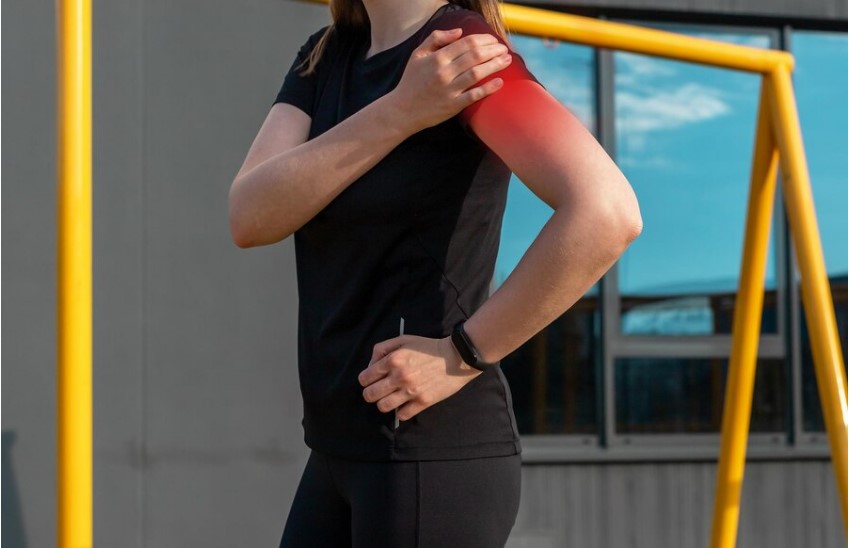
When you sustain a sports injury, seeking prompt help is crucial, as it can prevent long-term damage to your body. Ignoring an injury or putting off treatment can lead to chronic pain, instability, or even permanent disability. Your body needs time to heal properly, and professional guidance guarantees you're on the right path.
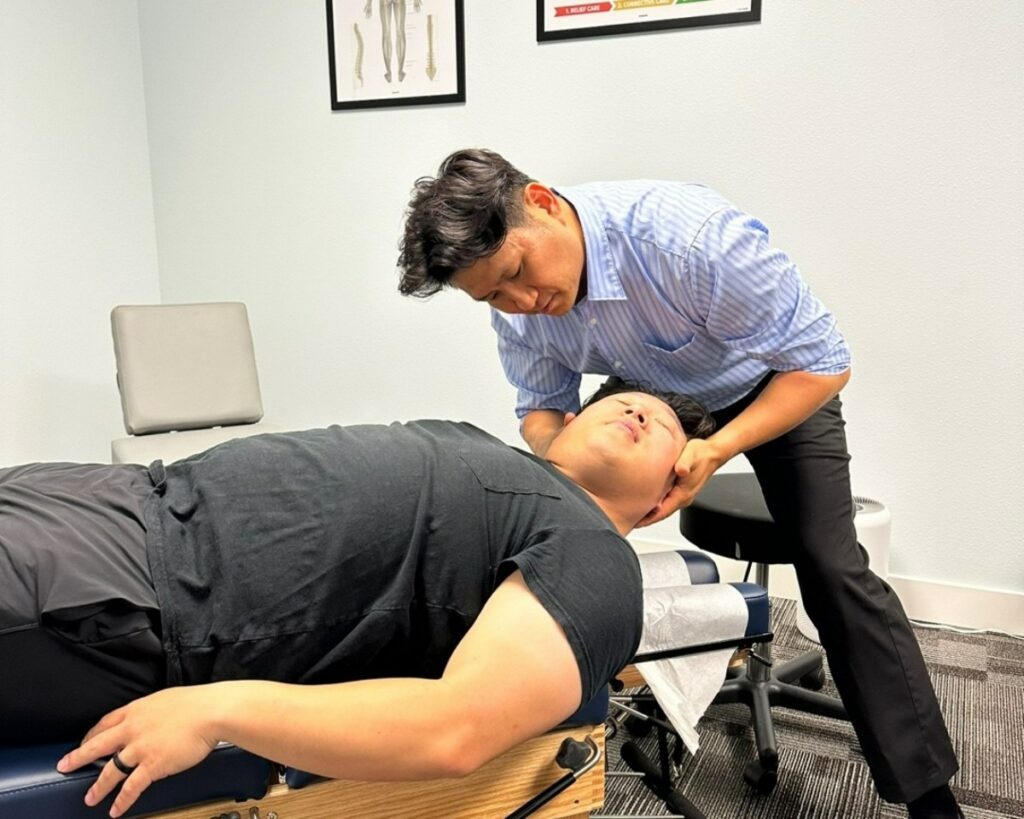
When you consult a medical professional, they can accurately assess the extent of your injury. They'll provide not only a clear diagnosis but also a tailored treatment plan that addresses your specific needs. This targeted approach helps in mitigating the risk of future complications, allowing you to return to your sport safely.
You might think rest is all you need, but without proper intervention, you could exacerbate the injury. For example, a sprained ankle may feel manageable initially, but without appropriate care, you could develop ongoing issues that hinder your performance and enjoyment of the sport. Seeking help early on can greatly influence your recovery trajectory.
Additionally, professionals can educate you on proper techniques and strategies to avoid similar injuries in the future. They'll help you understand your body better, teaching you about biomechanics and the importance of warm-ups and cool-downs.
Ultimately, prioritizing your health by seeking immediate help after a sports injury not only promotes healing but also safeguards your athletic future. Taking action now can make all the difference in maintaining your physical capabilities for years to come.
Accelerating Recovery Time
Accelerating recovery time after a sports injury is essential for getting you back to your game quicker and safer. When you seek professional help, you're not just getting treatment; you're also tapping into strategies that can greatly reduce your downtime.
Here's how you can speed up your recovery:
- Early Intervention: The sooner you address your injury, the better. Professional assessment helps pinpoint the issue, allowing for a targeted treatment plan that can prevent complications and promote healing.
- Personalized Rehabilitation: Engaging with a specialist means you'll get a rehab plan tailored to your specific needs. This focused approach guarantees that you're following exercises and therapies designed to strengthen your injury and restore function efficiently.
- Access to Advanced Techniques: Sports injury professionals often use advanced methods, like physical therapy modalities or specialized equipment. These enhance blood flow, reduce inflammation, and promote tissue healing, which can all contribute to a faster recovery.
Correcting Biomechanical Issues
After addressing immediate recovery needs, it's important to look at the underlying factors that may have contributed to your injury. One of the most significant aspects to examine is your biomechanics—the way your body moves during sports activities. Poor biomechanics can lead to imbalances and excessive stress on certain muscles and joints, making you more prone to injuries.
When you seek help from a professional, they'll evaluate your movement patterns and identify any biomechanical issues. Maybe you overpronate when running, or perhaps your squat technique is off. Understanding these flaws is vital in preventing future injuries. By correcting these issues, you can improve your overall performance while reducing the risk of re-injury.
You mightn't even be aware of how subtle adjustments can make a significant difference. For instance, altering your foot placement or adjusting your posture during workouts can lead to better alignment and more efficient movement. This isn't just about fixing the injury; it's about creating a solid foundation for your athletic endeavors.
Working with a specialist can also involve gait analysis or strength training focused on your specific needs. They'll help you develop a deeper awareness of your body mechanics, allowing you to recognize potential problems before they manifest as injuries.
Tailored Rehabilitation Plans
A personalized rehabilitation plan is essential for recovering from sports injuries effectively. When you sustain an injury, a one-size-fits-all approach simply won't cut it. Tailored rehabilitation plans take into account your specific injury, your fitness level, and your sport, ensuring that you're on the fast track to recovery.
These plans are designed to help you regain strength, flexibility, and function while minimizing the risk of re-injury. Here are three key benefits of having a tailored rehabilitation plan:
- Individualized Approach: Your plan focuses on your unique needs, addressing the exact areas that require attention and care.
- Progress Tracking: Regular assessments help you and your therapist monitor improvements, allowing for adjustments to keep you on track.
- Injury Prevention: By working on your weaknesses and correcting imbalances, a personalized plan can reduce the chances of future injuries.
Without a tailored rehabilitation plan, you might end up doing exercises that aren't suitable for your specific situation, which could delay your recovery or even worsen your condition.
A properly designed plan not only speeds up the healing process but also lays the foundation for a stronger return to your sport. Remember, you're not just healing; you're also preparing for a successful comeback.
Expert Guidance and Support
Getting expert guidance and support during your recovery from a sports injury can make all the difference. When you're sidelined, it's easy to feel overwhelmed, confused, or even discouraged. That's where professionals come in. They provide the knowledge and experience to help you navigate through your recovery journey, ensuring you're not alone in this challenging time.
Physical therapists, athletic trainers, and sports medicine specialists are equipped to assess your injury accurately. With their expertise, they can create a personalized plan that not only addresses your specific needs but also helps you regain strength and mobility safely. They'll teach you the right techniques to avoid further injuries, allowing you to return to your sport with confidence.
Moreover, having a support system is essential. These professionals can motivate you, encourage you to stick to your rehabilitation routine, and celebrate your progress, no matter how small. They can also help you set realistic goals, making the recovery process feel more manageable.
Additionally, expert guidance includes ongoing evaluations, ensuring that you're on track and adjusting your plan as needed. This adaptive approach minimizes the risk of re-injury and maximizes your chances of a successful comeback.
In short, don't hesitate to seek out expert guidance and support when recovering from a sports injury. It's an investment in not just your physical health but also your mental well-being, making the journey back to your sport smoother and more effective.
Conclusion
Injuries can sideline you, but seeking help is key to getting back on track. By addressing issues early, you can prevent long-term damage and speed up your recovery. With expert guidance, you'll not only correct biomechanical problems but also receive a personalized rehab plan that keeps you motivated. Remember, taking the right steps now guarantees you stay in the game and perform at your best in the future. Don't wait—get the help you need today!