
You might not realize how much your physical alignment affects your mental state. When you're aware of your posture and make intentional adjustments, you can greatly reduce anxiety and promote a sense of calm. It's fascinating to reflect on how something as simple as standing tall or adjusting your breathing can shift your emotional landscape. As you explore this connection further, you'll discover practical techniques that can transform your daily life in ways you hadn't expected. What could these adjustments reveal about your own experiences with anxiety?
Understanding Anxiety and Its Impact
Anxiety can feel overwhelming, and it affects millions of people in various ways. You might experience racing thoughts, a pounding heart, or even physical symptoms like sweating or trembling. These reactions can be triggered by everyday stressors or specific situations, making it difficult to cope. It's important to recognize that anxiety isn't just a feeling; it's a complex response that can impact your mental and physical health.
When anxiety strikes, it can distort your perception of reality. You may find yourself overthinking simple decisions or avoiding social situations that you once enjoyed. This isolation can lead to a cycle of increased anxiety and decreased well-being.
You might also notice that your concentration suffers, making it hard to stay focused on tasks at work or school.
Moreover, anxiety can affect your relationships. You may feel distant from loved ones or unable to communicate your needs effectively. This lack of connection can further exacerbate feelings of loneliness and despair.
Understanding how anxiety manifests in your life is the first step toward managing it. By identifying your triggers and recognizing your coping strategies, you can take control of your emotional responses.
The Role of Physical Alignment
Physical alignment plays a significant role in how you experience anxiety and overall well-being. When your body is aligned properly, it can lead to a more balanced nervous system. This balance helps you manage stress more effectively and promotes a sense of calm. Conversely, poor alignment can create tension in your muscles and joints, which may contribute to feelings of anxiety.
Consider how you sit, stand, and move throughout your day. If your posture is slouched or your spine is misaligned, it can restrict your breathing and increase feelings of unease. You might notice that when you're tense, your shoulders rise, and your breathing becomes shallow. This physical state can exacerbate your mental stress, creating a cycle that's hard to break.
By focusing on your physical alignment, you can help alleviate some of the symptoms associated with anxiety. Engaging in practices like yoga or Pilates can enhance your awareness of your body, encouraging you to maintain a more aligned posture.
Additionally, simple adjustments in your daily habits—like being mindful of your posture while sitting at a desk—can make a difference.
Chiropractic Care and Mental Health
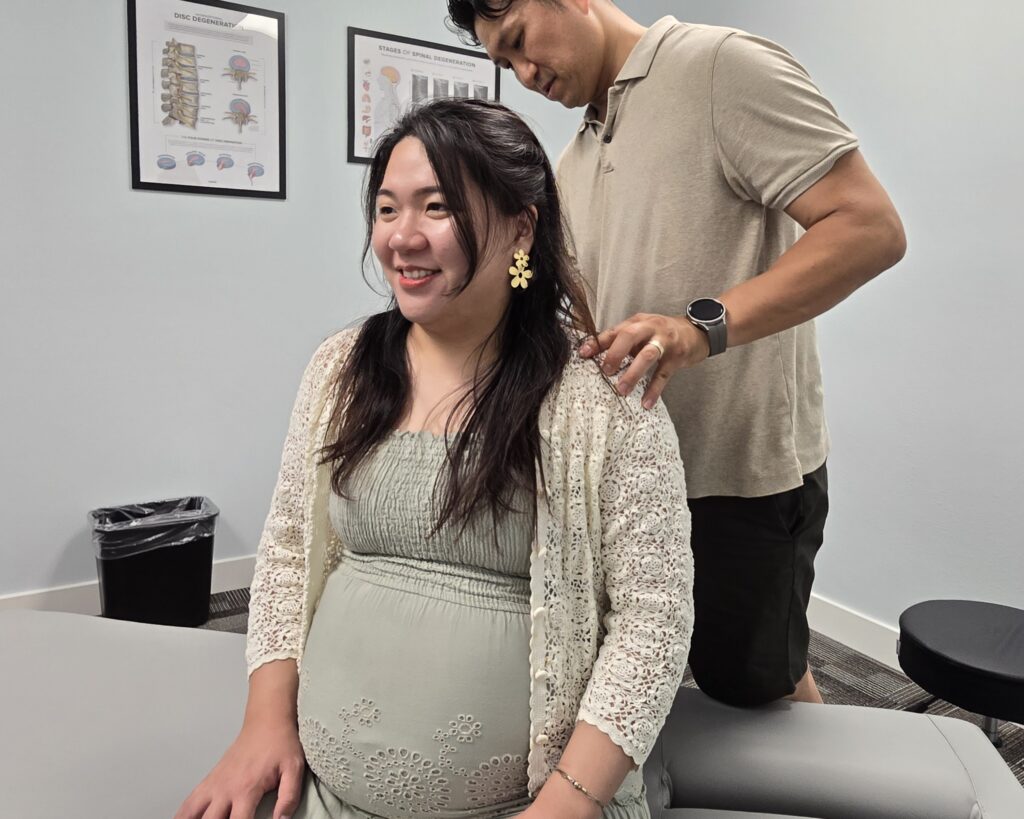
Many people may not realize the connection between chiropractic care and mental health. When you think about chiropractic adjustments, you might primarily associate them with physical well-being. However, these adjustments can also play a significant role in your mental health. By ensuring that your spine is properly aligned, you're not only alleviating physical discomfort but also potentially reducing anxiety and stress.
Chiropractic care focuses on the nervous system, which is essential for regulating your body's stress response. When your spine is misaligned, it can lead to nerve interference, which may heighten your stress levels. Regular adjustments help restore proper alignment, allowing your nervous system to function effectively. As a result, you may find that your anxiety levels decrease, and you feel more balanced emotionally.
Moreover, chiropractic care often incorporates holistic approaches that can enhance your mental well-being. Techniques like deep breathing and relaxation exercises are sometimes included in your treatment plan. These practices can help you cope better with daily stressors, improving your overall mood.
It's also worth noting that many patients report feeling a sense of calm and relaxation after an adjustment. This immediate effect can reinforce the mind-body connection, reminding you that physical health is closely tied to mental well-being.
Benefits of Posture Correction
While you mightn't think about it often, correcting your posture can lead to significant improvements in both your physical and mental health. When you sit or stand up straight, you're not just looking more confident; you're also enhancing your body's alignment. This alignment reduces strain on your muscles and joints, which can help prevent discomfort and pain. By maintaining good posture, you can alleviate tension in your neck, shoulders, and back, making everyday tasks much easier.
Good posture also plays an essential role in your breathing. When you sit or stand tall, your diaphragm has more room to expand. This means you can take deeper breaths, which can oxygenate your body more effectively. Improved oxygen flow can boost your energy levels and sharpen your focus. You'll find that you feel more alert and engaged in your daily activities.
Additionally, correcting your posture can have a positive impact on your mood. Studies suggest that an upright posture can lead to a decrease in feelings of anxiety and depression. When you hold yourself confidently, you send signals to your brain that can enhance your overall sense of well-being. You'll likely notice that you feel more empowered and less overwhelmed by stress.
Incorporating posture correction into your daily routine is a simple yet powerful way to improve your life. By being mindful of your posture, you can reveal a more relaxed and confident version of yourself.
Mindful Movement Techniques
Through mindful movement techniques, you can cultivate a deeper connection between your body and mind, enhancing your overall well-being.
These techniques invite you to be present in your body, increasing awareness of your movements and breath. By focusing on how you move, you can reduce anxiety and create a sense of calm.
Start by incorporating simple practices like yoga or tai chi into your routine. These activities encourage slow, deliberate movements paired with mindful breathing. As you shift through each pose or form, pay attention to how your body feels. Notice any tension or discomfort, and breathe into those areas, allowing them to soften.
Walking meditation is another effective technique. Instead of rushing from one place to another, take time to walk slowly and consciously. Feel each step, the ground beneath your feet, and the rhythm of your breath. This practice helps ground you in the present moment, reducing racing thoughts and anxiety.
You might also explore body scan exercises. Lie down comfortably and mentally scan your body from head to toe. Acknowledge any sensations without judgment. This practice not only promotes relaxation but also enhances your awareness of physical sensations, fostering a deeper connection to your body.
Incorporating these mindful movement techniques into your daily life can transform how you respond to stress. By prioritizing awareness, you'll find it easier to navigate anxiety and cultivate a more peaceful state of being.
Embrace these practices, and watch as your connection to yourself deepens.
The Science of Stress Relief
Understanding the science of stress relief reveals how various techniques can effectively lower anxiety and enhance well-being. Your body and mind respond to stress through a complex interplay of hormones, neurotransmitters, and physiological changes. When you experience stress, your body releases cortisol and adrenaline, which prepare you for a fight-or-flight response.
While this can be useful in short bursts, chronic stress can lead to anxiety and other health issues. Engaging in stress relief techniques can counteract these stress responses. Mindfulness practices, such as meditation and deep breathing, help you focus on the present moment, reducing the rumination that often fuels anxiety.
Studies show that consistent mindfulness practice can lower cortisol levels and promote a sense of calm. Physical activity also plays a significant role in stress relief. When you exercise, your body releases endorphins, which are natural mood lifters.
Regular physical activity not only reduces stress hormones but also improves your overall mental health. Another effective technique is establishing a strong social support network. Connecting with friends and family can provide emotional support, reducing feelings of isolation and anxiety.
Research indicates that social interactions can trigger the release of oxytocin, a hormone that fosters feelings of connection and reduces stress. Incorporating these techniques into your daily routine can make a significant difference.
Exploring the Mind-Body Connection
At the heart of mental health lies the intricate mind-body connection, where your thoughts and feelings directly influence your physical health. When you experience anxiety, your body responds with tension, increased heart rate, and shallow breathing. This reaction isn't just a coincidence; it's a clear demonstration of how interconnected your mind and body truly are.
You might notice that when you're stressed, your muscles tense up or you might develop headaches. These physical symptoms are your body's way of signaling that something's off. Similarly, if you're feeling relaxed and at ease, your body responds positively—your heart rate slows, and your muscles loosen. This feedback loop shows that your mental state can either enhance or detract from your physical well-being.
It's essential to recognize that this connection works both ways. While your mental health impacts your physical health, your physical health can also affect your mental state. Regular physical activity, for instance, can boost your mood and reduce anxiety. When you engage in exercise, your body releases endorphins, which are natural mood lifters.
Moreover, practices like mindfulness and meditation can help you tap into this connection. By focusing on your breath and being present, you can alleviate anxiety and promote relaxation.
Understanding the mind-body connection empowers you to take proactive steps for your overall well-being. By nurturing both aspects, you can create a balanced approach to managing stress and fostering peace in your life.
Techniques for Daily Adjustments
Incorporating daily adjustments into your routine can greatly reduce anxiety and enhance your overall well-being. Start by setting a consistent morning routine that includes mindfulness or meditation. Just five to ten minutes of focused breathing can ground you and prepare your mind for the day ahead.
Next, consider your physical environment. Decluttering your space can create a sense of calm and control. A tidy area reduces distractions, allowing you to focus better on tasks and reducing feelings of overwhelm.
During your day, take short breaks to stretch or walk. Even a quick five-minute walk outside can refresh your mind and reduce tension. Use these moments to check in with how you're feeling. Acknowledging your emotions can help you manage anxiety more effectively.
Incorporate a gratitude practice into your evening routine. Write down three things you're grateful for each day. This simple technique shifts your focus from stressors to positive aspects of your life, fostering a more optimistic mindset.
Lastly, prioritize sleep. Establish a bedtime routine that signals your body it's time to wind down. Limit screen time before bed and consider reading a book or practicing relaxation exercises to improve your sleep quality.
Success Stories and Testimonials
You might be surprised at how many people have transformed their lives by making simple adjustments to manage their anxiety.
These success stories highlight not only the challenges they've overcome but also the profound impact these changes have had on their daily routines.
Let's explore how these personal experiences can inspire your journey toward greater well-being.
Personal Transformation Experiences
Transformation often emerges from the most challenging experiences, and countless individuals have navigated their own journeys through anxiety to find peace and purpose. You might find inspiration in their stories, realizing that change is possible. Each person's path is unique, but common threads weave through their narratives.
Take Sarah, for instance. She faced crippling anxiety that kept her from enjoying life. Through therapy and support, she learned to embrace mindfulness and gradually transformed her outlook. Now, she speaks openly about her journey, encouraging others to seek help and find their own inner strength.
Then there's Mark, who turned his struggle into motivation. After experiencing panic attacks, he began journaling to track his emotions and triggers. This practice not only helped him understand his anxiety but also led him to a fulfilling career in mental health advocacy.
These stories remind you that you're not alone. Your struggles can serve as the foundation for profound transformation. By sharing these experiences, individuals empower you to take that first step toward your own journey of healing and growth.
Embrace the possibility of change; it could lead you to a life filled with calm and purpose.
Overcoming Anxiety Challenges
While many people face anxiety challenges, countless success stories highlight the resilience and strength found in overcoming these obstacles. You may feel overwhelmed, but remember that others have triumphed, paving the way for your success.
Consider these powerful strategies that have helped many individuals conquer their anxiety:
- Mindfulness Practices: Engaging in meditation or yoga can ground you, allowing you to focus on the present moment rather than your anxious thoughts.
- Therapeutic Support: Many have found solace in talking to a therapist, who provides guidance and tools to manage anxiety effectively.
- Supportive Community: Joining groups or forums of like-minded individuals can create a sense of belonging and inspire you to share and learn from others' experiences.
- Personal Goals: Setting small, achievable goals can empower you. Celebrating these victories helps build confidence and resilience.
Each of these steps can lead you toward overcoming anxiety. Embrace the journey, knowing that with persistence and support, you can access a calmer, more fulfilling life just like so many others have.
Your success story is waiting to be written!
Impact on Daily Life
Anxiety can cast a shadow over daily life, affecting everything from work performance to personal relationships. You might find it challenging to focus on tasks or maintain connections with loved ones.
However, many individuals have turned to adjustments, such as mindfulness practices and therapy, to rediscover their joy and purpose.
Take Sarah, for example. After struggling to manage her anxiety, she began incorporating daily meditation into her routine. Within weeks, she noticed improved concentration at work and more meaningful interactions with her friends.
She felt lighter, more present, and ready to embrace life.
Then there's Mark, who faced crippling anxiety during social events. By gradually exposing himself to these situations and utilizing breathing techniques, he transformed his experiences.
Now, he's not only attending gatherings but also actively engaging in conversations, which has deepened his connections.
These success stories highlight the power of adjustments in overcoming anxiety. With the right strategies, you too can reclaim control over your daily life.
Embracing small changes can lead to significant shifts, helping you release calm and navigate each day with renewed confidence.
It's time to take that first step toward a more fulfilling life.
Steps Toward Lasting Calm
To find lasting calm, you can start incorporating mindfulness practices into your daily routine.
These techniques help ground you in the moment, reducing anxiety and promoting relaxation.
Pairing them with effective breathing techniques can enhance your sense of peace and well-being.
Mindfulness Practices for Calm
Practicing mindfulness can be a game-changer for achieving lasting calm in your life. By focusing on the present moment, you can reduce anxiety and cultivate a sense of peace.
Here are four effective mindfulness practices you can easily incorporate into your daily routine:
- Body Scan: Lie down comfortably and mentally scan your body from head to toe. Notice areas of tension and consciously relax them.
- Mindful Walking: Take a stroll, paying attention to each step. Feel the ground beneath your feet, the rhythm of your breath, and the sights around you.
- Gratitude Journaling: Spend a few minutes each day writing down three things you're grateful for. This shifts your focus from stress to positivity.
- Five Senses Exercise: Pause and identify what you can see, hear, smell, taste, and touch in your environment. This helps ground you in the moment.
Breathing Techniques for Relaxation
Finding tranquility in the midst of chaos often hinges on mastering simple breathing techniques. When anxiety strikes, you can regain control by focusing on your breath.
One effective method is the 4-7-8 technique. Start by inhaling deeply through your nose for four counts, hold that breath for seven counts, then exhale slowly through your mouth for eight counts. Repeat this cycle four times. You'll notice how it calms your racing thoughts.
Another powerful technique is diaphragmatic breathing. Place one hand on your chest and the other on your abdomen. Take a deep breath in through your nose, ensuring your abdomen rises more than your chest. Exhale slowly through your mouth. This method engages your diaphragm, promoting relaxation and reducing tension.
Finally, try box breathing. Inhale for four counts, hold for four counts, exhale for four counts, and hold again for four counts. This structured pattern helps clear your mind and centers your focus.
Incorporating these breathing techniques into your daily routine can enhance your overall sense of calm. Whenever you feel anxious, remember that your breath is a powerful tool for regaining serenity. Use it wisely, and you'll discover lasting peace.
Conclusion
Incorporating physical adjustments into your daily routine can greatly reduce anxiety and promote relaxation. By focusing on your posture and engaging in mindful movement, you're not only alleviating tension but also fostering a deeper connection between your mind and body. Remember, small changes can lead to lasting calm. Embrace these techniques, listen to your body, and take proactive steps toward a more tranquil state of being. Your journey to serenity starts with recognizing the power of alignment.