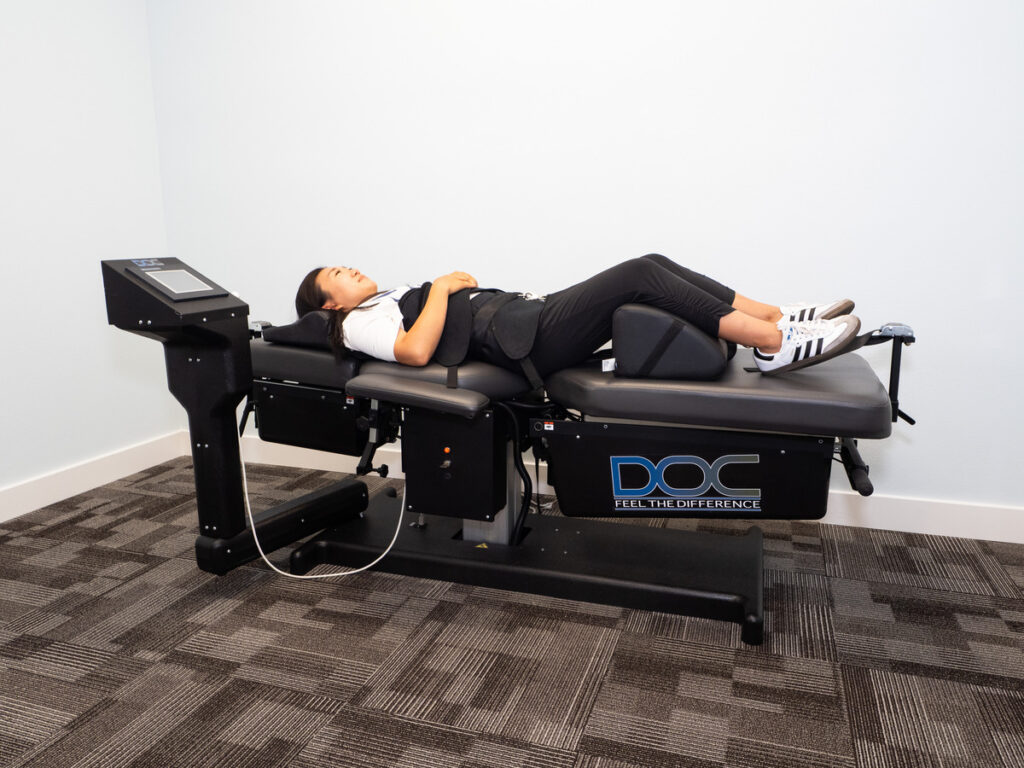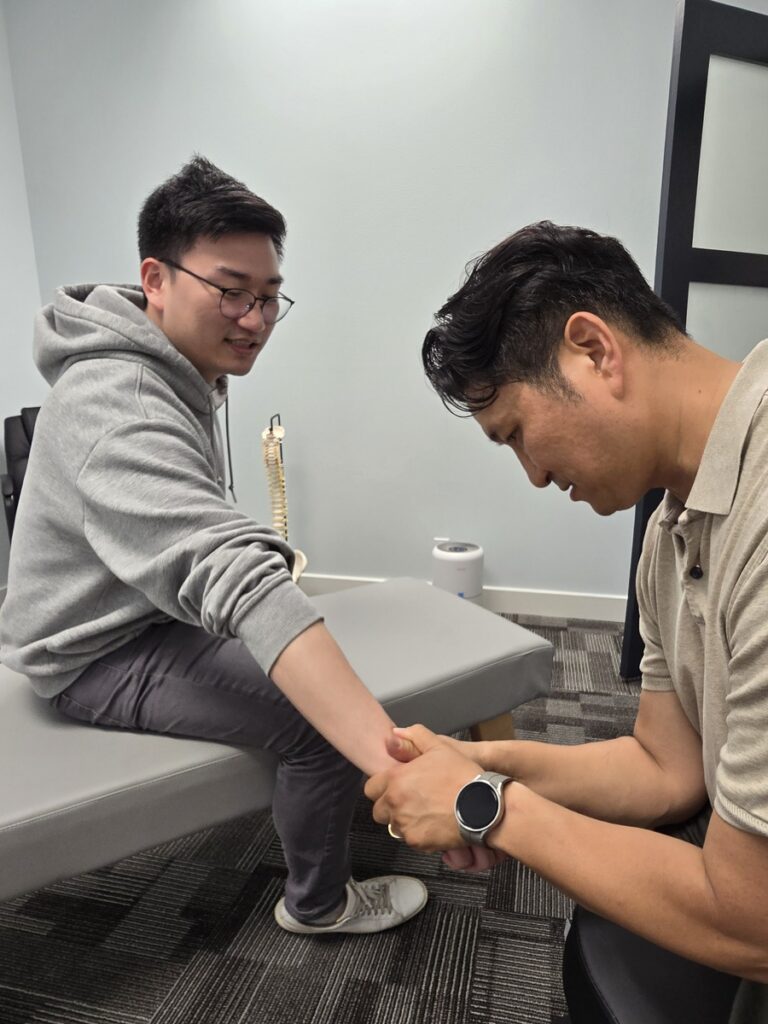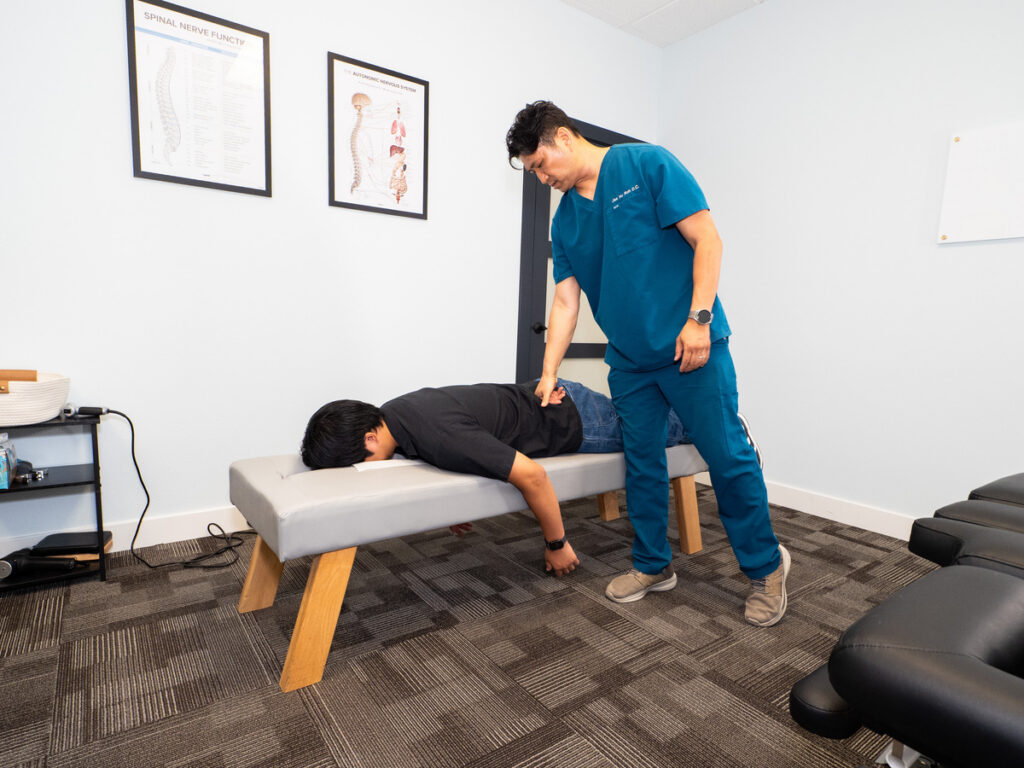

When it comes to achieving peak performance in your sport, injuries can often seem like a significant setback. As a local chiropractor, I want to help you understand that the healing process is not just about taking time off; it's about taking a strategic and holistic approach to recovery. This means considering not only rest but also how nutrition and innovative natural treatments can play a vital role in your healing journey.
As you think about the stages of recovery, it's essential to explore various methods that can promote healing while also setting you up for future success. Chiropractic care, for instance, can help restore balance and function to your body, allowing for a more efficient healing process. By addressing misalignments and improving mobility, you can enhance your overall performance and reduce the risk of future injuries.
So, what specific strategies can you incorporate into your recovery plan to ensure you're not just healing but thriving in your sport? Think about integrating chiropractic adjustments, proper nutrition, and perhaps even innovative therapies like soft tissue work or rehabilitation exercises. Together, we can create a tailored plan that supports your journey to recovery and helps you return to your sport stronger than ever.
Understanding Common Sports Injuries
As a local chiropractor, I want to take a moment to educate you about common sports injuries that can disrupt your activities and impact your overall health. Many athletes, whether professional or recreational, face a range of injuries that can hinder their performance. Understanding these injuries is crucial for prevention and effective management, especially from a holistic standpoint.
One of the most prevalent issues is sprains and strains. A sprain occurs when ligaments—the connective tissues that support joints—are stretched or torn, whereas a strain pertains to injuries affecting muscles or tendons. Both can arise from sudden movements or overexertion, and they often lead to frustration and downtime. Chiropractic care can help with rehabilitation and strengthening to prevent future occurrences.
Another common injury I see is tendonitis, which is often the result of repetitive motions and overuse. This condition can affect various tendons, particularly in the elbow, knee, or shoulder, and is characterized by pain and swelling. If you're experiencing persistent discomfort in any joint, it's essential to address the issue early. Chiropractic adjustments can alleviate pain and promote healing through natural methods, allowing you to return to your activities safely.
Though less frequent, fractures can occur during high-impact sports activities. These breaks may require longer recovery times and can lead to significant time away from your sport. It's important to recognize the signs of a fracture—such as severe pain, swelling, or inability to move the affected limb—and seek medical attention right away. Chiropractic care can play a supportive role in your recovery process.
Lastly, concussions are a serious concern, particularly in contact sports. If you experience a blow to the head or body, leading to symptoms like confusion, dizziness, or headaches, it's vital to seek immediate medical care.
As a chiropractor, I emphasize the importance of understanding these common injuries and encourage you to take proactive measures to protect your body. Prioritizing injury prevention through chiropractic care and education is key to maintaining optimal health and performance in your sports endeavors.
Let's work together to keep you active and injury-free!
The Healing Process Explained
Injuries can be quite frustrating, but as your local chiropractor, I want to help you understand the healing process so you can recover more effectively and naturally. When you experience an injury, your body goes through several essential stages of healing: inflammation, repair, and remodeling. Each of these stages is crucial in restoring your strength and function.
The first stage is inflammation, typically lasting a few days. During this time, your body sends signals to the injured area, resulting in swelling, redness, and pain. This is your body's protective response. It's important to allow your body to rest and consider using ice to manage inflammation and alleviate discomfort.
As your chiropractor, I can offer guidance on how to effectively manage this stage to promote healing.
Following inflammation is the repair phase, which may last from several days to weeks, depending on the severity of your injury. Your body begins to rebuild tissue and create new blood vessels. Gentle movement during this phase can be beneficial, as it aids in circulation and nutrient delivery to the injured area.
However, it's vital to listen to your body—pushing yourself too hard can hinder recovery. I can assist you in developing a safe movement plan tailored to your needs.
Finally, the remodeling phase, which can take several months, is when your body strengthens the repaired tissue. This is an excellent time to gradually reintroduce more intense activities.
However, remain mindful of any pain or discomfort during this period.
Throughout your healing journey, maintaining a positive mindset and adhering to any rehabilitation protocols is key. By understanding these stages and working together, we can play an active role in your recovery, helping you regain strength and mobility while minimizing the risk of re-injury.
As your chiropractor, I'm here to support you every step of the way on your path to natural healing.
Innovative Treatment Options
As a local chiropractor, I want to share some innovative treatment options that can significantly improve your recovery experience and help you return to peak performance more quickly.
One of the most exciting advancements in injury treatment is regenerative medicine. This approach harnesses your body's natural healing processes. For instance, platelet-rich plasma (PRP) therapy involves drawing a small amount of your blood, concentrating the platelets, and then injecting them into the areas that need healing. This technique enhances tissue regeneration and reduces inflammation, promoting a faster recovery.
Another intriguing option is cryotherapy. This involves briefly exposing your body to extremely low temperatures, which can help alleviate muscle soreness and inflammation. Many athletes find that cryotherapy allows them to recover quicker after intense training sessions or injuries.
Similarly, electrical stimulation therapy is beneficial for muscle recovery and pain relief by delivering electrical impulses that mimic the natural contractions of your muscles.
You may also want to consider dry needling. This technique targets specific trigger points in your muscles to relieve pain and enhance mobility. It's particularly effective for those dealing with chronic pain or tight muscles, as it can help restore flexibility and strength.
Additionally, embracing advanced modalities such as virtual reality therapy can aid in your mental recovery. By simulating game scenarios, this therapy helps rebuild your confidence and focus, which are essential for your return to sports or physical activities.
These innovative treatment options can greatly accelerate your healing process, allowing you to get back to your best self sooner.
It's important to consult with a qualified healthcare provider—like myself—who can guide you in determining which methods are best suited for your individual needs. By embracing these advancements, you may find the key to a swift and effective recovery.
The Role of Nutrition in Recovery
As a local chiropractor, I want to emphasize that recovering from an injury involves more than just the adjustments and treatments we provide in our practice. One of the most important aspects of your healing journey is what you put into your body. Proper nutrition plays a vital role in supporting your recovery, helping your body repair tissues, reduce inflammation, and regain strength.
When you're dealing with an injury, your body has increased nutritional needs. This means you should focus on maintaining a balanced diet to provide the extra calories and nutrients required for optimal healing.
Let's start with protein. It's essential for muscle repair and growth, so make sure to include lean sources such as chicken, fish, beans, and legumes in your meals. Depending on the severity of your injury and your activity level, aim for at least 1.2 to 2.0 grams of protein for each kilogram of your body weight each day.
Healthy fats are equally important, as they help combat inflammation. Incorporating foods rich in omega-3 fatty acids, like fatty fish, flaxseeds, and walnuts, can be very beneficial in your recovery process.
Additionally, don't overlook the power of fruits and vegetables. Eating a colorful variety ensures you receive a wide array of vitamins and minerals. Pay special attention to vitamin C and zinc, both of which are known to support healing.
Hydration is another critical factor. Water is essential for all cellular functions, including tissue repair. Aim to drink at least 8 to 10 cups of water daily, adjusting this amount based on your activity level and individual needs.
By adopting these nutritional strategies alongside your chiropractic care, you'll enhance your recovery efforts. Remember, nurturing your body with the right foods not only aids in healing your injury but also prepares you to return to your peak performance.
Let's work together to support your journey to better health!
Mental Resilience and Recovery
As a local chiropractor, I want to emphasize the importance of mental resilience in your recovery journey. When dealing with an injury, the path to healing can be just as mentally demanding as it's physically. It's crucial to cultivate a mindset that views setbacks as opportunities for growth. You may experience feelings of frustration, doubt, or even despair at times, but developing mental resilience can help you navigate through these challenges.
To enhance your mental resilience, I encourage you to practice positive self-talk. Instead of dwelling on limitations, focus on what you can control in your recovery process. Setting small, achievable goals can keep you motivated and engaged. Remember to celebrate each milestone, no matter how small; these victories reinforce your belief in your ability to heal and thrive.
Visualization techniques can also be incredibly beneficial. Picture yourself fully recovered and engaging in activities you love. This mental imagery not only improves your mood but can also boost your confidence in your physical capabilities. Surrounding yourself with supportive friends and family who uplift you can make a significant difference; their encouragement can be invaluable as you navigate your healing journey.
Additionally, it's important to practice patience and recognize that recovery is rarely a straight path. There will be good days and challenging ones, and that's completely normal. Embrace these ups and downs, and remind yourself that persistence is a vital component of healing.
Strategies for Preventing Future Injuries
As your local chiropractor, I want to share some important strategies to help you stay injury-free and promote your overall well-being.
It all begins with proper warm-up techniques. Taking the time to prepare your body for activity can significantly reduce the likelihood of injuries.
In addition, strengthening your core muscles is crucial. A strong core supports your spine and improves your balance, which can prevent a variety of injuries.
It's also beneficial to adopt flexible training regimens; this means varying your workouts and allowing your body time to recover.
By incorporating these practices into your routine, you not only enhance your performance but also lower your risk of future injuries.
Proper Warm-Up Techniques
As a local chiropractor dedicated to your well-being, I want to emphasize the importance of warming up properly before engaging in any physical activity, whether it's on the field or in the gym. A thorough warm-up is essential for injury prevention and plays a key role in enhancing your overall performance.
When you warm up, you increase blood flow to your muscles and improve flexibility, which prepares your body for the demands of intense activity. I recommend starting with 5 to 10 minutes of light aerobic exercises, such as a gentle jog or jumping jacks, to elevate your heart rate and get your circulation going.
Next, incorporate dynamic stretching into your routine. Unlike static stretching, dynamic stretching involves movement, which helps improve your range of motion and loosen your joints. Consider including exercises such as leg swings, arm circles, and torso twists. Aim for 10 to 15 repetitions of each movement, holding each stretch for just a second or two to maximize effectiveness.
Additionally, it's beneficial to include sport-specific drills that mimic the movements you'll be performing. For instance, if you're engaged in soccer, practicing dribbling or lateral shuffles can help prime your muscles and enhance your coordination.
Finally, I can't stress enough the importance of not skipping your warm-up, even when you're pressed for time. Investing just a few minutes into this crucial step can significantly reduce your risk of injury and allow you to perform at your peak during your workout or game.
Strengthening Core Muscles
As a chiropractor, I want to emphasize the importance of a strong core for everyone, not just athletes. Your core muscles—comprising your abdominals, obliques, and lower back—are vital for stabilizing your body during everyday movements. Strengthening these muscles can help prevent injuries and improve your overall physical performance, whether you're engaging in sports or simply going about your daily activities.
To build a robust core, consider incorporating exercises like planks, bridges, and Russian twists into your routine. These movements engage multiple muscle groups, enhancing your stability and balance, which are crucial for maintaining proper posture and alignment—key aspects of chiropractic care.
It's also beneficial to focus on functional movements that reflect your daily activities. For example, if you often find yourself bending or lifting, practice core exercises that simulate these actions. This approach helps your core adapt to the specific demands of your lifestyle, reducing the risk of injury and discomfort.
Remember, proper form is essential. Engaging your core correctly during exercises not only strengthens the right muscles but also minimizes strain on your body, which aligns with the principles of natural healing we promote in chiropractic care. To avoid overtraining, gradually increase the intensity and duration of your core workouts.
Lastly, consistency is crucial. Aim to strengthen your core at least two to three times a week. By prioritizing core strength, you'll not only protect yourself from potential injuries but also enhance your overall well-being and physical performance.
If you have any concerns or need guidance on effective exercises, feel free to reach out. Your health is our priority!
Flexible Training Regimens
As a local chiropractor, I often see athletes sidelined by injuries, but I want to share how adopting flexible training regimens can significantly reduce your risk of getting hurt.
By introducing variability into your workouts, you allow your body to adapt better, which helps prevent overuse injuries. It's crucial to listen to your body and adjust your training intensity, frequency, and type according to how you're feeling.
One effective strategy is cross-training, as it not only keeps your workouts engaging but also targets different muscle groups. For instance, combining running with swimming or cycling can help you maintain cardiovascular fitness while giving your joints the much-needed rest they deserve.
Additionally, I can't stress enough the importance of incorporating rest days into your schedule. These are vital for recovery and injury prevention.
I also encourage you to incorporate mobility and flexibility exercises into your routine. Practices such as yoga or dynamic stretching can enhance your range of motion and significantly reduce the chances of strains and sprains.
Lastly, I recommend keeping a training log. By tracking your workouts, you can identify patterns that may lead to injury. If you start noticing any recurring aches or pains, it's essential to be proactive and modify your regimen accordingly.
By maintaining a flexible approach to your training, you'll not only improve your performance but also protect your athletic journey for years to come.
Conclusion
As a local chiropractor, I want to emphasize that while injuries can feel like a major setback, they can also be an opportunity for growth and healing. By understanding how the body heals, you can unlock your peak performance after an injury. Chiropractic care focuses on the natural healing process, utilizing techniques that promote recovery without invasive procedures.
In addition to chiropractic adjustments, we also explore innovative treatments that can enhance your recovery journey. Nutrition plays a crucial role in healing, so it's essential to fuel your body with the right nutrients to support tissue repair and overall wellness.
Don't underestimate the power of mental resilience and core strength; they are vital in preventing future injuries and maintaining optimal performance. By incorporating these strategies into your recovery plan, you can not only heal effectively but also come back even stronger in your sport. Remember, patience is key. Together, we can work towards achieving your goals and ensuring you're ready to excel once again.