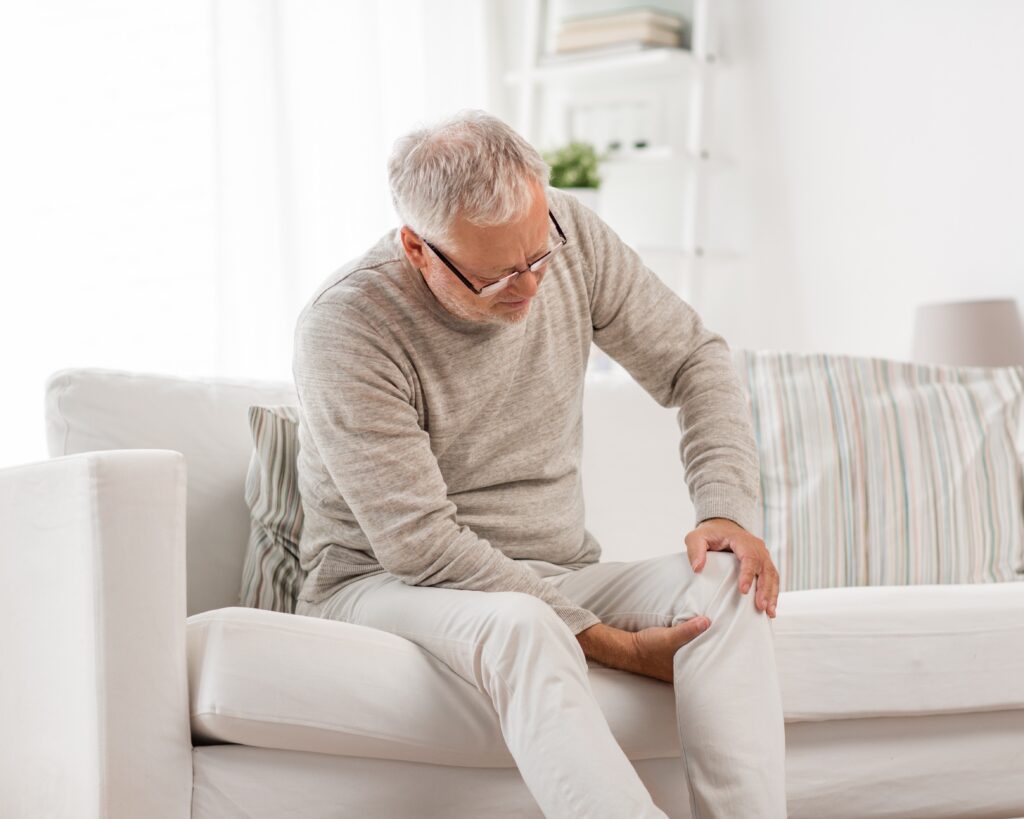

When you're dealing with a sports injury, it's essential to know your options for relief. You might consider traditional treatments like physical therapy and pain medications, or perhaps explore alternative therapies such as acupuncture. Immediate techniques, like the R.I.C.E. method, can offer quick relief, while home remedies and nutrition play significant roles in your recovery. But how do you determine the best approach tailored to your needs? Understanding the nuances can make all the difference in your healing journey.
Understanding Sports Injuries
Understanding sports injuries is fundamental for any athlete, whether you're a weekend warrior or a seasoned pro. By grasping the basics of how injuries occur, you can take proactive steps to prevent them and enhance your performance.
Sports injuries typically fall into two categories: acute and chronic. Acute injuries happen suddenly, often due to a specific incident, like a sprain or fracture. On the other hand, chronic injuries develop gradually over time, usually due to repetitive stress on a particular body part, such as tendinitis or stress fractures.
Recognizing the signs of injury is essential. You might experience pain, swelling, bruising, or reduced mobility. Ignoring these symptoms can lead to more severe complications down the road. Always listen to your body; if something doesn't feel right, it probably isn't.
Another important aspect of understanding sports injuries is knowing your risk factors. These can include your age, physical condition, and the type of sport you participate in. For instance, high-impact sports like football or basketball carry a higher risk of acute injuries, while activities like running may lead to chronic issues.
Lastly, remember that proper warm-up and cool-down routines play a fundamental role in injury prevention. Stretching, strengthening, and conditioning your muscles can help you build resilience against injuries.
Traditional Treatments
When you're dealing with a sports injury, traditional treatments can play a crucial role in your recovery.
From physical therapy that enhances your strength and flexibility to medication options that manage pain, there are several avenues to explore.
Surgical interventions might also be considered if your injury requires more intensive care, so let's break down these options.
#
Physical Therapy Benefits
How can physical therapy transform your recovery from sports injuries?
Physical therapy offers a personalized approach to healing that can greatly speed up your recovery process. You'll work with a trained professional who designs a tailored program just for you, focusing on your specific injury and goals.
One of the primary benefits is that physical therapy helps restore your strength and flexibility. You'll engage in targeted exercises that not only alleviate pain but also enhance your overall physical condition. This means you'll be better prepared to return to your sport stronger than before.
Additionally, physical therapy encourages proper movement patterns, which can prevent future injuries. Your therapist will teach you techniques to improve your biomechanics, ensuring you perform movements safely and efficiently.
Another advantage is the emotional support you receive. Recovering from an injury can be frustrating, but having a dedicated therapist by your side can motivate you to stay committed to your recovery journey.
Medication Options Available
In the domain of sports injury recovery, medication options play an essential role in managing pain and inflammation. You've got several choices that can help you get back on track faster. Over-the-counter pain relievers like ibuprofen and acetaminophen are often the first line of defense. They can reduce pain and swelling, allowing you to engage in rehabilitation exercises more comfortably.
If you find that OTC options aren't cutting it, your doctor might prescribe stronger medications. Nonsteroidal anti-inflammatory drugs (NSAIDs) or corticosteroids can provide significant relief, especially for more serious injuries. However, it's vital to use these under medical supervision, as they can come with side effects.
Topical treatments, like creams or gels containing NSAIDs, can also be effective. They're easy to apply and target specific areas without systemic effects. Additionally, muscle relaxants may be prescribed if muscle spasms are an issue.
Always consult with your healthcare provider before starting any medication. They can recommend the best options for your specific condition, ensuring that you manage your pain while promoting healing effectively.
Balancing medication with other treatment methods can optimize your recovery journey.
Surgical Interventions Considered
Surgical interventions can be an important option for treating sports injuries that don't respond to conservative methods like medication and physical therapy. When you've tried all else and still experience persistent pain or dysfunction, surgery might be the next step to contemplate.
Common surgical procedures include arthroscopy, where a small camera is used to diagnose and repair joint issues. For injuries like torn ligaments or tendons, reconstructive surgery may be necessary to restore function. In cases of fractures, surgery can realign bones and guarantee proper healing.
Before deciding on surgery, it's vital to weigh the potential benefits and risks. Discuss your specific injury and recovery goals with your healthcare provider to confirm you're making an informed choice.
Keep in mind that recovery from surgery often involves a structured rehabilitation program, which can help you regain strength and mobility.
Ultimately, if surgery is recommended, follow your doctor's advice closely. Adhering to post-operative care instructions and engaging in rehabilitation will greatly impact your recovery, helping you return to your sport stronger and more resilient than before.
## Physical Therapy Benefits
Physical therapy offers numerous benefits for athletes recovering from injuries, and it's often an integral component of the rehabilitation process. When you engage in physical therapy, you're not just focusing on recovery; you're also working to regain strength, flexibility, and coordination. These aspects are essential for returning to your sport safely and effectively.
One of the primary benefits of physical therapy is the personalized approach it provides. A trained physical therapist will assess your specific injury and develop a tailored program that addresses your unique needs. This individualized plan helps you heal more efficiently and reduces the risk of re-injury.
In addition to recovery, physical therapy equips you with valuable techniques for preventing future injuries. By learning proper movement patterns and strengthening weak areas, you can enhance your overall performance and reduce your chances of getting hurt again.
Another significant advantage is pain management. Through targeted exercises, manual therapy, and modalities like ultrasound or electrical stimulation, physical therapists can help alleviate pain and inflammation, allowing you to progress more comfortably in your rehabilitation.
Finally, physical therapy fosters a supportive environment that encourages motivation and accountability. Your therapist will track your progress and provide guidance, helping you stay focused on your recovery goals.
Medications for Pain Relief
When you're dealing with sports injuries, medications for pain relief can play a vital role in your recovery process. These medications help manage your pain, allowing you to regain mobility and return to your favorite activities more quickly. Understanding your options is important, as different types of medications serve different purposes.
Over-the-counter (OTC) pain relievers, such as ibuprofen and acetaminophen, are often the first line of defense. They can effectively reduce inflammation and alleviate mild to moderate pain. You can easily find these at your local pharmacy, and they're generally safe for short-term use. Just be sure to follow the recommended dosages to avoid potential side effects.
If your pain is more severe or persistent, your doctor might prescribe stronger medications, such as opioids. While effective, these come with greater risks, including dependency and side effects, so it's important to use them only under close medical supervision.
Additionally, topical pain relief options, like creams and patches containing analgesics, can provide localized relief without the systemic effects associated with oral medications.
Always consult with your healthcare provider before starting any medication regimen, particularly if you have pre-existing conditions or are taking other medications. They can help guide you toward the most appropriate option for your specific injury and needs.
Alternative Therapies
Exploring alternative therapies can offer valuable options for managing sports injuries and promoting recovery. Many athletes are turning to these methods to complement their conventional treatments and enhance their overall well-being.
By considering alternatives, you can potentially speed up your recovery process and alleviate discomfort.
Here are some popular alternative therapies to explore:
- Acupuncture: This ancient practice involves inserting thin needles into specific points on the body. It can help reduce pain and inflammation, providing relief for various sports injuries.
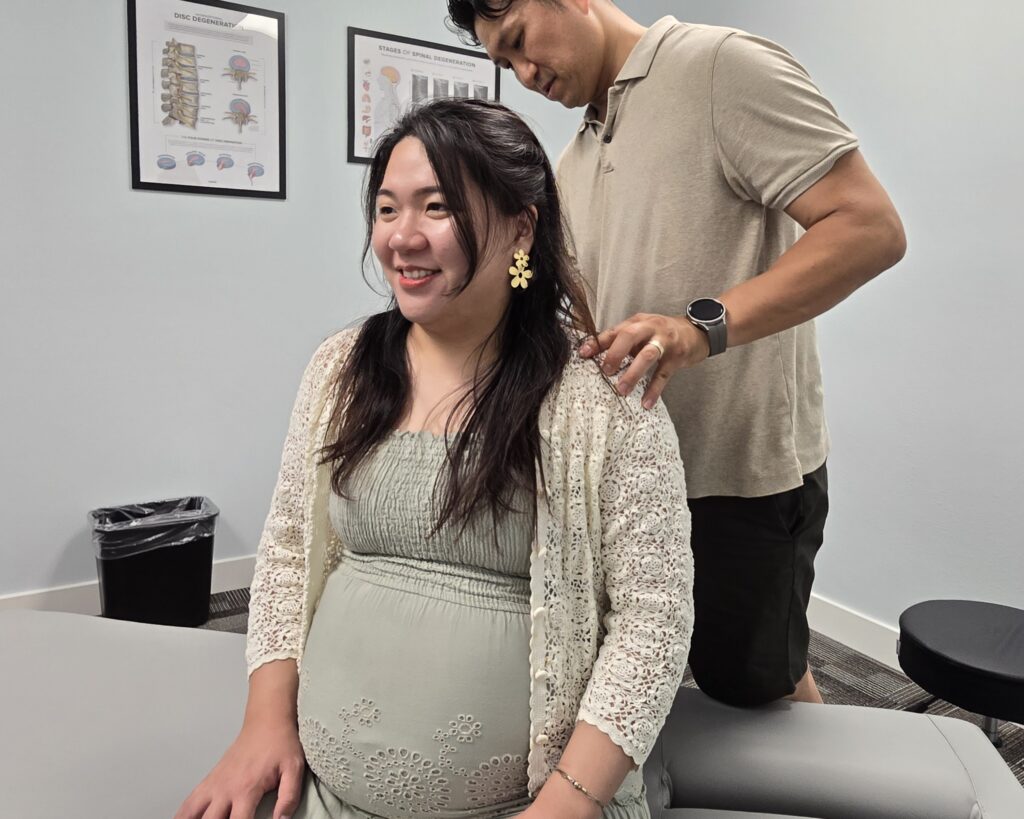
- Chiropractic care: A chiropractor can align your spine and joints, improving mobility and reducing pain. Regular adjustments may help prevent future injuries and enhance your performance.
- Massage therapy: Therapeutic massage can promote relaxation, increase circulation, and reduce muscle tension. It's particularly beneficial for athletes recovering from strains or sprains.
- Yoga and Pilates: Both practices improve flexibility, strength, and balance, which are essential for injury prevention. They can also aid in rehabilitation by focusing on body awareness and controlled movements.
Integrating these therapies into your recovery plan can provide a holistic approach to healing.
While they shouldn't replace traditional medical treatment, they can complement it effectively. Always consult with a healthcare professional before starting any new therapy to guarantee it's safe and suitable for your specific injury.
Embracing alternative therapies could be a game-changer in your journey to recovery.
Home Remedies
Home remedies can be an effective and accessible way to manage sports injuries right at your fingertips. When you experience a sprain, strain, or minor injury, several simple techniques can help alleviate pain and promote healing.
One common approach is the R.I.C.E. method—Rest, Ice, Compression, and Elevation. First, rest the injured area to prevent further damage. Applying ice wrapped in a cloth can reduce swelling and numb pain; just remember to limit it to 15-20 minutes at a time.
Compression with an elastic bandage can help support the injury and minimize swelling. Finally, elevating the injured limb above heart level can further assist in reducing inflammation.
Herbal remedies are also worth considering. Arnica gel, for example, is known for its anti-inflammatory properties and can be applied to bruises or muscle soreness. Similarly, turmeric, with its active compound curcumin, can be taken as a supplement or added to meals to combat inflammation internally.
Don't underestimate the power of heat either. After the initial swelling has gone down, applying a warm compress or taking a warm bath can help relax tight muscles and improve circulation to the area.
Lastly, staying hydrated and maintaining a balanced diet rich in vitamins and minerals will support your body's natural healing process. These home remedies can provide you with effective relief and help you get back in the game sooner.
Preventive Strategies
Preventing sports injuries is essential for maintaining your performance and enjoying your favorite activities. By implementing a few preventive strategies, you can greatly reduce your risk of injury while enhancing your overall athletic experience. Here are some key strategies to keep in mind:
– Warm-Up and Cool Down: Always start with a proper warm-up to increase blood flow to your muscles and prepare your body for activity.
Afterward, cool down to help your muscles recover and reduce stiffness.
- Use Proper Equipment: Make sure you're using the right gear for your sport. This includes supportive shoes, protective pads, and any other equipment that can help minimize your risk of injury.
- Stay Hydrated: Dehydration can lead to muscle cramps and fatigue, which increase your chances of injury.
Drink enough water before, during, and after your activity to keep your body in peak condition.
– Listen to Your Body: Pay attention to any signs of discomfort or fatigue.
If something feels off, take a break or consult a professional. Pushing through pain can lead to more severe injuries.
Conclusion
Injuries can be frustrating, but you've got plenty of options for relief. From traditional treatments like physical therapy and medications to alternative therapies and home remedies, it's all about finding what works best for you. Don't forget the importance of prevention through proper training and nutrition. By consulting healthcare professionals, you can create a personalized recovery plan that helps you get back to your favorite activities safely and effectively. Take charge of your healing journey!