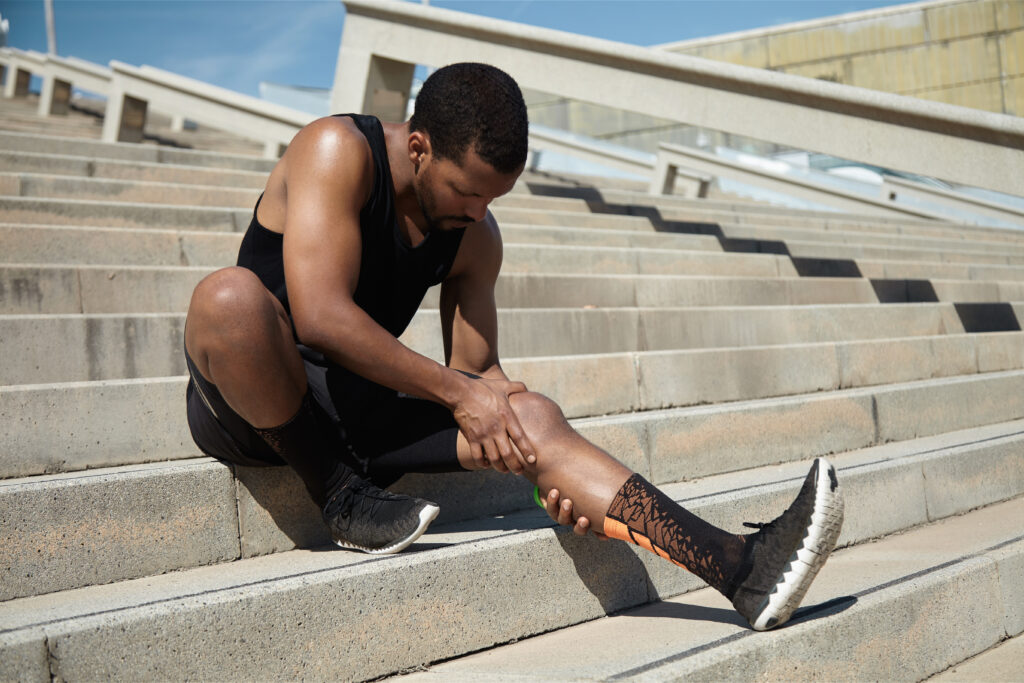

When you experience a sports injury, it's crucial to consider adjustments to your recovery plan—this isn't just a suggestion; it's essential for your healing. As a local chiropractor, I want to emphasize how tailoring your recovery approach can significantly influence your recovery journey. By addressing your unique needs and conditions, we can create a personalized plan that promotes optimal healing.
For instance, modifying your training intensity is key. Instead of pushing through the pain, we can work together to develop a safe and effective rehabilitation program that respects your body's limits. Additionally, re-evaluating your nutrition can play a vital role in recovery, helping your body rebuild and repair more efficiently.
But recovery isn't solely about the physical aspects; the mental side is just as important. Incorporating stress-reducing techniques and positive mindset practices can greatly enhance your recovery experience.
So, what strategies can we explore together to not only speed up your recovery but also build resilience for the future? Let's discuss how chiropractic care and natural healing methods can support you on your path to recovery and help you come back stronger than before.
Understanding Sports Injuries
As a local chiropractor, I want to emphasize the importance of understanding sports injuries for everyone involved in physical activities, whether you're a seasoned athlete or someone who enjoys occasional weekend sports.
It's crucial to recognize that injuries can manifest in various forms, such as sprains, strains, fractures, and concussions. Each type has its own distinct causes and symptoms, so being able to identify them early can be immensely beneficial.
When you challenge your body during training or competition, you may unknowingly increase your risk for injury. Overuse injuries, like tendonitis, often develop slowly and present as ongoing pain or discomfort. If you start to feel these signs, please pay attention to your body. Adjusting your activities and seeking advice can help prevent further complications.
Acute injuries, on the other hand, can occur suddenly, often due to an unexpected fall, collision, or awkward movement. If this happens, it's important to seek medical attention right away. Quick diagnosis and treatment can significantly improve your recovery time, and as a chiropractor, I can offer natural healing options to help you on your journey back to health.
Prevention is vital in the world of athletics. I encourage you to incorporate warm-up and cool-down routines into your practice, along with proper techniques to minimize your risk of injury.
Additionally, strengthening exercises can enhance the resilience of your muscles and joints. By adopting these practices, you can help protect yourself from the strains of sports and maintain a healthy, active lifestyle.
Importance of Recovery Adjustments
As a local chiropractor, I want to emphasize the importance of making recovery adjustments when you're healing from a sports injury.
It's crucial to have a personalized rehabilitation plan that addresses your specific needs. By incorporating chiropractic techniques and natural healing methods, we can significantly enhance your recovery process and help you regain your strength more effectively.
Chiropractic care focuses on the body's natural ability to heal itself. By aligning your spine and improving your overall biomechanics, we can alleviate pain and promote faster healing.
When you pay attention to what works best for your individual situation, you not only improve your chances of a full recovery but also position yourself to return to your sport even stronger than before.
Let's work together to create a tailored approach that supports your journey to optimal health and performance!
Tailored Rehabilitation Plans
As a local chiropractor, I want to emphasize the importance of tailored rehabilitation plans for anyone recovering from sports injuries. When you experience an injury, it's crucial to understand that a generic approach simply won't suffice. Each injury is unique, just as your individual needs are.
By developing a personalized rehabilitation plan, we can effectively address the specific limitations and goals that pertain to your situation. These tailored plans often incorporate a blend of exercises, stretches, and natural healing modalities that I can guide you through.
My focus is to help promote healing while restoring your body's function. By concentrating on your unique strengths and weaknesses, we can expedite your recovery time and significantly lower the risk of re-injury.
Additionally, working closely with me throughout your rehabilitation allows for constant monitoring of your progress. I'll adjust your plan as necessary, ensuring that you aren't overexerting yourself too soon, which could lead to setbacks. This ongoing feedback is crucial in our approach to recovery.
Ultimately, investing in a customized rehabilitation plan is a step towards a successful recovery. It's about safely and efficiently getting you back to your sport, empowering you to return stronger and more resilient than ever.
Don't underestimate the effectiveness of a personalized approach; together, we can make your recovery journey a successful one through chiropractic care and natural healing methods.
Injury-Specific Recovery Techniques
As a local chiropractor, I want to emphasize the importance of injury-specific recovery techniques in your rehabilitation journey. When you're recovering from a specific injury, utilizing targeted methods can significantly enhance your healing process. For example, if you've sprained your ankle, incorporating range-of-motion exercises can help restore flexibility and strengthen the muscles around the joint. This focused approach not only speeds up recovery but also minimizes the chances of re-injuring yourself.
Additionally, I recommend considering natural modalities like ice or heat therapy. These techniques can help alleviate pain and reduce inflammation that's specific to your injury type. By integrating these methods into your recovery routine, you're not just improving your physical healing; you're also fostering mental resilience.
It's crucial to collaborate with a healthcare professional, such as your chiropractor, to ensure you're using the correct techniques for your specific injury. We can guide you through personalized exercises, monitor your progress, and adjust your treatment plan as needed.
Remember to listen to your body during this process. If something feels off, it's essential to communicate that with us.
Ultimately, injury-specific recovery techniques can transform your path back to optimal performance. By concentrating on what your body truly needs, you'll pave the way for a smoother and more effective recovery process. Embracing chiropractic care can be a vital step in your healing journey, helping you restore balance and strength naturally.
Modifying Training Intensity
As your local chiropractor, I want to emphasize the importance of adjusting your training intensity when recovering from an injury.
It's crucial to gradually increase your workload to avoid the risk of re-injury and to allow your body to adapt effectively.
Listening to your body's signals is key during this process, as it can provide valuable insights into your recovery journey.
Importance of Gradual Progression
As your local chiropractor, I want to emphasize the importance of gradually increasing your training intensity after experiencing a sports injury. Rushing back into high-intensity workouts can lead to aggravating your existing injury or potentially causing new ones. By taking a more measured approach, you give your body the opportunity to adapt and strengthen, ultimately leading to better, longer-lasting recovery outcomes.
First, it's essential to assess your current fitness level and the specifics of your injury. I recommend starting with gentle, low-impact activities that allow you to engage the affected area without putting too much strain on it. As you begin to regain strength and confidence, you can gradually incorporate more challenging exercises. This method not only protects your injury but also lays a solid foundation for your future training.
It might be beneficial to follow a structured recovery plan that sets clear goals and timelines. This way, you can monitor your progress and maintain motivation throughout your healing journey.
Always listen to your body; if you encounter any pain or discomfort, it's crucial to ease back on your activities. Remember, the aim is gradual improvement rather than immediate results.
Monitoring Body's Response
As you begin to ramp up your training intensity, it's essential to pay close attention to how your body responds. This process is crucial for understanding how your body adapts to the increased demands you're placing on it. Be vigilant for any signs of fatigue, pain, or discomfort. If you experience unusual soreness or persistent pain, it may be a signal to reduce your training intensity.
I recommend keeping a training log to monitor your workouts, energy levels, and any physical discomfort you may encounter. This log will provide valuable insights into how your body reacts to the added intensity over time, allowing you to make informed adjustments to your training plan.
It's important to ensure that you're not pushing yourself too hard too quickly. Listening to your body is key. If you find yourself feeling excessively fatigued, don't hesitate to take a rest day or engage in lighter activities. Recovery is just as important as the workouts themselves.
By being mindful of your body's signals, you can prevent setbacks and facilitate a smoother recovery process. By focusing on gradual increases in intensity and responding to your body's needs, you'll not only enhance your performance but also minimize the risk of injury.
Rethinking Nutrition Strategies
As a local chiropractor, I want to emphasize the importance of rethinking your nutrition strategies, especially if you're on the path to recovery from a sports injury. The food you eat plays a vital role in how quickly and effectively your body heals. Proper nutrition is essential for repairing tissues, reducing inflammation, and supporting your overall recovery process.
First and foremost, let's talk about protein. This nutrient is crucial for repairing damaged muscles and tissues. I recommend incorporating lean meats, fish, eggs, legumes, and dairy into your meals. Having a balanced intake of protein is important as your body has increased demands during recovery.
Don't overlook healthy fats, either; they're beneficial in reducing inflammation. Foods such as avocados, nuts, seeds, and olive oil are fantastic choices to include in your diet.
Carbohydrates also hold significant importance. They provide the energy you need, especially if you're engaging in rehabilitation exercises. Focus on whole grains, fruits, and vegetables—they not only fuel your recovery but also deliver essential vitamins and minerals that your body craves.
Hydration is another key component that should never be ignored. Drinking enough water is crucial for optimal recovery. Staying well-hydrated supports every cellular function in your body, which is vital during your healing process.
Lastly, I encourage you to incorporate anti-inflammatory foods into your diet. Foods like berries, turmeric, and leafy greens can help combat inflammation and accelerate the healing process.
Integrating Recovery Techniques
As a local chiropractor, I want to emphasize the importance of integrating recovery techniques to maximize your healing process after a sports injury. It's crucial to understand that relying on a single method won't yield the best results; instead, a combination of various techniques can significantly enhance your recovery.
First and foremost, it's essential to incorporate both rest and active recovery days into your routine. These periods allow your body to heal while still keeping your muscles engaged. Gentle stretching and low-impact activities, such as swimming or cycling, are excellent ways to maintain mobility without putting excess strain on your injury.
In addition to these activities, I recommend considering manual therapies like chiropractic adjustments and physical therapy. As a chiropractor, I can create a tailored recovery plan that specifically addresses your needs, helping you regain strength and flexibility in the affected area.
It's also important to pay attention to your hydration and nutrition—consuming anti-inflammatory foods can further support your healing process.
You might also want to explore modalities such as cryotherapy and heat therapy. For instance, applying cold packs can reduce swelling and numb pain, while heat can promote blood flow and relieve muscle tension. It's vital to incorporate these techniques strategically, based on your specific injury and how you're feeling each day.
Lastly, always listen to your body. If something feels off or too painful, it's crucial to adjust your recovery plan accordingly.
By integrating various recovery techniques, you can't only speed up your healing but also prepare yourself for a stronger return to your sport. Remember, consistency is key. Make these recovery strategies a regular part of your routine to achieve the best results.
If you have any questions or need guidance, feel free to reach out to me. I'm here to help you on your path to recovery!
Psychological Aspects of Recovery
As a local chiropractor, I want to emphasize that recovery from a sports injury extends beyond just physical healing; it also encompasses crucial psychological components that can significantly influence your overall well-being.
The mental resilience you develop plays a vital role in how you deal with pain, face setbacks, and navigate the emotional ups and downs that often accompany recovery. Neglecting these psychological elements can impede your progress and potentially prolong your recovery time.
Here are some important psychological factors to consider during your healing journey:
- Fear of Re-injury: It's natural to worry about the possibility of getting hurt again. This fear can impact your confidence and performance on the field.
- Loss of Identity: Being unable to participate in sports can create feelings of loss, particularly if athletics are a core part of your identity.
- Motivation Levels: Your mental state can greatly influence your commitment to rehabilitation exercises and achieving your recovery goals.
Recognizing these psychological challenges is the first step towards overcoming them. Techniques such as positive self-talk, visualization, and mindfulness practices can help foster a healthier mindset.
Additionally, surrounding yourself with supportive teammates, coaches, and mental health professionals can provide the encouragement you need throughout your recovery process.
Monitoring Progress Effectively
As you embark on your journey to wellness through chiropractic care, understanding how to effectively monitor your progress is crucial for achieving your health goals. Keeping track of your improvements not only serves as motivation but also helps us identify any challenges that may arise along the way.
Start by setting clear and realistic objectives that align with your healing timeline. It's beneficial to jot these down so you can refer to them frequently. This practice not only keeps you focused but also allows us to adjust your treatment plan as necessary.
Consider maintaining a journal or using an app to record your daily activities, pain levels, and any exercises or stretches we recommend. By creating a tangible record of your progress, you can observe patterns over time. If you find yourself plateauing or experiencing any decline in your condition, it's essential to bring this to our attention right away. This open line of communication allows us to tailor your recovery plan to better suit your needs.
Additionally, I encourage you to seek regular feedback from me during your visits. I can provide insights into your technique and overall progress, ensuring that you're moving in the right direction. Don't hesitate to ask questions; understanding your recovery process will empower you and alleviate any concerns you may have.
Lastly, remember to celebrate the small victories along your journey. Whether it's completing a challenging exercise, experiencing reduced discomfort, or simply noticing improved mobility, acknowledging these milestones can significantly boost your morale.
Keep in mind that recovery is rarely a straight path; you may encounter ups and downs along the way. By actively monitoring your progress, you not only enhance your healing experience but also build a strong foundation for returning to the activities you love with greater strength and resilience.
Preventing Future Injuries
As a local chiropractor, I want to emphasize the critical role of injury prevention in maintaining your overall health and well-being. Many individuals, including athletes, often overlook this aspect, but taking proactive measures can significantly lower your chances of experiencing future injuries.
Simple modifications in your routine can make a substantial impact, allowing you to enhance your performance and enjoy your activities for a longer time.
Here are some essential strategies I recommend evaluating:
- Warm-up and cool down: It's vital to incorporate a proper warm-up before engaging in any physical activity and a cool-down afterward. This practice prepares your muscles and joints for exertion and aids in recovery, helping to prevent strains and sprains.
- Strength training: Focus on building strength in the muscles surrounding your joints. This not only creates stability but also minimizes the risk of injuries. I suggest incorporating exercises that specifically target key muscle groups relevant to your sport or activity. This approach can help maintain balance and protect your body during movement.
- Listen to your body: Your body has a way of signaling when something isn't right. Be attentive to any pain or discomfort you may experience during training or daily activities. Ignoring these warning signs can lead to more serious injuries down the line.
If you notice something feels off, don't hesitate to take a break or consult with a healthcare professional for guidance.
By prioritizing these injury prevention strategies, you can't only enhance your performance but also promote a healthier, more active lifestyle.
Building Resilience Post-Recovery
Building resilience after an injury is crucial for returning to your favorite sport or activity with renewed confidence. As a chiropractor, I want to emphasize that the journey to recovery involves not only the physical healing of your body but also the strengthening of your mental and emotional well-being.
Often, the psychological challenges can be just as daunting as the physical ones. To foster resilience, it's important to set realistic goals for your recovery. Consider breaking down the process into manageable steps and celebrating small victories along the way. This strategy can help maintain your motivation and keep you focused on your progress toward healing.
Incorporating mental training techniques into your routine can also be beneficial. Visualization, for example, allows you to imagine yourself successfully returning to your sport, boosting your confidence and reinforcing your commitment.
Surrounding yourself with supportive friends, family, and coaches who understand your recovery journey is vital as well. Their encouragement can provide an emotional lift during challenging times.
Staying engaged in your sport, even at a reduced capacity, can help you maintain that vital connection. Attend practices or games to cheer on your teammates; this involvement keeps your passion alive and helps you feel part of the community.
Lastly, if you find yourself struggling with anxiety or fear related to your injury, don't hesitate to seek professional support. A sports psychologist or counselor can equip you with valuable tools and strategies to manage these emotions effectively.
As a chiropractor, I'm here to support you throughout your recovery, utilizing natural healing methods that complement your resilience-building efforts. Together, we can work towards a successful return to the activities you love.
Conclusion
As a local chiropractor, I want to emphasize the importance of incorporating adjustments into your sports injury recovery. These adjustments play a crucial role in your healing journey by helping to align your body and facilitate proper movement. By personalizing your rehabilitation plan, we can effectively address your unique needs and significantly reduce the risk of re-injury.
It's essential to consider modifying your training intensity based on your current condition. Together, we can rethink your nutrition strategies to support your recovery, and I can guide you in integrating effective recovery techniques tailored specifically for you. Additionally, staying aware of your psychological state is vital, as mental resilience is key to overcoming injuries.
Regularly monitoring your progress with my guidance will ensure that we stay on the right track. Ultimately, these adjustments not only aid in your recovery but also help build resilience, enhancing your overall performance in your sport. Remember, your journey to recovery is not just about healing; it's about optimizing your health and well-being for the long term.