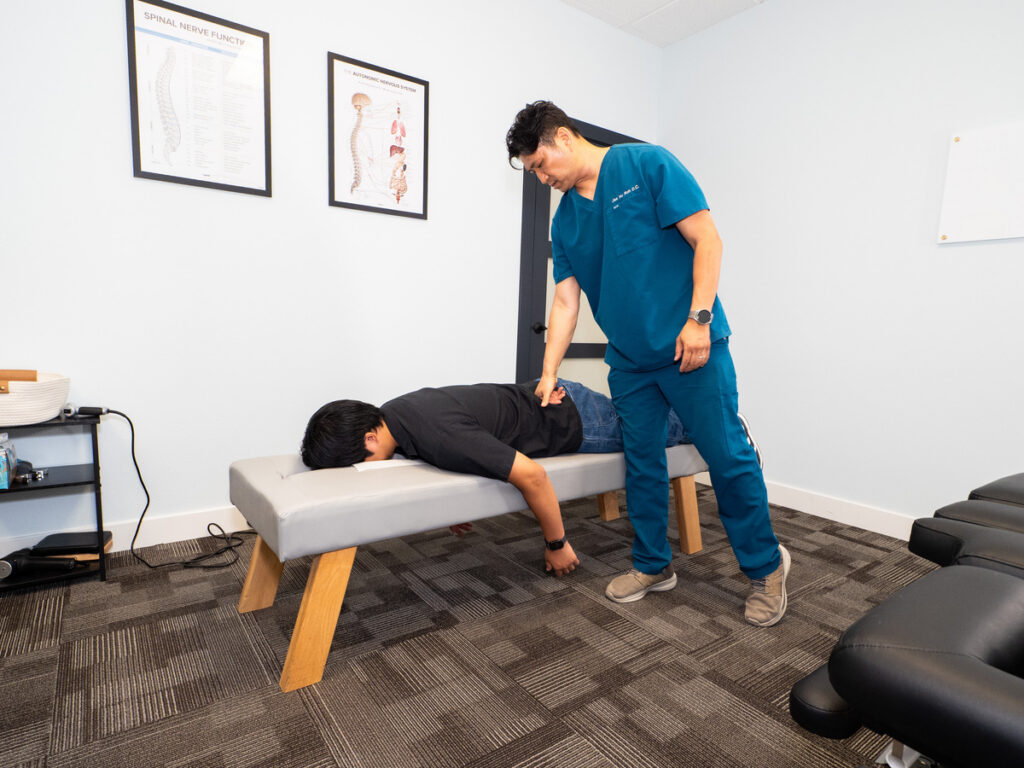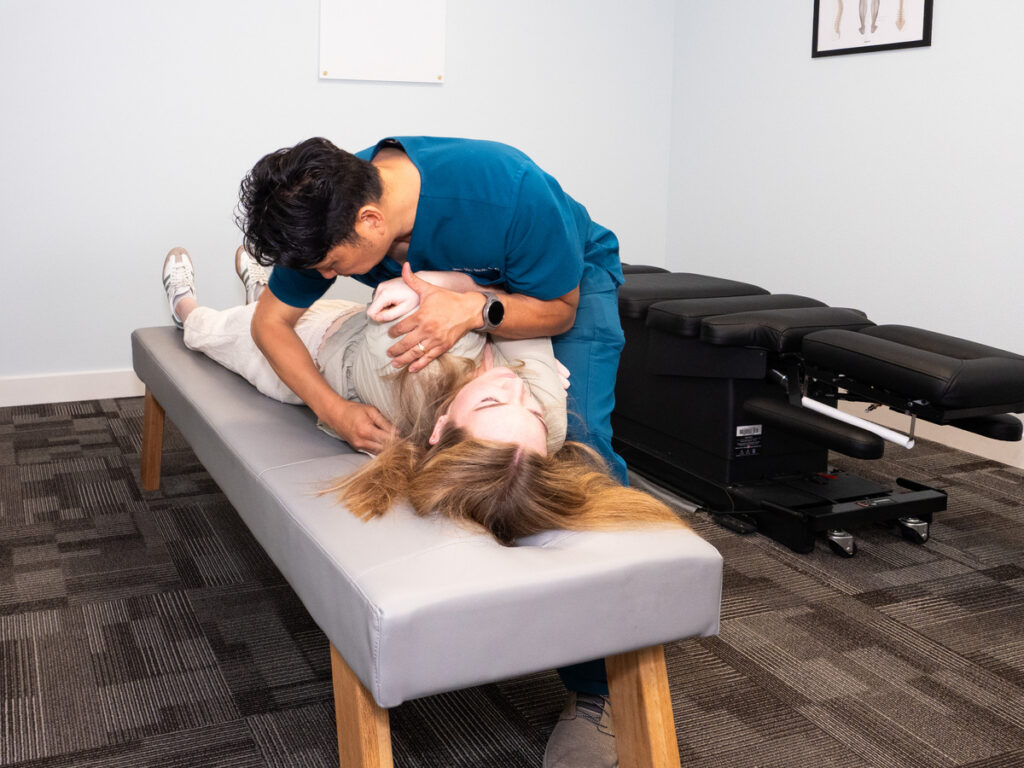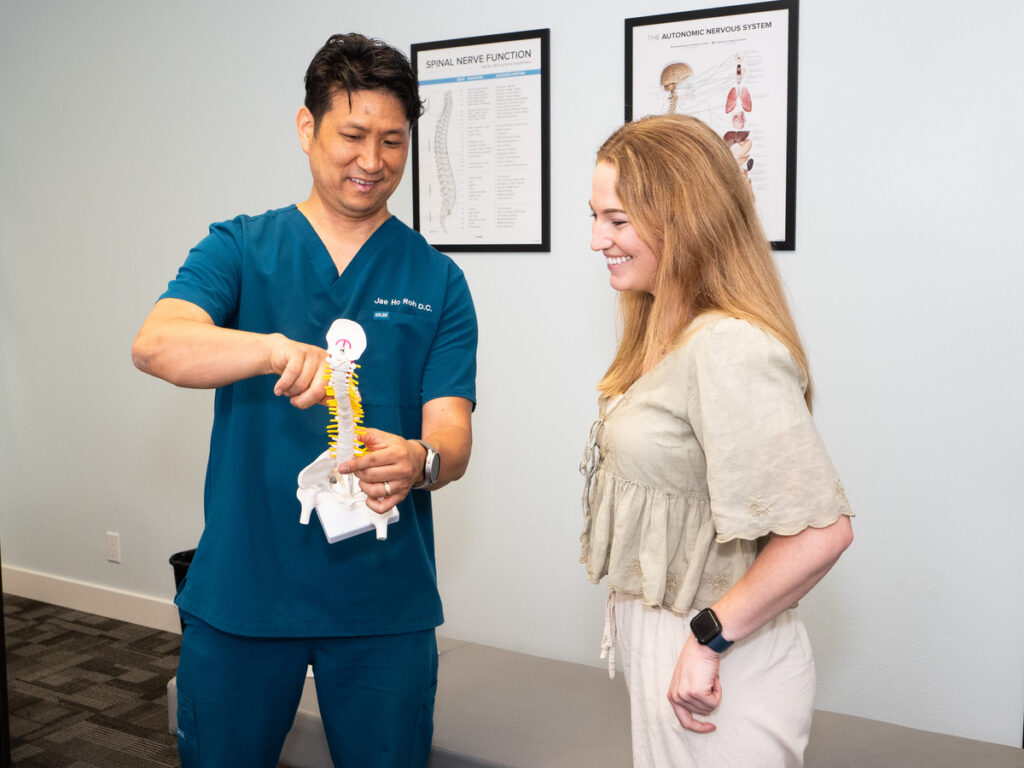

As a local chiropractor, I want to help you understand the crucial role that posture plays in maintaining a healthy back. Many people don’t realize that poor posture—like slouching or sitting incorrectly—can put undue strain on your spine and the muscles that support it. This strain can lead not only to discomfort in the short term but also to more serious, long-lasting issues if left unaddressed.
It’s important to recognize how your everyday habits may be contributing to your back pain. By improving your posture, you can alleviate discomfort and promote better overall health. I encourage you to be mindful of your body alignment and consider how even small adjustments can make a big difference. Let’s work together to identify any common mistakes you might be making that could be affecting your well-being.
Understanding the Connection Between Posture and Back Pain
As a local chiropractor, I want to share with you the crucial link between your posture and the health of your back. Many people underestimate the impact that proper alignment can have on their overall well-being. When you maintain good posture—whether sitting or standing—your spine can preserve its natural curve. This not only reduces strain on your muscles and ligaments but also allows your body to function at its best by distributing weight evenly.
Conversely, poor posture can lead to misalignments in your spine, which can create discomfort and pain over time. Consider how you position yourself during everyday activities. If you find yourself slouching or hunching over, you might be putting unnecessary pressure on your spinal discs and irritating your nerves. This can result in soreness and stiffness, making it difficult to move comfortably.
By being mindful of your posture and making intentional adjustments, you can relieve excess stress on your back. Remember, good posture goes beyond merely standing tall; it’s about nurturing your spine’s health and enhancing your overall quality of life.
As your chiropractor, I’m here to guide you in understanding how these changes can contribute to your long-term wellness.
Common Postural Mistakes That Contribute to Discomfort
As a chiropractor, I often see patients who are unaware of how their daily postural habits can significantly contribute to discomfort and pain.
One of the most common issues I encounter is slouching while sitting. This posture places undue strain on your spine and can lead to muscle fatigue over time. Many individuals also tend to lean forward when working on a computer, which can cause the neck to jut out and shoulders to hunch, further exacerbating tension.
Another frequent mistake is crossing your legs, which can misalign your hips and result in lower back pain. Standing for prolonged periods without shifting your weight from one foot to another can create additional tension in your back.
Moreover, poor sleeping positions—such as using too many pillows or sleeping on your stomach—can intensify discomfort.
By becoming aware of these habits and making some simple adjustments, you can significantly reduce your pain and enhance your overall posture.
I encourage you to take a moment to evaluate your daily habits and implement the necessary changes for a healthier spine. Remember, small changes can lead to significant improvements in your well-being!
The Anatomy of a Healthy Spine
As your local chiropractor, I want to emphasize how crucial your spine is to your overall health. It serves as the backbone of your body, providing vital support and stability.
Understanding the structure of your spine, the significance of its natural curves, and the importance of maintaining the health of your intervertebral discs is essential for preventing back pain and promoting overall wellness.
Let’s dive into these fundamental aspects together, so you can appreciate how to keep your spine healthy and strong.
Spine Structure Overview
As a local chiropractor, I want to take a moment to share with you the fascinating structure of the spine and its vital role in your overall health. The spine, which you may think of as just a collection of bones, is actually a remarkable system that serves as the backbone for both movement and stability in your body.
It consists of 33 vertebrae, which are stacked on top of one another and divided into five distinct regions: the cervical (neck), thoracic (mid-back), lumbar (lower back), sacral (the base of the spine), and coccygeal (tailbone). Each vertebra is uniquely shaped and has a specific function, allowing for the flexibility and support necessary for our daily activities.
In between these vertebrae, you’ll find intervertebral discs, which act as natural cushions. These discs are essential for absorbing shock during your movements, helping to protect your spine from injury.
Running through the center of the spine is the spinal cord, which is safeguarded by the vertebrae. This cord plays a crucial role, as it transmits signals between your brain and body, enabling you to move, feel, and respond to your environment.
This intricate design of the spine allows you to bend, twist, and lift while maintaining a healthy posture. As a chiropractor, I emphasize that understanding your spine’s structure is key to maintaining your overall health and well-being.
Poor alignment or injury can lead to discomfort and back pain, which is where chiropractic care comes into play. By focusing on natural healing and proper alignment, we can work together to enhance your spinal health and improve your quality of life.
Importance of Curvature
As a local chiropractor, I want to share with you the importance of maintaining a healthy spine, which goes beyond just having a strong framework—it’s also about preserving its natural curvature.
Your spine is designed with specific curves that play a crucial role in absorbing shock and evenly distributing weight throughout your body.
When you practice good posture—whether sitting or standing—you’re actively supporting these natural curves, which helps alleviate strain on your muscles and ligaments.
Conversely, if you find yourself slouching or leaning forward, you’re disrupting this delicate alignment, which can lead to discomfort and pain over time.
Maintaining proper spinal alignment not only enhances your movement and flexibility but also allows you to engage in your daily activities without limitations.
By being mindful of your posture, you’re taking essential steps to protect the natural curvature of your spine. This promotes overall health and significantly reduces the risk of experiencing back pain.
Remember, a well-aligned spine is essential for a pain-free life.
If you have any questions or concerns about your spine’s health, I’m here to help guide you towards a more comfortable and pain-free future through chiropractic care and natural healing methods.
Disc Health Essentials
As your local chiropractor, I want to share some important insights about maintaining a healthy spine, particularly focusing on the often-overlooked role of spinal discs.
These gel-like cushions are crucial for providing flexibility and support, acting as shock absorbers for your spine. To keep your discs in optimal condition, here are some key factors to consider:
- Hydration: Just like any other part of your body, your spinal discs need to stay well-hydrated. Proper hydration ensures they can provide the cushioning your spine requires.
- Posture: Paying attention to your posture is vital. Good posture reduces unnecessary stress on your spine, helping to prevent discomfort and injury.
- Exercise: Incorporating regular low-impact activities into your routine is essential. These exercises strengthen the muscles around your back, supporting your spine and its discs.
- Weight Management: Keeping your weight within a healthy range can significantly reduce the pressure on your spinal discs, promoting better overall spine health.
- Ergonomics: Utilizing ergonomic furniture can make a big difference in your daily activities. It helps ensure that your spine remains properly aligned, which is critical for maintaining disc health.
By focusing on these key factors, you can support your spinal health naturally and enhance your overall well-being.
If you have any questions or need guidance tailored to your specific situation, don’t hesitate to reach out. Your spine will thank you!
The Effects of Sedentary Lifestyles on Posture
As a local chiropractor, I often see the effects of sedentary lifestyles on my patients’ posture. Many of us spend countless hours sitting at desks or lounging on couches, and this can have a significant impact on our spinal health.
When you sit for prolonged periods, it’s common to find yourself slumping or leaning forward, which places undue strain on your spine and muscles. This unnatural positioning can lead to tightness in your chest and weakness in your back, resulting in misalignment over time.
Poor posture can quickly become a habit, making it increasingly difficult to stand or walk with a straight back. You might start to notice discomfort or pain, particularly in your lower back and neck.
Additionally, a sedentary lifestyle can weaken your core muscles, which are vital for supporting your spine. Without strong core muscles, maintaining good posture becomes a challenge.
I encourage you to make a conscious effort to incorporate regular movement and stretching into your daily routine. These simple actions can significantly improve your posture and help reduce the risk of pain, promoting a healthier, more aligned spine.
Ergonomic Solutions for Better Posture at Work
As a chiropractor dedicated to your well-being, I want to share some valuable insights on how to improve your posture while working.
One effective way to enhance your comfort and support your spinal health is by investing in adjustable office furniture. This type of furniture allows you to tailor the height of your desk and the position of your chair, ensuring that your body is well-aligned and comfortable throughout the day.
Moreover, it’s crucial to pay attention to the positioning of your computer monitor. Proper placement can significantly reduce strain on your neck and back, helping you maintain a healthier posture.
By making these adjustments, you can help prevent discomfort and promote better spinal alignment, which is essential for overall health and well-being.
Adjustable Office Furniture
As a chiropractor, I often see the impact that your workspace can have on your overall health and well-being. Spending long hours at a desk can lead to poor posture and discomfort, but choosing the right furniture can make a significant difference.
Adjustable office furniture is a fantastic option that allows you to tailor your workspace to suit your body’s needs, helping to maintain proper alignment and reduce strain on your back. Here are some important features to consider:
- Height-adjustable desks: These desks give you the flexibility to alternate between sitting and standing, which can relieve pressure on your back and promote better circulation.
- Ergonomic chairs: A good ergonomic chair helps support your lower back and encourages a natural curve in your spine, which is essential for preventing discomfort.
- Adjustable armrests: By keeping your shoulders relaxed and your arms properly supported, adjustable armrests can help prevent tension and strain in your neck and upper back.
- Footrests: Using a footrest can help you maintain proper leg positioning, which can reduce fatigue and improve circulation in your lower extremities.
- Keyboard trays: Positioning your keyboard at the right height can help keep your wrists in a neutral position, minimizing the risk of strain or injury.
Investing in these ergonomic solutions can significantly enhance your work experience and is a proactive step in preventing back pain and other musculoskeletal issues.
Proper Monitor Positioning
As a local chiropractor, I want to emphasize the importance of proper monitor positioning for your overall health and well-being. When you set up your monitor correctly, it can significantly enhance your posture and help prevent discomfort in your back and neck.
I recommend positioning the top of your screen at eye level. This way, you won’t have to tilt your head up or down, reducing strain on your neck.
It’s also crucial to maintain an appropriate distance from your monitor—aim for about an arm’s length. This allows your eyes to focus comfortably without unnecessary strain. Place the screen directly in front of you to avoid twisting your neck awkwardly.
Additionally, adjusting your chair height is vital. Your elbows should form a 90-degree angle while typing, promoting a more relaxed posture. If you’re using dual monitors, try to align them at the same height and distance from you, as this can further minimize physical stress.
By focusing on proper monitor positioning, you can foster better posture and create a healthier workspace, which is essential for your overall wellness.
Techniques for Maintaining Good Posture While Sitting
As a chiropractor, I often emphasize the importance of maintaining good posture while sitting, especially since many of my patients spend long hours at a desk. Proper alignment not only helps prevent back pain but also promotes overall well-being.
Here are some essential techniques you can easily incorporate into your daily routine to ensure your body is well-supported:
- Adjust Your Chair: Make sure your chair is at the right height so that your feet are flat on the floor and your knees are level with your hips. This simple adjustment can alleviate unnecessary strain on your back.
- Use Lumbar Support: Consider using a small cushion or a lumbar roll to support the natural curve of your lower back. This can help maintain proper spinal alignment and improve comfort while sitting.
- Keep Your Screen at Eye Level: Position your monitor so that the top of the screen is at or just below eye level. This prevents you from leaning forward or tilting your head, which can contribute to neck and back discomfort.
- Align Your Arms: When typing, ensure your elbows are close to your body and bent at about a 90-degree angle. Your wrists should remain straight to avoid strain. This helps promote better posture and reduces tension in your upper body.
- Take Breaks: It’s vital to stand up and stretch every 30 minutes. Regular movement helps engage your muscles and alleviates tension that builds up from prolonged sitting.
By making these simple adjustments, you can significantly enhance your comfort and reduce the risk of back pain.
Tips for Standing Correctly Throughout the Day
As a chiropractor, I want to emphasize the importance of standing correctly for your overall well-being.
Many people may not realize that proper alignment can significantly affect how you feel throughout the day. Start by ensuring your head is aligned directly over your shoulders and that your weight is evenly distributed on both feet.
This simple adjustment not only helps reduce strain on your back but also promotes better posture, allowing your body to function more efficiently.
Align Your Head Properly
As a local chiropractor, I want to emphasize the importance of proper head alignment for maintaining good posture and alleviating back pain. When your head is aligned correctly, it helps preserve the natural curve of your spine, reducing strain on your muscles and joints.
Here are some essential tips to guide you in achieving that alignment throughout your day:
- Stand tall with your ears in line with your shoulders. This simple adjustment can significantly improve your posture.
- Be mindful not to jut your chin forward; instead, gently tuck it in. This small change can make a big difference in how your neck feels.
- When using screens—whether it’s your computer, tablet, or phone—position them at eye level. This prevents unnecessary neck strain and promotes a more comfortable viewing angle.
- Regularly check in on your head position, particularly during long tasks like working at a desk. It’s easy to lose awareness of your posture over time.
- Don’t forget to take breaks! Stretching and resetting your posture can do wonders for your spine health.
Investing a little time in your head alignment can lead to significant benefits for your overall well-being.
Distribute Weight Evenly
As a chiropractor, I want to emphasize the importance of proper head alignment for maintaining an even distribution of weight while you stand. When you stand correctly, it can significantly impact your overall health and well-being.
Start by positioning your feet shoulder-width apart, allowing your weight to be evenly distributed between both legs. Engaging your core muscles is crucial, as it supports your spine and helps prevent slouching.
If you notice that you’re leaning to one side, make a conscious effort to shift your weight back to the center. This simple adjustment can enhance your posture and reduce strain on your body.
Additionally, I recommend keeping your knees slightly bent rather than locking them, as this technique can alleviate tension in your lower back.
If you find yourself standing for extended periods, consider periodically shifting your weight from one foot to the other. This practice can help combat fatigue and minimize back pain, making it much easier to maintain good posture throughout the day.
Proper Lifting Techniques to Protect Your Back
As a local chiropractor dedicated to your well-being, I want to emphasize the importance of proper lifting techniques to protect your back and prevent injuries. Many people don’t realize that how you lift objects can significantly affect your spinal health. Improper lifting can lead to strain and discomfort, so I encourage you to adopt safe practices.
Here are some essential tips to keep in mind:
- Bend at your knees: When you need to lift something, squat down to the object while keeping your back straight. This helps maintain the natural alignment of your spine.
- Keep the object close: It’s important to hold the load near your body. This minimizes the strain on your back and allows your legs to do the heavy lifting.
- Engage your core: Tightening your abdominal muscles not only stabilizes your spine but also supports your lower back during the lift.
- Use your legs: As you lift, focus on straightening your legs rather than bending your back. Your legs are stronger and designed for lifting.
- Avoid twisting: Instead of twisting your torso while lifting, turn your whole body. This reduces the risk of injury to your spine.
By using these techniques, you can protect your back and promote overall spinal health.
If you have any questions about proper lifting or how chiropractic care can help with back pain, I’m here to help!
Exercises to Strengthen Postural Muscles
As a local chiropractor, I want to emphasize the importance of strengthening the muscles that support your posture for maintaining a healthy spine. Even with proper lifting techniques, it’s crucial to incorporate specific exercises into your routine to enhance your overall spinal health.
One excellent exercise to start with is the plank. This move engages your core muscles, which play a vital role in supporting your spine. Begin by holding a plank for 30 seconds, and as your strength improves, gradually increase the duration.
Another beneficial exercise is the wall angel. This exercise promotes shoulder mobility and helps improve your posture. To perform it, stand against a wall with your arms bent at a 90-degree angle and gently slide them up and down the wall.
Don’t overlook the bridge exercise, which targets your lower back and glutes. Lie on your back with your knees bent, lift your hips towards the ceiling, and hold the position for a few seconds. This strengthens the muscles that support your lower spine.
Lastly, consider incorporating rows with resistance bands into your routine. This exercise effectively strengthens your upper back, which is essential for maintaining good posture.
By consistently practicing these exercises, you can enhance your postural muscles, alleviate back pain, and support a healthier spine overall.
Mindfulness Practices to Promote Better Posture
As a local chiropractor, I want to share some valuable insights into how mindfulness practices can help you achieve better posture and overall well-being. Many of my patients aren’t familiar with the importance of body awareness in maintaining a healthy spine and alignment.
By incorporating mindfulness into your daily routine, you can become more attuned to your body’s positioning and make conscious adjustments that support better posture. Here are some effective techniques you can easily integrate into your life:
- Breath Awareness: Start by focusing on your breath. This practice helps ground you and brings your attention to your body’s alignment, allowing you to notice if you’re slouching or holding tension.
- Body Scans: Take a moment to check in with different parts of your body. A body scan helps identify areas of tension or misalignment that may be affecting your posture. This awareness can guide you in making necessary adjustments.
- Mindful Sitting: When you sit, visualize a string gently pulling you upright from the crown of your head. This mental image can help you maintain an upright posture and reduce strain on your spine.
- Posture Reminders: Consider setting hourly reminders on your phone. These gentle nudges will prompt you to pause, assess your posture, and make any needed adjustments throughout the day.
- Meditative Movement: Activities such as yoga or tai chi are excellent for enhancing body awareness and flexibility. They encourage mindful movement, which can significantly improve your posture over time.
By integrating these mindfulness practices into your daily life, you can enhance your posture and overall spinal health.
If you have any questions or would like further guidance, please feel free to reach out during your next visit. Your journey to better posture and health starts with awareness!