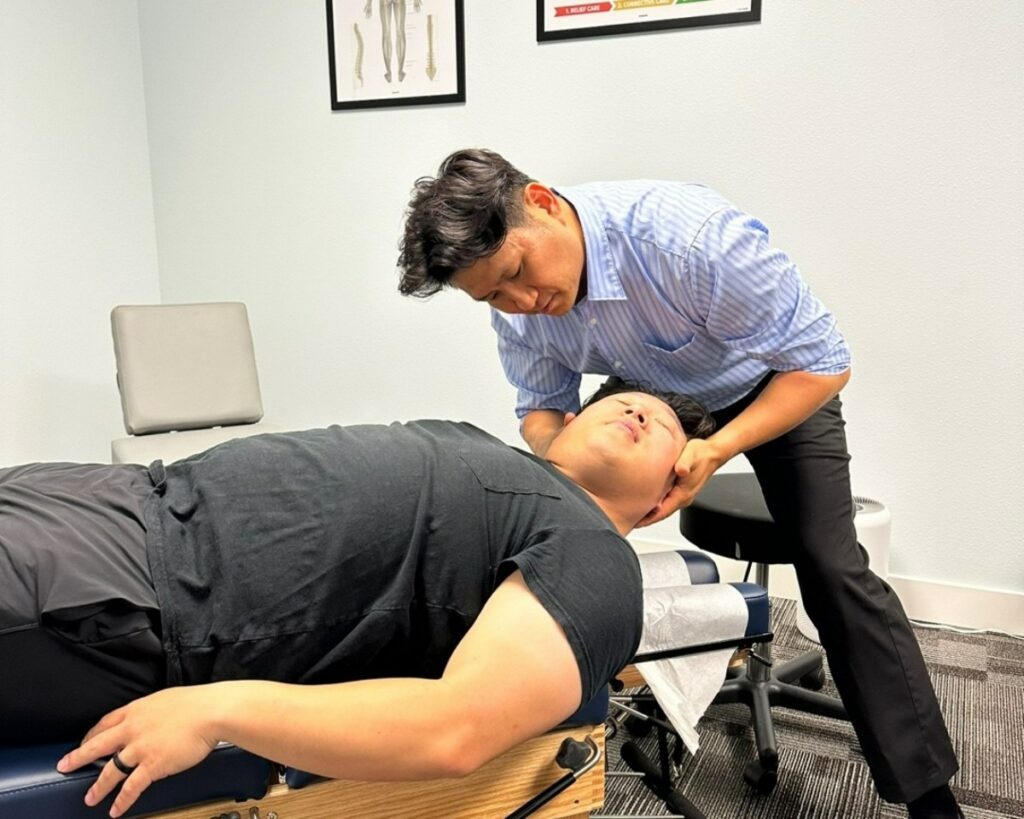

You might not realize it, but your posture affects more than just how you look; it influences your overall health and well-being. When you visit a professional, they can pinpoint your posture issues and recommend tailored solutions that improve not just alignment but also confidence and comfort. You could experience less pain, better breathing, and even enhanced physical performance. Curious about how a few simple adjustments can lead to significant changes in your daily life? Let's explore the compelling reasons to make that appointment.
Understanding Posture Basics
When you understand posture basics, you can greatly enhance your overall well-being. Proper posture isn't just about standing tall; it's about aligning your body in a way that supports your muscles, joints, and spine. Think of your body as a stack of blocks; when each block is aligned, you maintain balance and stability. This alignment reduces strain on your muscles and ligaments, allowing you to move more freely and comfortably.
Start by being aware of your natural stance. Stand with your feet shoulder-width apart, weight evenly distributed. Your shoulders should be relaxed and rolled back slightly, and your chin should be parallel to the ground. This position lets your spine maintain its natural curves.
When you sit, ascertain your back is straight and your feet are flat on the floor. Use a chair that supports your lower back to keep your spine aligned while you work or relax.
In addition, pay attention to how you carry yourself throughout the day. Whether you're walking, bending, or lifting, maintaining good posture will make tasks easier and prevent unnecessary aches and pains.
You might also consider incorporating stretches and strengthening exercises into your routine. These can improve your flexibility and core strength, ultimately supporting better posture.
Finally, remember that good posture is a habit that takes time to develop. By consistently applying these basics, you'll notice improvements in your energy levels, concentration, and overall physical health.
Common Posture Problems
You mightn't realize it, but slouching and hunching can lead to serious neck and back pain over time.
These common posture problems can affect your overall well-being and daily activities.
Let's explore how to recognize and address these issues for a healthier posture.
Slouching and Hunching Issues
Poor posture can lead to a myriad of physical discomforts, with slouching and hunching being among the most common culprits. When you slouch, your spine loses its natural alignment, causing strain on your muscles and ligaments. This can result in fatigue and decreased energy levels, making it harder for you to focus throughout the day.
Hunching over, whether at your desk or while using your phone, can also contribute to tightness in your chest and shoulders. This tightness can limit your range of motion and make everyday activities feel more challenging.
Over time, these poor habits can become ingrained, leading to chronic discomfort and a negative impact on your overall well-being.
To combat slouching and hunching, it's important to be mindful of your posture throughout the day. Set reminders to check in with yourself and adjust your position, ensuring your back is straight and your shoulders are relaxed.
Simple exercises, like stretching and strengthening your core, can also help improve your posture. By addressing these issues now, you can pave the way for a healthier, more confident you in the future.
Neck and Back Pain
How often do you find yourself dealing with neck and back pain due to common posture problems? If you spend long hours hunched over your computer or slouched on the couch, you're likely feeling the effects. Poor posture places unnecessary strain on your muscles and joints, leading to discomfort that can disrupt your daily life.
When your head juts forward or your shoulders round, it creates an imbalance that can trigger tension and pain. You might notice stiffness in your neck, a dull ache in your back, or even headaches arising from muscle strain. These symptoms can markedly affect your productivity and overall well-being.
The good news is that you don't have to suffer in silence. Visiting a posture specialist can help identify the root causes of your pain. They'll guide you through exercises and stretches designed to strengthen your core and improve your alignment.
With the right strategies, you can alleviate discomfort and prevent future issues. Don't let neck and back pain hold you back. Taking steps to improve your posture can lead to a healthier, more active lifestyle. Start your journey to better posture today!
Health Benefits of Good Posture
Good posture offers a multitude of health benefits that often go unnoticed. When you maintain proper alignment of your body, you're not just looking better; you're also enhancing your overall well-being.
One of the most significant advantages is improved respiratory function. When you sit or stand up straight, your lungs have more room to expand, allowing for deeper, more efficient breathing. This can lead to increased oxygen levels in your blood, which boosts energy and focus.
Additionally, good posture positively impacts your digestion. Slouching can compress your organs and hinder their function, leading to discomfort and digestive issues. By keeping your spine aligned, you create space for your digestive system to work more effectively, promoting better nutrient absorption and reducing bloating.
Your mood can also benefit from good posture. Studies show that standing tall can improve your confidence and reduce feelings of stress and anxiety. When you adopt a favorable posture, your body releases endorphins, which elevate your mood and foster a sense of well-being.
Moreover, maintaining proper posture can help prevent injuries. By aligning your body correctly, you're reducing strain on your muscles and joints, which minimizes the risk of overuse injuries. This is essential, especially if you lead an active lifestyle or spend long hours at a desk.
Incorporating good posture into your daily routine can lead to lasting health improvements, enhancing your quality of life in ways you mightn't have considered.
Improved Physical Performance
Improved physical performance is one of the most compelling reasons to focus on your posture. When you maintain good alignment, your body functions more efficiently, allowing you to excel in everyday activities and sports.
Proper posture helps distribute your weight evenly, reducing the strain on your muscles and joints. As a result, you'll find that you can push yourself harder and recover faster.
Here are some specific ways better posture enhances your physical performance:
- Increased Strength: When your body is aligned correctly, your muscles can work more effectively. You'll engage your core and stabilizer muscles, resulting in more power during workouts or athletic activities.
- Enhanced Flexibility: Good posture allows for a greater range of motion in your joints. This flexibility can improve your agility and balance, making it easier to perform physical tasks without injury.
- Better Endurance: When you're not fighting against the effects of poor posture, you'll conserve energy. This means you can maintain stamina longer during physical exertion, whether you're running a marathon or lifting weights.
Enhanced Mental Well-Being
With consistent attention to your posture, you may notice a significant boost in your mental well-being. Good posture isn't just about looking more confident; it directly impacts how your brain functions. When you sit or stand tall, your body communicates to your brain that it's ready to engage with the world. This can lead to increased energy levels and a more positive mood.
Poor posture can lead to physical discomfort, which often translates into mental stress. If you're slouched or hunched over, you might feel fatigued or even anxious. Correcting your posture can alleviate these physical symptoms, allowing you to focus better and feel more at ease. You'll likely find that you're less distracted by discomfort, which in turn fosters a clearer, more productive mindset.
Additionally, practicing good posture can improve your breathing. When you're aligned properly, your lungs can expand fully, leading to better oxygen flow to your brain. This increased oxygenation can enhance cognitive functions, helping you think more clearly and make decisions more effectively.
You may also notice that maintaining a strong posture fosters a sense of control over your body and environment. This sense of control is vital for mental well-being, as it can reduce feelings of anxiety and promote a more stable emotional state.
Boosted Confidence Levels
When you stand tall with good posture, you instantly improve your body language, making you appear more approachable and confident.
This shift not only enhances your self-image but also boosts your energy levels, helping you tackle challenges head-on.
Let's explore how these changes can transform your everyday interactions and self-perception.
Improved Body Language
Your body language speaks volumes about your confidence levels, often communicating more than words ever could. When you improve your posture, you automatically enhance your body language, which can greatly impact how others perceive you.
Standing tall and maintaining an open stance conveys a sense of self-assurance and approachability.
Here are a few ways improved body language can boost your confidence:
- Eye contact: Engaging with others through steady eye contact shows you're confident and engaged in the conversation.
- Gestures: Using purposeful hand movements can emphasize your points, making you appear more assertive and credible.
- Facial expressions: A genuine smile or a relaxed expression can create a positive atmosphere, making you feel more at ease and confident in social interactions.
Enhanced Self-Image
Improving your posture can greatly enhance your self-image, leading to boosted confidence levels. When you stand tall and aligned, you naturally exude an aura of self-assurance that others notice. This physical change can shift how you view yourself, making you feel more capable and in control.
Good posture can also affect your mood and mental state. When you're slouched or hunched, it's easy to feel defeated or anxious. But by sitting or standing up straight, you signal to your brain that you're ready to take on challenges. This simple adjustment can shift your mindset and encourage a more positive self-image.
Moreover, when you present yourself with confidence, you're likely to receive positive feedback from others. This encouragement can reinforce your self-worth and further elevate your confidence levels. You might find that more opportunities arise, and you're more willing to seize them when you feel good about yourself.
In essence, working on your posture isn't just about physical alignment; it's a powerful tool for reshaping your self-perception and boosting your confidence. By prioritizing good posture, you'll be investing in a more confident, self-assured version of you.
Increased Energy Levels
Good posture acts like a battery charger for your energy levels. When you stand tall and align your body properly, you're not just improving your appearance; you're also boosting how you feel.
Proper alignment opens up your airways, allowing for better oxygen intake, which can greatly enhance your energy throughout the day.
Here's how improved posture can elevate your energy:
- Improved circulation: Good posture promotes blood flow, delivering oxygen and nutrients more efficiently to your muscles and organs.
- Reduced fatigue: When your body is aligned, it requires less energy to maintain your position, helping you feel less tired as the day goes on.
- Increased focus: With less strain on your body, your mind can concentrate better, keeping you alert and engaged in your tasks.
Role of Professionals
Professionals play an essential role in helping individuals achieve better posture and overall spinal health. When you seek guidance from experts like chiropractors, physical therapists, or posture specialists, you're taking a significant step toward improving your well-being.
These professionals assess your posture, identify specific issues, and provide tailored recommendations based on your unique needs. They understand that poor posture often stems from muscle imbalances, weaknesses, or lifestyle habits.
By analyzing your body mechanics, they can pinpoint the root causes of your discomfort. This individualized approach guarantees that you're not just addressing symptoms but also working to correct the underlying problems.
Additionally, professionals can educate you on the importance of ergonomics in your daily life. They'll help you establish a workstation that promotes good posture, making it easier for you to maintain proper alignment throughout the day.
This knowledge empowers you to make informed choices, whether you're sitting at a desk or engaging in physical activities.
Moreover, professionals often recommend exercises and stretches that strengthen the muscles supporting your spine. By incorporating these into your routine, you'll enhance your posture and reduce the risk of future injuries.
The support and accountability they provide can be invaluable, motivating you to stay committed to your posture improvement journey.
Treatment Options Available
When it comes to treating posture-related issues, you have a variety of effective options at your disposal. It's important to tailor your approach based on your specific needs and lifestyle. Here are some treatment options you can consider to improve your posture:
- Chiropractic Care: A chiropractor can help align your spine and relieve tension in your muscles. Regular adjustments can lead to better posture and reduced discomfort.
- Physical Therapy: A physical therapist can design a personalized program that focuses on strengthening weak muscles and stretching tight ones. This targeted approach can correct postural imbalances over time.
- Massage Therapy: Therapeutic massage can help alleviate muscle tension and improve circulation, which may contribute to better posture. Regular sessions can help maintain flexibility and reduce pain.
Each of these treatments offers unique benefits, and you might find that a combination works best for you. Consulting with a professional can help identify the most effective strategies tailored to your situation.
Remember, improving your posture isn't a quick fix; it requires consistent effort and dedication. By exploring these treatment options and staying committed to your journey, you'll be on your way to achieving the posture you desire.
Don't hesitate to reach out to professionals who can guide you through this process. Your body will thank you for it!
Exercises for Better Posture
To improve your posture, incorporating specific exercises can make a big difference.
Stretching techniques can enhance your flexibility and relieve tension, while strengthening your core muscles provides the support your body needs for proper alignment.
Let's explore some effective exercises that target these areas and help you stand tall.
Stretching Techniques Benefits
Improving your posture can be as simple as incorporating stretching techniques into your daily routine. Stretching helps to alleviate tension in your muscles and promotes flexibility, which is vital for maintaining a proper posture.
By dedicating just a few minutes each day to stretching, you can greatly improve your overall alignment and comfort.
Here are some key benefits of stretching for better posture:
- Increased flexibility: Regular stretching enhances your range of motion, making it easier to sit and stand correctly.
- Reduced muscle tension: Stretching helps relieve tightness in your muscles, allowing for a more relaxed and aligned posture.
- Improved blood circulation: Stretching increases blood flow to your muscles, providing essential nutrients and promoting recovery.
Incorporating these stretching techniques into your day can make a noticeable difference in how you carry yourself.
Whether you're at work, home, or on the go, taking the time to stretch can lead to a more upright and confident posture.
Start small, stay consistent, and you'll soon notice the positive effects on your posture and overall well-being.
Strengthening Core Muscles
Strengthening your core muscles is essential for achieving better posture and stability. A strong core supports your spine and helps you maintain an upright position, reducing the risk of back pain and injury. Incorporating core exercises into your routine can lead to noticeable improvements in your posture.
Start with planks, which engage multiple core muscles. Hold a plank position for 30 seconds, gradually increasing the time as you get stronger.
Next, try bridges; lie on your back with your knees bent, lift your hips toward the ceiling, and hold for a few seconds before lowering back down. This exercise not only strengthens your core but also your glutes.
Don't forget about dead bugs. Lie on your back, raise your legs to a 90-degree angle, and extend opposite arms and legs while keeping your lower back pressed into the floor. This movement enhances coordination and core stability.
Lastly, consider incorporating yoga or Pilates into your routine. Both focus on core strength and promote better posture through controlled movements.
Long-Term Maintenance Strategies
Maintaining good posture over the long term requires a proactive approach and consistent effort. To guarantee you keep your posture in check, it's vital to incorporate strategies into your daily routine.
Here are some effective long-term maintenance strategies you can implement:
- Regular Stretching: Incorporate stretching exercises into your daily routine. Focus on areas that tend to tighten, like the chest, shoulders, and hip flexors. This will help maintain flexibility and prevent stiffness.
- Ergonomic Adjustments: Evaluate your workspace and make necessary adjustments. Confirm your chair, desk, and computer are set up to promote good posture. Your monitor should be at eye level, and your chair should support your lower back.
- Mindful Awareness: Cultivate an awareness of your posture throughout the day. Whether sitting, standing, or walking, pay attention to your alignment. This mindfulness will help you correct poor posture habits before they become ingrained.
Conclusion
In summary, prioritizing your posture is essential for your health and well-being. By visiting a professional, you can gain valuable insights and personalized strategies to tackle common issues. Improved posture not only boosts your physical performance but also enhances your mental well-being. Incorporating targeted exercises and maintenance strategies into your routine will help you stay aligned and confident. So take the first step today—your body and mind will thank you!