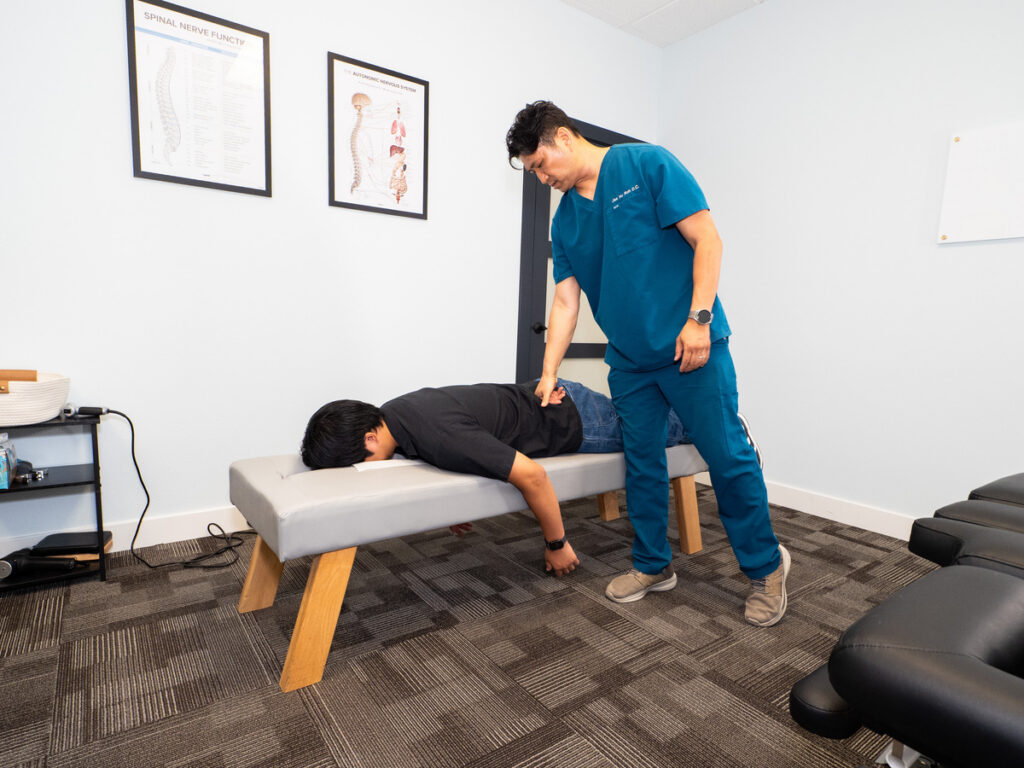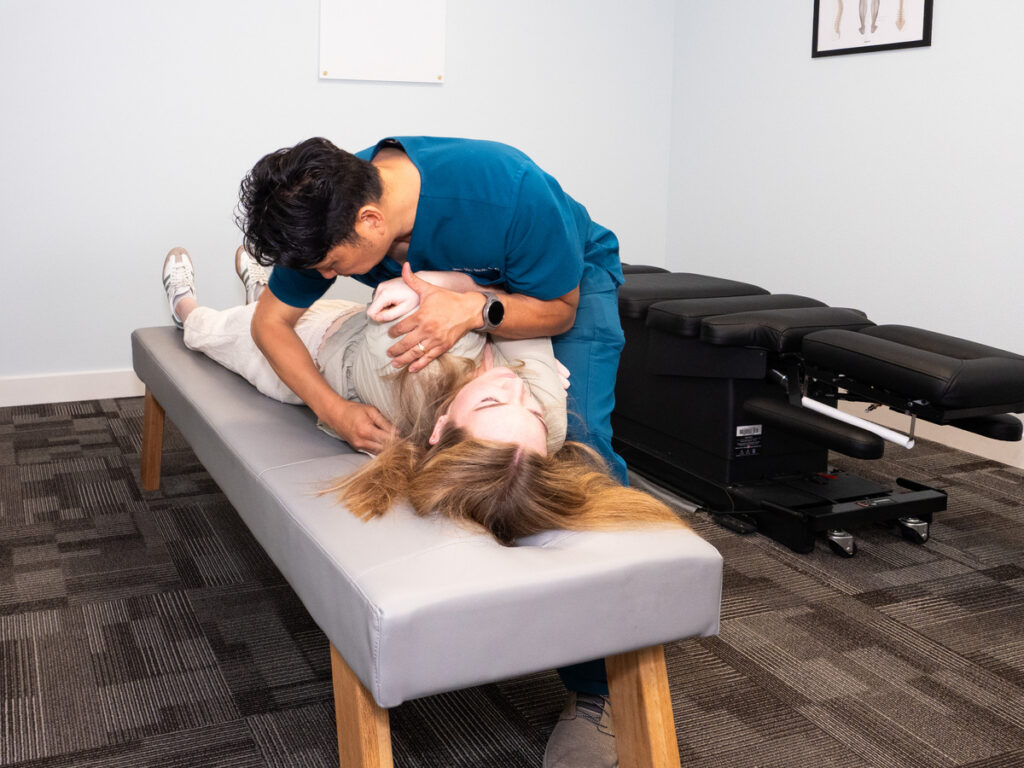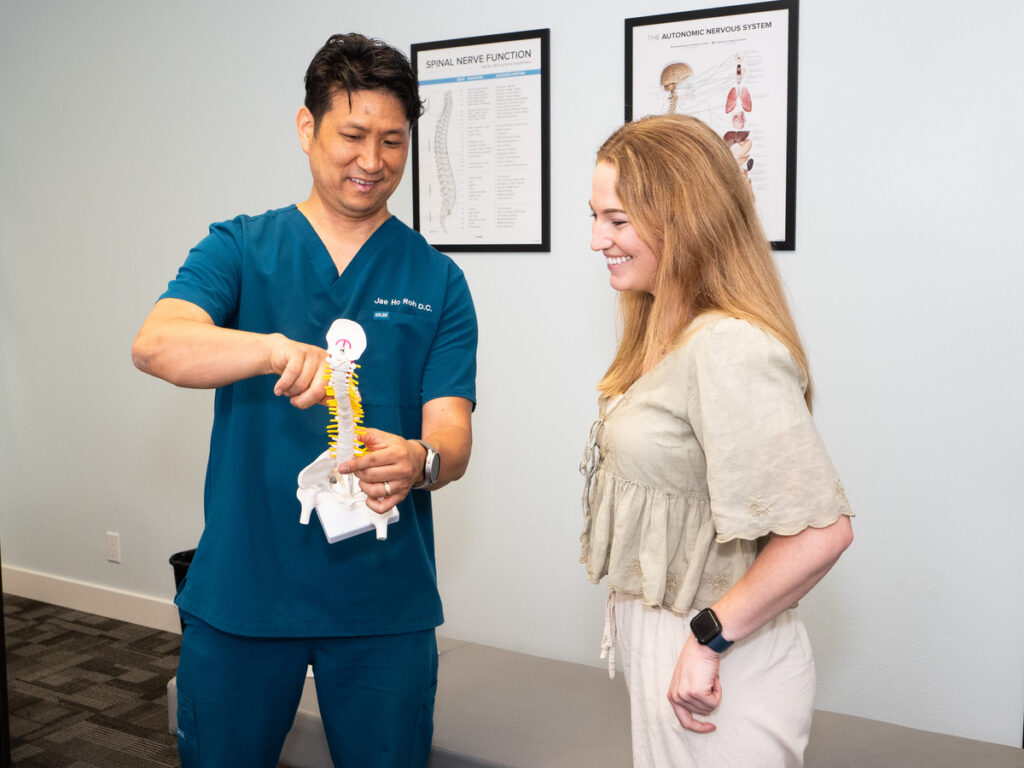

As a local chiropractor, I want to address a common issue many of you may be facing: tension in your upper back. You're not alone in this; countless individuals overlook how their posture and daily habits can significantly affect their spinal health. It's vital to understand that even small changes in your everyday routine can lead to remarkable improvements in how you feel.
In my practice, I've seen firsthand how effective stretching techniques and strengthening exercises can alleviate discomfort and promote better alignment. But it doesn't stop there. I also want to highlight the crucial connection between stress management and your overall physical well-being. When stress levels rise, it can manifest as tension in the body, particularly in the upper back.
Are you curious about how these elements—posture, exercise, and stress management—work together to create a holistic approach to your health? By incorporating chiropractic care into your routine, we can address these issues comprehensively, helping you achieve lasting relief and a healthier spine.
Understanding Upper Back Pain
As a local chiropractor, I want to take a moment to talk about a common issue I see in my practice: upper back pain. Many individuals experience this discomfort at some point in their lives, and it can arise from various factors. Often, muscle strain, poor ergonomics, or even underlying health conditions are the culprits.
For instance, if you find yourself sitting for extended periods or lifting heavy objects improperly, the muscles in your upper back can become strained, resulting in pain and stiffness.
It's important to note that stress can significantly contribute to upper back pain as well. When you're feeling stressed, your body tends to tense up, particularly in the neck and upper back regions. This tension can create a cycle of discomfort that's challenging to break.
Additionally, if you engage in activities that involve repetitive motions—such as certain sports or job tasks—you may be putting yourself at a higher risk for developing upper back pain.
I encourage you to pay close attention to your posture, whether you're standing or sitting. Leaning forward or hunching over can lead to muscle fatigue and discomfort over time.
Furthermore, lifestyle choices, such as a lack of physical activity, can weaken the muscles that support your spine, making you more vulnerable to pain.
To effectively address your upper back pain, it's crucial to identify the underlying cause. By being mindful of your daily habits and making small adjustments, you can significantly reduce discomfort.
Importance of Good Posture
As a local chiropractor, I want to emphasize the significant role that good posture plays in preventing and alleviating upper back pain. When you maintain proper alignment in your body, you ensure that your weight is distributed evenly, which reduces unnecessary strain on your muscles and spine. By keeping your shoulders back and your head aligned with your spine, you create a solid foundation that supports your upper back and minimizes discomfort.
Many of you may not realize how your daily habits can greatly impact your posture. Whether you're sitting at your desk, standing in line, or using your phone, the way you carry yourself matters. Slouching or hunching over can lead to muscle fatigue and tension, exacerbating any upper back pain you might be experiencing. It's important to be aware of your body's alignment throughout the day.
Making small adjustments to your posture can lead to significant improvements in how you feel. For example, when you're sitting, ensure that your feet are flat on the floor, and your knees are at a right angle. Your back should rest against the chair for proper support.
When standing, distribute your weight evenly across both feet and engage your core muscles to help maintain your balance.
Incorporating good posture into your daily routine not only helps alleviate upper back pain but also enhances your overall well-being. You may find that it boosts your confidence and energy levels, allowing you to engage more fully in your daily activities.
Effective Stretching Techniques
As a local chiropractor, I want to share some effective stretching techniques that you can easily incorporate into your daily routine to help alleviate upper back pain. Many patients are unaware of how beneficial stretching can be for improving flexibility and releasing muscle tension, which ultimately leads to relief and enhanced mobility.
Let's start with a simple shoulder stretch. Whether you're sitting or standing, maintain a straight posture, clasp your hands together, and reach your arms overhead. Hold this position for 15 to 30 seconds while taking deep breaths. This stretch is excellent for opening up your chest and relieving tightness in your upper back, which many of you may experience during long hours of sitting.
Next, I recommend the cat-cow stretch, which is great for spinal mobility. Begin on your hands and knees in a tabletop position. Inhale as you arch your back, lifting your head and tailbone (this is the cow position). Then, exhale and round your spine, tucking your chin and your tailbone (this is the cat position). Repeat this flow for several breaths; it allows your back to move freely and effectively releases built-up tension.
Another effective stretch you might find helpful is the doorway stretch. Stand in a doorway with your forearms resting on the door frame, and step forward slightly. You should feel a nice stretch across your chest and shoulders. Hold this position for 15 to 30 seconds. It's particularly useful for opening up the upper back and counteracting the effects of poor posture.
Lastly, don't overlook the seated spinal twist. Sit comfortably on a chair, place your right hand on the back of the chair, and gently twist your torso to the right while keeping your hips facing forward. Hold for 15 to 30 seconds, then switch sides. This stretch can help improve spinal mobility and reduce discomfort.
By incorporating these stretches into your daily routine, you can maintain a healthier upper back and significantly reduce discomfort in your day-to-day activities.
Strengthening Exercises for Relief
As a local chiropractor, I want to share some valuable insights on how to effectively relieve upper back pain through natural means. One of the key aspects of maintaining a healthy spine is strengthening the muscles that support it. A strong upper back not only helps in maintaining proper posture but also significantly reduces strain on your spine, which can alleviate pain and prevent future discomfort.
Incorporating specific exercises into your routine can be incredibly beneficial. Here are a few that I recommend to help strengthen your upper back:
- Rows: Using resistance bands or weights, perform rows by pulling the weights toward your chest while keeping your elbows close to your body. This exercise effectively targets the muscles in your upper back. Aim for 2-3 sets of 10-15 repetitions to start building strength.
- Wall Angels: Stand with your back against a wall, positioning your feet a few inches away. Ensure that your lower back, head, and arms are pressed against the wall. Slowly slide your arms up and down while keeping them in contact with the wall. This movement helps improve mobility and strength in your shoulders and upper back.
- Supermans: Lie face down on the floor with your arms extended in front of you. Lift your arms, chest, and legs off the ground simultaneously, holding the position for a few seconds before lowering back down. This exercise strengthens your entire back and enhances overall stability.
By incorporating these exercises into your weekly routine, you can experience significant improvements in your upper back strength and comfort.
It's important to start gradually, being mindful of your body's signals. If you encounter any pain or discomfort while exercising, please don't hesitate to reach out for professional guidance.
Chiropractic care can offer additional support in your journey to better spine health and overall well-being.
Lifestyle Changes for Prevention
As a local chiropractor, I want to help you understand that preventing upper back pain goes beyond just strengthening your upper back with targeted exercises; it involves making thoughtful lifestyle choices that promote your overall wellness.
First and foremost, let's talk about posture. Whether you're sitting at your desk, driving your car, or standing in line, maintaining a good posture is crucial. Keeping your shoulders back and your spine aligned can significantly reduce the strain on your upper back. Investing in ergonomic chairs and desks can provide the support you need to maintain this alignment throughout your day.
It's also important to incorporate regular breaks into your routine, especially if you spend long hours in front of a computer. I recommend setting reminders to stand up, stretch, and move around every hour. This can relieve tension and keep your muscles active, preventing stiffness and discomfort.
In addition to posture and movement, regular physical activity plays a key role in your overall health. Aim for at least 30 minutes of moderate exercise most days, focusing on activities that enhance your flexibility and strength. Practices like yoga and Pilates are especially beneficial, as they emphasize proper alignment and strengthen your core, which can support your upper back.
Don't overlook the importance of quality sleep. Ensure your mattress and pillows are designed to support your spine correctly. Sleeping on your back or side with a supportive pillow can help maintain the natural curve of your upper back, reducing the likelihood of pain.
Lastly, managing stress is vital for overall wellness. Chronic stress often leads to muscle tension, which can worsen discomfort in your back. I encourage you to explore mindfulness practices or deep-breathing exercises to help keep your stress levels under control.
Conclusion
As your local chiropractor, I want to share some effective ways to relieve upper back pain that you may not be familiar with. One of the most important aspects is incorporating good posture into your daily routine. This simple adjustment can make a significant difference in the way you feel. Additionally, effective stretching and strengthening exercises are essential for maintaining a healthy upper back.
Making these lifestyle changes, along with managing stress, can help you not only find relief but also improve your overall well-being. Remember, consistency is key! By regularly practicing these strategies, you'll notice a positive change in how you feel and move.
I encourage you to take charge of your health today. With a commitment to these practices, you can say goodbye to those upper back blues for good! If you have any questions or need guidance on how to get started, feel free to reach out. I'm here to help you on your journey to better health through natural healing and chiropractic care.