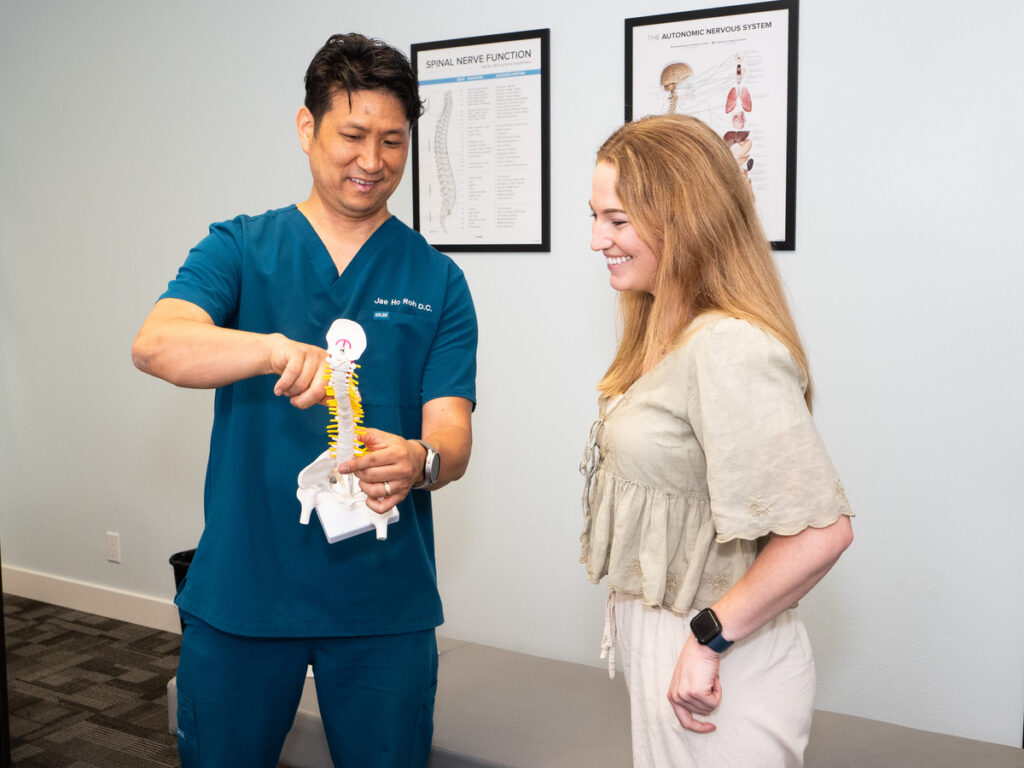

As a local chiropractor, I understand that many of you may be dealing with back pain, and I want you to know that you’re not alone in this. A significant number of individuals are looking for natural solutions to alleviate their discomfort without turning to medications. Chiropractic care offers a holistic approach that can support your healing journey.
By incorporating methods such as spinal adjustments, herbal remedies, and mindfulness practices, we can work together to address the root causes of your pain. Simple lifestyle changes, along with regular chiropractic adjustments, can lead to significant improvements in your overall well-being. Let’s explore these strategies together, so you can regain your comfort and enjoy a healthier, pain-free life.
Understanding the Causes of Back Pain
As a local chiropractor dedicated to helping you understand back pain, it’s essential to recognize that many factors can contribute to this common issue. One major cause is poor posture, particularly if you spend extended periods sitting. This habit can lead to significant strain on your back, resulting in discomfort.
Additionally, improper lifting techniques when handling heavy objects can further exacerbate the strain on your spine.
Beyond these habits, persistent back pain may also be linked to underlying conditions such as arthritis or herniated discs. These medical issues can require more focused attention to address the pain effectively.
Furthermore, don’t overlook the impact of stress and emotional tension, as they can lead to muscle tightness and discomfort in your back. Even something as seemingly unrelated as inadequate sleep can worsen these issues and affect your overall well-being.
It’s crucial to evaluate your daily routines and lifestyle choices, as they often reveal the underlying causes of your back pain. By identifying the triggers, you can take proactive steps towards relief.
In chiropractic care, we focus on natural healing methods that can help you manage your pain effectively. Together, we can explore strategies and adjustments tailored to your needs, leading to lasting relief and improved quality of life.
The Role of Exercise in Back Pain Relief
As a local chiropractor, I want to emphasize the vital role that exercise plays in relieving back pain. Engaging in regular physical activity not only strengthens the muscles that support your spine but also enhances your flexibility.
When you focus on building your core strength, you create a stable foundation for your back, which can significantly reduce strain and discomfort. You don’t need to engage in high-intensity workouts to see benefits. In fact, gentle movements can be incredibly effective for your healing process.
Activities such as walking, swimming, or cycling are excellent options that provide support without placing undue stress on your body. I encourage you to prioritize low-impact exercises that promote both mobility and strength.
By strengthening your abdominal and back muscles, you can improve your posture, which is key in preventing future pain and discomfort. Additionally, consistent exercise is beneficial for increasing blood circulation, which helps deliver essential nutrients to your muscles and aids in recovery.
It’s important to listen to your body and gradually increase your activity level as you feel comfortable. Incorporating exercise into your daily routine is a powerful, natural way to manage back pain and enhance your overall well-being.
Yoga and Stretching Techniques
As a local chiropractor, I want to emphasize the importance of incorporating yoga and stretching techniques into your routine for effective back pain management.
These natural practices not only promote flexibility but also strengthen your muscles and improve your posture, which can significantly alleviate discomfort.
Here are four valuable techniques that I recommend:
- Cat-Cow Stretch: This dynamic stretch is excellent for increasing spine flexibility and relieving tension in your back. It encourages mobility in the vertebrae and can enhance your overall spinal health.
- Child’s Pose: This gentle resting position helps elongate the spine and relaxes the back muscles. It’s a wonderful way to decompress after a long day or a strenuous activity.
- Downward-Facing Dog: This pose not only strengthens the entire back but also stretches the hamstrings and calves. It encourages a full-body stretch that can enhance your overall well-being.
- Seated Forward Bend: This stretch targets the lower back and hamstrings, easing tightness and promoting relaxation. It’s particularly beneficial for those who spend long hours sitting.
I encourage you to integrate these stretches into your daily routine.
Consistency is crucial when it comes to building strength and flexibility, which can lead to lasting relief from back pain.
Mindfulness and Meditation Practices
As a local chiropractor, I want to share how mindfulness and meditation can be beneficial for managing back pain. These practices aren’t just for relaxation; they can serve as effective tools to help you understand your body better and alleviate discomfort.
By incorporating mindfulness techniques into your daily routine, you can significantly reduce stress and enhance your awareness of bodily sensations, which may lead to improved relief from pain.
Let’s delve into some effective meditation methods that can complement your chiropractic care and help you achieve greater comfort and ease.
Together, we can explore how these natural healing techniques can support your journey towards better spinal health and overall well-being.
Benefits of Mindfulness
As a local chiropractor, I want to share with you the powerful benefits of incorporating mindfulness practices into your daily routine—especially when it comes to alleviating back pain. Many people may not realize how much our mental state can impact our physical health. By engaging in mindfulness, you can focus on the present moment, which significantly reduces stress and tension that often contribute to discomfort in your back.
Here are some key benefits you can experience:
- Enhanced Body Awareness: Mindfulness helps you become more attuned to physical sensations in your body, making it easier to identify what triggers your pain. This awareness can guide both your movements and your chiropractic care.
- Stress Reduction: By lowering your stress levels, mindfulness can lead to a decrease in muscle tension. This relaxation in your back muscles can enhance the effectiveness of chiropractic adjustments.
- Improved Posture: Practicing mindfulness encourages you to pay closer attention to your body alignment. This increased awareness can lead to better posture, which is essential for maintaining spinal health.
- Emotional Balance: Mindfulness fosters a calm mind, allowing you to manage pain more effectively. This emotional equilibrium can lessen the burden that pain carries, making it easier to engage in your daily activities.
I encourage you to integrate these mindfulness practices into your life. Not only can they contribute to a more comfortable back, but they can also enhance the overall benefits of chiropractic care.
Your journey to wellness is about both the body and the mind!
Meditation Techniques for Relief
As a chiropractor, I want to share how meditation techniques can play an essential role in relieving back pain and enhancing your overall well-being. Many patients may not realize the powerful connection between the mind and body, and incorporating meditation into your routine can be transformative.
I recommend starting with mindfulness meditation. This technique encourages you to focus on your breath and cultivate awareness of your body. Find a comfortable seated position, close your eyes, and take deep, calming breaths. As you exhale, visualize the tension in your back dissipating, allowing your body to relax.
Another valuable method is body scan meditation. Simply lie down and mentally check in with each part of your body, paying special attention to areas of tightness or discomfort. As you focus on these areas, consciously release any tension you may feel.
Guided meditations can also be particularly beneficial. I suggest seeking out recordings designed specifically for back pain relief, as they can provide structure and support as you navigate your meditation practice.
For optimal results, aim to practice daily. These meditation techniques not only assist in pain reduction but also foster a deeper connection with your body, which complements the chiropractic care you receive.
Dietary Adjustments for Back Health
As a local chiropractor dedicated to your well-being, I want to emphasize the significant impact that your diet can have on your back health. Many people may not realize that certain foods can either encourage inflammation or aid in the healing process. By making mindful dietary changes, you can help alleviate pain and enhance your overall health.
Here are some important dietary adjustments to consider:
- Boost Your Omega-3 Fatty Acids: Consider adding foods like salmon, walnuts, and flaxseeds to your meals. These foods are known for their anti-inflammatory properties and can help reduce discomfort in your back.
- Prioritize Hydration: It’s crucial to drink ample water throughout the day. Staying hydrated helps keep your spinal discs supple and reduces stiffness, which can lead to a more flexible and pain-free back.
- Incorporate Anti-Inflammatory Fruits and Vegetables: Make an effort to include a variety of berries, leafy greens, and cruciferous vegetables in your diet. These foods are packed with essential vitamins and minerals that support your body’s natural healing processes.
- Reduce Processed Foods and Sugars: Be mindful of your intake of refined carbohydrates and sugary snacks. These can contribute to increased inflammation and exacerbate pain, making it essential to limit them for better back health.
By adopting these dietary changes, you can complement the chiropractic care you receive and work towards a healthier, pain-free life.
Herbal Remedies for Pain Management
As a local chiropractor, I want to share how herbal remedies can be effective tools in managing back pain. Many of my patients are unfamiliar with the benefits of natural healing, so it’s important to explore some effective herbal pain relievers.
Understanding the right dosages is crucial, as well as adhering to safety guidelines to ensure a positive experience. Additionally, I often recommend combining certain herbs, as this can enhance their effectiveness and provide you with better relief.
Effective Herbal Pain Relievers
As a local chiropractor dedicated to helping my patients find relief from pain, I want to share some effective herbal options for managing back pain that may complement your treatment plan.
Here are four powerful herbs that can support your journey towards natural healing:
- Turmeric: This vibrant yellow spice is renowned for its strong anti-inflammatory properties. Incorporating turmeric into your diet may help reduce pain and enhance your overall mobility.
- Willow Bark: For centuries, willow bark has been utilized as a natural remedy for pain relief. It works similarly to aspirin and can help alleviate discomfort and inflammation.
- Ginger: Known for its warming effects, ginger can be particularly beneficial for easing muscle pain and boosting circulation, making it a fantastic addition to your wellness routine.
- Capsaicin: Derived from chili peppers, capsaicin can effectively block pain signals when applied topically. This can provide significant relief for localized pain areas.
Integrating these herbs into your lifestyle may offer a natural and effective approach to alleviating back pain, especially when combined with chiropractic care.
Together, we can explore holistic options that support your body’s healing process.
Dosage and Safety Guidelines
As a local chiropractor, I want to share some important information about using herbal remedies for back pain relief. While these natural options can be beneficial, it’s essential to understand the proper dosage and safety guidelines to ensure they work effectively and minimize any potential side effects.
When starting with herbal remedies, I always recommend beginning with a lower dose. For instance, if you’re considering turmeric for its anti-inflammatory properties, starting with 500 mg once daily can be a good approach. Pay attention to how your body responds before making any adjustments.
It’s also crucial to consult with a healthcare professional, especially if you’re pregnant, nursing, or taking other medications. Some herbs can interact with prescription drugs, affecting how your body processes them, so it’s wise to stay informed about these potential interactions.
Keep a close eye on any changes in your symptoms or any side effects you might experience. If anything feels off or unusual, I encourage you to stop using the remedy and seek guidance.
Combining Herbs for Relief
As a local chiropractor, I want to share some insights on how combining different herbs can enhance your journey to relief from back pain. You may not be familiar with the idea that herbs can play a significant role in natural healing, but they each bring unique properties that can work in synergy to alleviate discomfort.
Here are four powerful combinations that you might find beneficial:
- Turmeric and Ginger: These two herbs are renowned for their anti-inflammatory properties, which can help reduce pain and swelling in your back.
- Willow Bark and Devil’s Claw: This combination is effective for alleviating pain while also promoting better mobility, which is crucial for maintaining an active lifestyle.
- Peppermint and Eucalyptus: Known for their cooling effects, these herbs can soothe sore muscles and provide a refreshing sensation that may help ease tension in your back.
- Chamomile and Lavender: Together, these herbs can promote relaxation and help reduce the tension that often contributes to back pain, allowing you to feel more at ease.
Experimenting with these herbal combinations could lead you to discover the relief you’ve been looking for.
However, I always recommend consulting with a healthcare professional for personalized advice tailored to your specific needs and conditions. Your well-being is our priority!
The Benefits of Hot and Cold Therapy
As a local chiropractor, I want to introduce you to the powerful benefits of hot and cold therapy for managing back pain, which can be a key part of your healing journey. Each method offers unique advantages that can make a significant difference in your comfort levels.
Let’s start with heat therapy. When you apply warmth—whether through a warm compress, heating pad, or a hot bath—it helps increase blood flow and relax tight muscles. This soothing sensation can work wonders for alleviating stiffness and improving your flexibility. Many of my patients find that using heat before engaging in activities helps ease their discomfort, allowing them to move more freely.
On the flip side, we’ve cold therapy. Utilizing ice packs or cold compresses is an effective way to reduce inflammation and numb sharp pain. This method is particularly beneficial right after an injury or a flare-up, as the cold constricts blood vessels, minimizing swelling and discomfort.
For optimal results, I often recommend alternating between hot and cold therapy. This balanced approach not only helps to alleviate pain but also promotes healing.
Posture Improvement Strategies
As a local chiropractor, I want to emphasize the importance of maintaining good posture for reducing back pain and improving your overall health. One of the first steps you can take is to create an ergonomic workspace. This means arranging your desk and chair in a way that supports your body and encourages proper alignment.
Additionally, strengthening your core muscles is crucial, as a strong core provides the stability needed for a healthy spine. Incorporating regular stretching into your daily routine can also be incredibly beneficial. Stretching helps to relieve tension in your muscles and improve flexibility, which can lead to better posture.
By implementing these simple yet effective strategies, you can significantly enhance how you feel throughout the day. Remember, good posture isn’t just about looking confident; it plays a vital role in your physical well-being.
If you have any questions or need personalized advice, don’t hesitate to reach out for guidance in your journey toward better posture and overall health.
Ergonomic Workspace Setup
As a local chiropractor dedicated to your well-being, I want to share how setting up an ergonomic workspace can significantly improve your comfort and help prevent back pain.
Creating a healthier work environment is essential, and I encourage you to consider these key adjustments:
- Chair Height: It’s crucial to adjust your chair so that your feet rest flat on the floor. Your knees should form a right angle, which helps support your spine and reduces strain on your back.
- Desk Position: Position your computer screen at eye level, approximately an arm’s length away. This setup is vital for preventing neck strain, which can lead to discomfort and headaches.
- Keyboard and Mouse: Keep your keyboard and mouse close enough to your body so that your shoulders can remain relaxed, with your elbows bent at a 90-degree angle. This positioning helps minimize tension in your upper body.
- Frequent Breaks: I recommend standing, stretching, or taking a short walk every 30 to 60 minutes. These breaks are important for relieving tension and enhancing circulation, both of which contribute to your overall spinal health.
By implementing these ergonomic strategies, you can significantly improve your posture and reduce discomfort throughout the day.
Strengthening Core Muscles
As a chiropractor, I want to emphasize the importance of strengthening your core muscles for maintaining good posture and preventing back pain.
Even if you have an ergonomic workspace, a strong core is essential for supporting your spine and reducing strain on your back. Incorporating exercises such as planks, bridges, and abdominal crunches into your routine can be incredibly beneficial. I recommend aiming for at least three sessions a week, focusing on proper form and control.
As you work on building your core strength, you’ll likely notice improvements in your posture, which will make it easier for you to sit or stand tall throughout the day.
Remember, consistency is crucial; even small, regular efforts can lead to significant benefits over time. By prioritizing core strength, you’re taking an important step toward alleviating back pain and enhancing your overall stability.
In my practice, I often see how strengthening the core can complement chiropractic adjustments, leading to better outcomes for patients.
Let’s work together to create a holistic approach to your health and well-being!
Regular Stretching Routines
As a local chiropractor, I often emphasize the importance of incorporating regular stretching routines into your daily life to enhance your posture and alleviate back pain. Many patients are unaware that simple stretching can significantly improve flexibility and reduce muscle tension, which is vital for overall spinal health.
Here are four effective stretches I recommend to my patients:
- Cat-Cow Stretch: This dynamic movement is excellent for mobilizing your spine and relieving tension in your back. It helps to increase blood flow and flexibility while engaging different muscle groups.
- Child’s Pose: This gentle stretch is perfect for relaxing your back and shoulders. It encourages deep breathing, which can help reduce stress and promote a sense of calm.
- Chest Opener Stretch: Stand tall, clasp your hands behind your back, and lift your arms. This stretch opens up your chest and counters the effects of slouching, which is common in today’s technology-driven world.
- Seated Forward Bend: While seated, reach for your toes. This stretch focuses on your hamstrings and lower back, promoting flexibility and easing tightness.
By making stretching a regular habit, you’ll likely notice significant improvements in your posture and overall comfort.
It’s a natural way to support your body’s alignment and enhance your well-being, complementing the chiropractic care I provide.
Essential Oils for Back Pain Relief
As a local chiropractor, I want to share some insights on a natural approach that can complement your back pain relief strategies: essential oils. These oils possess anti-inflammatory and analgesic properties, making them a valuable tool for easing discomfort in your back.
To get started, consider using oils like lavender, which is known for its calming effects, or peppermint, which offers a refreshing cooling sensation and can enhance circulation. It’s important to dilute a few drops of your chosen essential oil in a carrier oil, such as coconut or almond oil, and gently massage the mixture into the affected area. This method can help alleviate pain while promoting relaxation.
Alternatively, adding essential oils to a warm bath can create a soothing experience, allowing you to unwind while providing relief.
Another effective way to benefit from essential oils is by using a diffuser. Inhaling the aromas can promote relaxation and help reduce tension in your back.
Before applying any essential oils directly to your skin, be sure to conduct a patch test to check for sensitivity. With just a few drops, you may discover substantial relief, making essential oils a beneficial addition to your pain management toolkit.
Lifestyle Changes to Prevent Recurrence
As your local chiropractor, I want to emphasize that while essential oils can offer temporary relief, the key to preventing back pain from recurring lies in making sustainable lifestyle changes.
It’s important to adopt habits that support a healthy spine and overall wellness. Here are some effective strategies you can incorporate into your daily routine:
- Prioritize Good Posture: Whether you’re sitting at your desk or standing in line, keeping your back straight and shoulders aligned can significantly reduce strain on your spine. This is fundamental in maintaining spinal health.
- Stay Active: Regular physical activity, such as walking, swimming, or even yoga, plays a crucial role in strengthening your back muscles and enhancing flexibility. This not only helps in relieving pain but also in preventing its return.
- Manage Your Weight: Keeping a healthy weight is essential, as excess weight can put undue pressure on your spine. By maintaining a balanced diet and staying active, you can alleviate stress on your back.
- Adjust Your Workspace Ergonomically: It’s vital to create an ergonomic workspace that supports your posture. Adjusting the height of your chair and desk can make a significant difference in how your back feels during long hours of work.
By adopting these lifestyle changes, you can take proactive steps towards maintaining a healthy spine and preventing future back pain.