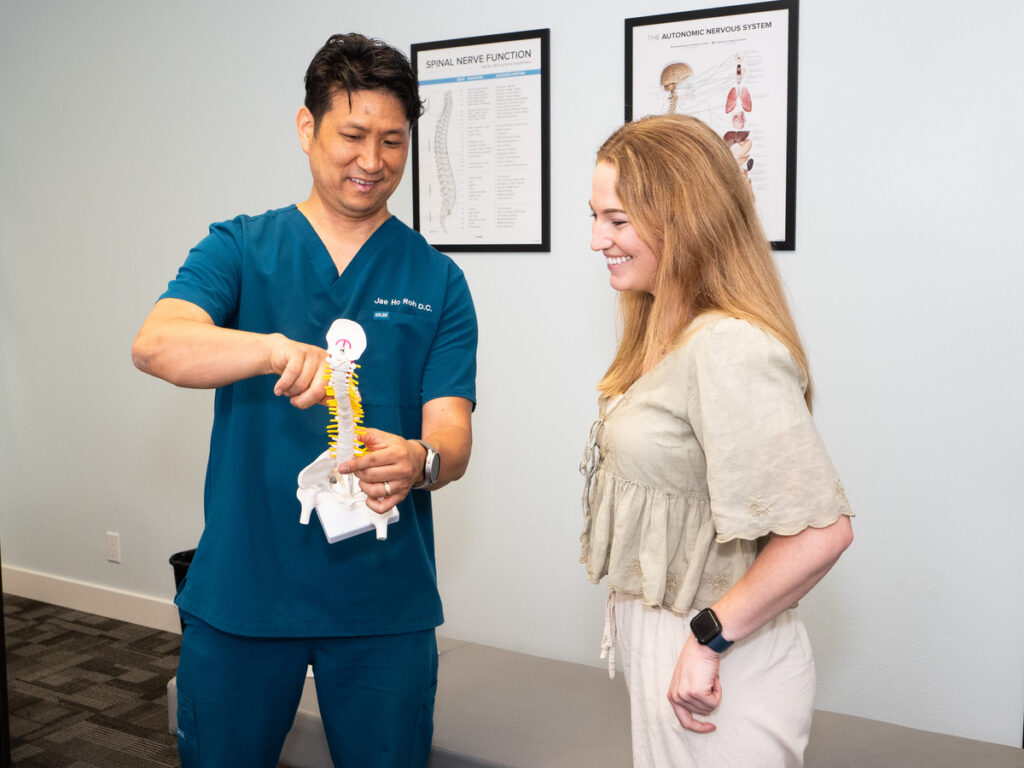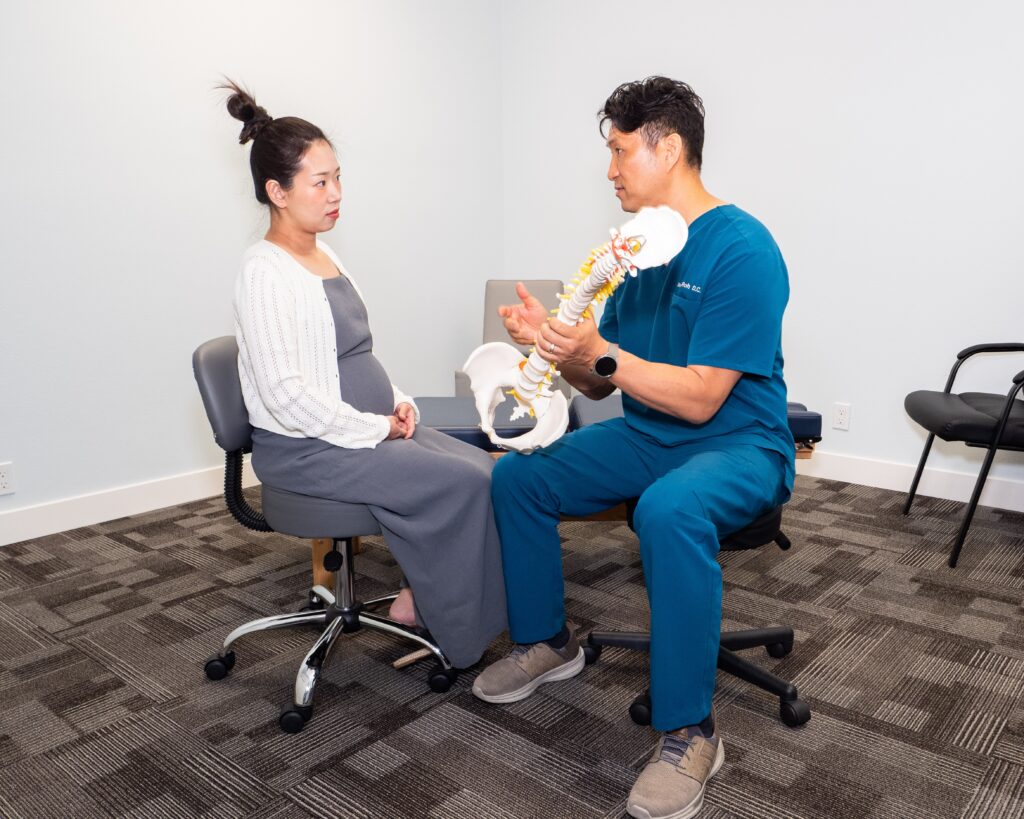

When it comes to managing pain at home, chiropractic care is one of the best options to consider for achieving optimal health and wellness. By focusing on the spine and its connection to the nervous system, chiropractic adjustments can help alleviate discomfort and promote natural healing throughout your body.
In addition to regular chiropractic visits, there are several effective techniques you can incorporate into your daily routine to enhance your pain relief journey. Here are some valuable tips you can try at home:
- Gentle Stretching: Light stretches can help relieve tension in your muscles and improve flexibility. Focus on stretching areas that feel tight or sore, but avoid pushing yourself too hard. Gentle movements can complement the adjustments you receive in the chiropractic office.
- Mindfulness and Relaxation: Practicing mindfulness techniques, such as deep breathing or meditation, can help reduce stress and tension, which often contribute to pain. Taking a few minutes each day to relax your mind can have a positive impact on your overall well-being.
- Cold and Heat Therapy: Using a cold pack on inflamed areas can reduce swelling and numb pain, while heat pads can help relax tight muscles. Experiment with both methods to see which works best for your specific pain.
- Posture Awareness: Maintaining good posture is crucial for spinal health. Be mindful of your body alignment when sitting, standing, or lifting objects. Proper posture can prevent unnecessary strain on your spine and help reduce discomfort.
- Regular Movement: Staying active is essential for managing pain. Engage in low-impact exercises like walking, swimming, or yoga to keep your body moving without putting too much strain on your joints.
- Hydration and Nutrition: Drinking plenty of water and eating a balanced diet rich in anti-inflammatory foods can support your body’s healing processes. Consider incorporating fruits, vegetables, whole grains, and healthy fats into your meals.
- Chiropractic Care: Most importantly, prioritize regular chiropractic adjustments. A chiropractor can assess your individual needs and provide tailored treatments to address the root causes of your pain. This holistic approach not only helps relieve discomfort but also enhances your overall health and wellness.
By combining these techniques with chiropractic care, you can create a comprehensive pain management plan that works for you. Remember, your journey to relief starts with small, consistent steps towards a healthier, pain-free life.
Key Takeaways
As a local chiropractor, I want to share some effective home techniques that can help you manage pain naturally and support your overall wellness. Here are some tips to consider:
- Stretching and Flexibility Exercises: Incorporate gentle stretching and flexibility exercises into your routine at least three times a week. This not only enhances mobility but also helps reduce discomfort in your muscles and joints. Remember, a well-aligned spine can improve your overall movement.
- Regular Physical Activity: Engaging in activities like brisk walking or yoga can be incredibly beneficial. These activities help release endorphins, your body’s natural pain relievers, and can significantly alleviate discomfort. Plus, they promote better spinal health!
- Mindfulness and Meditation: Practicing mindfulness and meditation can be powerful tools in managing pain. These techniques promote relaxation, reduce stress, and can help you better cope with discomfort. Consider setting aside a few minutes each day to focus on your breath and clear your mind.
- Heat and Cold Therapy: Utilizing heat and cold therapy can provide significant relief. Applying a warm compress can help soothe tight muscles and improve circulation, while cold therapy can reduce inflammation and numb sharp pain. Alternating between the two can be especially beneficial.
- Stay Hydrated and Nourished: Proper hydration and nutrition are foundational to your health. Focus on consuming anti-inflammatory foods, such as fruits, vegetables, nuts, and whole grains. These choices can support your body’s healing processes and help maintain a healthy spine.
Remember, chiropractic care is a holistic approach that focuses on aligning your spine and improving your body’s function. By incorporating these techniques into your daily routine, you can enhance your well-being and find relief from pain naturally. If you have any questions or need guidance, don’t hesitate to reach out to a chiropractor for personalized advice. Your journey to optimal health is just a step away!
Stretching and Flexibility Exercises
Incorporating stretching and flexibility exercises into your routine can significantly enhance your overall mobility and reduce pain, which is essential for maintaining a healthy spine. These exercises support joint function, boost blood flow to your muscles, and help prevent stiffness, making them a vital part of your wellness journey.
Start with gentle stretches such as neck rolls and shoulder shrugs to ease tension in areas that often feel tight. Gradually expand your routine to include larger muscle groups, holding each stretch for 15-30 seconds. This not only promotes flexibility but also helps align your spine and maintain good posture.
Before engaging in physical activities, dynamic stretches can warm up your muscles effectively, preparing them for movement. After your workout, static stretches can further enhance your flexibility, ensuring that your muscles remain relaxed and elongated. You don’t need any special equipment—just a yoga mat or towel will do the trick.
Aim to incorporate these stretching routines at least three times a week. Consistency is key! Always listen to your body; if you experience any pain, ease up on the stretch. Over time, you’ll likely notice an increased range of motion and a reduction in discomfort.
Embracing stretching and flexibility exercises as a regular part of your self-care routine can complement your chiropractic care, helping you achieve optimal health.
Mindfulness and Meditation Techniques
When it comes to managing pain, chiropractic care is one of the most effective ways to promote natural healing and achieve optimal health. In addition to regular adjustments, incorporating mindfulness and meditation techniques can enhance your overall wellness journey.
Simple breathing exercises can help calm your mind and alleviate tension in your body. Guided visualization practices allow you to create a mental image of healing and relief, reinforcing the benefits of your chiropractic treatments. Body scan meditation connects you with your physical sensations, encouraging you to listen to your body and understand where tension may reside.
By combining these mindfulness techniques with chiropractic care, you can create a comprehensive approach to pain relief and overall well-being.
Breathing Exercises for Relief
Breathing exercises can serve as a fantastic complement to chiropractic care for pain relief, as they help calm the mind and relax the body. By focusing on your breath, you can shift your attention away from discomfort and foster a sense of well-being, which is essential for optimal health. Here are some effective techniques that you can easily incorporate into your daily routine alongside your chiropractic treatments:
| Technique | Description | Benefits |
|---|---|---|
| Diaphragmatic | Breathe deeply through your belly | Reduces anxiety, lowers heart rate, and aids in overall body relaxation |
| Box Breathing | Inhale, hold, exhale, hold (4 counts each) | Improves focus, enhances relaxation, and can support your healing journey |
| 4-7-8 Breathing | Inhale for 4, hold for 7, exhale for 8 | Promotes better sleep and a sense of calm, which can aid recovery |
Incorporating these breathing exercises into your routine can significantly enhance your pain management efforts and improve your overall mental health. Remember, chiropractic care is designed to address the root causes of pain and discomfort, while these breathing techniques can support your journey to natural healing and healthier living. So take a moment each day to practice these exercises, and you’ll be taking a proactive step toward achieving optimal health and wellness!
Guided Visualization Practices
Guided visualization practices can be a fantastic addition to your pain management strategy, especially when paired with chiropractic care. By harnessing the power of your mind, you can enhance relaxation and shift your focus away from discomfort.
Here are three effective techniques to get you started on your journey towards better health and wellness:
- Nature Imagery: Imagine yourself in a peaceful natural setting, such as a calm beach or a lush forest. Focus on the soothing sounds of waves or rustling leaves, the fresh scent of the outdoors, and the vibrant colors around you. This mental escape can help ease tension and promote relaxation.
- Healing Light: Visualize a warm, healing light enveloping the area where you feel pain. Picture this light gently soothing your discomfort and promoting healing. This technique works beautifully alongside chiropractic adjustments, as it reinforces your body’s natural ability to heal.
- Positive Affirmations: Pair your visualization with positive affirmations. As you imagine relief, repeat calming phrases like “I am in control of my pain” or “My body is strong and healing.” This combination can empower you and foster a more positive mindset.
Incorporating these visualization techniques into your daily routine can help cultivate a sense of peace and empowerment, making pain more manageable.
Body Scan Meditation Techniques
As a chiropractor, I believe that connecting with your body is essential for managing pain and promoting overall wellness. One effective technique to enhance this connection is body scan meditation. This practice allows you to tune in to your physical sensations, helping you identify areas of tension or discomfort without any judgment.
To get started, find a quiet space where you can lie down comfortably and close your eyes. Begin by taking a few deep breaths to relax your mind and body. Then, shift your focus to your toes. Pay close attention to any sensations you may feel there. Gradually work your way up through your body—moving from your feet to your legs, abdomen, chest, arms, and finally, your head.
As you scan each area, simply acknowledge what you feel, whether it’s tightness, warmth, or even pain. If your mind starts to wander, gently bring your focus back to the area you were concentrating on. This practice not only helps to cultivate mindfulness but also reduces stress and promotes relaxation.
By becoming more aware of your body, you can better understand the signals it’s sending you, which is vital for managing pain effectively. Incorporating body scan meditation into your routine can complement your chiropractic care, helping to enhance your healing process.
Heat Therapy for Pain Relief
Heat therapy is an excellent and straightforward method for relieving pain right in the comfort of your home. This approach works wonders by increasing blood flow, relaxing tense muscles, and easing stiffness, which can be particularly beneficial for those dealing with spinal discomfort or muscle strains.
While chiropractic care is the best route for achieving optimal health and addressing the root causes of pain, incorporating heat therapy can enhance your overall wellness routine. Here are three easy ways to apply heat therapy:
- Heating Pads: A heating pad can be a fantastic tool to alleviate pain in specific areas, like your back or neck. By placing it on the affected area for about 15-20 minutes, you can enjoy soothing relief while promoting healing.
- Warm Baths: Soaking in a warm bath, especially with Epsom salts, helps to relax tight muscles and soothe aches. This can be a great way to unwind while also supporting your body’s natural healing processes.
- Hot Water Bottles: Fill a hot water bottle, wrap it in a towel, and apply it to sore spots. It’s an easy way to provide immediate comfort and warmth to areas that need extra care.
Always ensure the heat is at a comfortable level to avoid burns.
Remember, while heat therapy can help relieve symptoms, visiting your chiropractor is essential for addressing underlying issues. Chiropractic care not only provides pain relief but also promotes better spinal health and overall wellness.
Cold Therapy to Reduce Inflammation
Cold therapy is a straightforward yet powerful method to reduce inflammation and alleviate discomfort. By using ice packs correctly, you can enhance the benefits while minimizing the risk of skin damage. As a chiropractor, I want to help you understand how to effectively incorporate cold therapy into your wellness routine, alongside the benefits of chiropractic care for achieving optimal health.
When using cold therapy, it’s important to remember a few key techniques. First, always wrap your ice pack in a thin cloth or towel before applying it to your skin. This protects your skin from direct contact with the ice, reducing the risk of frostbite. Aim to apply the ice pack for about 15 to 20 minutes at a time, allowing your skin to return to normal temperature before reapplying. You can do this several times a day, especially after activities that may aggravate inflammation, such as exercising or sitting for long periods.
One of the significant advantages of cold therapy is its ability to reduce swelling and numb pain, making it a great complement to chiropractic adjustments. Chiropractic care focuses on correcting spinal misalignments and improving overall body function, which can lead to long-term pain relief. Combining cold therapy with regular chiropractic visits can enhance your recovery and support your body’s natural healing processes.
Here are some general tips to maximize the benefits of cold therapy:
- Listen to Your Body: If you feel excessive discomfort or numbness during cold therapy, remove the ice pack immediately.
- Consistency is Key: Regular use of cold therapy in conjunction with chiropractic care can yield better results over time.
- Stay Active: While cold therapy helps with pain and inflammation, staying active is crucial for overall health and wellness. Gentle stretches and low-impact exercises can support your recovery.
Ice Packs Application Techniques
Applying ice packs effectively can be a valuable tool in your journey toward natural healing and pain relief. As a chiropractor, I believe in the importance of using safe and effective techniques to support your body’s recovery. Here are some simple tips to help you maximize the benefits of ice therapy:
- Wrap the Ice Pack: Always wrap your ice pack in a thin towel or cloth. This small step is essential to protect your skin from frostbite, ensuring that you can enjoy the soothing effects of cold without any harm.
- Timing Matters: For optimal results, apply the ice pack for 15-20 minutes at a time. This allows your body to adjust to the cold and helps prevent overexposure, which can lead to discomfort.
- Frequency: During the first 48 hours after an injury or flare-up, use the ice pack every 1-2 hours. This consistent application can help manage swelling and alleviate pain, making it easier for your body to heal naturally.
Remember, while ice packs can provide relief, they’re just one part of a comprehensive approach to wellness.
Chiropractic care focuses on addressing the root causes of pain and inflammation, helping you achieve long-term health and balance in your body.
If you’re looking for a more holistic approach to your health, consider visiting your local chiropractor for personalized care tailored to your needs.
Together, we can work towards a healthier, pain-free life!
Benefits of Cold Therapy
As a local chiropractor, I want to share some insights about the benefits of cold therapy for pain relief and overall wellness. One effective method of cold therapy is using ice packs, which can be a simple yet powerful tool in your pain management arsenal.
Cold therapy works by reducing inflammation and numbing sore tissues, making it particularly helpful after injuries or intense workouts. When you apply cold, it constricts blood vessels, which decreases swelling and slows down nerve signals, providing immediate relief from pain.
You may notice fewer muscle spasms and quicker recovery times, allowing you to return to your daily activities sooner. This is especially valuable for those who lead active lifestyles or are recovering from injuries. Additionally, cold therapy can be beneficial for chronic conditions like arthritis, offering a natural and accessible solution right from the comfort of your home.
Incorporating cold therapy into your routine is simple. Here are a few tips to get started:
- Use Ice Packs Wisely: Apply an ice pack to the affected area for about 15-20 minutes at a time. Make sure to wrap the ice pack in a cloth to protect your skin from frostbite.
- Timing is Key: Use cold therapy soon after an injury or activity that causes discomfort to maximize its effectiveness.
- Listen to Your Body: Pay attention to how your body responds. If you feel too cold or uncomfortable, take a break.
- Combine with Chiropractic Care: For the best results, consider incorporating cold therapy with regular chiropractic adjustments. This combination can help optimize your body’s healing processes and enhance your overall well-being.
Remember, chiropractic care focuses on natural healing and promotes a healthy lifestyle. By using methods like cold therapy alongside chiropractic adjustments, you can effectively manage pain and support your body’s natural ability to heal.
Take charge of your health and comfort by exploring these effective, drug-free options!
Duration and Frequency Guidelines
When it comes to reducing inflammation, using cold therapy can be an excellent natural method to aid your recovery.
As a chiropractor, I want to share some helpful tips on how to use cold therapy effectively for the best results:
- Application Time: Aim to apply cold therapy for about 15-20 minutes at a time. This is just long enough to help reduce swelling without risking damage to your skin.
- Frequency: In the first 48 hours after an injury, try to use cold therapy every 1-2 hours. This consistent application can help keep inflammation under control and support your body’s natural healing process.
- Rest Intervals: Be sure to allow your skin some time to recover between applications. Waiting at least 30-60 minutes before applying cold therapy again gives your skin a chance to return to its normal temperature.
Remember, while cold therapy is a great tool, it’s just one piece of the puzzle.
Regular chiropractic care can also play a vital role in your overall health and healing journey, helping to alleviate pain and promote wellness naturally.
If you’re looking for more personalized advice or treatment options, don’t hesitate to reach out to your local chiropractor!
Essential Oils and Aromatherapy
As a local chiropractor, I believe in the power of natural healing methods for pain management, and essential oils can be a wonderful complement to chiropractic care. While chiropractic adjustments target the root causes of pain by aligning the spine and enhancing nerve function, essential oils can provide additional support for both physical relief and emotional well-being.
For instance, lavender oil is well-known for its calming effects and can be particularly helpful for headaches and muscle tension. You might consider adding a few drops to a diffuser in your home or enjoying a relaxing bath with lavender oil to help soothe your mind and body after a chiropractic session.
Peppermint oil is another excellent choice, especially for those dealing with sore muscles and joint discomfort. When diluted with a carrier oil, it can be applied directly to the affected area, offering a refreshing sensation that may complement the relief you experience from your adjustments.
Eucalyptus oil can also support respiratory health, which is essential for overall wellness. Inhaling eucalyptus oil can help clear your airways and enhance your breathing, making it easier for your body to heal and recover.
Don’t hesitate to experiment with different essential oil blends to find what works best for you. For example, combining frankincense with rosemary can create a unique remedy tailored to your needs.
Just remember, before applying any essential oil to your skin, it’s important to perform a patch test to avoid any adverse reactions.
Alongside chiropractic care, these natural approaches can significantly enhance your journey to optimal health. By embracing a holistic lifestyle that includes spinal health, essential oils, and self-care practices, you can pave the way for a healthier, more balanced life.
Proper Hydration and Nutrition
Hydration and nutrition are vital components of managing pain and promoting overall wellness, especially when it comes to supporting your spine and musculoskeletal health. When you’re well-hydrated and nourished, your body operates more effectively, which can help ease discomfort.
Here are three straightforward strategies to improve your hydration and nutrition, enhancing your journey towards natural healing:
- Stay Hydrated with Water: Aiming for at least eight 8-ounce glasses of water each day can make a significant difference. Proper hydration helps keep your joints lubricated and can reduce inflammation, supporting your chiropractic care efforts.
- Add Anti-Inflammatory Foods: Incorporating foods like fruits, vegetables, nuts, and fatty fish into your meals can provide your body with powerful nutrients. These foods are rich in antioxidants and omega-3 fatty acids, which can help decrease inflammation and support pain relief, complementing your chiropractic treatments.
- Minimize Processed Foods: It’s beneficial to limit sugary snacks and refined grains in your diet. These types of foods can contribute to increased inflammation, potentially worsening pain. Focusing on whole, natural foods won’t only help in managing pain but also enhance your overall health.
By implementing these simple hydration and nutrition tips, you can support your body’s natural healing processes and maximize the benefits of your chiropractic care.
Physical Activity and Movement
Movement plays a vital role in managing pain and enhancing your overall well-being, especially when it comes to spinal health. As a chiropractor, I often see how regular physical activity can help release endorphins, our body’s natural painkillers.
Whether it’s a brisk walk, gentle stretching, or engaging in yoga, finding an enjoyable activity can make a significant difference in your life. You don’t need to exert yourself too much; even small, consistent movements can provide relief and promote healing.
It’s important to listen to your body and recognize how different activities impact your pain levels. Incorporating movement into your daily routine, such as taking the stairs instead of the elevator or doing light household chores, can keep you active without feeling overwhelmed.
These simple adjustments can help maintain your spinal health and overall wellness. Aim for at least 30 minutes of moderate exercise most days of the week. This doesn’t have to be all at once; you can break it into smaller segments throughout the day.
Always remember, consulting with a chiropractor can provide you with personalized advice tailored to your specific needs, especially if you’re dealing with chronic pain. Together, we can create a plan that focuses on natural healing and optimal health through chiropractic care.
Your body will thank you for prioritizing movement and seeking the benefits of chiropractic adjustments to support your journey toward pain relief and a healthier lifestyle!
Conclusion
Incorporating effective home techniques for pain relief can significantly improve your overall well-being. As a chiropractor, I believe that a holistic approach to health is essential. By focusing on methods such as gentle stretching, mindfulness practices, heat and cold therapies, and the use of essential oils, you can take control of your discomfort naturally.
Proper hydration and a balanced diet play a crucial role in maintaining your body’s health, so remember to nourish yourself well. Staying active is also vital—find activities that you enjoy and that keep your body moving in a way that feels right for you.
One of the best steps you can take towards optimal health is to consider the benefits of chiropractic care. It’s a natural, non-invasive way to address pain and support your body’s healing process. By realigning your spine and improving your posture, chiropractic adjustments can help alleviate pain and promote overall wellness.
Explore these techniques and see how they can work alongside regular chiropractic visits to create a personalized approach to pain management. Remember, you have the power to support your health, both physically and mentally. You’ve got this!