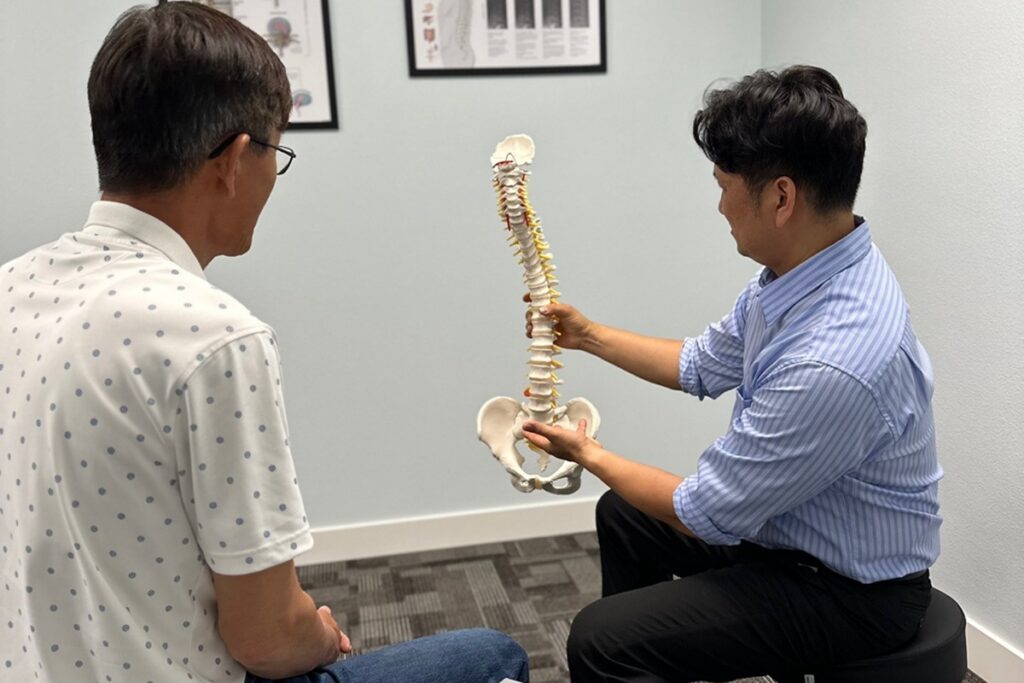

You know that a strong immune system is essential for your overall health, but have you considered how professional care can enhance your body's defenses? By incorporating tailored nutrition, regular exercise, and stress management techniques under expert guidance, you can greatly boost your immunity. Regular health assessments also play an important role in identifying potential issues before they escalate. As you explore these strategies, you might be surprised at how simple adjustments can lead to a more resilient you. Curious about what specific steps you can take to optimize your immune function?
Importance of a Strong Immune System
A strong immune system is fundamental for maintaining your overall health, especially when faced with various pathogens and illnesses. It acts as your body's defense mechanism, identifying and neutralizing harmful invaders like bacteria, viruses, and toxins. When your immune system is functioning at peak efficiency, you're less likely to get sick, and if you do, you're likely to recover more quickly.
Your immune system isn't just about fighting off colds and infections. It plays a significant role in preventing chronic diseases and can even influence your mood and energy levels. A well-functioning immune system helps keep inflammation in check, reducing the risk of conditions like heart disease and diabetes. It's also responsible for recognizing and destroying abnormal cells that could lead to cancer.
When your immune system is compromised, you may experience frequent illnesses, fatigue, and a general sense of unwellness. Stress, lack of sleep, and poor lifestyle choices can weaken your immune response, making it imperative to take proactive steps to support your health. Regular exercise, adequate sleep, and stress management are essential components in maintaining your immune strength.
Furthermore, staying up-to-date with vaccinations is another way you can bolster your defenses against preventable diseases.
Role of Nutrition in Immunity
Nutrition plays an essential role in supporting your immune system. By incorporating essential nutrients and balanced dietary patterns, you can help your body fend off illnesses more effectively.
Let's explore how what you eat impacts your immunity and overall health.
Essential Nutrients for Immunity
When it comes to boosting your immune system, understanding the essential nutrients that play a significant role is fundamental. These nutrients help your body fend off infections and maintain overall health.
Start with vitamin C, which supports the production of white blood cells, critical for fighting off pathogens. Include citrus fruits, strawberries, and bell peppers in your diet.
Next, consider vitamin D, often dubbed the "sunshine vitamin." It helps activate your immune defenses and can be found in fatty fish, fortified dairy products, and through sun exposure.
Zinc is another powerhouse nutrient; it plays a key role in immune cell function and can be sourced from meat, shellfish, legumes, and seeds.
Don't overlook the importance of antioxidants, like vitamins A and E. They protect your cells from damage and can be found in leafy greens, nuts, and seeds.
Finally, omega-3 fatty acids can help modulate your immune response, so make sure to include sources like flaxseeds, walnuts, and fatty fish in your meals.
Dietary Patterns and Immunity
Understanding how dietary patterns affect immunity can enhance your overall health. Your diet plays a significant role in shaping your immune response. When you consume a balanced diet rich in fruits, vegetables, whole grains, lean proteins, and healthy fats, you're providing your body with essential nutrients that bolster immune function.
For instance, antioxidants found in colorful fruits and vegetables combat oxidative stress, while omega-3 fatty acids in fish can help regulate inflammation. On the other hand, a diet high in processed foods, sugars, and unhealthy fats may weaken your immune system, making you more susceptible to infections.
It's also important to take into account meal timing and frequency. Regular, balanced meals can support your body's energy levels and help maintain a strong immune system.
Hydration is another key factor; drinking enough water aids in nutrient absorption and detoxification.
Incorporating probiotics through fermented foods like yogurt can also strengthen gut health, which is closely linked to immunity.
By paying attention to your dietary patterns, you're not just nourishing your body; you're actively enhancing your immune defenses and promoting long-term health.
Make these dietary changes today for a stronger tomorrow!
Exercise and Immune Function
Regular exercise isn't just about building muscle or losing weight; it plays an essential role in enhancing your immune function. When you engage in physical activity, your body experiences a surge in the circulation of immune cells. This helps your body respond more effectively to infections and illnesses. You mightn't realize it, but the benefits of regular exercise extend beyond just physical fitness.
Consider how exercising regularly can positively impact your life:
- Feel more energized: With increased blood flow, you'll notice a boost in your energy levels, making it easier to tackle daily tasks.
- Improve your mood: Exercise releases endorphins, which are natural mood lifters. You'll feel happier and more motivated, even on tough days.
- Enhance your resilience: A strong immune system means you're less likely to fall ill, giving you the confidence to pursue your passions without fear of setbacks.
To maximize these benefits, aim for at least 150 minutes of moderate aerobic activity each week, combined with strength training exercises. It doesn't have to be intense; even brisk walking, cycling, or dancing can work wonders for your immune health.
Stress Management Techniques
To boost your immunity, managing stress is essential.
You can try mindfulness meditation practices, deep breathing exercises, and engaging in physical activity to keep anxiety at bay.
These techniques not only help you feel better but also strengthen your immune system.
Mindfulness Meditation Practices
Mindfulness meditation practices can be a powerful tool in managing stress and boosting your immunity. By focusing your attention on the present moment, you can cultivate a sense of calm and awareness that helps you navigate daily challenges.
When you make mindfulness a regular part of your routine, you may notice significant improvements in both your mental and physical well-being.
Here are a few emotional benefits you might experience:
- Increased resilience: You'll find yourself better equipped to handle life's ups and downs.
- Enhanced self-compassion: You'll learn to treat yourself with kindness, reducing negative self-talk.
- A deeper connection: You'll foster more meaningful relationships, as mindfulness helps you listen and engage more fully.
To get started, you don't need to sit for hours. Just a few minutes a day can make a difference.
Find a quiet space, close your eyes, and focus on your breath. As thoughts arise, gently acknowledge them and return your attention to your breath.
Over time, this practice can help you manage stress more effectively and strengthen your immune system, making you feel more balanced and healthier overall.
Deep Breathing Exercises
When stress creeps in, deep breathing exercises can serve as a quick and effective way to regain your calm. These techniques help you reconnect with your body and mind, allowing you to center yourself amidst chaos.
Start by finding a comfortable position, either sitting or lying down. Close your eyes, if it feels right, and take a slow, deep breath in through your nose, allowing your abdomen to expand. Hold that breath for a moment, then exhale gently through your mouth. Repeat this process several times.
As you breathe, focus on the sensation of the air filling your lungs and the release of tension with each exhale. You might even count your breaths to help maintain your focus—breathe in for a count of four, hold for four, and exhale for six. This rhythmic pattern not only calms your mind but also lowers your heart rate and reduces anxiety.
Deep breathing exercises can be done anywhere, whether you're at home, in the office, or even in a crowded space. Incorporate them into your daily routine, and you'll likely notice an improvement in your overall stress management, enhancing your immunity in the process.
Physical Activity Engagement
Engaging in physical activity is one of the most effective ways to manage stress and boost your immunity. When you exercise, your body releases endorphins, those feel-good hormones that can lift your spirits and reduce anxiety.
It's not just about hitting the gym; finding an activity you enjoy makes all the difference. Whether it's a brisk walk, a dance class, or yoga, moving your body helps clear your mind and strengthen your immune system.
Consider these emotional benefits of physical activity:
- Empowerment: You take control of your health and well-being, making choices that benefit you.
- Connection: Joining a group or class can foster friendships and support, alleviating feelings of isolation.
- Resilience: Overcoming challenges in physical activity builds mental strength, helping you tackle stressors in life.
Professional Health Assessments
Professional health assessments play an essential role in understanding your overall well-being. They provide a thorough evaluation of your health status, helping you identify strengths and areas that need improvement. During these assessments, healthcare professionals review your medical history, conduct physical examinations, and may order lab tests to gain a clearer picture of your health.
When you engage in a professional health assessment, you're not just checking off a box; you're actively participating in your health journey. These evaluations can reveal underlying issues that mightn't be apparent otherwise. For example, high blood pressure or cholesterol levels can often go unnoticed until a professional assesses them. Catching these issues early can greatly impact your long-term health.
Additionally, health assessments allow you to set personal health goals. After discussing your evaluation results with your healthcare provider, you can create a tailored plan to boost your immunity and overall health. This plan may include lifestyle recommendations, dietary changes, or specific exercises to enhance your immune system.
Regular health assessments also foster a relationship with your healthcare provider, ensuring you have a trusted partner in your health journey. You'll feel empowered to ask questions and voice concerns, making it easier to stay proactive about your health.
Ultimately, investing time in professional health assessments can lead to better health outcomes and a stronger immune system. So, don't overlook this crucial step in maintaining your well-being!
Supplementation and Immunity
Many people wonder how supplementation can enhance their immune system. You might be surprised to learn that certain vitamins and minerals play an important role in keeping your immune defenses strong. By incorporating the right supplements into your routine, you can give your body the extra support it needs to fend off illness and maintain overall health.
When you think about supplementation, consider these key benefits:
- Fighting off infections: Vitamins like C and D, along with zinc, can help bolster your body's ability to combat infections.
- Reducing inflammation: Omega-3 fatty acids may help lower inflammation, which can improve your immune response and keep you feeling your best.
- Supporting recovery: Supplements like probiotics can enhance gut health, leading to better nutrient absorption and faster recovery when you do get sick.
Remember, the right supplements can complement a balanced diet but shouldn't replace it. It's important to consult with a healthcare professional to identify the specific nutrients you might be lacking. They can help tailor a supplementation plan that fits your individual needs.
While supplements can be a powerful ally in your quest for a robust immune system, consistency is key. Make sure you take your chosen supplements regularly and combine them with healthy lifestyle habits.
This way, you'll maximize their benefits and pave the way for a stronger immune defense.
Long-Term Health Strategies
To maintain a strong immune system over the long haul, it's important to adopt health strategies that go beyond just supplementation. You need to focus on a balanced diet rich in whole foods. Incorporate plenty of fruits, vegetables, whole grains, and lean proteins to provide your body with essential nutrients and antioxidants. These foods play a significant role in supporting your immune function.
Regular physical activity is another key strategy. Aim for at least 150 minutes of moderate exercise each week. Exercise not only helps you maintain a healthy weight but also boosts circulation, which allows immune cells to travel more effectively throughout your body.
Don't forget the importance of sleep—aim for 7 to 9 hours each night. Quality sleep is essential for your immune system to function at its best.
Stress management is also important. Chronic stress can weaken your immune response. Incorporate relaxation techniques like mindfulness, meditation, or yoga into your routine. These practices can help you manage stress levels and promote overall well-being.
Stay hydrated by drinking plenty of water throughout the day. Proper hydration aids in nutrient absorption and supports your body's natural detoxification processes.
Finally, regular check-ups with your healthcare provider can help you stay on track. They can offer personalized advice and monitor your health, ensuring you're doing everything you can to support your immune system.
Conclusion
By prioritizing your immune health with professional care, you're investing in your overall well-being. Regular health assessments, tailored nutrition, and consistent exercise can greatly enhance your body's defenses. Don't underestimate the power of stress management techniques and appropriate supplementation, either. With these strategies in place, you can build a stronger, more resilient immune system. Take charge of your health today and enjoy the benefits of a robust immune system for years to come!