
You’ve heard it your whole life — “sit up straight!” And maybe you’ve actually been doing it. You’re keeping your back upright, your shoulders pulled back, and your chin tucked. Yet somehow, your back still aches at the end of the day. If that sounds frustratingly familiar, you’re not alone. Here in Sunnyvale, CA, many patients come through the doors at Revive Chiropractic describing exactly this experience. The truth is, good posture is more complex than simply sitting tall — and understanding why can be the first step toward finally finding real relief.
What Does It Actually Mean When Your Back Hurts Despite Good Posture?
Pain that persists even when you think you’re sitting correctly usually signals that something deeper is going on — muscle imbalances, spinal misalignments, or postural habits that feel “straight” but are actually putting uneven stress on your spine. Sitting up straight is a great starting point, but it’s often not enough on its own to address the root cause of back pain.
Why Sitting Straight Isn’t Always Enough
Most people imagine good posture as a rigid, upright position — shoulders back, chest out, spine perfectly vertical. But here’s the thing: your spine isn’t meant to be completely straight. It has natural curves — a gentle inward curve at the neck, an outward curve at the upper back, and another inward curve at the lower back. These curves work together like a spring, absorbing shock and distributing weight evenly as you move through the day.
When you force yourself into what feels like “perfect posture,” you may actually be flattening those natural curves or overcorrecting in one area while compensating in another. Over time, that kind of tension is just as wearing on the body as slouching. Think of it like gripping a steering wheel too tightly — it feels controlled, but your hands and arms will be exhausted far sooner than if you held it with relaxed confidence.
There’s also the issue of duration. Even the most biomechanically correct seated position becomes problematic when held for too long without movement. The muscles that support your spine are meant to work dynamically, not to hold a static position for hours on end. When they’re locked in place, they fatigue, tighten, and eventually protest — often in the form of that familiar ache in your lower or mid back.
Common Causes of Back Pain Even With Good Posture
Understanding why your back hurts despite your best efforts requires looking at several interconnected factors. Dr. Jae ho Roh at Revive Chiropractic in Sunnyvale sees a wide range of patients dealing with this exact puzzle, and the causes usually fall into a few key categories.
Muscle Imbalances
Your body is a system of opposing muscle groups. When one group becomes tight or overdeveloped and the opposing group becomes weak or underactive, the balance is thrown off. This is extremely common in people who sit for work. The hip flexors — the muscles at the front of your hips — shorten and tighten from prolonged sitting. Meanwhile, the glutes and deep core stabilizers become underactive. The result? Your lower back is left picking up the slack, and it starts to complain.
Spinal Restrictions and Misalignments
Even if you’re making every effort to sit correctly, spinal joints that are restricted or out of their optimal alignment can cause ongoing discomfort. These restrictions — which chiropractors often refer to as subluxations — can affect how load is distributed across your spine. If certain vertebrae aren’t moving the way they should, surrounding muscles and soft tissue compensate, creating tension and pain even in someone with seemingly decent posture habits.
Weak Core Stabilizers
Your “core” isn’t just your abs — it includes deep stabilizing muscles like the transverse abdominis, the multifidus, and the muscles of the pelvic floor. These muscles form a kind of natural corset around your spine, giving it the internal support it needs. When these are weak, the spine becomes more vulnerable to strain, and simply sitting upright without proper muscular support creates more stress on the joints and discs than most people realize.
Desk and Workstation Setup
Sometimes the problem isn’t your posture at all — it’s your environment. A monitor set too low, a chair that doesn’t support the lumbar curve, or a keyboard that forces your shoulders to round forward can all undermine your best postural intentions. Even the most disciplined person can’t fully counteract a poorly designed workspace.
How Your Spine Is Designed to Move
One of the most important things to understand about spinal health is that your spine thrives on movement. It’s not designed to stay still — it’s designed to flex, extend, rotate, and side-bend in a fluid, coordinated way. The discs between your vertebrae rely on movement to bring in nutrients and flush out waste. The joints in your spine need motion to stay healthy and supple. Static posture, even excellent static posture, works against this design.
This is why movement breaks are so critical, especially for people in desk-based jobs here in the Sunnyvale area. Even a brief walk to refill your water, a few gentle shoulder rolls, or a standing stretch every 30 to 45 minutes can make a meaningful difference in how your back feels by the end of the day. Think of it as pressing a reset button on your spine’s stress accumulation.
Watch this short video from Dr. Jae ho Roh for a visual breakdown of what’s actually happening with your posture and spinal health:
How Chiropractic Care Fits In
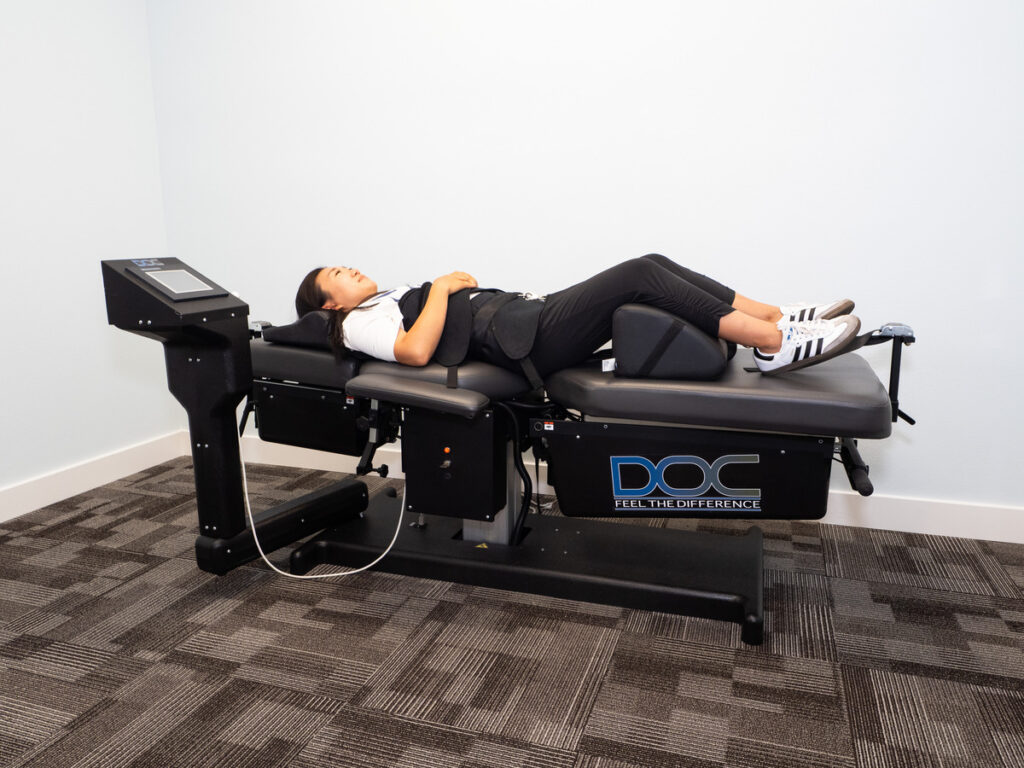
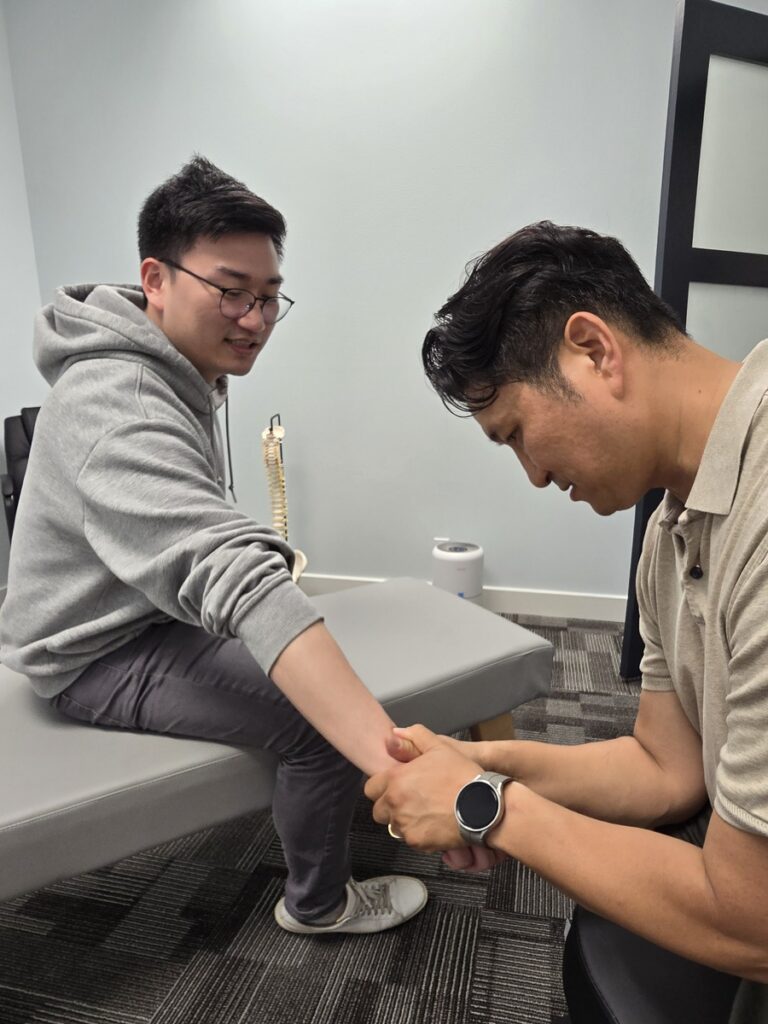
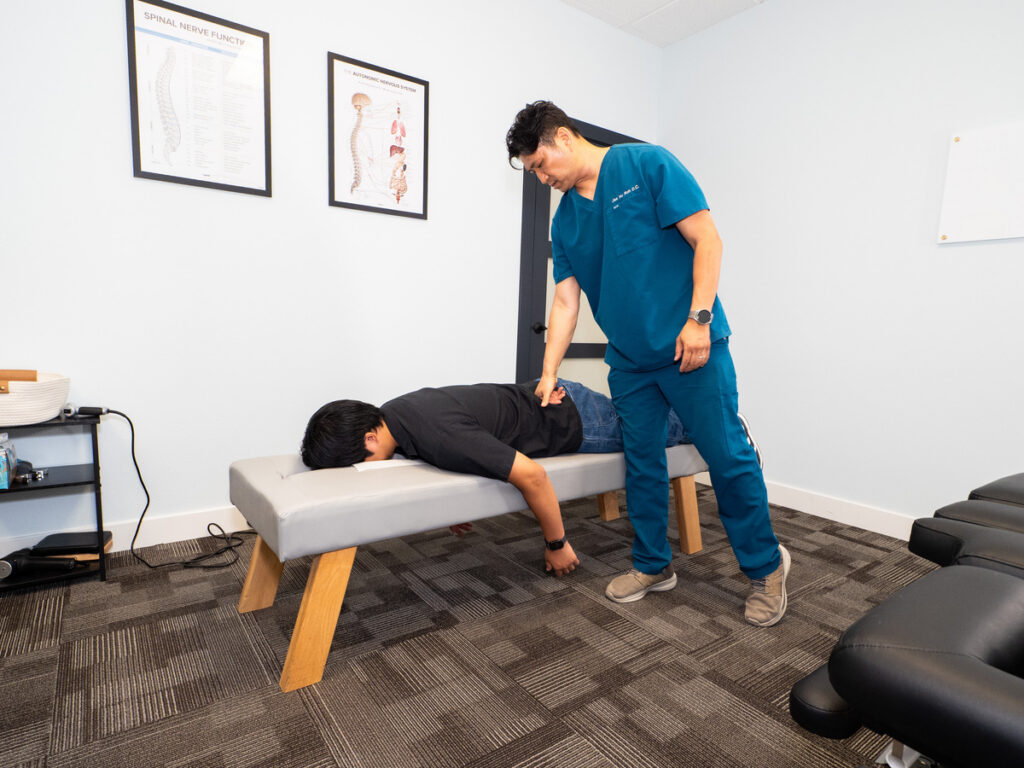
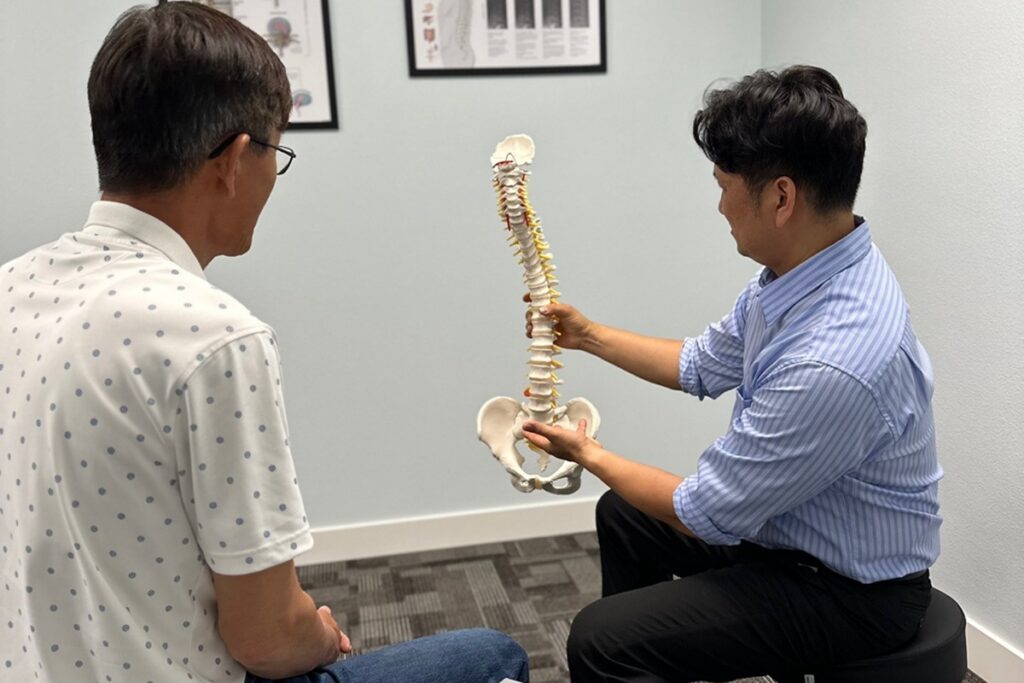
Chiropractic care offers a non-invasive, drug-free approach to addressing the underlying causes of back pain — not just managing the symptoms. At Revive Chiropractic in Sunnyvale, CA, Dr. Jae ho Roh takes time to evaluate each patient individually, looking at posture, movement patterns, spinal alignment, and muscle function to identify where the real problem lies.
Chiropractic adjustments work to restore proper motion and alignment to restricted spinal joints. When joints move freely and are properly aligned, the muscles around them can function more efficiently, and nerve communication throughout the body improves. Research suggests that spinal manipulation, as practiced by chiropractors, can be an effective part of a conservative care plan for back pain — a view supported by organizations like the American College of Physicians and the National Center for Complementary and Integrative Health.
Beyond adjustments, chiropractic care often includes guidance on posture correction, ergonomic recommendations, and movement-based strategies tailored to your daily life. The goal isn’t just to get you out of pain — it’s to help you understand your body better so you can take care of it long term. That kind of individualized, whole-person approach is at the heart of what Dr. Jae ho Roh and the team at Revive Chiropractic strive to provide.
Practical Tips to Actually Help Your Back
Beyond chiropractic care, there are several things you can do right now to support your spinal health. These aren’t quick fixes, but consistent habits that — when practiced regularly — can make a real difference.
First, reconsider your relationship with your chair. Your feet should rest flat on the floor, your knees should be at roughly a 90-degree angle, and your lower back should be gently supported. If your chair doesn’t offer lumbar support, a small rolled towel or lumbar cushion can help maintain that natural inward curve in your low back.
Second, check your screen height. Your monitor should be at or just slightly below eye level so that your neck is in a neutral position — not craned forward or tilted upward. This one adjustment alone can dramatically reduce tension in the neck and upper back.
Third, move more than you think you need to. Set a reminder on your phone or use a timer to prompt you to stand, stretch, or walk for a couple of minutes every 30 to 45 minutes. This doesn’t have to be a workout — it just needs to interrupt the prolonged static load on your spine.
Finally, pay attention to your breathing. Shallow, chest-based breathing can contribute to tension in the neck and upper back. Practicing slow, diaphragmatic breathing — where your belly rises and falls with each breath — naturally engages your deep core and promotes spinal relaxation.
When to See a Chiropractor
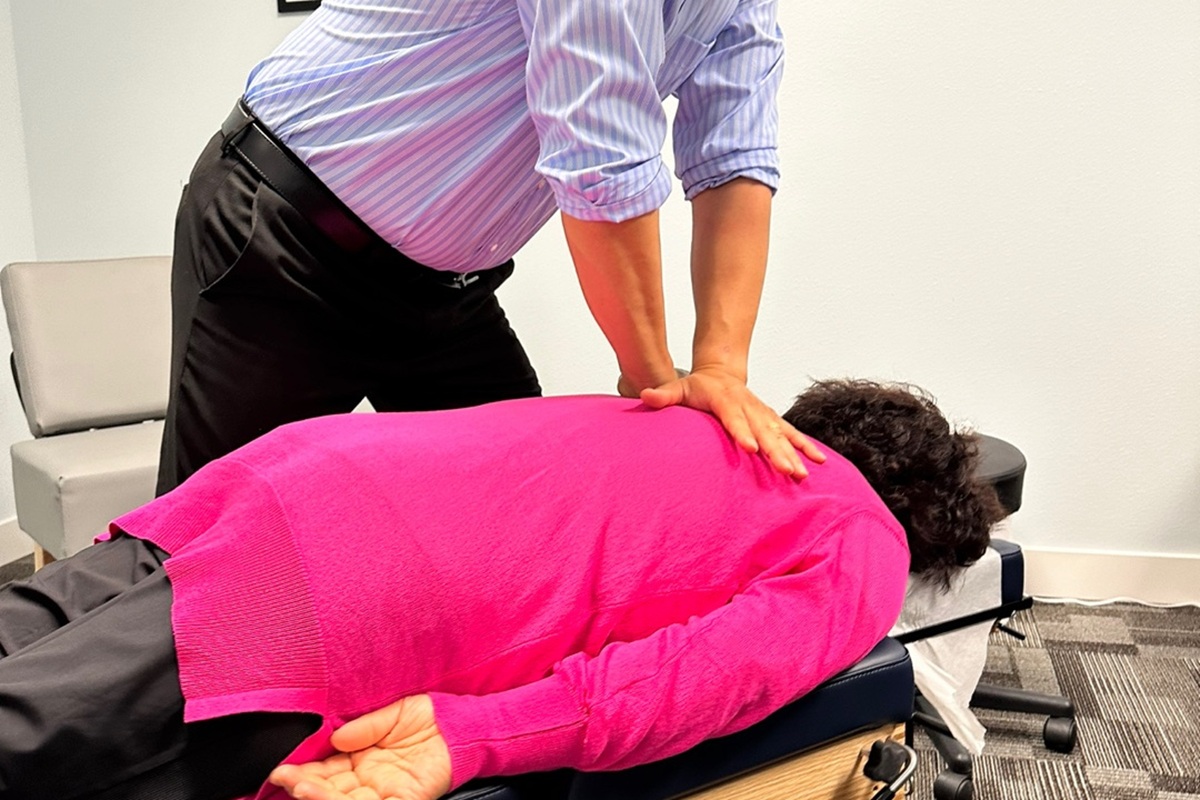
Back pain that lingers for more than a few days, recurs regularly, or worsens despite changes to your posture and habits is a clear signal that it’s worth getting a professional evaluation. At Revive Chiropractic in Sunnyvale, Dr. Jae ho Roh can help identify whether spinal joint dysfunction, muscle imbalances, or postural mechanics are contributing to your discomfort.
You should also consider seeking care if your pain is affecting your sleep, your work performance, or your ability to enjoy activities you love. Back pain doesn’t have to be severe to warrant attention — catching and addressing it early often leads to faster, more lasting improvement.
That said, certain symptoms should prompt you to seek immediate medical attention rather than chiropractic care first. These include back pain accompanied by loss of bladder or bowel control, numbness in the groin or inner thighs, sudden severe pain following trauma, or pain accompanied by unexplained fever or weight loss. These may indicate conditions that require urgent medical evaluation, and any thorough chiropractor will refer you to the appropriate provider if these signs are present.
Posture Mistakes vs. Corrections: What Actually Helps
Common Posture Mistake | Why It Causes Pain | Better Approach |
|---|---|---|
Rigidly “locking” upright all day | Muscles fatigue from constant static tension | Alternate between sitting, standing, and moving throughout the day |
Monitor too low or too close | Forces forward head posture and neck strain | Position screen at eye level, about arm’s length away |
Crossing legs habitually | Tilts the pelvis and creates uneven spinal loading | Keep both feet flat on the floor, hips level |
Slouching without lumbar support | Flattens lumbar curve and strains discs and ligaments | Use lumbar support or a small cushion to maintain natural curve |
Sitting for more than an hour without a break | Reduces disc nutrition, tightens hip flexors, fatigues stabilizers | Set a timer to stand or move for 2 minutes every 30–45 minutes |
Myths vs. Facts About Posture and Back Pain
Myth: If you sit up straight, your back pain will go away.
Fact: Posture is one piece of a much larger puzzle. While poor posture can certainly contribute to back pain, simply correcting your seated position doesn’t address muscle imbalances, spinal restrictions, or the cumulative effects of prolonged sitting. A more complete approach includes movement, exercise, and often professional care.
Myth: Back pain means something is seriously wrong.
Fact: The vast majority of back pain is mechanical in nature — meaning it’s related to how the muscles, joints, and tissues are functioning, not to a serious underlying disease. Evidence indicates that most episodes of back pain improve with conservative care, movement, and time. That said, professional evaluation helps rule out anything that warrants further attention.
Myth: Rest is the best treatment for back pain.
Fact: While it’s natural to want to rest when your back hurts, prolonged bed rest has actually been shown to slow recovery in many cases. Gentle, appropriate movement is typically encouraged even during a painful episode, as it supports circulation, reduces stiffness, and maintains muscle function.
Myth: A strong core means a pain-free back.
Fact: Core strength is important, but it’s only part of the equation. If the core muscles are activating incorrectly, or if there are underlying spinal restrictions affecting movement patterns, even a strong core won’t fully protect you from back pain. Coordination and muscle activation patterns matter just as much as raw strength.
Myth: Chiropractic care is only for people with severe back problems.
Fact: Chiropractic care is appropriate for a wide range of people, from those experiencing mild, intermittent discomfort to those dealing with more chronic conditions. Many patients in Sunnyvale visit Revive Chiropractic for preventive and wellness-based care — not just crisis intervention.
Final Thoughts
Back pain despite good posture is one of the most common — and most confusing — experiences people deal with in their everyday lives. The good news is that it’s also one of the most addressable, especially when you understand what’s really going on beneath the surface. Your spine is resilient, your body is designed to heal, and with the right support, lasting relief is absolutely within reach.
Here at Revive Chiropractic in Sunnyvale, CA, Dr. Jae ho Roh is passionate about helping members of our community not just feel better, but understand their bodies more deeply. Whether you’ve been struggling with back pain for years or you’re just starting to notice some discomfort creeping in, our team is here to help you find a path forward that’s grounded in education, individualized care, and a genuine commitment to your long-term wellbeing.
If you live or work in the Sunnyvale area and you’ve been wondering why your back still hurts despite your best posture efforts, we’d encourage you not to wait and hope it goes away. Understanding the root cause is the first step — and that’s exactly what we’re here for.
Frequently Asked Questions
Why does my lower back hurt even though I sit up straight at work?
Sitting upright doesn’t automatically protect against back pain if underlying issues like muscle imbalances, weak core stabilizers, or spinal joint restrictions are present. Prolonged static sitting — even in a good position — also places cumulative stress on the spine. A chiropractic evaluation can help identify what’s specifically driving your discomfort.
How long does it take for chiropractic care to help with back pain?
This varies from person to person depending on the cause, duration, and severity of the pain. Some patients notice improvement after just a few visits, while others with longer-standing issues may benefit from a more extended care plan. Dr. Jae ho Roh at Revive Chiropractic will provide an honest assessment based on your individual situation.
Is it bad to sit all day for work?
Prolonged sitting, especially without movement breaks, is associated with increased strain on spinal structures, tightened hip flexors, and reduced disc nutrition. It doesn’t mean sitting is inherently harmful, but the body benefits greatly from regular movement interruptions throughout the workday. Aiming for a brief movement break every 30 to 45 minutes is a practical and evidence-informed habit.
Can a chiropractor help with posture correction?
Yes — chiropractors are trained to assess posture, spinal alignment, and movement patterns, and to provide care that supports improved posture over time. This often includes spinal adjustments, soft tissue work, and specific guidance on ergonomics and movement habits tailored to your lifestyle.
What’s the difference between posture pain and a herniated disc?
Postural back pain typically presents as a dull ache or tension that improves with movement or position changes. A herniated disc may cause more intense, localized pain, and can involve radiating symptoms like numbness, tingling, or weakness into the leg — known as sciatica. A professional evaluation, which may include imaging if necessary, is the most reliable way to distinguish between the two.
Do I need to see a chiropractor, or can I fix my back pain on my own?
Mild, short-term back pain often improves with rest, gentle movement, and ergonomic adjustments. However, if pain persists beyond a few days, recurs frequently, or begins affecting your daily life, professional evaluation is worthwhile. A chiropractor can help identify underlying causes that self-care alone may not fully address.
TL;DR
Sitting up straight is helpful but not sufficient — the spine needs movement, proper muscle support, and correct alignment to stay pain-free.
Common hidden causes of back pain include muscle imbalances, weak core stabilizers, spinal restrictions, and poorly set up workstations.
Your spine is designed for movement, not prolonged static positioning — even good posture becomes problematic without regular movement breaks.
Chiropractic care addresses root causes like spinal joint restrictions and postural dysfunction, not just surface-level symptoms.
If your back pain persists despite posture improvements, it’s worth getting a professional evaluation at a practice like Revive Chiropractic in Sunnyvale, CA.