
Lower back pain is one of the most common reasons people seek medical care — and if you’re dealing with it right now, you’re far from alone. Whether it’s a dull, persistent ache after a long day at your desk or a sharp pain that makes it hard to get out of bed in the morning, lower back pain has a way of affecting every part of your life. Here at Revive Chiropractic in Sunnyvale, CA, we work with patients every week who are struggling with exactly this kind of discomfort. The encouraging news is that chiropractic adjustments for lower back pain have a strong track record as a safe, non-invasive, and effective approach to getting people moving and feeling better again.
What Are Chiropractic Adjustments for Lower Back Pain?
Chiropractic adjustments — sometimes called spinal manipulation — involve applying controlled, precise force to specific joints in the spine to improve mobility, reduce pain, and support the body’s natural ability to heal. For lower back pain specifically, these adjustments target misalignments or restricted movement in the lumbar spine (the lower section of your back). The goal is to restore proper joint function, reduce nerve irritation, and ease the muscle tension that so often accompanies back problems.
What Causes Lower Back Pain?
The lower back is an incredibly complex structure. It consists of five lumbar vertebrae, intervertebral discs, a network of muscles and ligaments, and the nerves that branch out from the spinal cord to supply sensation and movement throughout your legs and hips. Because this region bears so much of the body’s weight and is involved in nearly every movement you make, it’s especially vulnerable to injury and strain.
Some of the most common culprits behind lower back pain include prolonged sitting, poor posture, sudden awkward movements, heavy lifting, and the cumulative wear and tear that comes with everyday life. Conditions like herniated discs, facet joint dysfunction, sacroiliac joint irritation, and lumbar muscle strains are frequently at the root of the discomfort that brings patients through our doors at Revive Chiropractic in Sunnyvale.
It’s also worth noting that lower back pain often develops gradually. Many people in the Sunnyvale area spend long hours working at computers, commuting, or engaged in physically demanding jobs — and these habits can quietly build up tension and dysfunction in the spine over time. By the time pain becomes noticeable, the underlying issues have often been developing for weeks or even months.
How Chiropractic Adjustments Work
To understand why chiropractic adjustments are so effective for lower back pain, it helps to understand what happens when spinal joints stop moving the way they should. When a vertebral joint becomes restricted or misaligned — a state chiropractors refer to as a subluxation — it can create a cascade of problems. The surrounding muscles tighten up in response. Nearby nerves may become irritated. Inflammation can set in. And because your body tries to compensate, other areas of your spine and musculoskeletal system often start bearing undue stress.
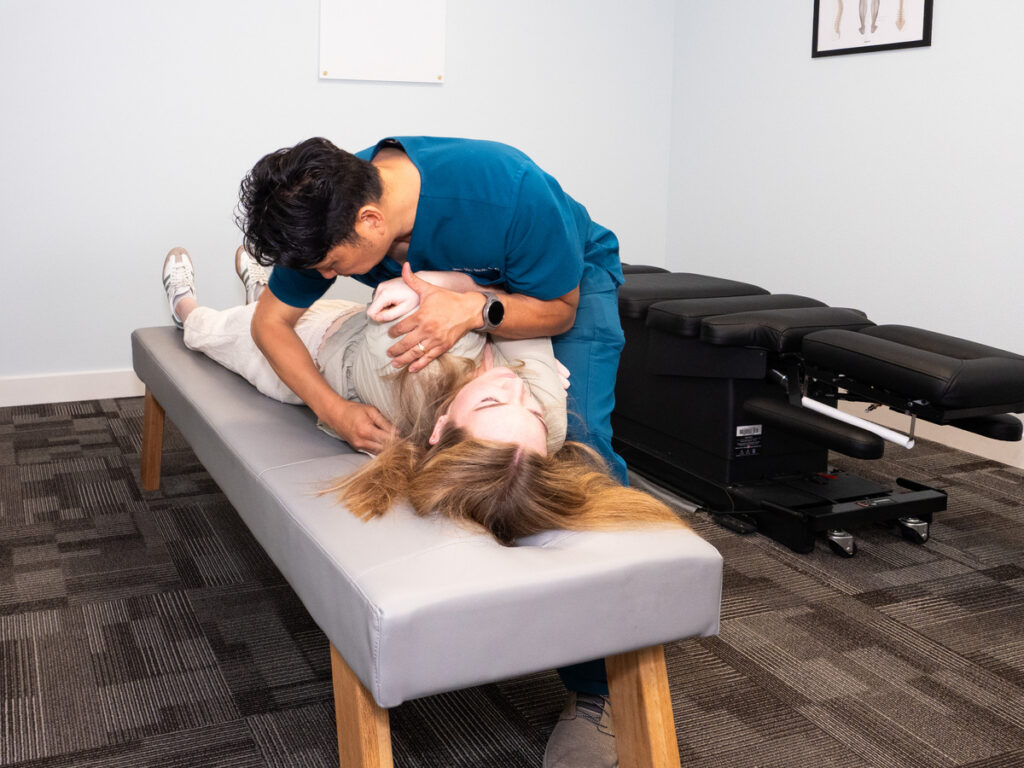
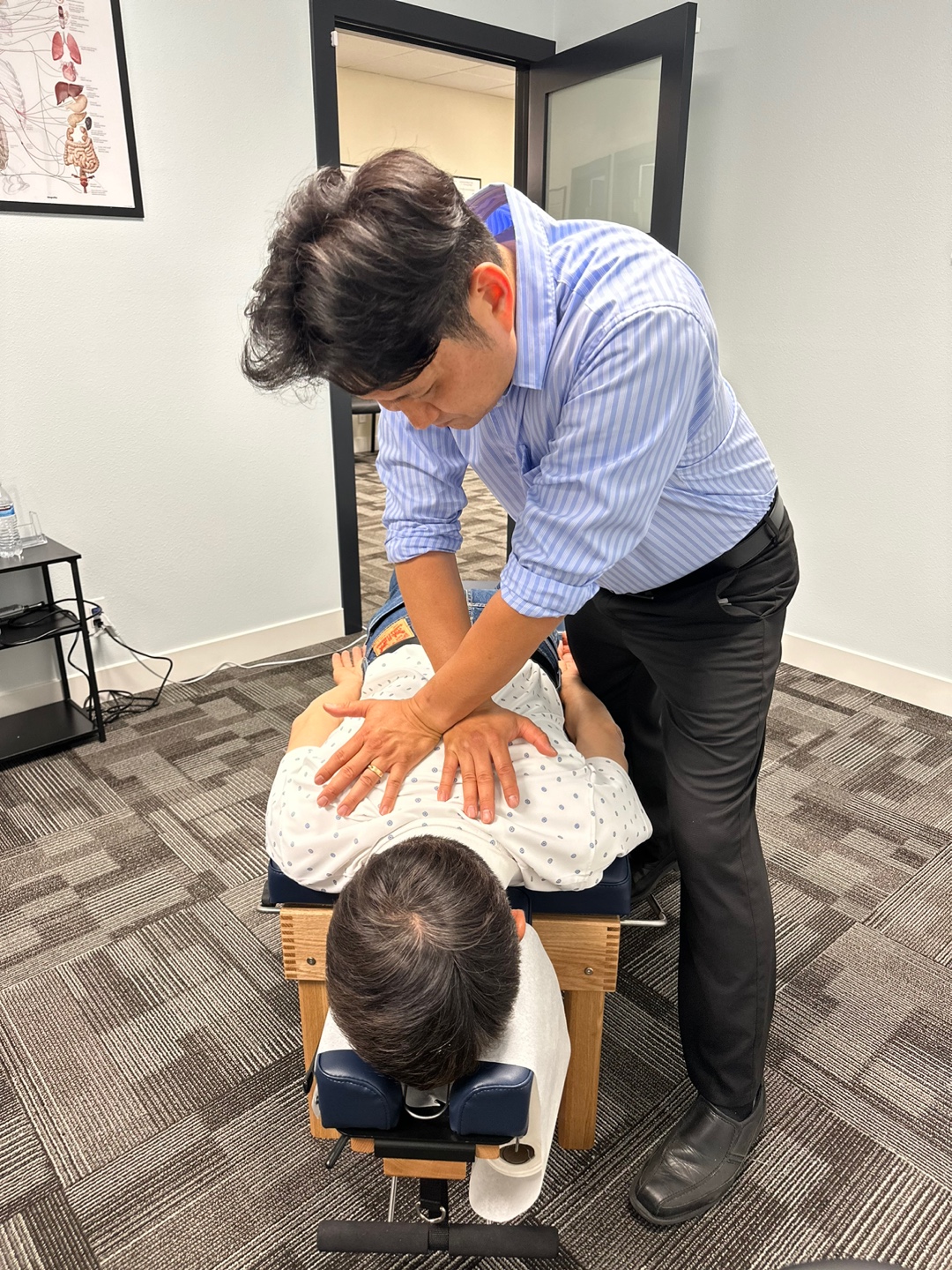
A chiropractic adjustment works to interrupt that cycle. By applying a precise, controlled force to the affected joint, Dr. Jae ho Roh can help restore normal motion, reduce pressure on irritated nerves, and signal the surrounding muscles to relax. Many patients notice an immediate sense of relief, reduced tension, or improved range of motion following an adjustment — though for longer-standing problems, a course of care over several visits is typically needed to achieve lasting results.
Chiropractic care is rooted in the understanding that the body has an innate ability to heal itself when given the right conditions. Adjustments help remove the mechanical obstacles that get in the way of that healing process. This is why chiropractic is considered a conservative, first-line approach to musculoskeletal care by organizations such as the American College of Physicians and the National Institutes of Health’s National Center for Complementary and Integrative Health.
The Core Benefits of Chiropractic Care for Lower Back Pain
Patients who come to Revive Chiropractic in Sunnyvale, CA often ask a very reasonable question: “Will this actually help me?” The honest answer is that chiropractic care has a well-established, evidence-supported role in managing lower back pain — particularly the mechanical type, which is the most common kind.
Research published in respected journals and reviewed by organizations such as the Cochrane Library and the American College of Physicians suggests that spinal manipulation can provide meaningful relief for both acute (short-term) and chronic (long-lasting) lower back pain. The ACP, in fact, recommends spinal manipulation as one of the first-line, non-pharmacological options for managing low back pain — placing it alongside exercise therapy and other conservative approaches.
Here is a closer look at the specific ways chiropractic adjustments may benefit patients dealing with lower back pain:
Pain Reduction: One of the most immediate and well-documented benefits of chiropractic adjustments is a reduction in pain levels. By restoring joint mobility and reducing nerve irritation, adjustments can help decrease both local tenderness and radiating discomfort that may travel into the hips or legs.
Improved Range of Motion: Restricted spinal joints often cause stiffness that limits how freely you can bend, twist, or stand upright. Adjustments help restore that normal movement, which makes daily activities — tying your shoes, reaching overhead, getting in and out of the car — far less of a struggle.
Reduced Muscle Tension: The muscles around the lower back respond to joint dysfunction by tightening up as a protective mechanism. When the underlying joint problem is addressed, that muscle guarding tends to ease. Many patients at Revive Chiropractic describe feeling a noticeable reduction in muscle tightness after their adjustments.
Decreased Reliance on Medication: Because chiropractic care addresses the structural source of pain rather than masking it with medication, patients often find that they need fewer over-the-counter pain relievers or anti-inflammatories. This is particularly meaningful for those who prefer to manage their health naturally.
Support for Long-Term Function: Regular chiropractic care isn’t just about crisis management. Maintaining good spinal health over time can help prevent future episodes of lower back pain and keep you more resilient against the physical demands of daily life.
How Chiropractic Care Fits Into Your Recovery
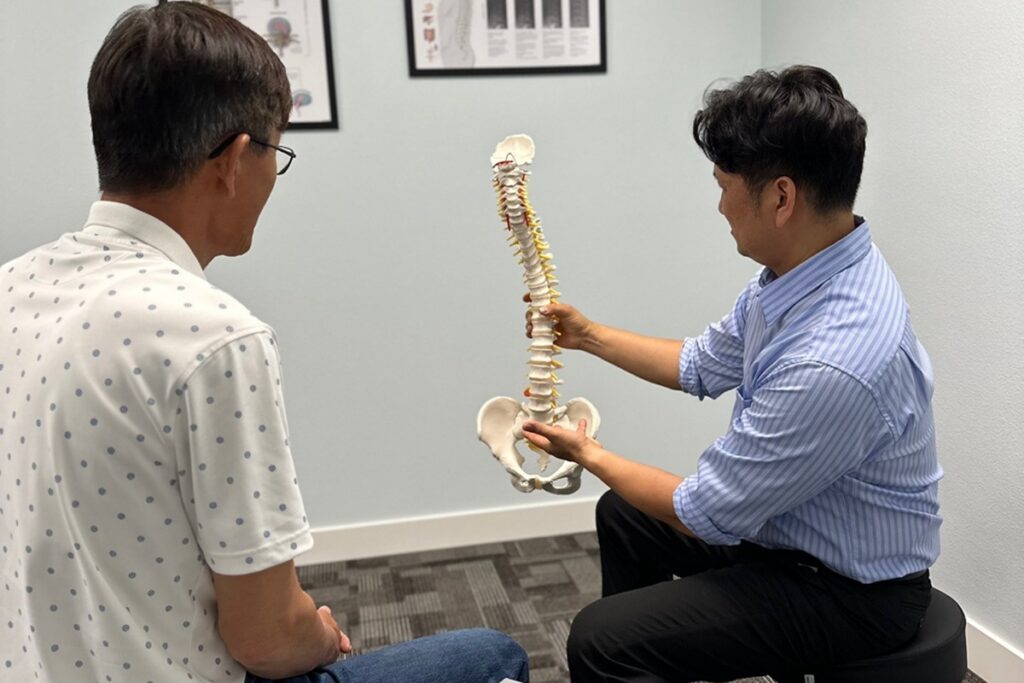
At Revive Chiropractic, Dr. Jae ho Roh takes a thorough, individualized approach to every patient. No two spines are exactly alike, and no two cases of lower back pain are identical either. Before beginning any care, a comprehensive evaluation is performed to understand the specific nature of your pain, identify which joints or tissues are involved, and rule out any conditions that may require a different type of care or a referral to another specialist.
Care plans are tailored to your needs and goals. For some patients, a handful of visits to address an acute flare-up is all that’s needed. Others with more chronic conditions benefit from a longer course of care that incorporates not just adjustments but also posture guidance, ergonomic recommendations, and supportive exercises to strengthen the muscles that protect the spine.
Chiropractic care also works well alongside other conservative therapies. Dr. Jae ho Roh may coordinate your care with physical therapists, massage therapists, or your primary care physician to ensure you’re receiving comprehensive, well-rounded support. The goal is never to create dependency on chiropractic visits — it’s to help you reach a place of improved function and health so you can get back to living your life.
Practical Tips to Support Your Lower Back
Chiropractic adjustments do a great deal of the heavy lifting (pun intended) when it comes to lower back pain relief, but the habits you build between visits matter enormously. Here are some straightforward, evidence-aligned tips that Dr. Jae ho Roh recommends to patients at Revive Chiropractic in Sunnyvale:
Mind your sitting posture. Sitting for long periods puts significant stress on the lumbar spine. If your work involves extended time at a desk, make sure your chair supports the natural curve of your lower back. Keep your feet flat on the floor, your knees at roughly a 90-degree angle, and your screen at eye level to avoid forward head posture, which puts a downstream strain on the lower back as well.
Move regularly throughout the day. Set a reminder to stand up and move every 30 to 45 minutes. Even a short two-minute walk or a gentle standing stretch can break the cycle of compression that builds up during prolonged sitting.
Strengthen your core intentionally. The muscles of the abdomen and hips serve as a natural support system for the lumbar spine. Gentle, consistent core strengthening exercises — performed correctly and without aggravating your symptoms — can make a meaningful difference in your spinal stability over time. Ask Dr. Jae ho Roh for guidance on which exercises are appropriate for your specific condition.
Be mindful when lifting. Bend at the hips and knees rather than rounding your lower back when picking something up from the floor. Keep the object close to your body and avoid twisting while you lift. These simple mechanics can prevent a great deal of injury.
Prioritize sleep position and surface. Sleeping on a mattress that no longer provides adequate support can quietly worsen lower back pain over time. Sleeping on your side with a pillow between your knees, or on your back with a pillow under your knees, can help reduce overnight strain on the lumbar region.
When to See a Chiropractor for Lower Back Pain
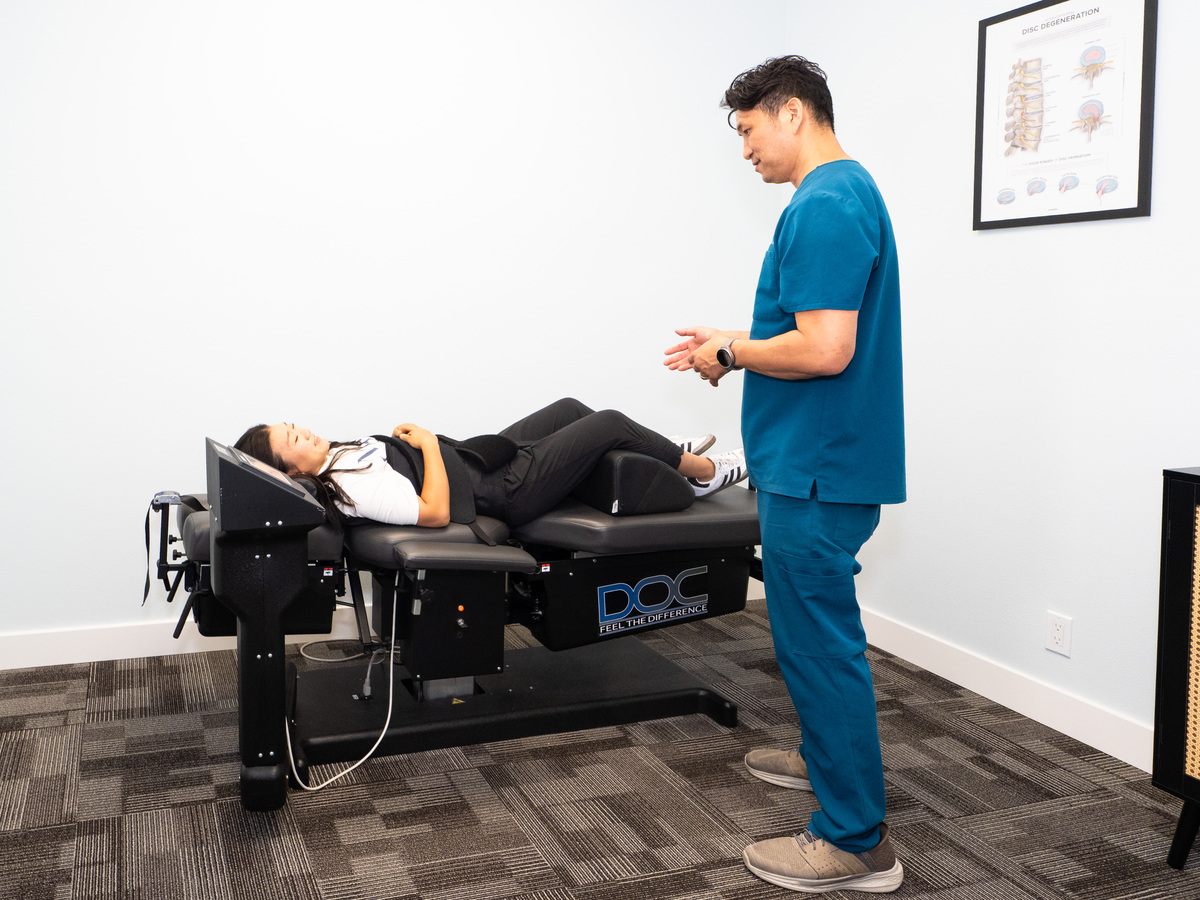
A good rule of thumb is this: if your lower back pain has persisted for more than a few days without improvement, or if it’s significantly interfering with your daily activities, it’s worth getting a professional evaluation. You don’t need to wait until the pain is unbearable. In fact, earlier intervention often leads to faster and more complete recovery.
Chiropractic care is generally well-suited for lower back pain that stems from mechanical causes — joint restriction, muscle imbalance, disc irritation, and postural strain. It is also an appropriate option for people who want to avoid or reduce their use of pain medication, or who have not found sufficient relief through rest alone.
That said, there are situations where lower back pain warrants urgent medical attention rather than (or in addition to) chiropractic care. These include pain that follows a significant trauma such as a fall or car accident, pain accompanied by numbness or weakness that travels down both legs, difficulty controlling bladder or bowel function, unexplained weight loss, fever alongside back pain, or pain that is severe and unrelenting regardless of position. These can be signs of a more serious underlying condition that requires prompt medical evaluation. At Revive Chiropractic in Sunnyvale, we take these red flags seriously and will always refer patients to the appropriate provider when needed.
|
Situation |
Recommended Action |
|---|---|
|
Mild to moderate lower back pain lasting more than 3–5 days |
Schedule a chiropractic evaluation |
|
Chronic lower back pain that hasn’t resolved with rest |
Chiropractic care as part of a conservative treatment plan |
|
Lower back pain with leg pain (sciatica-like symptoms) |
Chiropractic evaluation to assess nerve involvement |
|
Pain following a minor strain or awkward movement |
Chiropractic care appropriate; ice/heat for initial management |
|
Pain with numbness in both legs, or loss of bladder/bowel control |
Seek emergency medical care immediately |
|
Pain accompanied by fever, unexplained weight loss, or severe unrelenting pain |
Consult a medical doctor promptly |
Myths vs. Facts About Chiropractic Adjustments
Myth: Chiropractic adjustments are dangerous or can injure the spine.
Fact: When performed by a licensed chiropractor, spinal adjustments are considered a safe and well-tolerated treatment for lower back pain. Serious adverse events are rare. Some patients experience mild, temporary soreness after an adjustment — similar to how muscles feel after exercise — but this typically resolves within a day or two. Dr. Jae ho Roh performs a thorough intake evaluation before beginning any care to ensure adjustments are appropriate for each individual patient.
Myth: Once you start chiropractic care, you have to go forever.
Fact: Chiropractic care is goal-oriented and adaptable. Many patients complete a short course of treatment, achieve their goals, and return only as needed for maintenance or when a new issue arises. The decision about how often to come in — and for how long — is always yours to make, in partnership with your chiropractor.
Myth: Chiropractic only helps with neck and back pain.
Fact: While lower back pain and neck pain are among the most common reasons people seek chiropractic care, chiropractors are trained to assess and support the entire musculoskeletal system. Hip pain, shoulder tension, headaches, and other conditions involving joints, muscles, and nerves may also benefit from chiropractic evaluation and care.
Myth: Rest is the best treatment for lower back pain.
Fact: Evidence consistently shows that prolonged bed rest is not recommended for most cases of lower back pain and can actually slow recovery. Staying gently active, combined with appropriate care such as chiropractic adjustments, tends to produce better outcomes than extended rest. Movement — when done correctly — is medicine for the spine.
Myth: Chiropractic care is only for adults.
Fact: Chiropractic care can be appropriate for people of a wide range of ages, from adolescents dealing with postural issues to older adults managing degenerative changes in the spine. Treatment techniques are always modified to suit the individual patient’s age, health status, and specific needs.
Final Thoughts from Revive Chiropractic
Lower back pain doesn’t have to be something you simply live with. Here in Sunnyvale, CA, the team at Revive Chiropractic — led by Dr. Jae ho Roh — is dedicated to helping members of our community find real, lasting relief through thoughtful, personalized chiropractic care. We understand how much lower back pain can impact your quality of life, your ability to work, and your enjoyment of the activities you love. Our approach is always patient-centered, evidence-informed, and focused on empowering you with both the care and the knowledge you need to feel your best.
If you’ve been dealing with lower back pain and wondering whether chiropractic adjustments might be the right step for you, we warmly encourage you to reach out. A conversation and a thorough evaluation are the best places to start. You deserve to move through life with less pain and more confidence — and we’re here to help you get there.
Frequently Asked Questions
How many chiropractic visits will I need for lower back pain?
The number of visits varies depending on the nature and duration of your lower back pain. Acute cases may respond well within a few sessions, while chronic conditions typically require a longer course of care. Dr. Jae ho Roh will outline a personalized treatment plan after your initial evaluation so you have a clear picture of what to expect.
Is chiropractic care for lower back pain covered by insurance?
Many insurance plans do provide coverage for chiropractic care, though coverage levels vary widely by provider and plan. It’s best to contact your insurance provider directly or reach out to Revive Chiropractic to discuss the specifics of your coverage before your first visit.
Can chiropractic adjustments help with a herniated disc?
Chiropractic care can be appropriate for some cases of disc-related lower back pain, depending on the severity and specific presentation. A thorough evaluation helps determine whether chiropractic adjustments are suitable or whether additional imaging or co-management with another provider is needed first.
Will a chiropractic adjustment hurt?
Most patients find chiropractic adjustments to be comfortable and even relieving. Some people experience mild soreness afterward, particularly if they are in an acute phase of pain, but this typically passes quickly. Dr. Jae ho Roh uses gentle, controlled techniques and will always work within your comfort level.
Is it safe to get chiropractic adjustments during pregnancy?
Chiropractic care during pregnancy can be appropriate for many individuals experiencing lower back pain or pelvic discomfort, and chiropractors are trained in techniques adapted specifically for pregnant patients. Always inform your chiropractor of your pregnancy so that care can be modified appropriately.
How is chiropractic different from physical therapy for lower back pain?
Chiropractic care focuses primarily on the diagnosis and manual treatment of joint dysfunction and spinal misalignment, while physical therapy tends to emphasize rehabilitative exercise and movement retraining. The two approaches are often complementary, and many patients benefit from both — sometimes in coordination with each other.
TL;DR
-
Chiropractic adjustments for lower back pain are a well-supported, non-invasive, drug-free option recommended by major health organizations as a first-line conservative treatment.
-
Adjustments work by restoring proper joint movement in the lumbar spine, reducing nerve irritation, easing muscle tension, and supporting the body’s natural healing process.
-
Benefits include pain reduction, improved range of motion, decreased muscle tightness, and reduced reliance on pain medication.
-
Dr. Jae ho Roh at Revive Chiropractic in Sunnyvale, CA provides individualized care plans tailored to each patient’s specific condition and goals.
-
Most lower back pain that persists beyond a few days or interferes with daily life warrants a professional evaluation — and chiropractic care is often an excellent place to start.