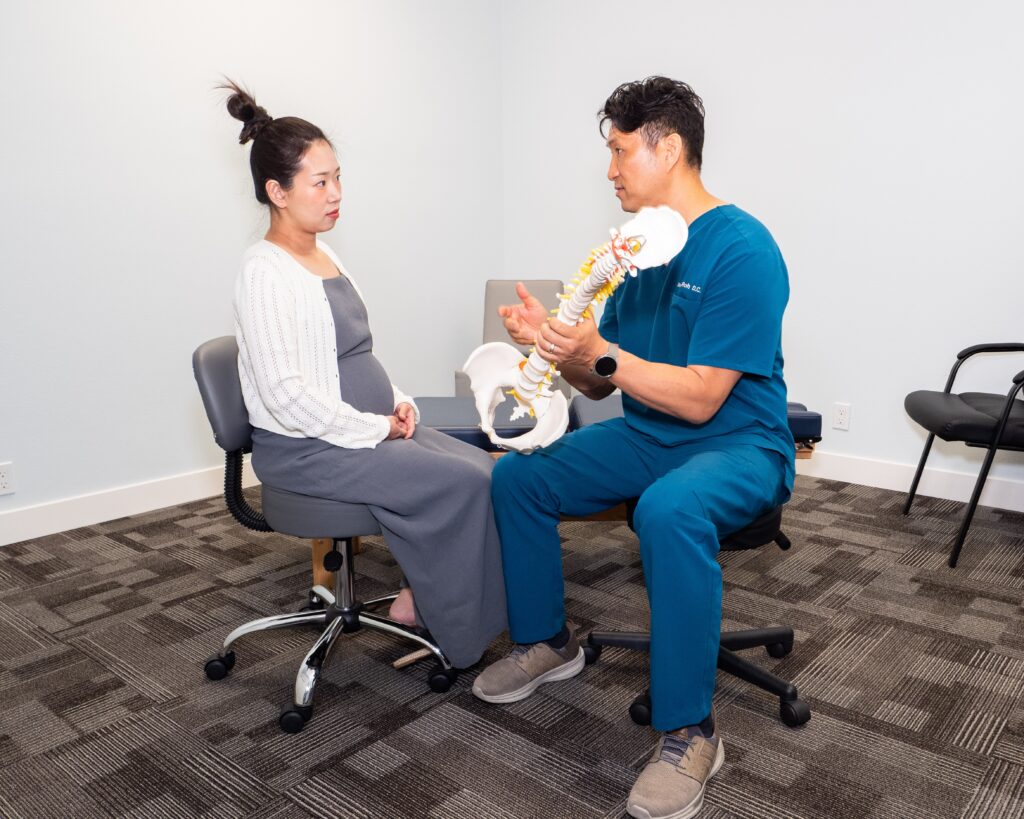
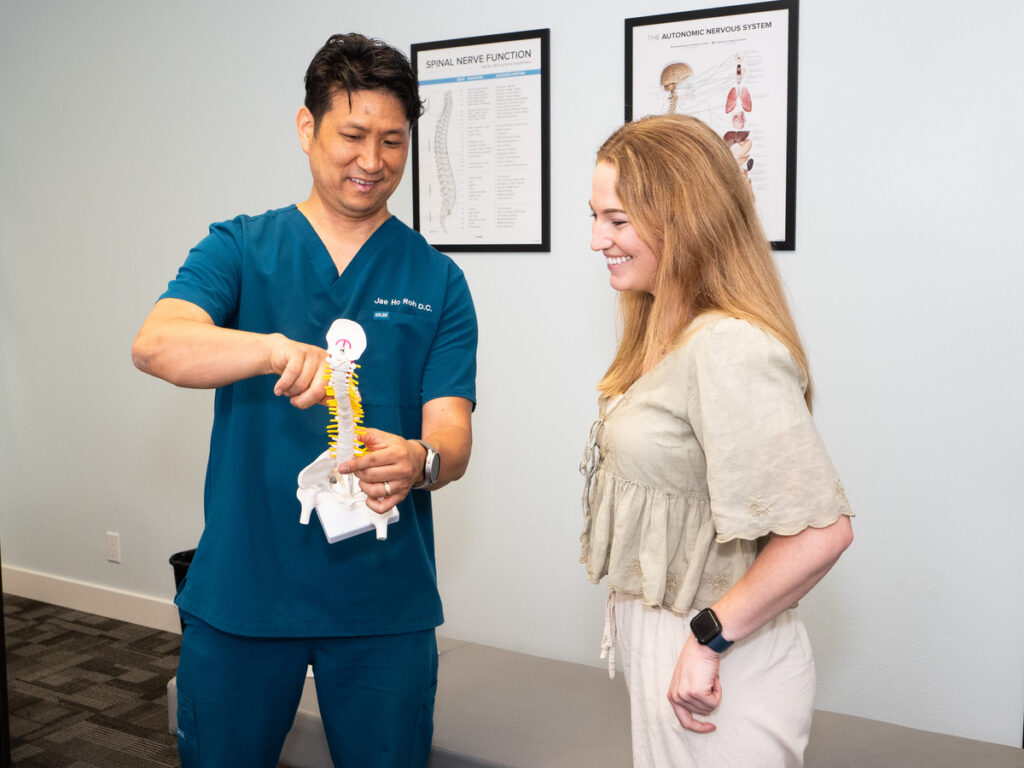

If you’ve ever caught yourself hunched over your desk, craning your neck toward your phone screen, or feeling that familiar ache in your lower back by midafternoon, you’re not alone. Poor posture has become one of the most common complaints among people of all ages here in Sunnyvale, CA — and it’s something that Dr. Jae ho Roh at Revive Chiropractic sees on a daily basis. The good news is that proper posture is something you can absolutely work on, and the benefits go far beyond just looking confident. Your posture affects how your spine functions, how your muscles work together, and even how your nervous system communicates throughout your entire body.
What Is Proper Posture?
Proper posture refers to the alignment of your body parts — head, shoulders, spine, hips, knees, and feet — in a position that places the least amount of strain on your muscles, ligaments, and joints during movement or at rest. In simple terms, it means your body is stacked and balanced the way it was designed to be. Good posture is not about sitting perfectly rigid; it’s about maintaining your spine’s natural curves in a relaxed, supported way.
What Proper Posture Really Means
Many people think of posture as simply sitting up straight, but it’s much more nuanced than that. Your spine has three natural curves — a gentle inward curve at the neck (cervical lordosis), an outward curve at the mid-back (thoracic kyphosis), and another inward curve at the lower back (lumbar lordosis). Proper posture means these three curves are maintained in their natural, balanced positions — not exaggerated and not flattened.
There are two main types of posture worth understanding. Static posture describes how you hold your body when you’re still — standing, sitting, or lying down. Dynamic posture refers to how you carry yourself while moving — walking, bending, lifting, or exercising. Both matter enormously for your long-term spinal health. At Revive Chiropractic in Sunnyvale, Dr. Jae ho Roh evaluates both types to get a full picture of how a patient’s body is functioning.
It’s also worth noting that good posture isn’t a fixed position you hold all day. It’s really about movement variability — being able to shift, adjust, and support your body comfortably throughout the day without collapsing into patterns that strain your joints and muscles over time.
Common Causes of Poor Posture
Poor posture rarely develops overnight. It tends to build gradually through habits, lifestyle patterns, and sometimes structural imbalances in the body. Here in Sunnyvale, CA, many of the patients who visit Revive Chiropractic work in tech-related fields — spending long hours at computers, on video calls, or looking down at devices. These environments are some of the biggest contributors to poor posture in today’s world.
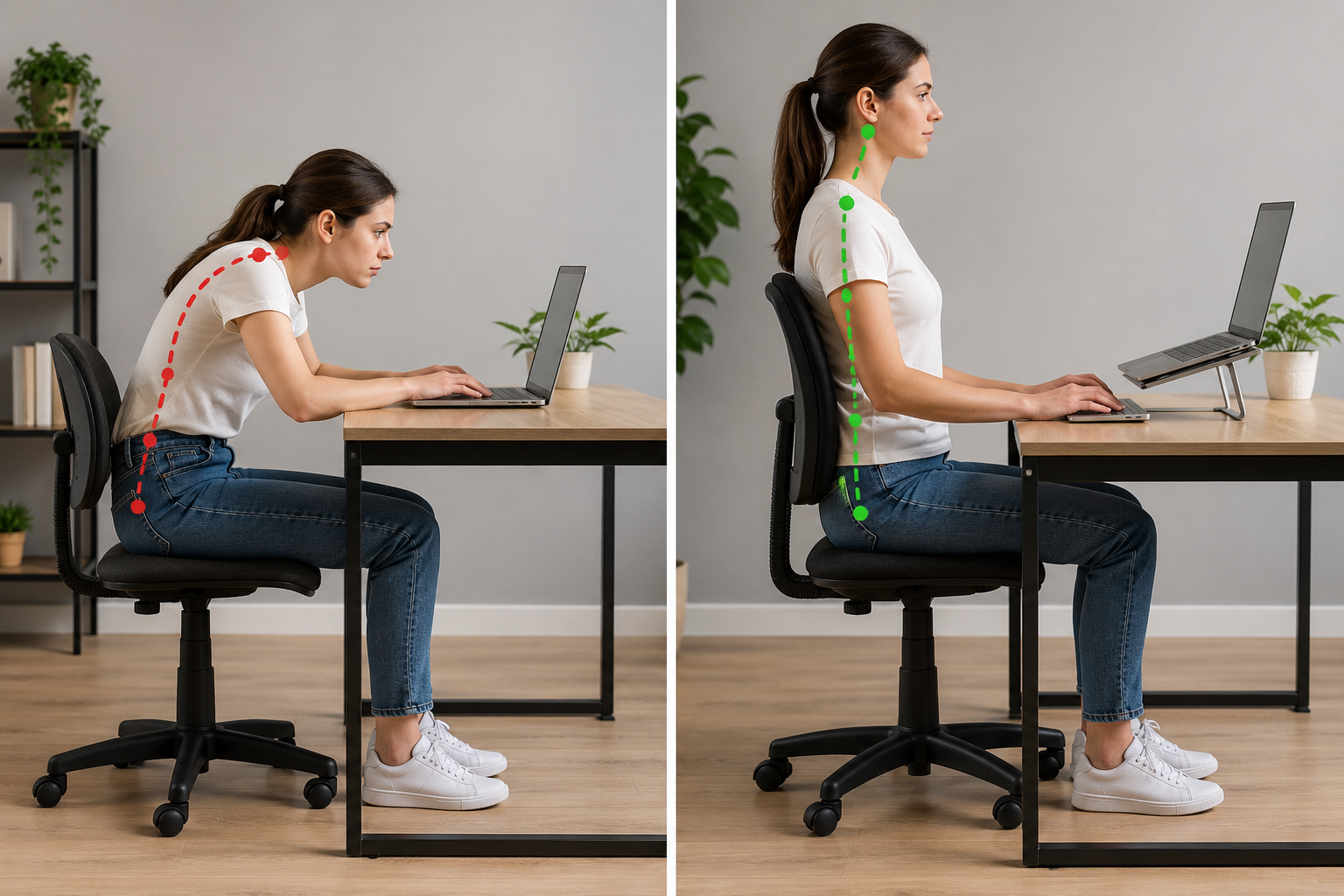
One of the most common culprits is forward head posture, sometimes called “tech neck.” For every inch your head moves forward from its natural position over your shoulders, it can effectively double the load on the muscles and structures supporting your neck. Over time, this puts enormous strain on the cervical spine and upper back.
Weak core muscles are another major factor. Your core — which includes not just your abdominals but also your deep spinal stabilizers — acts like a natural brace for your spine. When these muscles are underactive or weak, your spine loses support and begins to compensate in ways that lead to rounded shoulders, a flattened lumbar curve, or a tilted pelvis. Prolonged sitting, lack of regular movement, improper workstation setup, worn-out footwear, and even emotional stress can all contribute to postural breakdown over time.
How Poor Posture Affects Your Body
The consequences of long-term poor posture are much broader than most people realize. Yes, it can cause neck and back pain — but it can also contribute to headaches, shoulder tension, reduced lung capacity, poor digestion, and even changes in mood and energy levels. Research suggests that the way we hold our bodies can influence everything from our breathing patterns to how our nervous system functions.
From a musculoskeletal standpoint, poor posture creates muscle imbalances. Some muscles become chronically tight and overworked while others become weak and underused. For example, someone with rounded shoulders typically has tight chest muscles and weak upper back muscles. This imbalance doesn’t just cause discomfort — it can accelerate wear on the spinal joints and discs over many years.
Poor posture also affects how nerve signals travel through the body. When spinal joints are misaligned or under abnormal stress, it can interfere with the normal function of the surrounding nerves. This is one of the central reasons why chiropractors like Dr. Jae ho Roh at Revive Chiropractic address posture as part of a broader approach to spinal health — because the spine houses and protects your nervous system, and its alignment matters deeply.
Beyond the physical, evidence indicates that poor posture can negatively impact your mood and cognitive function. Studies have found associations between slumped postures and lower energy levels, while upright postures have been linked to improved mood and confidence. The mind-body connection is real, and your posture is part of that equation.
How Chiropractic Care Fits Into Posture Correction
Chiropractic care takes a conservative, hands-on approach to addressing the spinal misalignments and joint restrictions that often develop as a result of — and further contribute to — poor posture. It’s non-invasive, drug-free, and individualized to each patient’s specific needs and lifestyle.
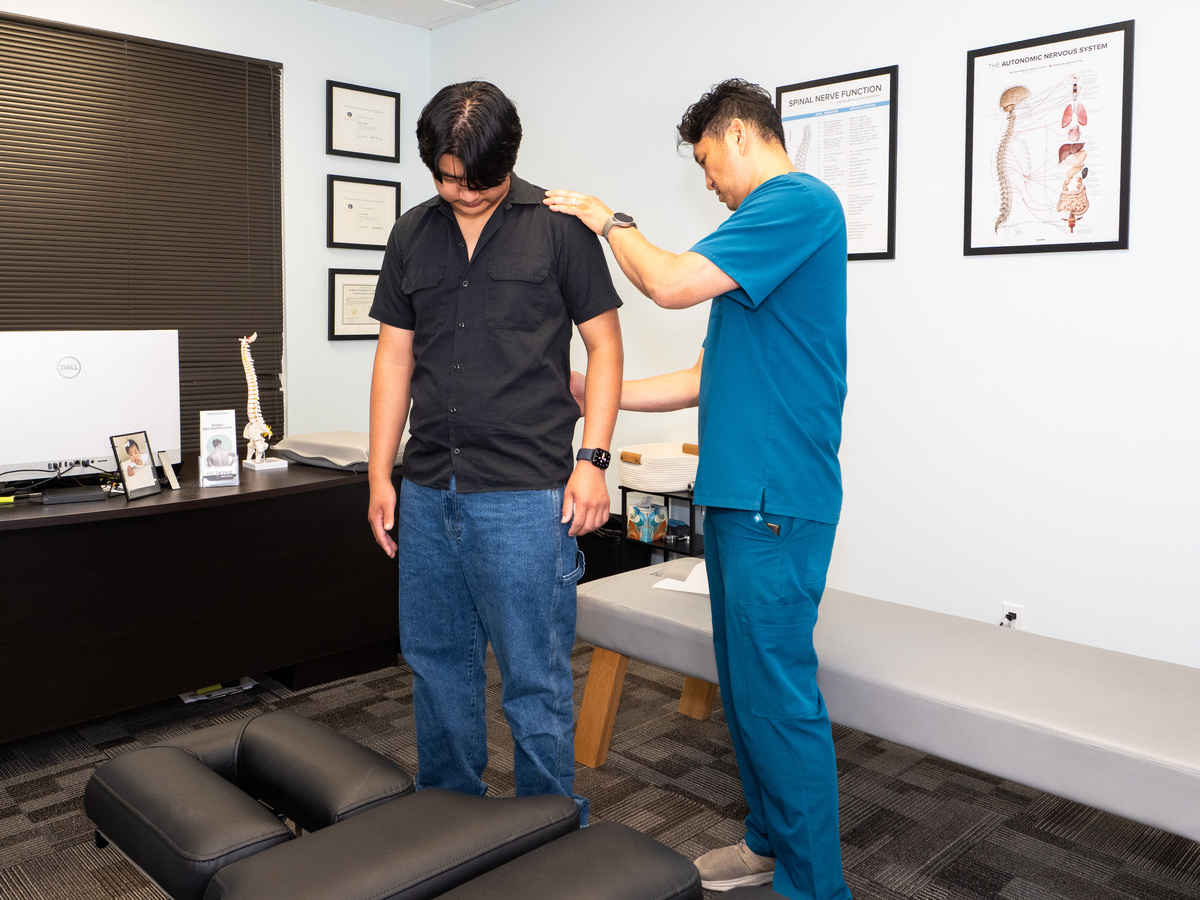
At Revive Chiropractic in Sunnyvale, Dr. Jae ho Roh begins with a thorough evaluation that includes a postural assessment, range-of-motion testing, and a review of the patient’s daily habits and history. This helps identify the root causes of postural problems rather than just chasing the symptoms.
Chiropractic adjustments work by restoring proper joint motion in the spine and other affected areas. When spinal joints move more freely and are better aligned, the muscles around them can relax and function more efficiently. This doesn’t just reduce pain — it creates an environment where better posture becomes easier to maintain. Many patients at Revive Chiropractic report that after receiving care, it simply feels more natural to hold themselves upright because the underlying tension and restriction have been addressed.
In addition to spinal adjustments, chiropractic care often incorporates soft tissue techniques, corrective exercises, and postural retraining guidance. These tools work together to retrain the muscles and movement patterns that have been contributing to poor posture over time. The goal is always long-term improvement, not just short-term relief.
Practical Tips for Maintaining Proper Posture
While professional care is invaluable, there’s a great deal you can do on your own to support better posture every day. The following strategies are simple, evidence-aligned, and easy to incorporate into a busy lifestyle — especially for those of us living and working in the fast-paced Sunnyvale area.
Set up your workstation correctly. Your monitor should be at eye level so you’re not looking down or craning up. Your chair should support the natural curve of your lower back, and your feet should rest flat on the floor (or on a footrest). Your elbows should be roughly at a 90-degree angle when typing.
Take movement breaks. The human body was not designed to stay still for hours on end. Set a reminder to stand up, walk around, and gently move your neck and shoulders every 30 to 45 minutes. Even a 60-second movement break can make a meaningful difference in how your spine feels by the end of the day.
Strengthen your core and posterior chain. Exercises that target the deep abdominals, glutes, and upper back muscles help create a strong foundation for good posture. Simple moves like bird-dogs, glute bridges, and thoracic extensions can be very effective. Ask Dr. Jae ho Roh or your care team for guidance specific to your needs.
Be mindful of your phone habits. When scrolling or texting, try to bring your phone up toward eye level rather than dropping your head down. This small change can significantly reduce the strain on your cervical spine over time.
Sleep position matters too. Sleeping on your back or side with a supportive pillow that keeps your head in a neutral position is generally better for spinal alignment than sleeping on your stomach, which forces the neck into prolonged rotation.
When to See a Chiropractor
Many people wait until pain becomes unbearable before seeking help — but with posture-related issues, earlier intervention is almost always better. If you’ve noticed that you’re frequently uncomfortable after sitting at your desk, that your neck feels stiff and tight most mornings, or that your shoulders round forward even when you try to sit up straight, these are meaningful signs that your posture may benefit from a professional evaluation.
You should consider visiting Revive Chiropractic in Sunnyvale if you experience recurring headaches that seem to start at the base of your skull, persistent upper or lower back stiffness, numbness or tingling in your arms or hands, or pain that doesn’t resolve with rest. These symptoms can all be related to postural stress on the spine and nervous system.
There are also red flags that may indicate a more serious condition requiring prompt medical evaluation. If you experience sudden severe pain, pain that follows a significant injury or fall, loss of bladder or bowel control, or weakness in the limbs, please seek immediate medical attention. Chiropractors are trained to recognize these situations and will refer you appropriately when needed.
|
Poor Posture Habit |
What It Does to Your Body |
Better Alternative |
|---|---|---|
|
Head forward over screen |
Increases cervical spine load, causes neck and shoulder tension |
Monitor at eye level, ears aligned over shoulders |
|
Rounded lower back while sitting |
Flattens lumbar curve, compresses spinal discs |
Use lumbar support, maintain natural low back curve |
|
Crossed legs while seated |
Tilts pelvis, rotates hips unevenly |
Feet flat on floor, hips level and square |
|
Slouched shoulders |
Tightens chest, weakens upper back muscles |
Shoulders back and relaxed, not forced or rigid |
|
Looking down at phone |
Stresses cervical vertebrae, contributes to “tech neck” |
Raise phone to eye level, take frequent breaks |
Myths vs. Facts About Proper Posture
Myth: Good posture means sitting perfectly straight and rigid all day.
Fact: Holding a rigid, forced upright position all day can actually create its own type of muscle fatigue and strain. Good posture is about maintaining your natural spinal curves in a relaxed, supported way — and varying your position frequently throughout the day. Movement is just as important as alignment.
Myth: Posture problems only affect older people.
Fact: Postural issues are increasingly common among younger adults and even children and teenagers due to the widespread use of smartphones, tablets, and computers. Dr. Jae ho Roh at Revive Chiropractic regularly works with patients in their 20s and 30s who are already experiencing significant posture-related discomfort.
Myth: If your back doesn’t hurt, your posture must be fine.
Fact: Poor posture can be present for years before it begins to cause noticeable pain. By the time discomfort develops, underlying muscle imbalances and spinal stress may already be well established. Regular postural check-ins — especially if you have a sedentary job — are a proactive way to stay ahead of potential problems.
Myth: Chiropractic care is only for people already in pain.
Fact: Many people visit chiropractors for preventive care and posture wellness rather than acute pain. Chiropractic assessments can identify early postural imbalances before they escalate, making it an excellent tool for proactive spinal health — not just pain management.
Myth: You can fix your posture just by thinking about it more.
Fact: While awareness is an important first step, posture correction typically requires addressing the underlying muscle imbalances, joint restrictions, and movement habits that are driving the problem. Willpower alone rarely creates lasting change — which is why a structured, professional approach is often most effective.
Final Thoughts From Revive Chiropractic in Sunnyvale
Your posture is a reflection of how your body has adapted to your daily life — and the encouraging news is that adaptation works in both directions. With the right guidance, habits, and support, your body can learn to move and rest in healthier, more balanced ways. It takes consistency and a bit of patience, but the long-term rewards for your spine, your nervous system, and your overall wellbeing are absolutely worth it.
Here at Revive Chiropractic in Sunnyvale, CA, Dr. Jae ho Roh is passionate about helping members of this community understand their bodies and take meaningful steps toward better spinal health. Whether you’re dealing with nagging neck stiffness, low back discomfort, or simply want to understand how to sit and move better at work, our team is here to help with a caring, personalized, and evidence-informed approach.
You don’t have to live with the aches and tension that come from years of postural stress. Small, consistent changes — supported by professional care when needed — can make a profound difference in how you feel day to day. We’re proud to serve the Sunnyvale community and look forward to helping you feel your best.
Frequently Asked Questions About Proper Posture
How long does it take to correct poor posture?
The timeline varies depending on how long the postural habits have been present, the degree of muscle imbalance involved, and how consistently you apply corrective strategies. Minor postural improvements can often be felt within a few weeks, while more significant changes typically take several months of consistent effort and care.
Can chiropractic adjustments actually improve my posture?
Chiropractic adjustments address joint restrictions and spinal misalignments that can make it difficult for your body to maintain good posture naturally. When combined with corrective exercises and postural retraining, chiropractic care has been shown to support meaningful postural improvements over time. It works best as part of a comprehensive approach rather than a standalone fix.
Is it bad to sit all day even if I sit up straight?
Yes — even good sitting posture places more load on the lumbar spine than standing does. Prolonged static postures, regardless of how “correct” they are, contribute to muscle fatigue and joint stress. The key is to vary your position frequently and incorporate regular movement breaks throughout your day.
What is the best sleeping position for posture?
Sleeping on your back or side is generally considered best for spinal alignment. Back sleepers benefit from a pillow that keeps the neck in a neutral position, while side sleepers may find a pillow between the knees helpful for reducing hip and lumbar strain. Stomach sleeping tends to place the neck in prolonged rotation and is generally less recommended.
Can poor posture cause headaches?
Yes, this is a well-recognized connection. Forward head posture and tension in the neck and upper back muscles can contribute to tension-type headaches and cervicogenic headaches — headaches that originate from the cervical spine. Addressing the underlying postural strain often helps reduce both the frequency and intensity of these headaches.
How often should I see a chiropractor for posture-related concerns?
This depends on your individual situation and goals. Some patients benefit from an initial series of more frequent visits to address acute issues, followed by periodic maintenance care. Dr. Jae ho Roh at Revive Chiropractic will work with you to develop a care plan that makes sense for your specific needs and lifestyle.
TL;DR — Key Takeaways
-
Proper posture means maintaining your spine’s three natural curves in a relaxed, supported position — both while still and while moving.
-
Common causes of poor posture include prolonged sitting, device use, weak core muscles, and poor workstation setup — all very common in Sunnyvale’s tech-driven environment.
-
Poor posture affects far more than your back — it can contribute to headaches, nerve issues, muscle imbalances, and even energy levels.
-
Chiropractic care at Revive Chiropractic addresses the joint restrictions and spinal misalignments that make good posture harder to maintain, with Dr. Jae ho Roh offering individualized, non-invasive care.
-
Consistent daily habits — regular movement breaks, proper workstation setup, core strengthening, and mindful phone use — are foundational to long-term postural health.