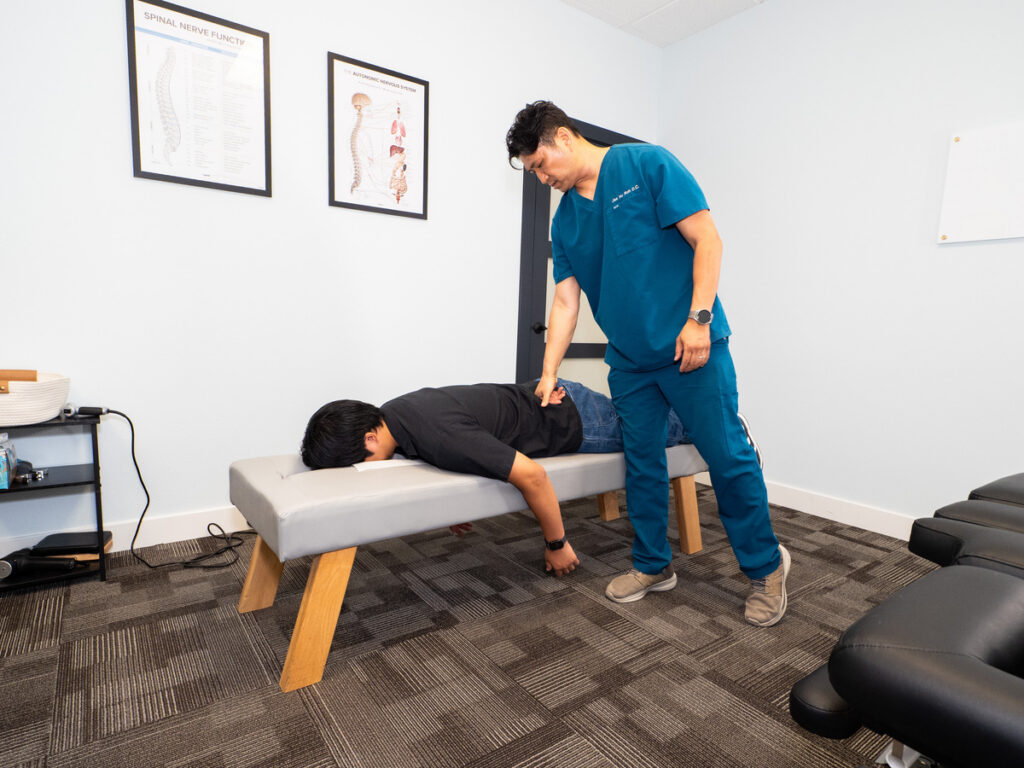

Back pain is one of the most common reasons people seek care, and for many, the underlying cause turns out to be something they’ve never even heard of: degenerative disc disease. It sounds alarming — the word “degenerative” tends to do that — but understanding what’s really happening in your spine can make a world of difference. Here in Sunnyvale, CA, patients come through the doors of Revive Chiropractic every week carrying this diagnosis, and the first thing Dr. Jae ho Roh wants them to know is that this condition is manageable. You are not helpless, and your quality of life does not have to decline just because your discs do.
What Is Degenerative Disc Disease?
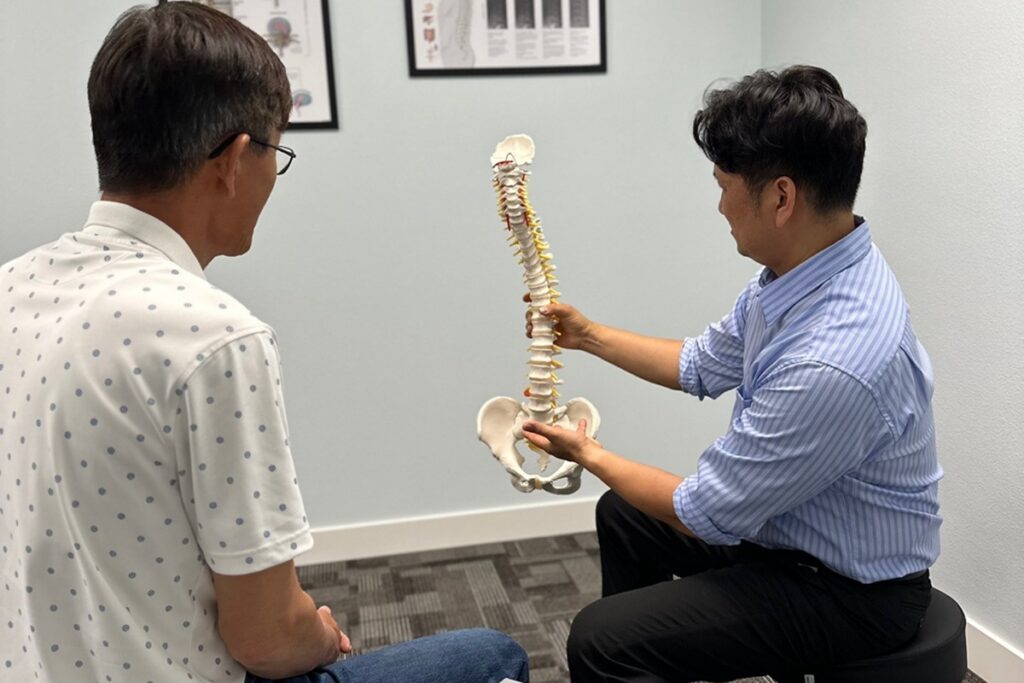
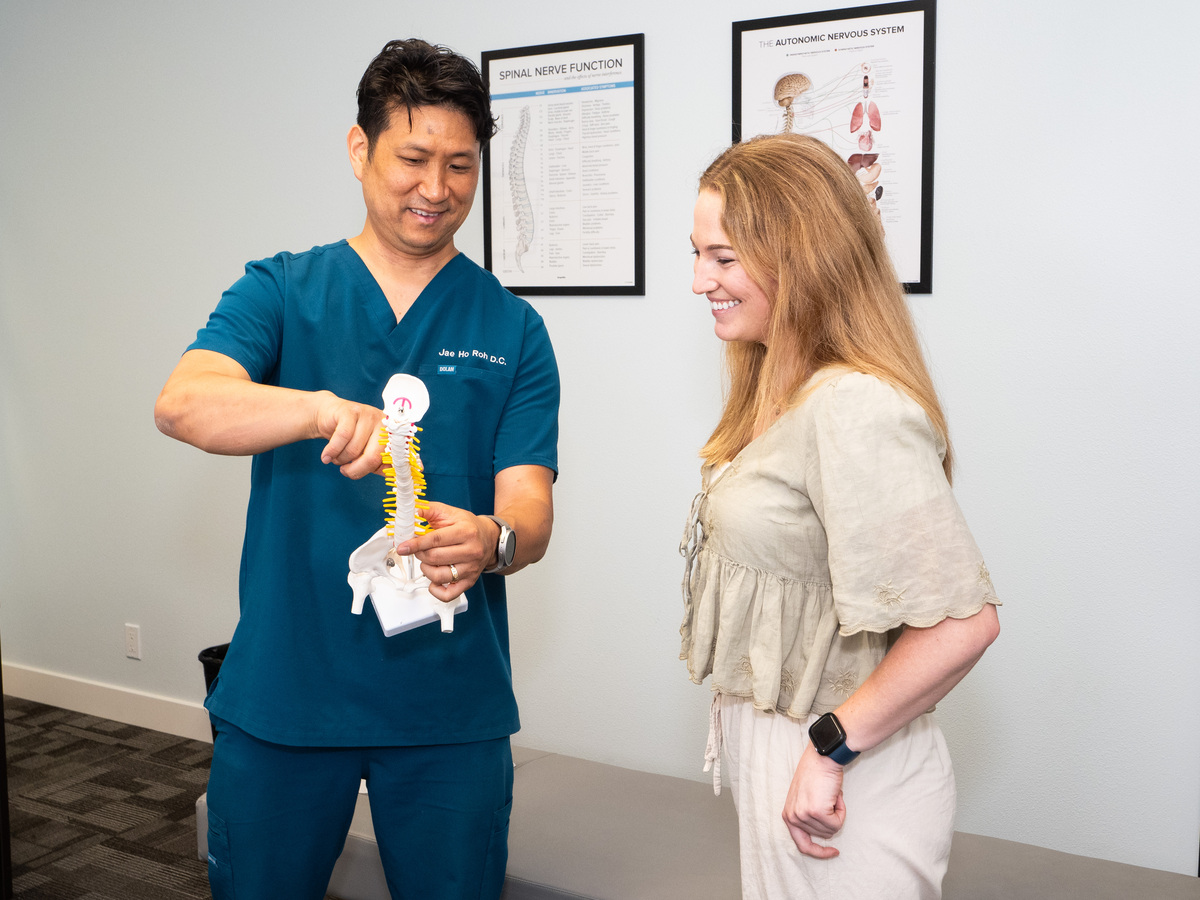
Degenerative disc disease (DDD) is not actually a “disease” in the traditional sense — it is a term used to describe the natural wear and tear that occurs in the spinal discs over time. The spinal discs are the cushion-like structures that sit between each vertebra in your spine. They absorb shock, allow movement, and protect the bones. As we age, these discs gradually lose hydration and flexibility, which can lead to pain, stiffness, and reduced function.
Common Causes and Risk Factors
It helps to understand why disc degeneration happens in the first place. The spinal discs are made up of a tough outer shell called the annulus fibrosus and a soft, gel-like center called the nucleus pulposus. In younger years, the discs are plump, hydrated, and resilient. Over time — and sometimes due to specific circumstances — they begin to lose that moisture and structural integrity.
Aging is the primary driver. By the time most people reach their forties, some degree of disc degeneration is visible on imaging, even in people with no pain at all. But aging alone does not tell the whole story. Lifestyle factors play a significant role. Prolonged sitting, repetitive bending and lifting, poor posture, smoking, and carrying excess body weight all place additional stress on the lumbar and cervical spine, accelerating the process.
Genetics also matter. Research suggests that a predisposition to faster disc degeneration can run in families, meaning some individuals may experience symptoms earlier in life regardless of their habits. A history of acute spinal injuries — like a car accident or a heavy fall — can also speed up disc wear in the affected area. At Revive Chiropractic in Sunnyvale, Dr. Jae ho Roh takes a thorough health history to understand each patient’s unique combination of contributing factors before recommending a care plan.
Signs and Symptoms to Watch For
One of the most important things to understand about degenerative disc disease is that not everyone who has it experiences the same symptoms — and some people experience no symptoms at all. That said, when it does cause discomfort, there are patterns that tend to emerge.
The most common complaint is a persistent, low-grade ache in the lower back or neck. This pain often worsens with prolonged sitting or standing, and it may flare up significantly after bending, twisting, or lifting. Many patients describe a feeling of stiffness when they first wake up in the morning, which gradually eases with movement as the day progresses.
When a disc degenerates significantly, it may bulge or place pressure on nearby nerve roots. This can cause radiating pain, tingling, or numbness that travels into the buttocks, legs, arms, or hands — depending on where in the spine the degeneration is occurring. A disc affecting the lumbar (lower back) region may produce sciatica-like symptoms, while cervical (neck) disc degeneration can lead to arm pain and headaches. If you are experiencing any of these radiating symptoms, it is especially important to seek a professional evaluation rather than waiting for them to resolve on their own.
How Chiropractic Care Fits Into Your Recovery
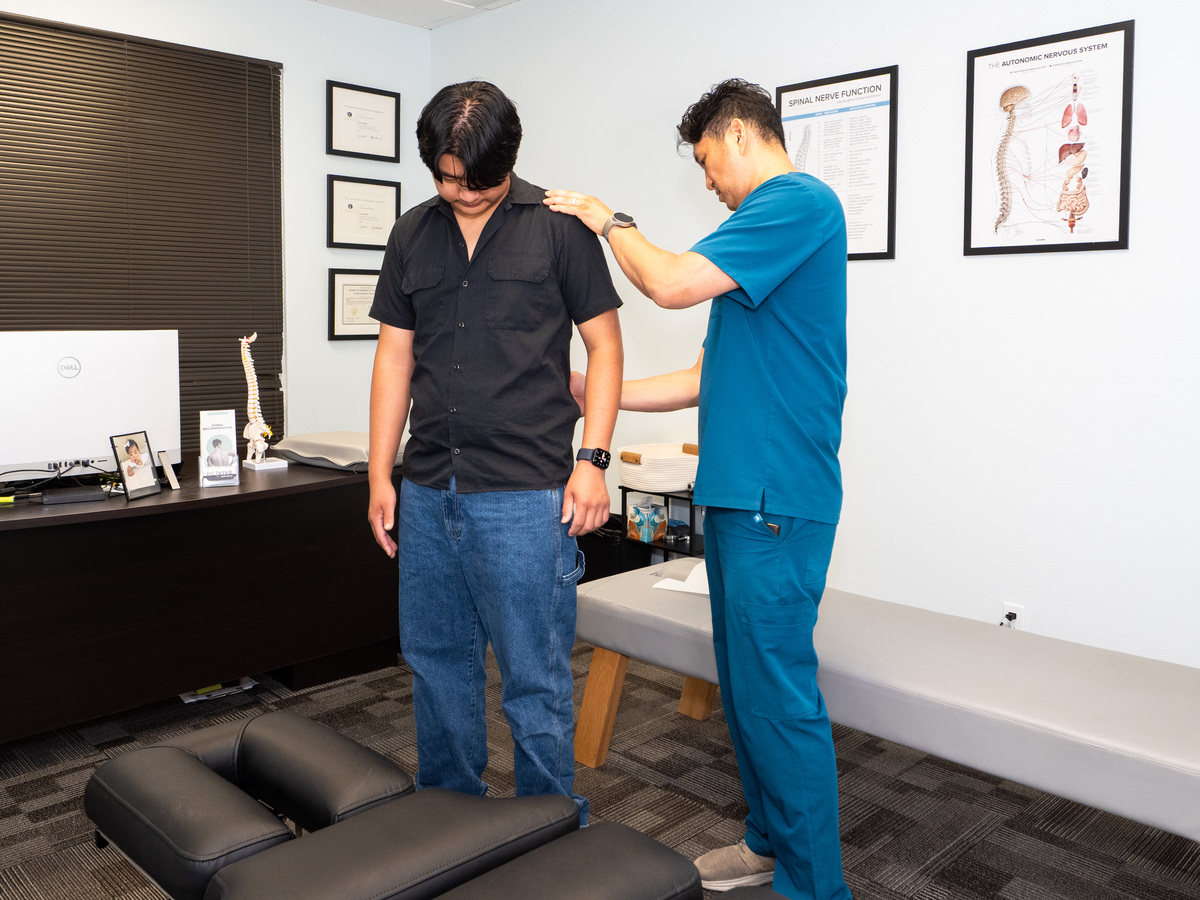
Chiropractic care is widely recognized as a non-invasive, drug-free approach to managing musculoskeletal conditions, and degenerative disc disease is no exception. Organizations such as the American College of Physicians (ACP) and the National Center for Complementary and Integrative Health (NCCIH) have acknowledged that conservative care — including spinal manipulation — can be an effective first-line option for managing chronic low back pain.
At Revive Chiropractic in Sunnyvale, CA, Dr. Jae ho Roh approaches degenerative disc disease with a whole-person perspective. That means the focus is not simply on reducing pain in the short term, but on improving the way your spine moves, reducing inflammation in surrounding tissues, and helping you build habits that support long-term spinal health.
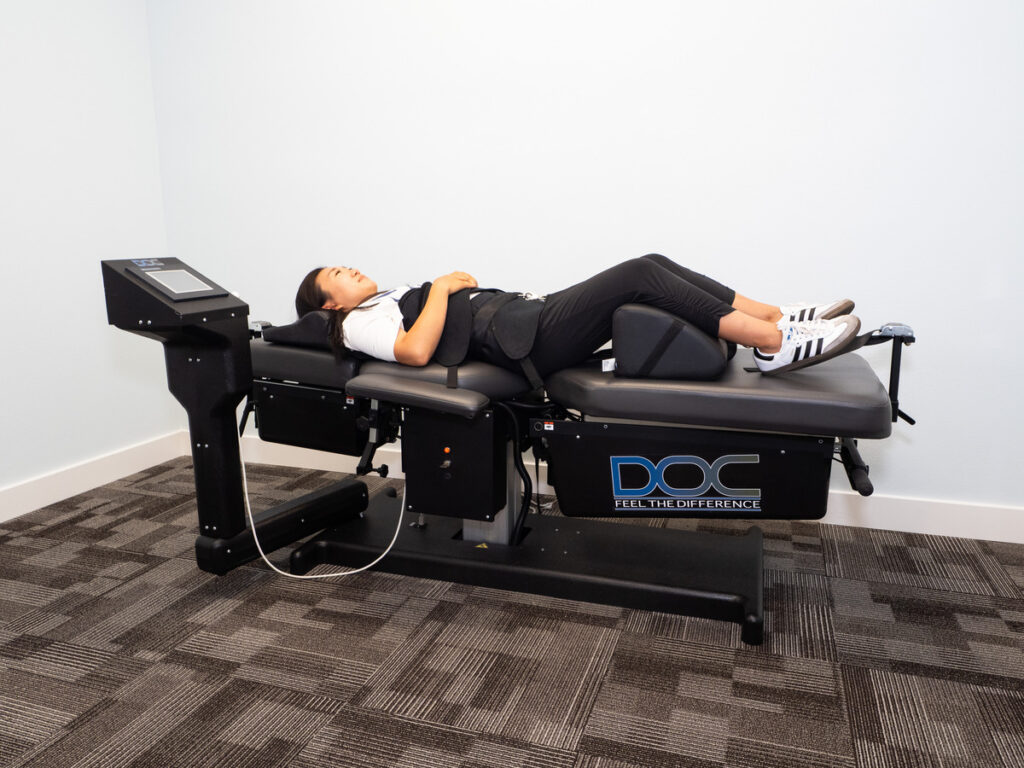
Chiropractic adjustments can help restore proper alignment to the vertebrae, which reduces uneven mechanical stress on the already-compromised discs. When the spine moves more freely and symmetrically, the surrounding muscles and ligaments do not have to compensate as heavily, and the overall load on degenerating discs is reduced. This does not reverse structural degeneration — nothing can do that without surgical intervention — but it can meaningfully reduce pain and improve function for many patients.
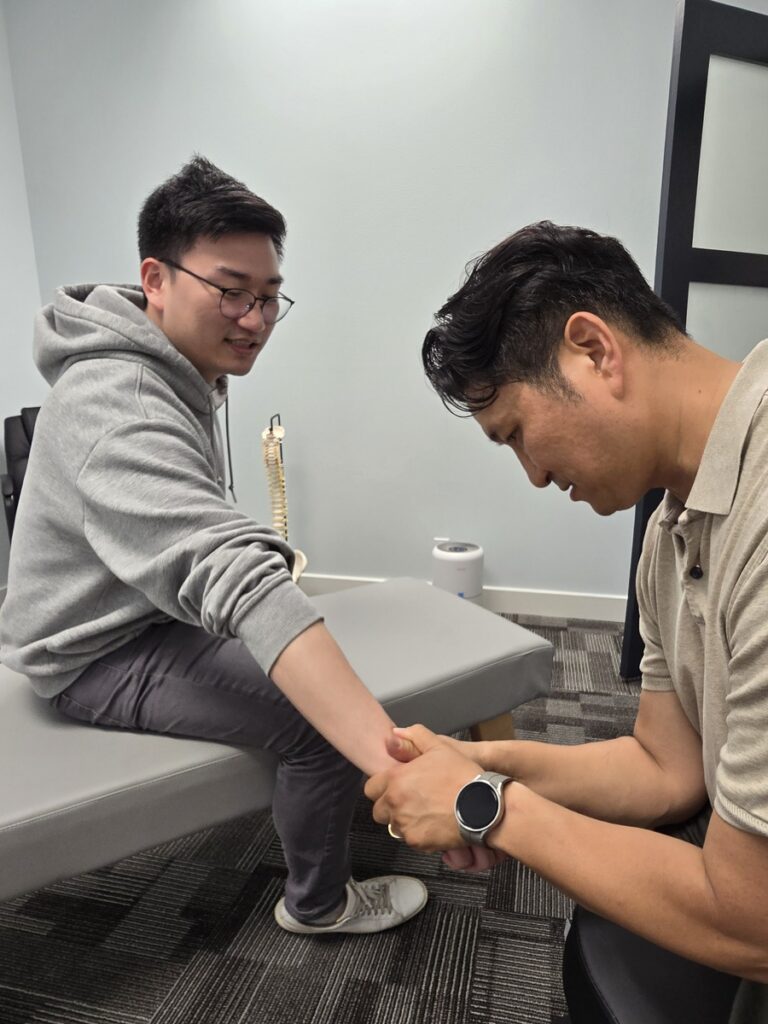
Beyond manual adjustments, chiropractic care at Revive Chiropractic may include soft tissue therapies to relieve muscle tension, rehabilitative exercises designed to strengthen the core muscles that support the spine, and postural coaching to address the daily habits that may be accelerating disc wear. The goal is always to help you live better, move more freely, and rely less on pain medications to get through your day.
Practical Tips for Managing Disc Health Daily
Managing degenerative disc disease is not something that only happens during your chiropractic visits. What you do between appointments — and throughout the rest of your life — has an enormous impact on how your spine ages and how much pain you experience day to day.
Movement is medicine. One of the biggest mistakes people with disc pain make is resting too much. While acute flare-ups may require temporary rest, prolonged inactivity causes the surrounding muscles to weaken and the discs to lose even more hydration. Low-impact activities like walking, swimming, and cycling keep fluid circulating through the discs and the muscles active without placing excessive load on the spine.
Pay attention to how you sit and stand. Prolonged sitting — especially with a slouched or rounded posture — compresses the lumbar discs and accelerates degeneration. If you work at a desk in Sunnyvale’s many tech offices or from home, taking regular movement breaks every 30 to 45 minutes makes a significant difference. A lumbar support cushion or an adjustable chair that keeps your hips at or slightly above knee level can help maintain healthier spinal curvature.
Hydration matters more than most people realize. The nucleus pulposus inside each disc is largely made of water, and it replenishes that water most effectively when you are well-hydrated and alternating between movement and rest. Staying consistently hydrated throughout the day is a simple but meaningful step. Additionally, maintaining a healthy weight reduces the compressive load on the lumbar discs, which is particularly important for individuals already dealing with degeneration.
When to See a Chiropractor
If you’ve been told you have degenerative disc disease, or if you suspect it based on your symptoms, a chiropractic evaluation is a reasonable and often excellent first step. Chiropractic care is particularly appropriate when your pain is chronic but manageable, when your symptoms are primarily mechanical (meaning they change with position or activity), or when you prefer to explore non-surgical options before considering more invasive treatments.
The chiropractors at Revive Chiropractic in Sunnyvale, CA work with patients at various stages of degeneration, from those in the early stages who want to be proactive, to those who have been dealing with chronic disc pain for years. Dr. Jae ho Roh conducts a thorough assessment to determine whether chiropractic care is appropriate for your specific presentation and will refer you to the appropriate specialist if your situation requires imaging, neurological evaluation, or co-management with another provider.
There are situations, however, where more immediate medical attention is warranted. If you experience sudden loss of bladder or bowel control, severe weakness in a limb, or intense pain following a trauma, please seek emergency medical care right away. These can be signs of a more serious spinal emergency that requires urgent evaluation. For everyone else, the sooner you address disc-related discomfort with professional support, the better your long-term outcomes tend to be.
Healthy vs. Degenerative Disc: A Side-by-Side Look
|
Feature |
Healthy Spinal Disc |
Degenerative Spinal Disc |
|---|---|---|
Hydration |
High water content; plump and resilient |
Reduced water content; flattened and stiff |
Height |
Full disc height maintained between vertebrae |
Reduced disc height; vertebrae move closer together |
Shock Absorption |
Excellent cushioning during movement and impact |
Diminished ability to absorb spinal load |
Flexibility |
Allows normal range of spinal motion |
Reduced flexibility; stiffness and restricted movement |
Nerve Risk |
Minimal pressure on surrounding nerve roots |
Possible bulging or bone spur formation near nerves |
Pain Pattern |
Typically pain-free with normal function |
May cause local aching, radiating pain, or numbness |
Myths vs. Facts About Degenerative Disc Disease
Myth: Degenerative Disc Disease Means Your Spine Is Falling Apart
Fact: The term “degenerative” is frightening, but it simply describes a natural aging process that happens to virtually everyone. Many people with visible disc degeneration on an MRI experience no pain at all. The diagnosis does not mean your spine is collapsing — it means your discs have changed, and those changes can be managed effectively with the right approach.
Myth: Rest Is the Best Treatment for Disc Pain
Fact: While rest may feel necessary during a severe flare-up, prolonged bed rest actually tends to worsen outcomes for most disc-related conditions. Evidence from organizations like NICE and the ACP supports staying active with appropriate movement rather than resting for extended periods. Consistent, gentle movement helps maintain disc hydration and prevents the muscular weakening that makes pain worse over time.
Myth: Surgery Is Inevitable with Degenerative Disc Disease
Fact: The vast majority of people with degenerative disc disease do not require surgery. Conservative care — including chiropractic, physical therapy, and exercise rehabilitation — is effective for managing symptoms in most cases. Surgery is generally considered only when conservative approaches have been exhausted and there is significant nerve compression causing functional impairment.
Myth: Chiropractic Adjustments Are Dangerous for Damaged Discs
Fact: When performed by a trained and licensed chiropractor, spinal adjustments are considered safe for the majority of patients with degenerative disc disease. Dr. Jae ho Roh at Revive Chiropractic carefully evaluates each patient before beginning care and modifies techniques as needed to ensure your safety and comfort. Not every technique is appropriate for every patient, and a good chiropractor always tailors their approach accordingly.
Myth: Young People Don’t Get Degenerative Disc Disease
Fact: While DDD is more common with age, it is not exclusively an older person’s condition. Research suggests that genetic factors, lifestyle habits, prior injuries, and even high-impact athletic activity can lead to measurable disc degeneration in people in their twenties and thirties. Early identification and proactive care can make a real difference in slowing progression and managing symptoms.
Final Thoughts from Revive Chiropractic
If you are living with degenerative disc disease, we hope this article has helped you see your situation with fresh eyes. A diagnosis is not a life sentence. It is information — and information empowers you to make better choices for your spine and your overall health. The Sunnyvale community deserves access to compassionate, evidence-informed care, and that is exactly what Dr. Jae ho Roh and the team at Revive Chiropractic are here to provide.
Whether you are newly diagnosed, dealing with a recent flare-up, or simply looking for a proactive approach to protecting your spinal health, Revive Chiropractic in Sunnyvale, CA is here to support you. We believe in educating every patient we work with — because understanding what is happening in your body is the first step toward healing it. You do not have to navigate this alone, and you do not have to simply accept pain as your new normal.
Frequently Asked Questions
Can degenerative disc disease be reversed?
Unfortunately, structural disc degeneration cannot be reversed — the changes to the disc’s composition are permanent. However, symptoms can absolutely be reduced and managed effectively through chiropractic care, exercise, and lifestyle modifications. Many patients experience significant improvement in their pain levels and quality of life without any surgical intervention.
Is degenerative disc disease the same as a herniated disc?
No, though they are related. Degenerative disc disease refers to the breakdown of disc structure over time, while a herniated disc refers specifically to the inner material of the disc pushing through the outer wall. That said, disc degeneration can increase the risk of herniation because a weakened disc is more susceptible to damage from everyday stress and movement.
How long does it take to feel better with chiropractic care for DDD?
The timeline varies significantly from person to person depending on the severity of degeneration, symptom duration, and how consistently a patient engages in their care plan. Some patients notice improvement within a few weeks, while others with more complex presentations may require longer-term management. Dr. Jae ho Roh at Revive Chiropractic will give you a realistic picture of what to expect based on your individual evaluation.
Can exercise make degenerative disc disease worse?
High-impact, repetitive loading exercises — such as heavy powerlifting or distance running on hard surfaces — can aggravate disc symptoms in some individuals. However, appropriate, low-impact movement is generally beneficial and strongly encouraged. The key is finding the right type and intensity of exercise for your specific condition, which is something your chiropractor can help you determine.
Is chiropractic care safe if I also have arthritis in my spine?
In most cases, yes. Spinal arthritis and degenerative disc disease frequently coexist, and chiropractors are trained to work with patients who have both. Techniques are adapted to account for the degree of joint degeneration present. As always, a thorough intake evaluation helps ensure care is appropriate and safe for your specific combination of conditions.
Should I get an MRI before seeing a chiropractor for disc pain?
Not necessarily. For most cases of chronic or recurring back pain without serious red flags, an MRI is not required before beginning conservative chiropractic care. If your evaluation reveals signs that warrant imaging, Dr. Jae ho Roh will refer you for the appropriate diagnostics. In many straightforward cases, a thorough physical and orthopedic assessment provides sufficient information to begin care safely.
TL;DR Summary
-
Degenerative disc disease is a natural aging process, not a true “disease,” and it does not automatically mean a lifetime of pain or inevitable surgery.
-
Common contributors include aging, poor posture, prolonged sitting, genetics, and prior spinal injuries — many of which can be addressed with lifestyle changes.
-
Symptoms range from local aching and stiffness to radiating nerve pain, and not everyone with degeneration experiences pain at all.
-
Chiropractic care — including spinal adjustments, soft tissue therapy, and rehabilitative guidance — is a proven conservative option for managing DDD symptoms.
-
Staying active, maintaining good posture, staying hydrated, and seeing Dr. Jae ho Roh at Revive Chiropractic in Sunnyvale, CA are meaningful steps toward protecting your long-term spinal health.