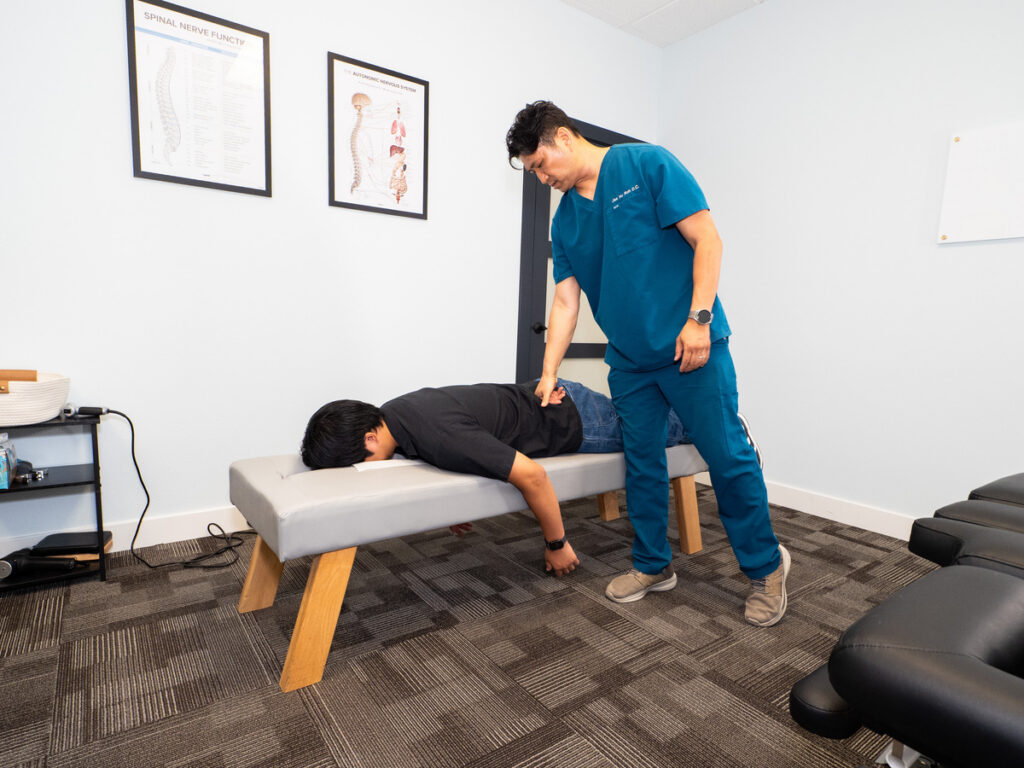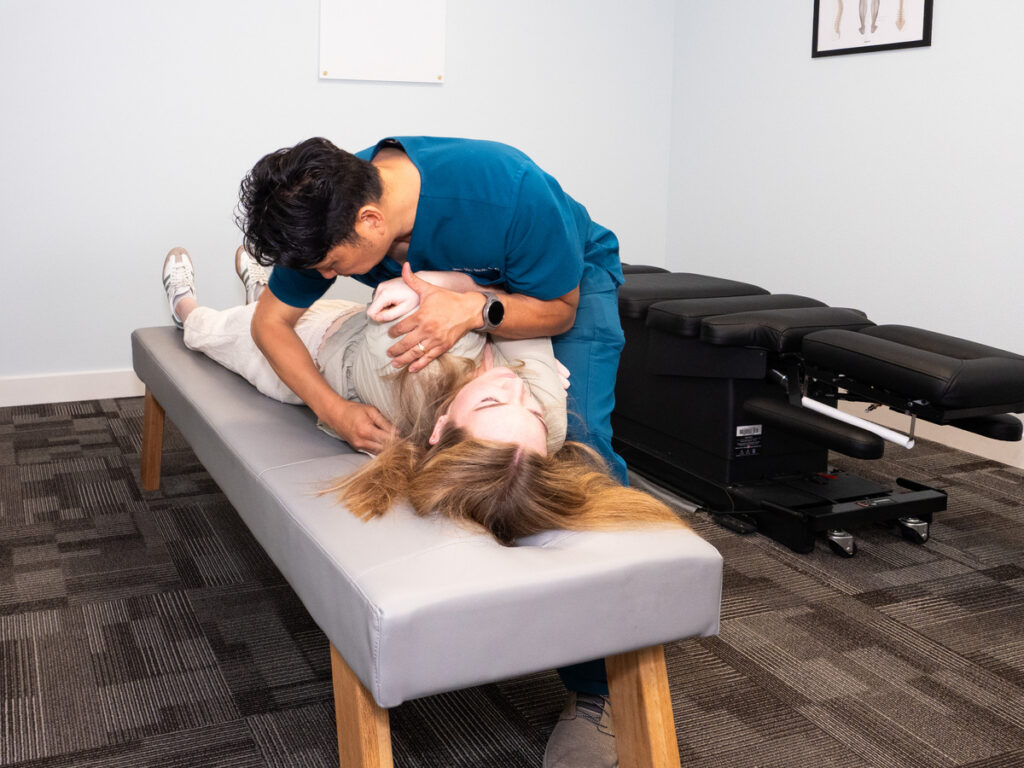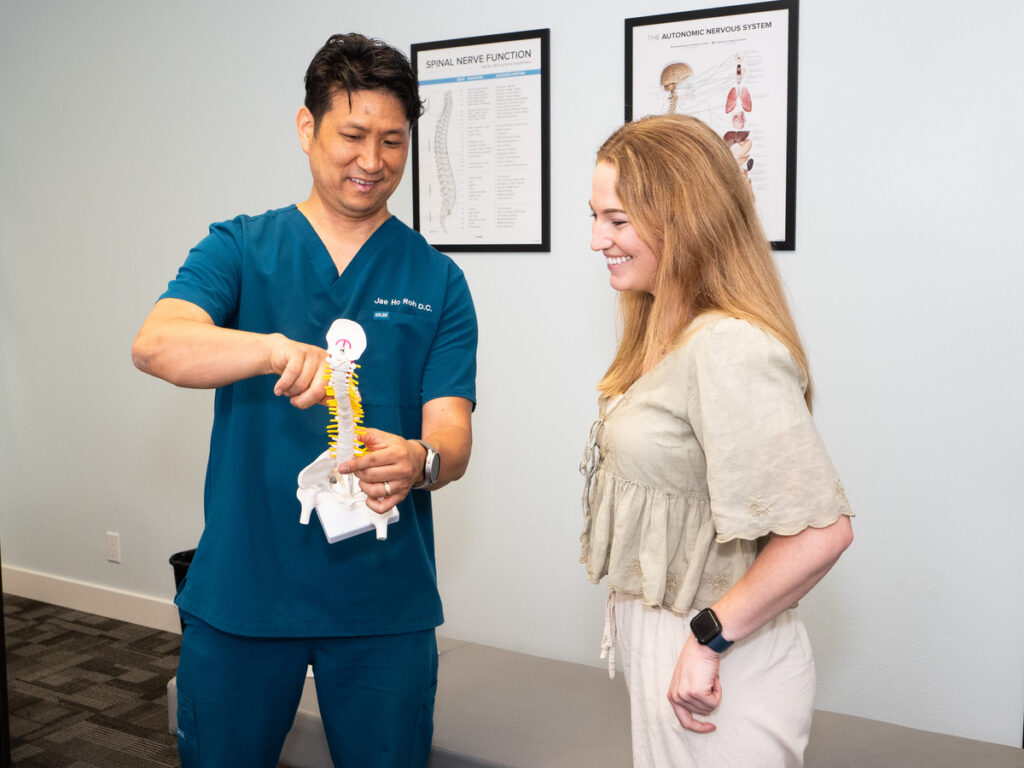


Car accidents happen in an instant, but the effects can linger for weeks, months, or even years. If you’ve recently been in a collision—even a minor fender bender—you might be wondering why your neck feels stiff, your shoulders ache, or you’re experiencing headaches that weren’t there before. These symptoms could be signs of whiplash, one of the most common injuries following a car accident. Here in Sunnyvale, CA, Dr. Jae Ho Roh and the team at Revive Chiropractic see patients dealing with whiplash injuries every week. Understanding what whiplash is, how it affects your body, and what steps you can take to recover is essential for protecting your long-term health and wellbeing.
What is whiplash? Whiplash is a neck injury caused by a rapid, forceful back-and-forth movement of the head and neck—similar to the cracking of a whip. This sudden motion stretches and tears the soft tissues in your neck, including muscles, ligaments, tendons, and nerves. While whiplash most commonly occurs during rear-end car accidents, it can also happen in side-impact collisions, sports injuries, or physical assaults.
Table of Contents
- Understanding Whiplash: The Mechanics of Injury
- Common Causes and Risk Factors
- Signs and Symptoms to Watch For
- Why Immediate Care Matters
- The Chiropractic Approach to Whiplash Recovery
- Practical Recovery Tips and Self-Care Strategies
- When to Seek Professional Care
- Myths vs. Facts About Whiplash
- Final Thoughts
Understanding Whiplash: The Mechanics of Injury
To truly understand whiplash, it helps to know what’s happening to your body during a collision. Your head weighs approximately 10-12 pounds—about the weight of a bowling ball. During a car accident, even at low speeds, your body is restrained by the seatbelt while your head continues moving forward or backward due to inertia.
This creates a whipping motion that places tremendous strain on the delicate structures of your cervical spine. The seven vertebrae in your neck are designed for flexibility and range of motion, but they’re not built to handle the extreme forces generated during a collision. When your head snaps forward and then backward (or vice versa), several things happen simultaneously.
The muscles and ligaments that support your neck stretch beyond their normal range. This overstretching can cause microscopic tears in the tissue fibers. The facet joints—small joints located between and behind adjacent vertebrae—can become irritated or misaligned. The intervertebral discs that cushion your vertebrae may bulge or tear. Nerve roots can become compressed or inflamed. All of these factors contribute to the pain, stiffness, and dysfunction associated with whiplash.
What makes whiplash particularly challenging is that the injury occurs at a structural level that doesn’t always show up on standard X-rays. Soft tissue damage, nerve irritation, and subtle misalignments may not be visible on imaging, yet they create very real symptoms that impact your daily life. This is why many people leave the emergency room after an accident feeling confused—they’re told nothing is broken, yet they’re in significant pain.
Common Causes and Risk Factors
While rear-end collisions are the most frequent cause of whiplash injuries, they’re not the only scenario where this injury occurs. Understanding the various causes and risk factors can help you recognize when you might be at risk and take appropriate precautions.
Rear-end collisions account for approximately 85% of whiplash cases. When your vehicle is struck from behind, your body is pushed forward while your head initially stays in place, then snaps backward over the seat. This creates the classic hyperextension followed by hyperflexion that defines whiplash. Even low-speed impacts between 5-10 mph can generate enough force to cause injury.
Side-impact accidents can also cause whiplash, though the mechanism is slightly different. Your head is forced laterally (to the side) rather than forward and backward. This lateral whiplash can injure different muscle groups and create unique symptom patterns. T-bone accidents at intersections are common scenarios for this type of injury, especially here in Sunnyvale where busy streets like El Camino Real and Mathilda Avenue see heavy traffic.
Certain factors can increase your vulnerability to whiplash. If you’re not aware that a collision is about to occur, your neck muscles aren’t braced for impact, making injury more likely. The position of your headrest matters significantly—if it’s too low or too far back, it won’t properly support your head during a collision. Previous neck injuries or degenerative conditions like arthritis can make the tissues more susceptible to damage. Age also plays a role, as older adults tend to have less flexible tissues that are more easily injured.
Women statistically experience whiplash more frequently than men, possibly due to differences in neck muscle strength and cervical spine anatomy. Small-statured individuals may also be at higher risk because they have less muscle mass to absorb the forces generated during impact.
Signs and Symptoms to Watch For
One of the most confusing aspects of whiplash is that symptoms often don’t appear immediately after an accident. You might walk away from a collision feeling perfectly fine, only to wake up the next morning with severe neck pain and stiffness. This delayed onset is completely normal and occurs because inflammation and muscle spasm take time to develop.
Neck pain and stiffness are the hallmark symptoms of whiplash. The pain typically worsens with movement and may be accompanied by a significant reduction in your range of motion. You might find it difficult to turn your head to check your blind spot while driving, look over your shoulder, or tilt your head up or down. Many patients at Revive Chiropractic describe feeling like their neck is “locked up” or “frozen” in certain positions.
Headaches are extremely common after whiplash injuries. These headaches typically start at the base of the skull and radiate forward toward the forehead or temples. They’re caused by muscle tension, nerve irritation, or dysfunction in the upper cervical joints. Some people describe these as tension-type headaches, while others experience more severe, migraine-like symptoms with light sensitivity and nausea.
Shoulder pain and upper back discomfort frequently accompany neck symptoms. The muscles of your shoulders, upper back, and neck work together as a functional unit. When the neck is injured, the surrounding muscles often go into protective spasm, creating widespread pain and tightness. You might notice that your shoulders feel elevated or that you’re unconsciously tensing your upper trapezius muscles.
Tingling, numbness, or weakness in the arms and hands can indicate nerve involvement. When the nerves that exit your cervical spine become compressed or irritated, they can send abnormal signals down into your upper extremities. This is known as cervical radiculopathy. You might experience pins-and-needles sensations, areas of numbness, or difficulty gripping objects.
Dizziness and balance problems sometimes occur after whiplash, particularly when there’s been injury to the upper cervical spine or the vestibular system. Some patients report feeling lightheaded when they turn their head quickly or change positions. This can be particularly concerning and may interfere with driving or other daily activities.
Cognitive symptoms like difficulty concentrating, memory problems, and mental fog are more common than many people realize. These symptoms may be related to pain interfering with your ability to focus, disrupted sleep patterns, or in some cases, mild traumatic brain injury that occurred during the accident.
Sleep disturbances affect many whiplash patients. Pain makes it difficult to find a comfortable sleeping position, and the body’s stress response to injury can interfere with normal sleep cycles. This creates a vicious cycle where poor sleep impairs healing and increases pain sensitivity.
Why Immediate Care Matters
Many people make the mistake of adopting a “wait and see” approach after a car accident. They assume their symptoms will resolve on their own with time and rest. While some mild cases do improve without intervention, research suggests that early, appropriate care significantly improves outcomes and reduces the risk of chronic pain.
When soft tissue injuries aren’t addressed properly, several problems can develop. Scar tissue may form in muscles and ligaments, creating permanent restrictions in flexibility and range of motion. Misalignments in the cervical spine can persist, leading to abnormal movement patterns and accelerated degenerative changes. Chronic pain patterns can become established in the nervous system, making symptoms more difficult to resolve over time.
Evidence indicates that patients who receive conservative care early in their recovery process experience better long-term outcomes than those who delay treatment. A comprehensive study published in the journal Spine found that early mobilization and therapeutic intervention reduced pain and improved function more effectively than rest or delayed treatment.
The first few weeks after a whiplash injury represent a critical window for intervention. During this time, inflammation is active, muscle spasm patterns are forming, and your body is beginning its healing process. Appropriate care during this period can guide your recovery in a positive direction and prevent the development of chronic symptoms.
That’s why Dr. Jae Ho Roh at Revive Chiropractic encourages Sunnyvale residents to seek evaluation shortly after any car accident, even if symptoms seem mild initially. Early assessment allows for proper documentation of injuries, identification of all affected areas, and implementation of a personalized care plan before complications develop.
The Chiropractic Approach to Whiplash Recovery
Chiropractic care offers a conservative, non-invasive approach to whiplash recovery that addresses the underlying structural and biomechanical problems created by the injury. Rather than simply masking symptoms with medication, chiropractic treatment focuses on restoring proper alignment, reducing inflammation, improving function, and supporting your body’s natural healing processes.
At Revive Chiropractic in Sunnyvale, the approach to whiplash begins with a thorough evaluation. Dr. Jae Ho Roh performs a detailed history to understand the mechanism of injury, your symptoms, and how they’re affecting your daily life. This is followed by orthopedic and neurological testing to assess range of motion, muscle strength, reflexes, and nerve function. Palpation helps identify areas of muscle spasm, joint restriction, and tissue tenderness.
The initial focus of care is on reducing inflammation and muscle spasm. Gentle techniques are used in the early stages when tissues are most sensitive. As healing progresses and acute symptoms subside, treatment becomes more focused on restoring normal joint mechanics, improving range of motion, and rehabilitating weakened or deconditioned muscles.
Spinal adjustments are a cornerstone of chiropractic whiplash care. These gentle, specific manipulations restore proper alignment and movement to restricted joints in the cervical spine. When joints aren’t moving correctly, they create abnormal stress on surrounding tissues and interfere with normal biomechanics. Adjustments help normalize joint function, reduce nerve irritation, and improve overall neck mobility.
Soft tissue therapies complement spinal adjustments by addressing muscle tension, trigger points, and fascial restrictions. Techniques like massage, myofascial release, and instrument-assisted soft tissue mobilization help break up scar tissue, improve blood flow, and reduce muscle spasm. These therapies are particularly important for addressing the muscular component of whiplash injuries.
Therapeutic exercises and stretches are gradually introduced as part of your rehabilitation program. These exercises serve multiple purposes: they help restore normal range of motion, strengthen weakened muscles, improve posture, and retrain proper movement patterns. Your chiropractor will provide specific exercises tailored to your injury and recovery stage.
Modalities like heat therapy, cold therapy, electrical stimulation, or therapeutic ultrasound may be used to manage pain, reduce inflammation, and promote healing. These are typically used as adjuncts to manual therapy rather than standalone treatments.
One of the key advantages of chiropractic care for whiplash is the individualized nature of treatment. No two whiplash injuries are exactly alike, and your care plan is customized based on the specific nature of your injury, your symptoms, your overall health status, and your recovery goals. Care evolves as you progress, with adjustments made based on your response and improvement.
Practical Recovery Tips and Self-Care Strategies
While professional care is essential for whiplash recovery, what you do at home between appointments significantly impacts your healing. These practical strategies can support your body’s recovery process and help you feel better faster.
In the first 48-72 hours after injury, gentle ice application can help control inflammation and provide pain relief. Apply an ice pack wrapped in a thin towel to your neck for 15-20 minutes at a time, several times per day. After the initial inflammatory phase passes, alternating between heat and cold can be beneficial. Heat helps relax tight muscles and improve blood flow, while cold reduces inflammation and numbs pain.
Rest is important, but complete immobilization is not recommended. Prolonged use of a soft cervical collar can actually delay recovery by allowing muscles to weaken and joints to stiffen. Modern evidence suggests that gentle, pain-free movement helps promote healing and prevents the development of chronic stiffness. Your chiropractor can guide you on appropriate activity levels during each stage of recovery.
Sleeping position matters more than you might think. Use a supportive pillow that maintains the natural curve of your neck. Avoid stomach sleeping, which forces your neck into rotation for extended periods. Side sleeping or back sleeping with proper pillow support is typically most comfortable. Some patients find relief using a cervical roll or specialty orthopedic pillow.
Be mindful of your posture throughout the day. Forward head posture places additional strain on injured neck structures and can slow healing. Think about keeping your ears aligned over your shoulders, your shoulders relaxed, and your chest open. When using electronic devices, bring them up to eye level rather than looking down for extended periods.
Avoid activities that exacerbate your symptoms. Heavy lifting, overhead reaching, prolonged sitting, and jarring activities should be minimized during the acute healing phase. As you improve, you can gradually return to normal activities under your chiropractor’s guidance.
Stay hydrated and maintain good nutrition. Proper hydration supports tissue healing and helps flush inflammatory byproducts from injured areas. A diet rich in anti-inflammatory foods like fruits, vegetables, omega-3 fatty acids, and lean proteins provides the building blocks your body needs for repair.
Manage stress levels as best you can. Stress increases muscle tension, interferes with sleep, and can amplify pain perception. Gentle activities like walking, deep breathing exercises, or meditation can help calm your nervous system and support recovery.
Keep a symptom diary to track your progress. Note your pain levels, activities that increase or decrease symptoms, and how you’re responding to treatment. This information helps your chiropractor fine-tune your care plan and provides valuable documentation of your recovery trajectory.
| Activity | Helpful During Recovery | Potentially Harmful During Recovery |
|---|---|---|
| Head Position | Neutral alignment, ears over shoulders | Forward head posture, prolonged looking down |
| Movement | Gentle, pain-free range of motion exercises | Complete immobilization, jarring movements |
| Sleep | Side or back sleeping with supportive pillow | Stomach sleeping, excessive pillows causing neck flexion |
| Work Setup | Monitor at eye level, frequent breaks, ergonomic chair | Prolonged sitting, poor desk ergonomics, looking down at laptop |
| Physical Activity | Gentle walking, stretching as tolerated | Heavy lifting, contact sports, high-impact exercise |
| Temperature Therapy | Ice in first 72 hours, alternating heat/cold afterward | Excessive heat in acute phase, sleeping with heating pad |
When to Seek Professional Care
Many people wonder whether their symptoms warrant professional evaluation or if they should simply wait for things to improve on their own. While every situation is unique, certain signs indicate that chiropractic evaluation would be beneficial.
Seek care if you experience neck pain or stiffness within days of a car accident, even if symptoms initially seemed mild. The delayed onset of whiplash symptoms is common, and early intervention supports better outcomes. If your pain persists beyond a few days despite rest and home care, professional assessment can identify underlying problems that need attention.
Headaches that develop after a car accident, especially if they’re persistent or worsening, should be evaluated. Post-traumatic headaches can become chronic if the underlying cervical dysfunction isn’t addressed. Numbness, tingling, or weakness in your arms or hands indicates possible nerve involvement that requires professional attention.
Difficulty performing normal daily activities due to pain or stiffness suggests that your injury is significant enough to benefit from treatment. If you’re missing work, avoiding activities you enjoy, or struggling with basic tasks like dressing or driving, don’t wait to seek help.
Pain that radiates into your shoulders, upper back, or down your arms may indicate more extensive soft tissue involvement or nerve irritation. Dizziness, balance problems, or vision changes following an accident should be evaluated to rule out more serious complications.
Certain red flags require immediate medical attention rather than chiropractic care alone. Seek emergency care if you experience severe headache that comes on suddenly, loss of consciousness, confusion or disorientation, difficulty speaking or swallowing, fever accompanied by neck pain and stiffness, weakness or numbness in multiple extremities, or loss of bowel or bladder control. These symptoms could indicate serious complications requiring medical intervention.
For most whiplash cases, however, chiropractic care provides an appropriate first-line conservative approach. Dr. Jae Ho Roh and the team at Revive Chiropractic work collaboratively with medical providers when necessary, ensuring you receive comprehensive care appropriate to your specific situation.
Myths vs. Facts About Whiplash
Myth: Whiplash Only Occurs in High-Speed Accidents
Fact: Whiplash can occur at speeds as low as 5-10 mph. The sudden acceleration-deceleration forces, not just speed, determine injury risk. Even minor fender benders can cause significant soft tissue damage, which is why it’s important to get evaluated after any collision, regardless of vehicle damage.
Myth: If You Don’t Feel Pain Immediately, You Weren’t Injured
Fact: Delayed symptom onset is extremely common with whiplash injuries. Inflammation, muscle spasm, and tissue swelling develop gradually over 24-72 hours following injury. Many patients at Revive Chiropractic report feeling fine at the accident scene but developing severe symptoms the next day.
Myth: Rest and a Neck Brace Are the Best Treatments
Fact: Current evidence suggests that prolonged immobilization and excessive rest can actually delay recovery and lead to chronic problems. Gentle movement, appropriate manual therapy, and early mobilization are now recognized as more effective approaches. Soft cervical collars should only be used short-term and under professional guidance.
Myth: X-rays Will Show Whiplash Injuries
Fact: Whiplash is primarily a soft tissue injury affecting muscles, ligaments, tendons, and discs. Standard X-rays show bones but don’t reveal soft tissue damage. This is why you can have negative X-rays yet still experience significant pain and dysfunction. Specialized assessment techniques are needed to properly evaluate whiplash injuries.
Myth: Whiplash Always Heals Completely on Its Own
Fact: While some mild cases resolve without intervention, research indicates that a significant percentage of whiplash patients develop chronic symptoms when injuries aren’t properly addressed. Studies suggest that 15-40% of whiplash patients experience persistent symptoms beyond one year. Early, appropriate care significantly improves the likelihood of complete recovery.
Final Thoughts
Car accidents and whiplash injuries are stressful, confusing experiences that can impact every aspect of your daily life. The good news is that with proper care, most people recover well and return to their normal activities. Understanding what’s happening in your body, recognizing the importance of early intervention, and taking an active role in your recovery process all contribute to better outcomes.
Here in Sunnyvale, California, the team at Revive Chiropractic is committed to helping car accident victims recover from whiplash injuries using safe, effective, conservative care. Dr. Jae Ho Roh brings years of experience in treating post-accident injuries and takes a compassionate, patient-centered approach to every case. Whether your accident happened on Lawrence Expressway, El Camino Real, or anywhere else in the Bay Area, Revive Chiropractic is here to support your healing journey.
If you’ve been in a car accident recently, don’t wait for symptoms to become severe or chronic. Early evaluation and treatment give you the best chance for a complete recovery. Remember that your health and wellbeing deserve attention and care, and seeking help is a sign of wisdom, not weakness. The path to recovery begins with a single step—and that step might be picking up the phone to schedule an evaluation.
Frequently Asked Questions
How long does it take to recover from whiplash?
Recovery time varies depending on injury severity, but most patients see significant improvement within 6-12 weeks with appropriate care. Mild cases may resolve in 2-4 weeks, while more severe injuries can take several months. Early intervention and consistent treatment typically lead to faster recovery times.
Can whiplash symptoms appear days or weeks after an accident?
Yes, delayed symptom onset is very common with whiplash injuries. Symptoms can appear anywhere from immediately after the accident to 72 hours or even a week later as inflammation develops and muscles go into spasm. This is why it’s important to be evaluated even if you feel fine initially.
Will I need X-rays or other imaging for whiplash?
X-rays are often taken to rule out fractures or dislocations, but they don’t show soft tissue damage. Your chiropractor may recommend X-rays to assess spinal alignment and rule out serious injury. Advanced imaging like MRI is typically reserved for cases with neurological symptoms or when conservative care isn’t producing expected results.
Is chiropractic care safe after a car accident?
Yes, chiropractic care is considered a safe, conservative treatment option for whiplash when performed by a licensed professional. Chiropractors are trained to recognize when injuries require medical referral and use gentle techniques appropriate for acute injuries. Research supports the safety and effectiveness of chiropractic care for whiplash-associated disorders.
Can I still work with whiplash?
This depends on your job duties and injury severity. Desk jobs may be manageable with proper ergonomics and frequent breaks, though you may need modified duties initially. Physically demanding jobs often require temporary restrictions. Your chiropractor can provide guidance on appropriate work accommodations during recovery.
What if my symptoms don’t improve with treatment?
Most whiplash patients respond well to conservative chiropractic care, but some cases are more complex. If symptoms aren’t improving as expected, your chiropractor may order additional imaging, adjust your treatment plan, or refer you to other specialists. Persistent or worsening symptoms warrant thorough re-evaluation to ensure nothing has been missed.
TL;DR – Key Takeaways
- Whiplash is a neck injury caused by rapid back-and-forth head movement during car accidents, even at low speeds of 5-10 mph, and can cause lasting damage to muscles, ligaments, and joints.
- Symptoms often appear 24-72 hours after an accident and can include neck pain, stiffness, headaches, shoulder pain, numbness in arms, dizziness, and difficulty concentrating.
- Early chiropractic care significantly improves recovery outcomes by addressing misalignments, reducing inflammation, and restoring proper function through adjustments, soft tissue therapy, and rehabilitation exercises.
- Home care strategies like appropriate rest (not immobilization), gentle movement, proper sleeping position, good posture, and ice/heat therapy support professional treatment and speed recovery.
- Seek evaluation at Revive Chiropractic in Sunnyvale if you experience any neck symptoms after a car accident—waiting can lead to chronic pain patterns and delayed healing that could have been prevented with early intervention.