
If you’re pregnant and experiencing hip pain, you’re not alone. Many moms-to-be in Sunnyvale and throughout the Bay Area find themselves dealing with discomfort in their hips as their bodies change to accommodate a growing baby. This pain can make sleeping difficult, walking uncomfortable, and even simple daily activities feel challenging. The good news is that hip pain during pregnancy is common, manageable, and often responds well to gentle, conservative care approaches like chiropractic treatment.
Hip pain in pregnancy isn’t just something you have to “push through.” Understanding why it happens and what you can do about it empowers you to take an active role in your comfort and wellness during this special time. At Revive Chiropractic in Sunnyvale, CA, we work with expecting mothers to help them navigate the physical changes of pregnancy with less discomfort and more confidence.
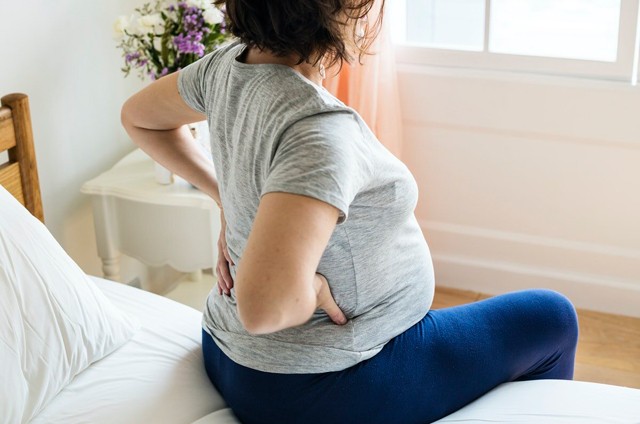
What is hip pain in pregnancy? Hip pain during pregnancy refers to discomfort, aching, or sharp sensations in the hip joint, pelvis, or surrounding muscles. This pain typically develops as the body undergoes hormonal and biomechanical changes to prepare for childbirth. It can occur on one or both sides and often worsens with prolonged standing, walking, or lying on one side.
Table of Contents
- Why Hip Pain Happens During Pregnancy
- Common Symptoms and When They Appear
- How Pregnancy Changes Your Biomechanics
- How Chiropractic Care Supports Pregnant Women
- Practical Tips for Managing Hip Pain at Home
- When to See a Chiropractor
- Treatment Options Comparison
- Myths vs. Facts About Pregnancy Hip Pain
- Supporting Your Pregnancy Journey
- Frequently Asked Questions
- TL;DR Summary
Why Hip Pain Happens During Pregnancy
Pregnancy transforms your body in remarkable ways, and these changes can create the perfect conditions for hip discomfort. Understanding the underlying causes helps you make sense of what you’re experiencing.
One of the primary culprits is a hormone called relaxin. Your body produces relaxin to soften ligaments and prepare the pelvis for childbirth. While this is essential for delivery, it also means the joints in your pelvis and hips become more mobile and less stable than usual. This increased laxity can lead to altered movement patterns and strain on surrounding muscles.
Weight gain during pregnancy is healthy and necessary, but the extra pounds change how forces distribute through your body. Your center of gravity shifts forward as your belly grows, altering your posture and gait. This places additional stress on your hips, lower back, and pelvis.
The growing uterus itself can contribute to hip pain. As it expands, it can put pressure on nerves in the pelvic region, including the sciatic nerve, which can refer pain into the hip and leg. Additionally, changes in sleeping positions due to your growing belly often mean spending more time on your side, which can compress hip joints and irritate the trochanteric bursa (a fluid-filled sac near the hip joint).
Pelvic girdle pain is another common contributor. This condition involves dysfunction in the sacroiliac joints (where your spine meets your pelvis) and the pubic symphysis (the joint at the front of your pelvis). When these joints don’t move properly, the surrounding muscles work harder to compensate, creating tension and discomfort in the hip region.
Common Symptoms and When They Appear
Hip pain during pregnancy presents differently for different women, but certain patterns are quite common. Many expecting mothers first notice discomfort during the second trimester, though some experience it earlier or later.
The pain often feels like a deep ache on one or both sides of the hips. Some women describe it as a sharp, stabbing sensation when they change positions, like getting out of bed or a car. Others experience a dull, constant discomfort that worsens throughout the day.
Nighttime hip pain is particularly common. Many pregnant women in Sunnyvale tell us that sleeping becomes increasingly difficult as pregnancy progresses. Lying on one side for extended periods can create pressure points and discomfort. You might find yourself waking frequently to shift positions, which disrupts your sleep quality at a time when rest is especially important.
Walking or climbing stairs may become uncomfortable. Some moms-to-be notice a clicking or popping sensation in their hips, or they might develop a slight limp as they unconsciously try to protect the painful side. Standing from a seated position can trigger sharp pain, and prolonged standing or walking can leave your hips feeling exhausted and sore.
The pain may also radiate. It’s not uncommon to feel discomfort extending into your lower back, buttocks, groin, or down the front or side of your thigh. This referred pain happens because the nerves and muscles in these areas are interconnected.
How Pregnancy Changes Your Biomechanics
To understand hip pain in pregnancy, it helps to understand the biomechanical symphony happening in your body. Your musculoskeletal system is constantly adapting to maintain balance and function as your baby grows.
Your pelvis is made up of several bones connected by joints: two sacroiliac joints in the back and the pubic symphysis in front. Normally, these joints have minimal movement. During pregnancy, relaxin increases their mobility to allow the pelvis to expand during delivery. This is beneficial for childbirth but creates instability that your muscles must compensate for.
As your belly grows, your lumbar spine (lower back) typically increases its curve to counterbalance the forward weight. This increased lumbar lordosis shifts how forces transfer through your spine and pelvis. Your hip flexors (muscles at the front of your hips) often become tight and shortened in this new posture, while your gluteal muscles (in your buttocks) may become overstretched and weakened.
Your gait changes too. Many pregnant women develop a “waddle” as their hips widen and their center of gravity shifts. This altered walking pattern places different stresses on hip joints and can fatigue muscles that aren’t accustomed to working in these new patterns.
The weight of your growing uterus also affects your diaphragm and ribcage, which can influence how your core muscles function. A strong, coordinated core helps stabilize your pelvis and hips. When core function is compromised, your hips may take on additional stabilizing work, leading to muscle fatigue and pain.
How Chiropractic Care Supports Pregnant Women
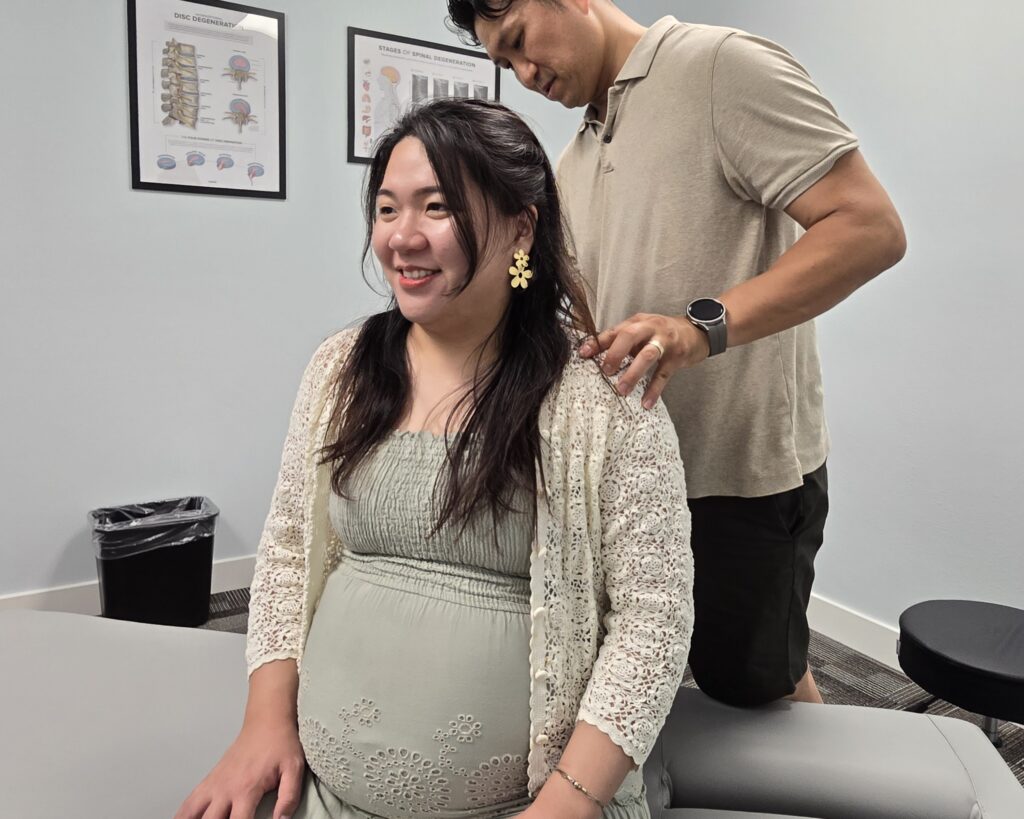
Chiropractic care offers a gentle, drug-free approach to managing hip pain during pregnancy. At Revive Chiropractic in Sunnyvale, we understand that pregnancy requires specialized knowledge and modified techniques to ensure both mom and baby remain safe and comfortable.
Prenatal chiropractic care focuses on optimizing pelvic alignment and joint function. When your pelvis moves properly and maintains good alignment, it reduces unnecessary strain on surrounding muscles and ligaments. This can significantly decrease hip pain and improve your overall comfort.
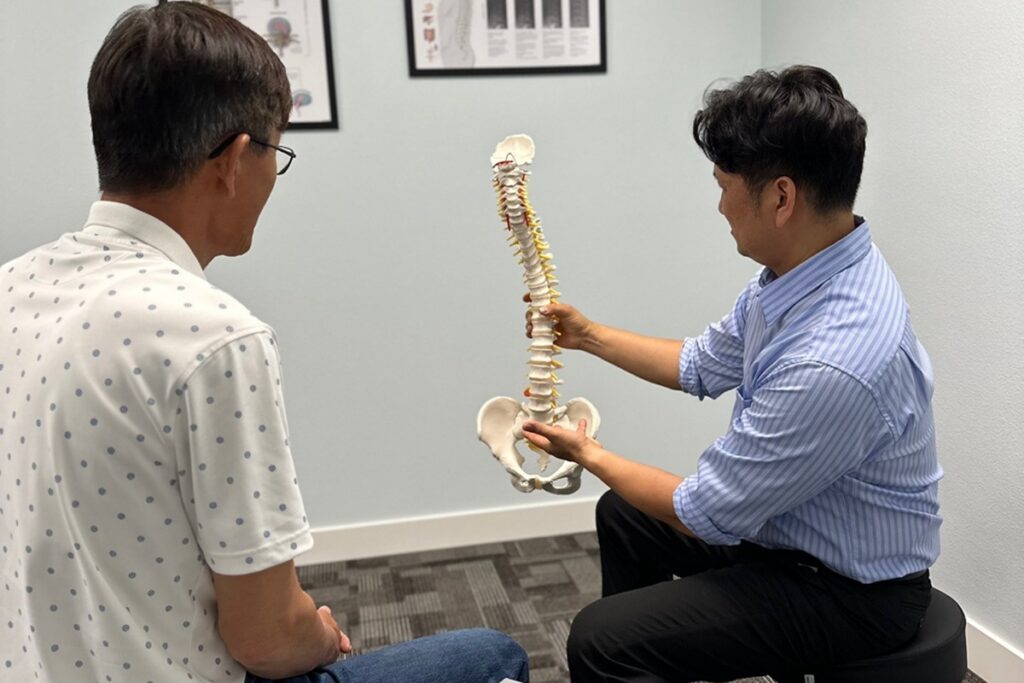
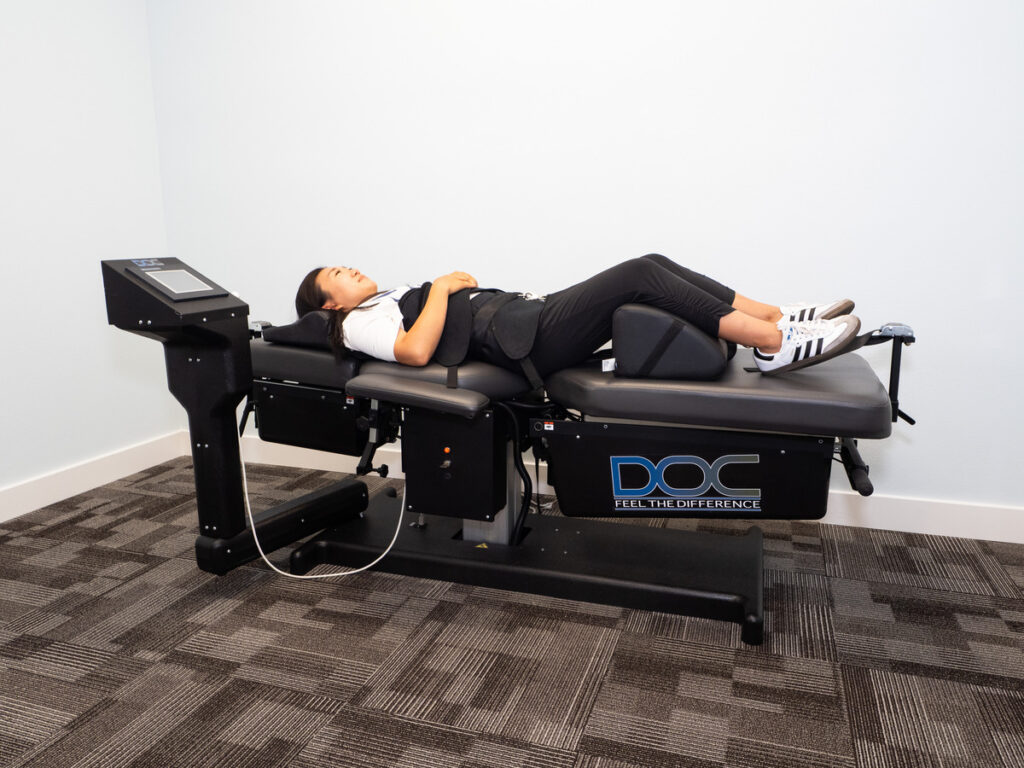
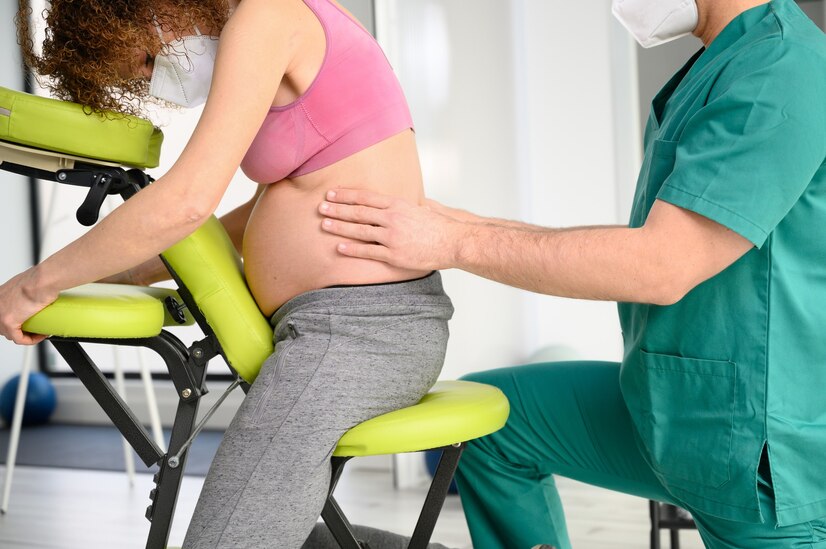
Chiropractors trained in prenatal care use gentle adjustments specifically designed for pregnant bodies. These techniques avoid pressure on the abdomen and use specialized pregnancy pillows that allow you to lie comfortably face-down or on your side. The Webster Technique, for example, is a specific chiropractic analysis and adjustment that addresses sacral subluxation and improves pelvic alignment.
Research suggests that chiropractic care during pregnancy may help reduce pain and improve function. A review in the Journal of Manipulative and Physiological Therapeutics indicated that conservative manual therapy approaches can be beneficial for pregnancy-related back and pelvic pain. The American Pregnancy Association recognizes chiropractic care as safe during pregnancy when performed by a qualified professional.
During your visits to Revive Chiropractic, Dr. Jae ho Roh will assess how your spine and pelvis are functioning as a whole system. Treatment isn’t just about the painful area—it’s about understanding how your entire body is adapting to pregnancy and supporting those adaptations in healthy ways.
Beyond adjustments, chiropractors can provide guidance on exercises, stretches, and posture modifications specific to pregnancy. We can recommend supportive devices like pregnancy belts if appropriate and teach you body mechanics that protect your hips during daily activities.
Practical Tips for Managing Hip Pain at Home
While professional care is valuable, there’s much you can do at home to manage hip pain during pregnancy. These practical strategies can make a real difference in your daily comfort.
Sleep positioning is crucial. Try sleeping on your side (preferably your left side for optimal blood flow) with a pillow between your knees. This keeps your hips aligned and reduces pressure on the top hip. Some women find a full-length pregnancy pillow helpful for supporting their entire body. Placing a small pillow under your belly can also reduce strain.
Stay active with pregnancy-safe movement. Gentle walking, prenatal yoga, and swimming are excellent options that keep your muscles engaged without excessive impact. Movement helps maintain hip mobility and prevents muscles from becoming stiff. Many Sunnyvale gyms and yoga studios offer prenatal classes designed specifically for expecting mothers.
Practice good posture throughout the day. When sitting, use a small pillow or rolled towel to support your lower back. Keep your feet flat on the floor and avoid crossing your legs, which can torque your pelvis. When standing, distribute your weight evenly on both feet rather than shifting to one hip.
Apply heat or cold therapy as needed. A warm bath or heating pad can relax tight hip muscles, while ice can reduce inflammation if a specific area feels swollen or irritated. Always place a cloth barrier between your skin and heat or ice sources.
Wear supportive footwear. Avoid high heels and opt for shoes with good arch support and cushioning. This helps maintain proper alignment from your feet up through your hips and pelvis.
Don’t stay in one position too long. Whether sitting or standing, change positions regularly. If you work at a desk, set a reminder to stand and move every 30-45 minutes. When standing for extended periods, try placing one foot on a small stool and alternating feet periodically.
Consider a pregnancy support belt. These can help stabilize your pelvis and take some pressure off your hips and lower back. Discuss with your chiropractor whether this might be appropriate for you.
When to See a Chiropractor
While some hip discomfort during pregnancy is normal, certain signs indicate it’s time to seek professional evaluation and care.
If hip pain is interfering with your daily activities or sleep, don’t wait. Pain that prevents you from walking comfortably, caring for other children, or getting adequate rest deserves attention. The earlier you address these issues, the easier they often are to manage.
Persistent pain that doesn’t improve with rest or home care strategies should be evaluated. If you’ve tried adjusting your sleep position, staying active, and using heat or ice without relief after a week or two, it’s time to consult with a healthcare provider.
Sudden, severe pain or pain accompanied by other symptoms requires prompt attention. If you experience hip pain along with fever, swelling in your legs, severe headaches, visual changes, or abdominal cramping, contact your obstetrician immediately, as these could indicate conditions that need urgent medical care.
Pain that radiates down your leg with numbness or tingling may indicate nerve involvement and should be assessed. Similarly, if you notice difficulty controlling your bladder or bowels along with hip pain, seek immediate medical evaluation.
Many women in Sunnyvale come to Revive Chiropractic seeking care early in their pregnancy to prevent issues before they become severe. Proactive chiropractic care throughout pregnancy can help your body adapt more smoothly to the changes occurring and may reduce the likelihood of developing significant pain.
Treatment Options Comparison
| Approach | Benefits | Considerations |
|---|---|---|
| Chiropractic Care | Drug-free, addresses biomechanical causes, gentle prenatal techniques, improves pelvic alignment | Requires finding a chiropractor trained in prenatal care, may need multiple visits |
| Prenatal Massage | Relaxes tight muscles, reduces stress, improves circulation | Addresses symptoms more than underlying causes, requires certified prenatal therapist |
| Physical Therapy | Teaches strengthening exercises, provides hands-on treatment, creates home program | May require referral from physician, focuses primarily on exercise rather than joint alignment |
| Medications | Can provide temporary pain relief | Limited safe options during pregnancy, doesn’t address underlying cause, potential risks to baby |
| Home Care Only | Cost-effective, convenient, empowering | May not be sufficient for moderate to severe pain, lacks professional assessment |
Myths vs. Facts About Pregnancy Hip Pain
Myth: Hip pain during pregnancy is just something you have to live with
Fact: While hip pain is common, it doesn’t have to be severe or unmanageable. Conservative care approaches like chiropractic treatment, physical therapy, and lifestyle modifications can significantly reduce discomfort. Many women find substantial relief with appropriate care and don’t have to simply endure the pain until delivery.
Myth: Chiropractic adjustments aren’t safe during pregnancy
Fact: When performed by a chiropractor trained in prenatal care, chiropractic adjustments are considered safe throughout pregnancy. Techniques are specifically modified for pregnant bodies, avoiding pressure on the abdomen and using specialized equipment. The American Pregnancy Association recognizes chiropractic care as a safe option for managing pregnancy-related discomfort.
Myth: If you have hip pain, you should avoid exercise
Fact: Appropriate movement and exercise are actually beneficial for managing hip pain during pregnancy. Gentle activities like walking, prenatal yoga, and swimming help maintain muscle strength, joint mobility, and overall function. The key is choosing pregnancy-safe exercises and listening to your body. Complete inactivity often makes pain worse by allowing muscles to weaken and joints to stiffen.
Myth: Hip pain means something is wrong with your pregnancy
Fact: Hip pain is a common musculoskeletal response to the biomechanical and hormonal changes of pregnancy, not a sign that something is wrong with your baby or pregnancy. It’s a mechanical issue related to how your body is adapting to carrying your growing child. That said, if hip pain is accompanied by other concerning symptoms, it’s always wise to check with your obstetrician.
Myth: All hip pain during pregnancy feels the same
Fact: Hip pain in pregnancy can present in various ways depending on the underlying cause. Some women experience deep aching, others sharp stabbing pain. The location, timing, and triggers vary. Pelvic girdle pain feels different from trochanteric bursitis, which differs from referred nerve pain. Accurate assessment helps determine the most appropriate treatment approach.
Supporting Your Pregnancy Journey in Sunnyvale
Pregnancy is a transformative experience, and while it brings challenges like hip pain, you don’t have to navigate these discomforts alone. Understanding why hip pain happens and knowing your options for managing it empowers you to take an active role in your comfort and wellbeing.
Here in Sunnyvale, we’re privileged to support expecting mothers at Revive Chiropractic as they prepare to welcome their babies. Dr. Jae ho Roh and our team are committed to providing gentle, effective care tailored to the unique needs of pregnancy. We view each stage of your pregnancy as an opportunity to optimize your body’s function and help you feel your best.
Whether you’re in your first trimester just beginning to notice changes or in your third trimester struggling with significant hip discomfort, know that support is available. Chiropractic care, combined with the self-care strategies we’ve discussed, can make a meaningful difference in how you experience these nine months.
Your body is doing remarkable work growing a new life. Honoring that process by seeking appropriate care when you need it is an act of self-compassion and an investment in both your health and your baby’s wellbeing. If you’re experiencing hip pain during pregnancy, we encourage you to reach out and learn how we can support you on this incredible journey.
Frequently Asked Questions
Can chiropractic adjustments during pregnancy harm my baby?
No, chiropractic care performed by a practitioner trained in prenatal techniques is considered safe for both mother and baby. Adjustments are modified to avoid pressure on the abdomen, and specialized tables and pillows accommodate your growing belly comfortably.
When during pregnancy does hip pain typically start?
Many women first notice hip pain during the second trimester as hormonal changes peak and the growing belly begins to significantly alter posture and biomechanics. However, some women experience it earlier or later, and the timing varies individually.
Will hip pain go away after I give birth?
For most women, hip pain improves significantly in the weeks and months following delivery as hormone levels normalize and biomechanics return to pre-pregnancy patterns. However, postpartum care including chiropractic treatment can help facilitate this recovery and address any lingering issues.
Is it safe to use a heating pad on my hips during pregnancy?
Yes, localized heat application to your hips is generally safe during pregnancy and can help relax tight muscles. Keep the temperature comfortable rather than very hot, limit sessions to 15-20 minutes, and avoid applying heat directly to your abdomen.
Should I sleep on my left or right side if I have hip pain?
Sleeping on your left side is often recommended during pregnancy for optimal blood flow to your baby, but if your left hip is particularly painful, sleeping on your right side is acceptable. The most important factor is using pillows between your knees and supporting your belly to maintain hip alignment regardless of which side you choose.
Can hip pain during pregnancy predict a difficult delivery?
Hip pain during pregnancy is not a predictor of difficult delivery. It’s a musculoskeletal response to biomechanical changes and doesn’t indicate how your labor and delivery will progress. In fact, chiropractic care that optimizes pelvic alignment may support more efficient labor mechanics.
TL;DR Summary
- Hip pain during pregnancy is common and caused by hormonal changes (relaxin), weight gain, postural shifts, and altered biomechanics that increase pelvic joint mobility and muscle strain
- Symptoms include deep aching or sharp pain in the hips, difficulty sleeping on your side, discomfort when walking or standing, and pain that may radiate to the lower back or legs
- Chiropractic care offers a safe, drug-free approach using gentle prenatal techniques to optimize pelvic alignment, reduce muscle tension, and improve overall function during pregnancy
- Home management strategies include side-sleeping with pillows between knees, staying active with pregnancy-safe exercise, maintaining good posture, and applying heat or ice as needed
- Seek care if pain interferes with daily activities or sleep, persists despite home strategies, or is accompanied by concerning symptoms like fever or severe headaches