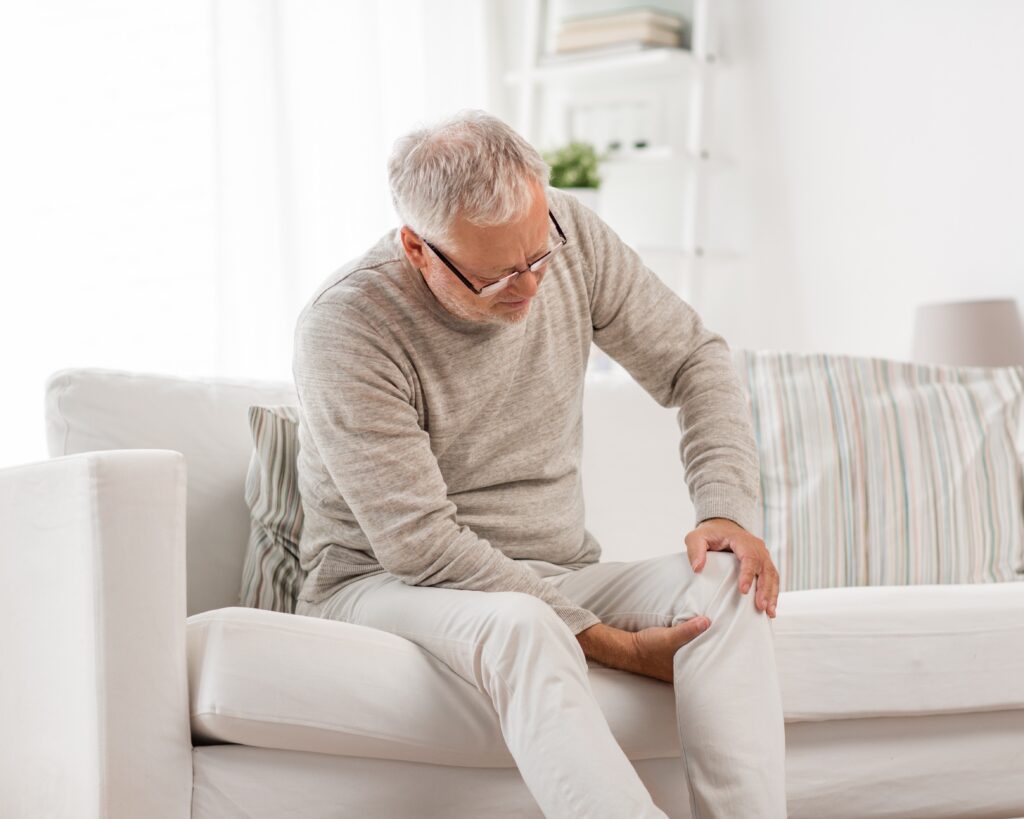

Knee pain has a way of sneaking up on you. One day you’re walking up the stairs without a second thought, and the next, you’re wincing every time you stand up from your desk. Here in Sunnyvale, we see this pattern constantly at Revive Chiropractic — patients who are frustrated, confused, and honestly a little worried about where this pain is coming from. The good news is that knee pain is often very treatable once you understand what’s actually driving it. And surprisingly, the real culprit is often not the knee itself.
This article is going to walk you through five hidden causes of knee pain that most Sunnyvale adults never suspect. Understanding these root causes can be genuinely empowering — because when you know what’s really going on, you can stop guessing and start taking steps toward real relief.
What Is Knee Pain, Really?
Knee pain is discomfort, soreness, or dysfunction in or around the knee joint — including the tendons, ligaments, cartilage, and surrounding muscles. While many people assume knee pain always originates in the knee itself, it is frequently caused or worsened by problems in other parts of the body, such as the hips, feet, spine, and pelvis.
- Hip Weakness and Gluteal Dysfunction
- Poor Foot Mechanics and Arch Collapse
- Spinal Misalignment and Nerve Irritation
- Prolonged Sitting and Tech-Worker Posture
- Pelvic Imbalance and Leg Length Discrepancy
- How Chiropractic Care Fits In
- Practical Tips to Protect Your Knees
- When to See a Chiropractor
- Myths vs. Facts About Knee Pain
1. Hip Weakness and Gluteal Dysfunction
This is probably the most overlooked cause of knee pain we encounter at Revive Chiropractic. Most people think of the knee as a standalone joint, but in reality, it sits in the middle of a kinetic chain — a connected system of joints, muscles, and tissues that extends from your feet all the way up to your lower back. When the hip muscles, particularly the glutes and hip abductors, are weak or not firing correctly, the knee absorbs far more stress than it was designed to handle.
When your hip doesn’t stabilize properly during walking, running, or even just going up stairs, the femur (your thigh bone) tends to rotate inward. This pulls the kneecap out of its normal tracking path, a condition often called patellofemoral syndrome or “runner’s knee.” Over time, this abnormal movement creates inflammation, wear, and pain — even in people who aren’t runners at all.
Dr. Jae ho Roh frequently sees this pattern in Sunnyvale patients who spend long hours sitting at a desk. Sitting for extended periods essentially “switches off” the glute muscles. They become inhibited and underactive, which disrupts the whole mechanical balance of the lower body. Strengthening the hips and restoring proper movement patterns is often one of the most effective things a person can do for chronic knee pain.
2. Poor Foot Mechanics and Arch Collapse
Your feet are the foundation of your entire body. When that foundation is unstable, every joint above it — including your knees — pays a price. One of the most common foot mechanics issues Dr. Jae ho Roh sees in Sunnyvale patients is overpronation, which is when the arch of the foot collapses inward during walking or standing. This seemingly small motion has a ripple effect that travels straight up to the knee.
When the foot rolls inward, the shin bone rotates inward with it, which causes the kneecap to track incorrectly on the femur. This puts uneven pressure on the cartilage inside the knee and can lead to pain on the inner side, front, or even behind the knee. Many people with this issue have been living with it for so long they don’t even realize their feet are the problem — they just know their knees hurt.
Footwear plays a huge role here as well. Many Sunnyvale residents walk or stand on hard surfaces for long parts of the day, often in unsupportive shoes. Even stylish athletic shoes can become mechanically worn down and fail to provide the arch support your body needs. A thorough evaluation of how you move — your gait — can reveal a great deal about why your knees are hurting and what to do about it.
3. Spinal Misalignment and Nerve Irritation
Here’s one that genuinely surprises most patients: your lower back can be a direct source of knee pain. The nerves that travel down your legs originate in the lumbar spine, the lower portion of your back. When vertebrae in the lumbar spine are misaligned or when there is irritation to the discs and surrounding tissues, it can compress or irritate these nerve roots. The result can be pain, numbness, tingling, or weakness that radiates down the leg and into the knee.
This referred pain pattern is well-documented in musculoskeletal medicine. The L3 and L4 nerve roots in particular, when irritated, commonly produce symptoms that feel like knee pain — even though the knee itself may be structurally perfectly fine. Patients sometimes spend months receiving treatment focused entirely on the knee when the real issue is sitting a few vertebrae up the spine.
At Revive Chiropractic in Sunnyvale, evaluating the spine is always part of a thorough approach to knee complaints. Dr. Jae ho Roh performs detailed assessments to determine whether spinal dysfunction may be contributing to what a patient experiences as knee pain. Addressing vertebral misalignments through chiropractic adjustments can sometimes produce relief in the knee that no amount of local treatment was able to achieve.
4. Prolonged Sitting and Tech-Worker Posture
Sunnyvale sits right in the heart of Silicon Valley, and a significant portion of our community works in technology and desk-based jobs. This means long hours seated, often in positions that create serious biomechanical problems over time. Prolonged sitting tightens the hip flexors, weakens the glutes, and places chronic stress on the soft tissues surrounding the knee — particularly the iliotibial (IT) band and the tendons around the kneecap.
When the IT band becomes chronically tight from prolonged sitting or repetitive motion, it creates friction on the outer side of the knee. This is commonly known as IT band syndrome and produces a sharp or burning pain on the lateral (outer) edge of the knee. Many tech workers in Sunnyvale assume this pain is from overuse during exercise, but it often develops even in sedentary people simply due to chronic shortening of the tissue from sitting.
Poor sitting posture also affects how you position your knees throughout the day. Crossing your legs, sitting with your feet tucked under the chair, or slumping forward changes the load distribution across the knee joint. Over months and years, these habitual positions cause subtle but cumulative damage. The encouraging news is that with the right guidance, these postural patterns can be corrected and the body responds remarkably well.
5. Pelvic Imbalance and Leg Length Discrepancy
The pelvis is the structural hub of the body. It connects the spine to the legs, and when it is tilted, rotated, or otherwise imbalanced, the effects are felt throughout the lower extremities. A pelvis that is uneven — either from a structural leg length difference or a functional imbalance caused by tight muscles — changes the way force travels through the hip, knee, and ankle on each side of the body.
A functional leg length discrepancy, which is very common and often goes unnoticed, can cause one knee to take on significantly more compressive load than the other during walking and standing. Over time, this leads to asymmetrical wear and tear and can accelerate the development of knee discomfort. Patients often describe this as one knee always hurting while the other feels fine, and they can never figure out why.
This is something that Dr. Jae ho Roh and the team at Revive Chiropractic assess carefully during patient evaluations. Identifying and correcting pelvic imbalances — through chiropractic adjustments, soft tissue work, and corrective movement guidance — can redistribute mechanical loads more evenly and give the overworked knee the relief it needs.
How Chiropractic Care Fits In
Chiropractic care takes a whole-body approach to pain and movement — and that philosophy is especially relevant when it comes to knee pain. Rather than simply treating where it hurts, chiropractic evaluation focuses on identifying the underlying mechanical and neurological dysfunction that is driving the problem. This makes it a powerful complement to other forms of conservative care.
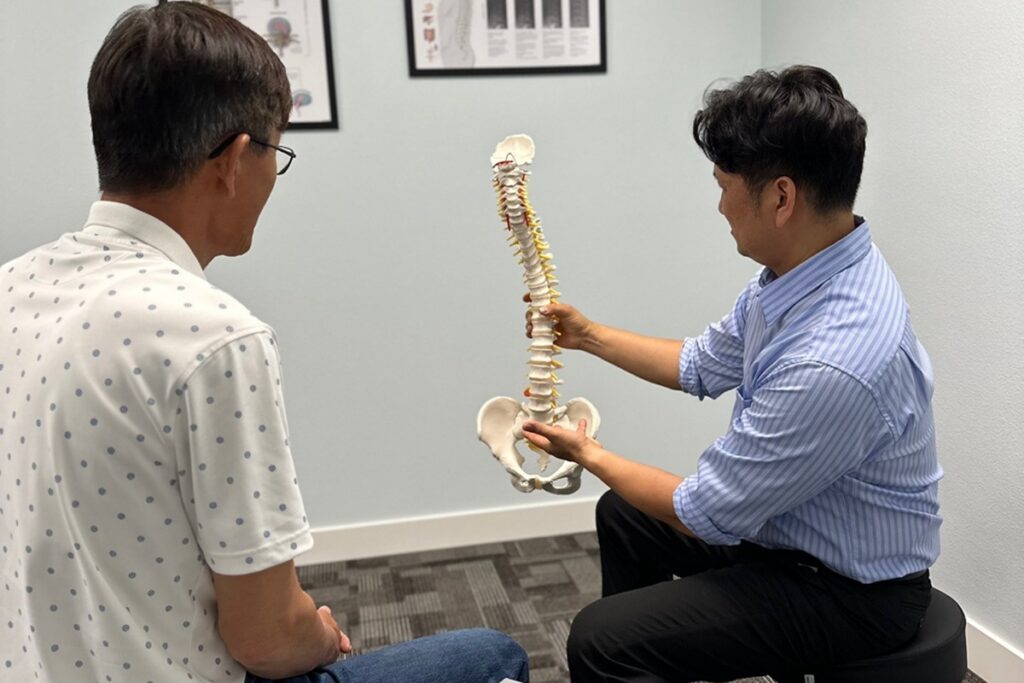
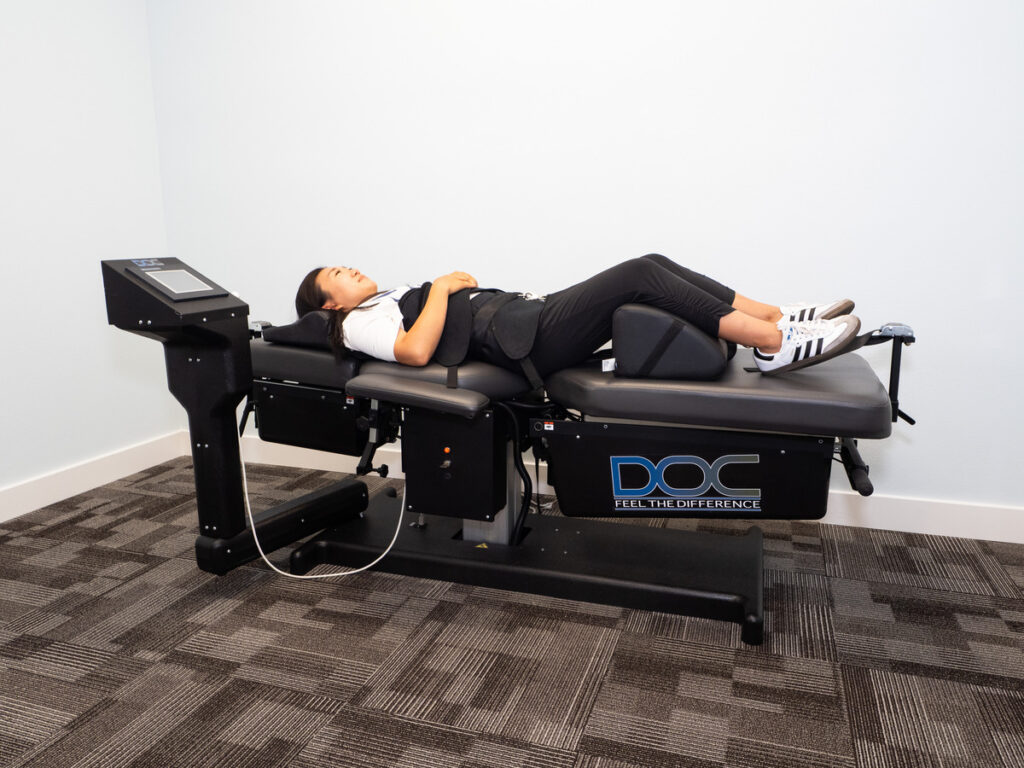
At Revive Chiropractic in Sunnyvale, CA, care for knee pain typically involves a thorough assessment of the spine, pelvis, hips, feet, and gait. Chiropractic adjustments may be applied to the lumbar spine to address nerve irritation, to the pelvis to correct imbalances, and even to the knee joint itself to restore proper mechanics. Soft tissue techniques may also be used to release tight muscles and connective tissue that contribute to the problem.
Evidence from the National Center for Complementary and Integrative Health (NCCIH) and other organizations suggests that chiropractic care can be an effective, non-invasive option for musculoskeletal pain management. While no treatment guarantees specific outcomes, many patients find meaningful improvement when the true cause of their knee pain is properly identified and addressed. Dr. Jae ho Roh’s approach is always individualized — no two patients are the same, and neither are their treatment plans.
Practical Tips to Protect Your Knees
There are several practical steps you can take right now to reduce stress on your knees and support the care you’re receiving. These aren’t complicated changes — they’re small habit shifts that add up to a significant difference over time.
Start by paying attention to your footwear. Wear supportive shoes with good arch support, especially if you’re on your feet for long periods. Avoid walking barefoot on hard floors for extended durations, and consider having your gait evaluated to determine if custom orthotics might benefit you.
If you work a desk job in Sunnyvale’s tech sector, make it a point to stand up and move every 30 to 45 minutes. Even a brief walk down the hallway can interrupt the cycle of hip flexor tightening and glute inhibition that contributes so heavily to knee problems. Stretch your hip flexors, strengthen your glutes, and be mindful of how you’re sitting throughout the day.
Pay attention to how you move during everyday activities — sitting down, standing up, climbing stairs. Try to keep your knee aligned over your second toe rather than caving inward, and avoid locking your knees straight when standing. These small movement habits protect the joint and distribute load more evenly.
When to See a Chiropractor
If you’ve had knee discomfort for more than a few days that isn’t improving with rest, it’s worth getting evaluated. Chiropractic care is particularly well-suited for knee pain that doesn’t seem to have an obvious cause, pain that returns repeatedly after short periods of relief, or discomfort that is accompanied by tightness in the hips, lower back pain, or foot issues.
Chiropractic evaluation is also a smart move if you’ve been managing knee pain with over-the-counter medication or ice and it keeps coming back. That pattern suggests the underlying cause hasn’t been addressed — and that’s exactly where a chiropractor can help.
However, there are red flags that warrant immediate medical attention rather than chiropractic care. These include sudden severe swelling after an injury, the knee giving way or feeling unstable, fever accompanying joint pain, significant visible deformity, or severe pain after trauma such as a fall or accident. These situations should be evaluated by a physician right away.
Knee Pain Cause Comparison
| Hidden Cause | Where You Feel It | Common Trigger | How Chiropractic Helps |
|---|---|---|---|
| Hip Weakness / Gluteal Dysfunction | Front or inner knee, kneecap area | Prolonged sitting, sedentary lifestyle | Corrective movement assessment, hip and spinal care |
| Poor Foot Mechanics / Overpronation | Inner knee, behind kneecap | Unsupportive footwear, hard surfaces | Gait analysis, foot and ankle alignment |
| Spinal Misalignment / Nerve Irritation | Diffuse knee pain, may include tingling | Disc issues, lumbar dysfunction | Spinal adjustments to reduce nerve pressure |
| Prolonged Sitting / IT Band Tightness | Outer (lateral) knee | Desk work, crossing legs, poor chair posture | Soft tissue release, posture correction |
| Pelvic Imbalance / Leg Length Discrepancy | One knee more than the other | Muscle imbalances, structural asymmetry | Pelvic adjustments, load redistribution |
Myths vs. Facts About Knee Pain
Myth: Knee pain always means something is structurally damaged in the knee.
Fact: Many cases of knee pain are caused by biomechanical dysfunction in surrounding areas — the hips, feet, spine, and pelvis — rather than structural damage to the knee itself. A thorough whole-body assessment is essential to find the real source of pain.
Myth: If you have knee pain, you should rest and avoid all movement.
Fact: While rest is important immediately after an injury, prolonged inactivity often makes knee pain worse by allowing muscles to weaken and stiffen further. Guided, appropriate movement is typically an important part of recovery.
Myth: Knee pain is just a normal part of getting older and nothing can be done.
Fact: While some joint changes do occur with age, chronic knee pain is not something you simply have to accept. Many adults experience significant improvement with conservative care such as chiropractic treatment, corrective exercise, and lifestyle modifications.
Myth: Chiropractic care only helps back pain, not knee pain.
Fact: Chiropractic care addresses the entire musculoskeletal and nervous system. Because so many cases of knee pain originate in the spine, hips, or pelvis, chiropractic adjustments and whole-body evaluation can be highly relevant for knee complaints.
Myth: You need an X-ray or MRI before seeing a chiropractor for knee pain.
Fact: In most cases, a chiropractor can perform a clinical evaluation and begin care without imaging. If imaging is warranted based on the assessment findings or red flag symptoms, the chiropractor will refer appropriately.
Final Thoughts from Revive Chiropractic in Sunnyvale
Knee pain is one of the most common complaints we see here in Sunnyvale, CA — and it’s also one of the most misunderstood. So many people assume their knees are simply “bad” or that surgery or medication is their only option. But when you take the time to look at the whole body, the real story is often much more hopeful than that.
At Revive Chiropractic, Dr. Jae ho Roh is dedicated to helping Sunnyvale residents understand what’s actually driving their pain — and taking a thoughtful, conservative approach to getting them moving well again. Whether your knee pain is coming from your hips, your feet, your lower back, or your posture, there are real, non-invasive options worth exploring before considering more aggressive interventions.
If you’ve been living with nagging knee discomfort and you’re not sure where to turn, we’d love to be a resource for you. Our community deserves to move without pain, and that’s exactly what we’re here to help with.
Frequently Asked Questions About Knee Pain
Can a chiropractor actually treat knee pain?
Yes, chiropractors are trained to evaluate and treat musculoskeletal conditions, including knee pain. Because many knee issues are related to dysfunction in the spine, hips, or pelvis, chiropractic care can address root causes that purely local treatments miss.
How do I know if my knee pain is coming from my back?
Knee pain that is accompanied by lower back stiffness, radiates along the thigh, or includes numbness and tingling may have a spinal component. A clinical evaluation by a chiropractor can help determine whether the lumbar spine is contributing to your symptoms.
Is it safe to exercise with knee pain?
It depends on the cause and severity. Low-impact movement is generally encouraged, but certain exercises can aggravate specific conditions. It’s best to get evaluated first so you receive guidance tailored to your specific situation.
How long does it take to see improvement with chiropractic care for knee pain?
This varies significantly depending on the underlying cause, how long the problem has been present, and individual health factors. Some patients notice changes within a few visits, while chronic or complex cases may take longer to respond.
Can tight hips really cause knee pain?
Absolutely. The hip and knee are closely linked through the kinetic chain. Tight or weak hip muscles alter the mechanics of the entire leg, leading to abnormal stress and wear on the knee joint over time.
Do I need a referral to see a chiropractor for knee pain in Sunnyvale?
In California, you do not need a referral to see a chiropractor. You can contact Revive Chiropractic in Sunnyvale directly to schedule an evaluation and discuss your symptoms.
TL;DR — Key Takeaways
- Knee pain often originates outside the knee itself — in the hips, feet, spine, or pelvis.
- Hip weakness, poor foot mechanics, spinal nerve irritation, prolonged sitting, and pelvic imbalance are five commonly overlooked causes of knee pain.
- Chiropractic care takes a whole-body approach that can identify and address the root cause rather than just managing symptoms.
- Simple daily habits — supportive footwear, movement breaks, posture awareness — can meaningfully reduce knee stress.
- If your knee pain persists, worsens, or keeps coming back, a thorough evaluation at Revive Chiropractic in Sunnyvale, CA is a practical, non-invasive next step.