
Living with scoliosis can feel overwhelming, especially when you’re constantly reminded to “stand up straight” or worry about how your posture might be affecting your spine. If you’ve been diagnosed with scoliosis or suspect you might have it, you’re not alone. Millions of people navigate daily life with spinal curvature, and many find effective ways to maintain comfort, function, and quality of life. Here in Sunnyvale, CA, we see patients at Revive Chiropractic who want to understand how scoliosis affects their posture and what they can do to support their spine health. This article will help you understand the connection between scoliosis and posture, offer practical strategies for maintaining a healthy spine, and explain how chiropractic care fits into a comprehensive approach to managing scoliosis.
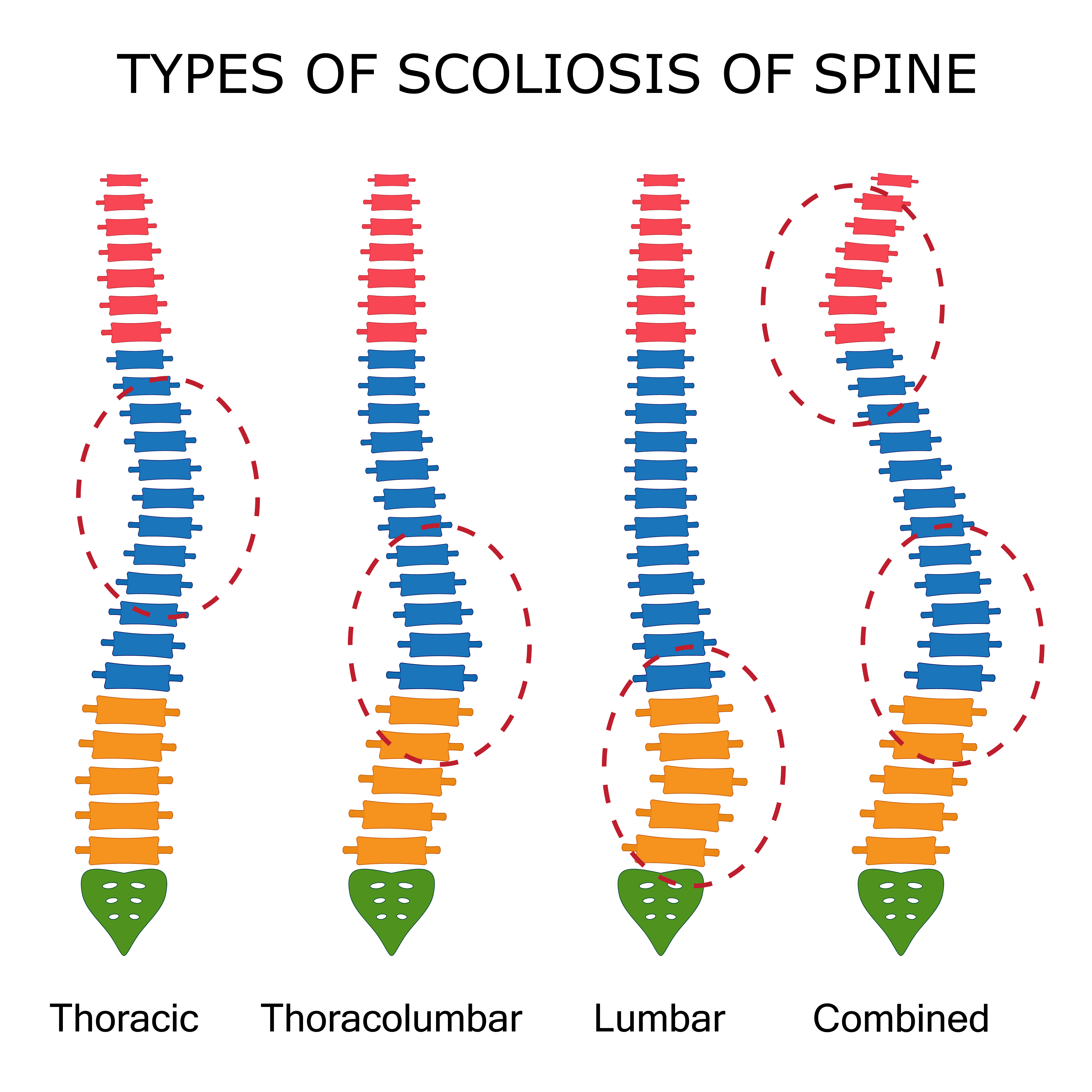
What is Scoliosis? Scoliosis is a sideways curvature of the spine that typically develops during childhood or adolescence, though it can also appear in adults. Instead of running straight down the back, the spine curves to the left or right, often forming an “S” or “C” shape when viewed from behind.
Table of Contents
- Understanding Scoliosis and Its Impact on Posture
- Common Causes and Types of Scoliosis
- How Scoliosis Affects Your Posture
- The Role of Chiropractic Care in Scoliosis Management
- Practical Tips for Maintaining Spinal Health with Scoliosis
- When to See a Chiropractor for Scoliosis
- Myths vs. Facts About Scoliosis and Posture
- Final Thoughts
Understanding Scoliosis and Its Impact on Posture
Scoliosis isn’t just about having a curved spine. It’s a three-dimensional condition that affects how your entire body aligns and moves. When your spine curves sideways, it also rotates, which can cause one shoulder blade to stick out more than the other, create uneven hip heights, or make your rib cage appear asymmetrical.
The degree of curvature matters significantly. Mild scoliosis, typically defined as curves measuring 10 to 25 degrees on an X-ray, may cause minimal noticeable changes. Moderate scoliosis ranges from 25 to 40 degrees and often becomes more visible in posture and body symmetry. Severe scoliosis exceeds 40 degrees and can impact breathing, mobility, and overall function.
What many people don’t realize is that scoliosis affects more than just appearance. The uneven distribution of weight and pressure on your spine can lead to muscle imbalances, joint stress, and compensatory movement patterns. Your body works hard to maintain balance despite the curve, which can result in muscle fatigue, tension, and discomfort over time.
Posture becomes particularly important when you have scoliosis because your body is already dealing with an altered spinal alignment. Good postural habits can help reduce unnecessary strain on muscles and joints, while poor posture can amplify existing imbalances and contribute to pain or dysfunction.
Common Causes and Types of Scoliosis
Understanding what type of scoliosis you have helps determine the best approach to managing it. The most common form is idiopathic scoliosis, meaning the exact cause is unknown. This accounts for about 80% of all scoliosis cases and typically appears during adolescence when rapid growth occurs. Researchers believe genetic factors play a role, as scoliosis often runs in families.
Congenital scoliosis develops before birth due to abnormal spinal formation in the womb. These structural differences in the vertebrae can cause the spine to curve as the child grows. This type is usually identified early in childhood.
Neuromuscular scoliosis results from underlying conditions that affect the nerves and muscles, such as cerebral palsy or muscular dystrophy. When muscles can’t properly support the spine, curvature develops as a secondary problem.
Degenerative scoliosis, also called adult-onset scoliosis, develops later in life as the discs and joints in the spine wear down. This type typically affects people over 50 and may be accompanied by arthritis, disc degeneration, or spinal stenosis. Here in Sunnyvale, Dr. Jae ho Roh frequently works with adults experiencing this type of age-related spinal change.
Functional scoliosis appears as a curved spine but isn’t caused by structural spinal problems. Instead, it results from issues elsewhere in the body, such as leg length discrepancies, muscle spasms, or inflammatory conditions. When the underlying cause is addressed, functional scoliosis often improves.
How Scoliosis Affects Your Posture
The relationship between scoliosis and posture is complex and bidirectional. Your scoliosis influences your posture, and your postural habits can affect how your body compensates for the curve. Understanding this connection empowers you to make informed choices about your daily activities and movement patterns.
When your spine curves sideways, your body automatically adjusts to keep your head centered over your pelvis and maintain balance. This compensation often involves tilting the pelvis, shifting weight unevenly between legs, or rotating the shoulders and rib cage. These adjustments become your “normal” posture, but they create uneven stress on muscles, ligaments, and joints.
Muscle imbalances are common with scoliosis. Muscles on the concave side of the curve (the inside of the C or S) tend to become tight and shortened, while muscles on the convex side (the outside) become stretched and weakened. This imbalance can make certain movements feel awkward or uncomfortable and may contribute to fatigue during prolonged sitting or standing.
Many people with scoliosis notice that maintaining what others call “good posture” feels unnatural or even uncomfortable. That’s because your body has adapted to work with your spinal curve. Forcing yourself into a rigidly straight position may actually increase strain rather than reduce it.
The key is finding optimal posture for your unique spine. This means achieving alignment that minimizes unnecessary strain while respecting your body’s structural reality. At Revive Chiropractic in Sunnyvale, CA, we help patients understand their individual postural needs and develop strategies that work with their scoliosis rather than against it.
The Role of Chiropractic Care in Scoliosis Management
Chiropractic care offers a conservative, non-invasive approach to managing scoliosis and its effects on posture and function. While chiropractic adjustments cannot straighten a structural scoliotic curve, they can play a valuable role in maintaining spinal mobility, reducing discomfort, and supporting overall musculoskeletal health.
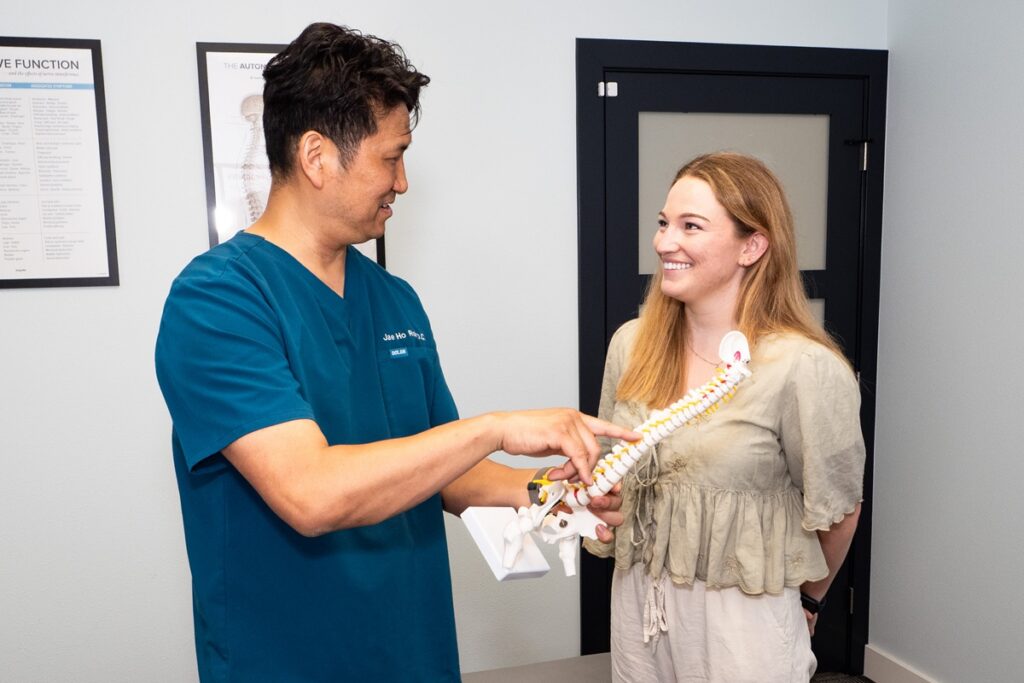
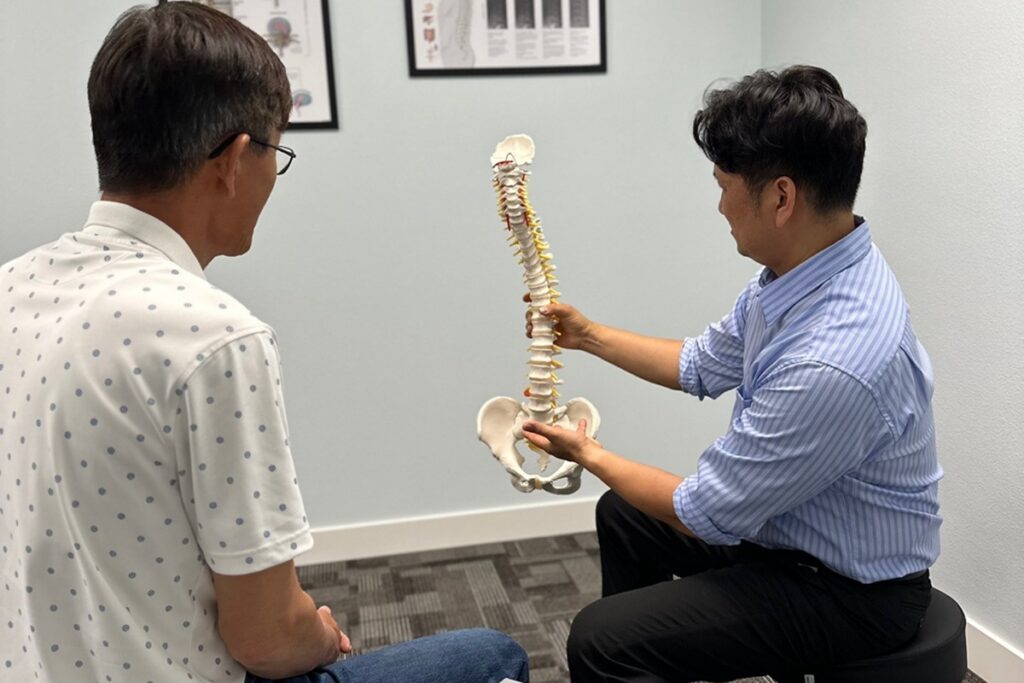
Dr. Jae ho Roh takes a comprehensive approach to scoliosis care at Revive Chiropractic. The first step involves a thorough evaluation, including a detailed health history, posture analysis, range of motion testing, and review of any existing X-rays or imaging. Understanding the type, degree, and pattern of your scoliosis guides the development of an individualized care plan.
Chiropractic adjustments for scoliosis focus on maintaining proper joint function throughout the spine and pelvis. Even with a curved spine, individual vertebral segments can become restricted or misaligned in ways that create additional problems. Gentle, specific adjustments help restore normal movement to these areas, which can reduce muscle tension and improve overall comfort.
Beyond spinal adjustments, chiropractic care for scoliosis often includes soft tissue work to address muscle imbalances, postural training to optimize daily movement patterns, and corrective exercises designed to strengthen weak areas and stretch tight ones. This multifaceted approach addresses the whole person, not just the spinal curve.
Research indicates that chiropractic care may help manage pain and improve function in people with scoliosis. A study published in the Journal of Chiropractic Medicine found that patients with adolescent idiopathic scoliosis who received chiropractic care reported improvements in pain and quality of life measures. While individual results vary, many patients find that regular chiropractic care helps them stay active and comfortable.
It’s important to understand what chiropractic care can and cannot do for scoliosis. Chiropractic is not a cure for structural scoliosis, and it’s not designed to replace medical management of severe or progressive curves. However, it offers a valuable option for managing symptoms, maintaining function, and supporting overall spinal health as part of a comprehensive approach to living well with scoliosis.
Practical Tips for Maintaining Spinal Health with Scoliosis
Taking an active role in your spinal health makes a significant difference when you have scoliosis. These practical strategies can help you minimize discomfort, maintain function, and support your body’s unique needs.
Create an ergonomic workspace. Since many of us spend hours at desks, optimizing your work setup is crucial. Position your computer monitor at eye level to avoid neck strain. Keep your keyboard and mouse close enough that you don’t have to reach forward. Use a chair with good lumbar support, and adjust the height so your feet rest flat on the floor with your knees at about a 90-degree angle. If you notice you consistently lean to one side, place a small cushion or support on that side to encourage more balanced sitting.
Practice mindful movement throughout the day. Staying in one position too long increases stiffness and discomfort, especially with scoliosis. Set a timer to remind yourself to change positions every 30 to 45 minutes. Stand up, stretch gently, and walk around for a few minutes. These movement breaks help prevent muscle fatigue and keep your spine mobile.
Strengthen your core muscles. A strong core provides essential support for your spine regardless of its shape. Focus on exercises that engage your deep abdominal muscles, back muscles, and pelvic floor. Planks, bird dogs, and gentle Pilates exercises work well for many people with scoliosis. Always listen to your body and avoid any movements that cause pain or significant discomfort.
Stretch regularly but gently. Targeted stretching can help address the muscle imbalances common with scoliosis. Work with a chiropractor or physical therapist to learn which specific stretches benefit your curve pattern. Generally, you’ll want to stretch tight areas on the concave side of your curve while strengthening the weaker, stretched muscles on the convex side.
Pay attention to sleeping positions. Your sleeping posture affects your spine for hours each night. If you sleep on your side, place a pillow between your knees to keep your hips aligned. Back sleepers may benefit from a small pillow or rolled towel under the knees. Choose a pillow that keeps your head and neck aligned with your spine rather than tilted up or down.
Maintain a healthy weight. Extra body weight places additional stress on your spine and can worsen the muscle imbalances associated with scoliosis. Eating a balanced diet rich in anti-inflammatory foods supports overall musculoskeletal health.
Stay active with appropriate exercises. Regular physical activity helps maintain spinal mobility, muscle strength, and overall health. Swimming is particularly beneficial because the water supports your body weight while allowing full-range movement. Walking, cycling, and yoga can also work well, depending on your individual situation. Avoid high-impact activities or sports that involve repetitive twisting if they cause discomfort.
Wear supportive footwear. Your foundation matters. Shoes with good arch support and cushioning help maintain proper alignment throughout your body. If you have a leg length discrepancy contributing to functional scoliosis, custom orthotics or heel lifts prescribed by a healthcare provider may help.
Manage stress effectively. Stress causes muscle tension, which can amplify discomfort in people with scoliosis. Practice stress-reduction techniques like deep breathing, meditation, or gentle stretching. Many patients at Revive Chiropractic in Sunnyvale, CA find that regular chiropractic care helps them manage both physical and stress-related tension.
Comparing Approaches to Scoliosis and Posture
| Approach | Best For | What It Addresses | Considerations |
|---|---|---|---|
| Chiropractic Care | Mild to moderate scoliosis, pain management, maintaining function | Joint mobility, muscle balance, overall spinal health, symptom management | Regular visits needed; works best as part of comprehensive approach |
| Physical Therapy | All types of scoliosis, especially when strengthening and specific exercises are needed | Muscle strength, flexibility, movement patterns, postural training | Requires commitment to home exercise program |
| Bracing | Growing children and adolescents with progressive curves | Curve stabilization during growth, preventing progression | Must be worn many hours daily; most effective during growth spurts |
| Observation/Monitoring | Mild, non-progressive curves | Tracking changes over time | Regular X-rays needed; proactive management still beneficial |
| Lifestyle Modifications | Everyone with scoliosis | Daily posture, ergonomics, activity choices, overall wellness | Requires ongoing awareness and consistency |
When to See a Chiropractor for Scoliosis
Knowing when to seek professional care helps you stay ahead of problems and maintain the best possible function. Consider scheduling an evaluation at Revive Chiropractic if you experience persistent back pain that doesn’t improve with rest and home care, noticeable changes in your posture or the appearance of your spine, difficulty maintaining comfortable positions during work or daily activities, or muscle tension and stiffness that interferes with movement.
If you’ve recently been diagnosed with scoliosis, chiropractic care can help you develop effective management strategies early on. Even if you’ve lived with scoliosis for years without problems, changes in symptoms or function warrant professional evaluation. Dr. Jae ho Roh can assess your current spinal health and create a care plan tailored to your needs.
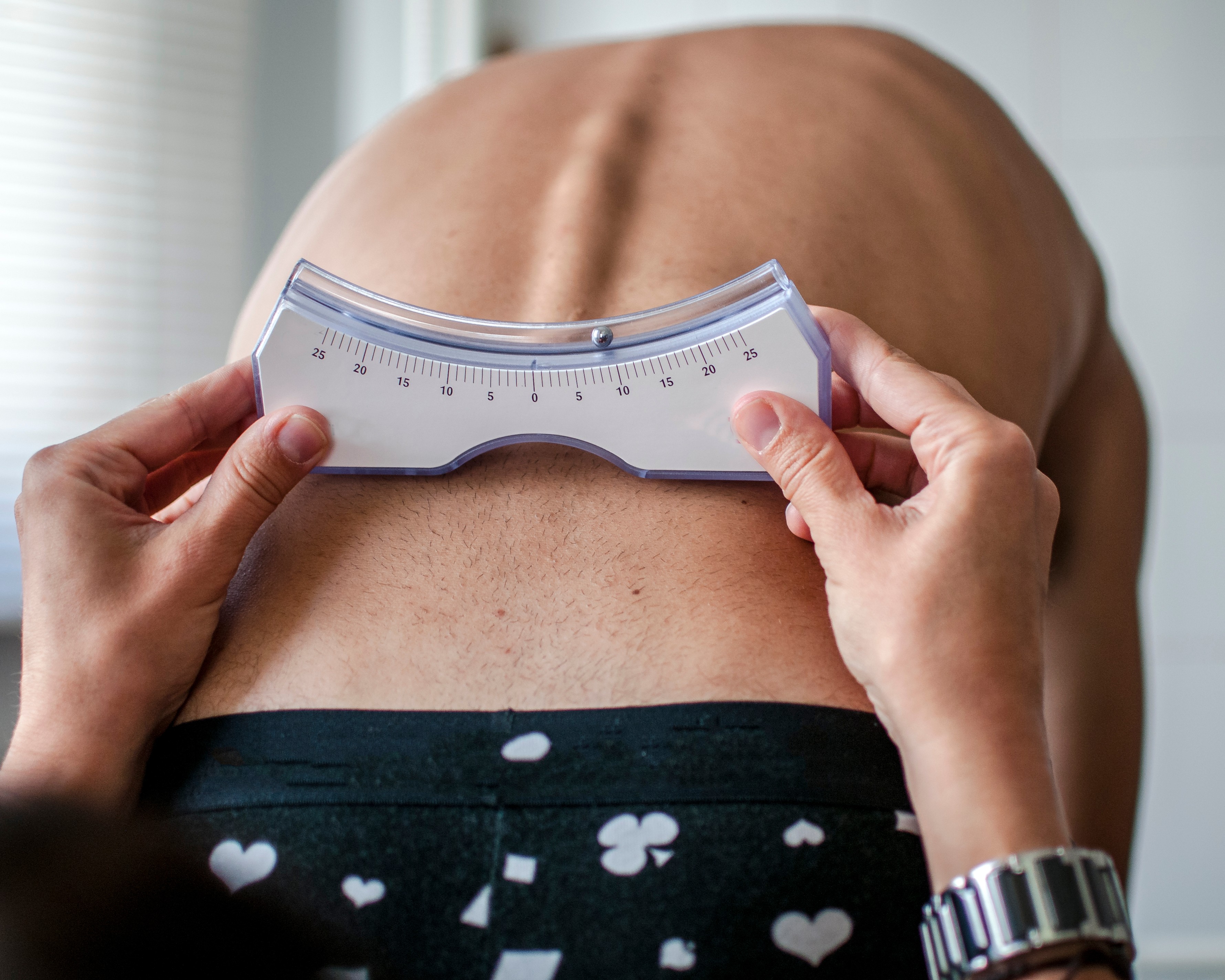
Parents should watch for signs of scoliosis in their children, especially during growth spurts. Uneven shoulders or hips, clothes that hang asymmetrically, one shoulder blade that protrudes more than the other, or a visible curve when the child bends forward all warrant evaluation. Early detection and appropriate management during the growth years can make a significant difference in long-term outcomes.
While chiropractic care is safe and effective for most people with scoliosis, certain red flags require immediate medical attention rather than chiropractic care alone. Seek emergency medical evaluation if you experience sudden onset of severe back pain, numbness or weakness in the legs, loss of bowel or bladder control, difficulty breathing, or rapid progression of your spinal curve. These symptoms may indicate serious complications that require urgent medical intervention.
For adult-onset or degenerative scoliosis, changes in symptoms often signal that adjustments to your management approach are needed. If you notice increasing pain, progressive loss of height, or new limitations in your daily activities, schedule an evaluation promptly.
Myths vs. Facts About Scoliosis and Posture
Myth: Poor posture causes scoliosis
Fact: Structural scoliosis is not caused by poor posture, heavy backpacks, or slouching. These factors don’t create the sideways spinal curvature characteristic of true scoliosis. However, functional scoliosis can result from postural problems or muscle imbalances, and addressing these underlying issues often resolves the apparent curve.
Myth: You can straighten scoliosis by standing up straight
Fact: Consciously pulling your shoulders back or forcing yourself into a “straight” posture won’t correct a structural scoliotic curve. In fact, trying to force unnatural alignment may increase strain and discomfort. The goal is optimal posture for your unique spine, which may look different from someone without scoliosis.
Myth: People with scoliosis should avoid exercise
Fact: Exercise is beneficial for most people with scoliosis and helps maintain muscle strength, flexibility, and overall health. Appropriate physical activity supports spinal function rather than harming it. Work with healthcare providers to identify exercises that work well for your specific curve pattern, but don’t avoid movement out of fear.
Myth: Scoliosis always gets worse over time
Fact: Many scoliotic curves remain stable throughout life, especially after skeletal maturity. While some curves do progress, particularly during growth spurts or in cases of degenerative scoliosis, progression is not inevitable. Regular monitoring and appropriate management help identify changes early and address them effectively.
Myth: Chiropractic adjustments will make scoliosis worse
Fact: When performed by a trained chiropractor who understands scoliosis, adjustments are safe and can be beneficial. Chiropractors modify their techniques based on the individual’s spinal structure and needs. The goal is not to force the spine straight but to maintain proper joint function and support overall musculoskeletal health.
Final Thoughts
Living with scoliosis doesn’t mean accepting pain or limitation as inevitable. Understanding how your spinal curve affects your posture and function empowers you to make informed choices about your care and daily habits. Whether your scoliosis is mild or more significant, taking an active role in your spinal health makes a meaningful difference in your comfort and quality of life.
Here in Sunnyvale, CA, Revive Chiropractic is committed to helping people with scoliosis maintain healthy, functional spines through individualized care that respects each person’s unique needs. Dr. Jae ho Roh combines clinical expertise with a genuine understanding that scoliosis affects the whole person, not just the spine. If you’re ready to explore how chiropractic care can support your spinal health, we’re here to help you move forward with confidence.
Remember that managing scoliosis is a journey, not a destination. Small, consistent efforts to support your spine through good ergonomics, appropriate exercise, and professional care add up to significant benefits over time. You don’t have to navigate this journey alone.
Frequently Asked Questions
Can chiropractic care cure my scoliosis?
Chiropractic care cannot cure or straighten a structural scoliotic curve, but it can help manage symptoms, maintain spinal mobility, and improve overall function. The focus is on helping you live comfortably and actively with your scoliosis rather than attempting to eliminate the curve itself.
At what age does scoliosis stop progressing?
Idiopathic scoliosis typically stabilizes after skeletal maturity, which occurs around age 18 for most people. However, curves can progress in adulthood, particularly in cases of degenerative scoliosis or curves that exceeded 40-50 degrees at skeletal maturity. Regular monitoring helps detect any changes early.
Will scoliosis prevent me from exercising or playing sports?
Most people with mild to moderate scoliosis can participate fully in exercise and sports. Some high-impact or repetitive twisting activities may need modification if they cause discomfort, but staying active is generally encouraged. Work with your healthcare providers to identify activities that work well for your individual situation.
Should I see a chiropractor or a medical doctor for scoliosis?
Both can play important roles in scoliosis management. Medical doctors diagnose scoliosis, monitor curve progression, and manage severe cases that may require bracing or surgery. Chiropractors provide conservative care focused on maintaining function and managing symptoms. Many people benefit from coordinated care that includes both approaches.
How often will I need chiropractic adjustments for scoliosis?
Treatment frequency varies based on your individual needs, symptoms, and goals. Initially, more frequent visits may be recommended to address active symptoms and establish improved function. Many patients then transition to periodic maintenance care to support ongoing spinal health. Dr. Jae ho Roh will discuss an appropriate schedule based on your specific situation.
Does insurance cover chiropractic care for scoliosis?
Many insurance plans include chiropractic coverage, though specifics vary widely. Contact Revive Chiropractic in Sunnyvale, CA to discuss your insurance coverage and payment options. The office can help verify your benefits and explain what to expect.
TL;DR – Key Takeaways
- Scoliosis is a sideways spinal curvature that affects posture and body alignment, but it doesn’t mean you’re destined for pain or disability.
- Chiropractic care focuses on maintaining spinal mobility, managing symptoms, and supporting overall function rather than attempting to straighten structural curves.
- Practical strategies like ergonomic workspaces, core strengthening, appropriate exercise, and regular movement breaks help you maintain spinal health with scoliosis.
- Optimal posture for someone with scoliosis may look different from textbook “perfect” posture, and forcing unnatural alignment can increase strain rather than reduce it.
- Working with experienced providers like Dr. Jae ho Roh at Revive Chiropractic in Sunnyvale, CA helps you develop an individualized approach to living well with scoliosis.