
If you’ve been living with persistent back pain, radiating leg pain, or the dull ache of a compressed spine, you already know how much it can affect your daily life. Simple things — bending down to tie your shoes, sitting through a meeting, or sleeping through the night — can feel like major challenges. Here at Revive Chiropractic in Sunnyvale, CA, one of the most effective and gentle tools we use to address these types of spinal issues is spinal decompression therapy. If you’ve heard the term but aren’t quite sure what it means or whether it could help you, this article is for you.
What Is Spinal Decompression Therapy?
Spinal decompression therapy is a non-surgical, traction-based treatment designed to gently stretch the spine and relieve pressure on compressed discs and nerves. By creating negative pressure within the spinal discs, this therapy encourages the repositioning of herniated or bulging disc material and promotes the flow of nutrients and fluids back into the discs. It’s a safe, drug-free option for people dealing with certain types of chronic back and neck pain.
What Exactly Is Spinal Decompression?
To understand spinal decompression therapy, it helps to first understand what compression actually does to your spine. Your spinal discs are the soft, gel-like cushions that sit between each vertebra. They absorb shock, allow movement, and protect your spinal cord and nerve roots. Over time — through aging, repetitive motion, poor posture, or injury — these discs can lose height, dry out, bulge, or herniate. When that happens, the surrounding nerves can become pinched or irritated, leading to pain, numbness, tingling, or weakness.
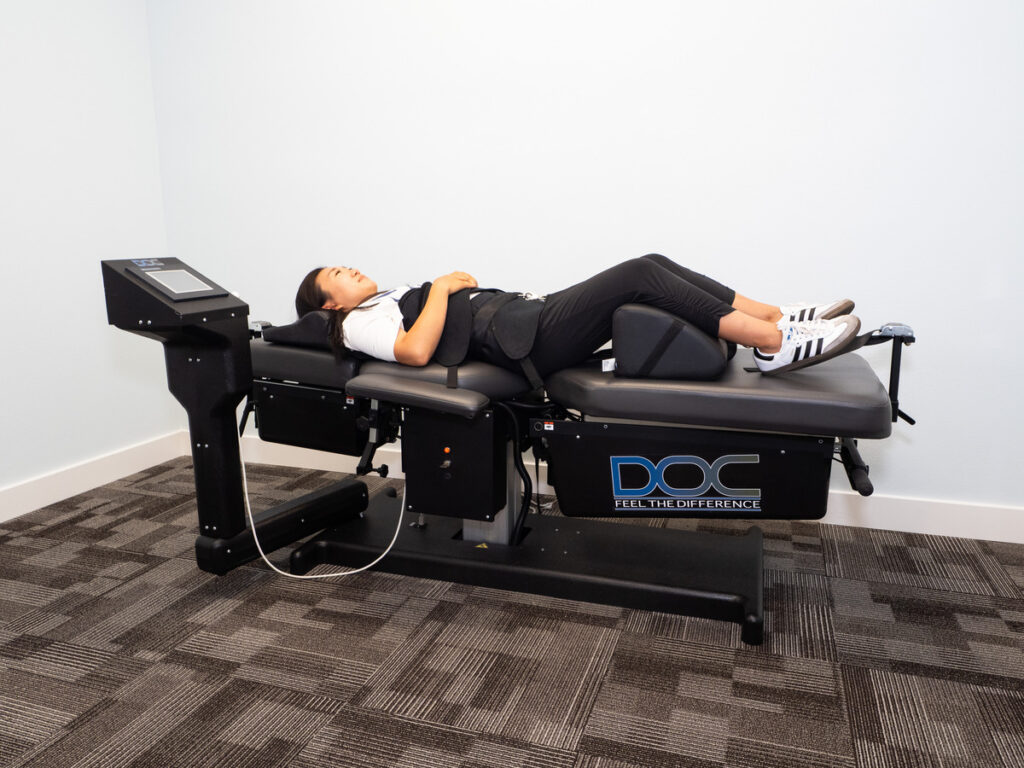
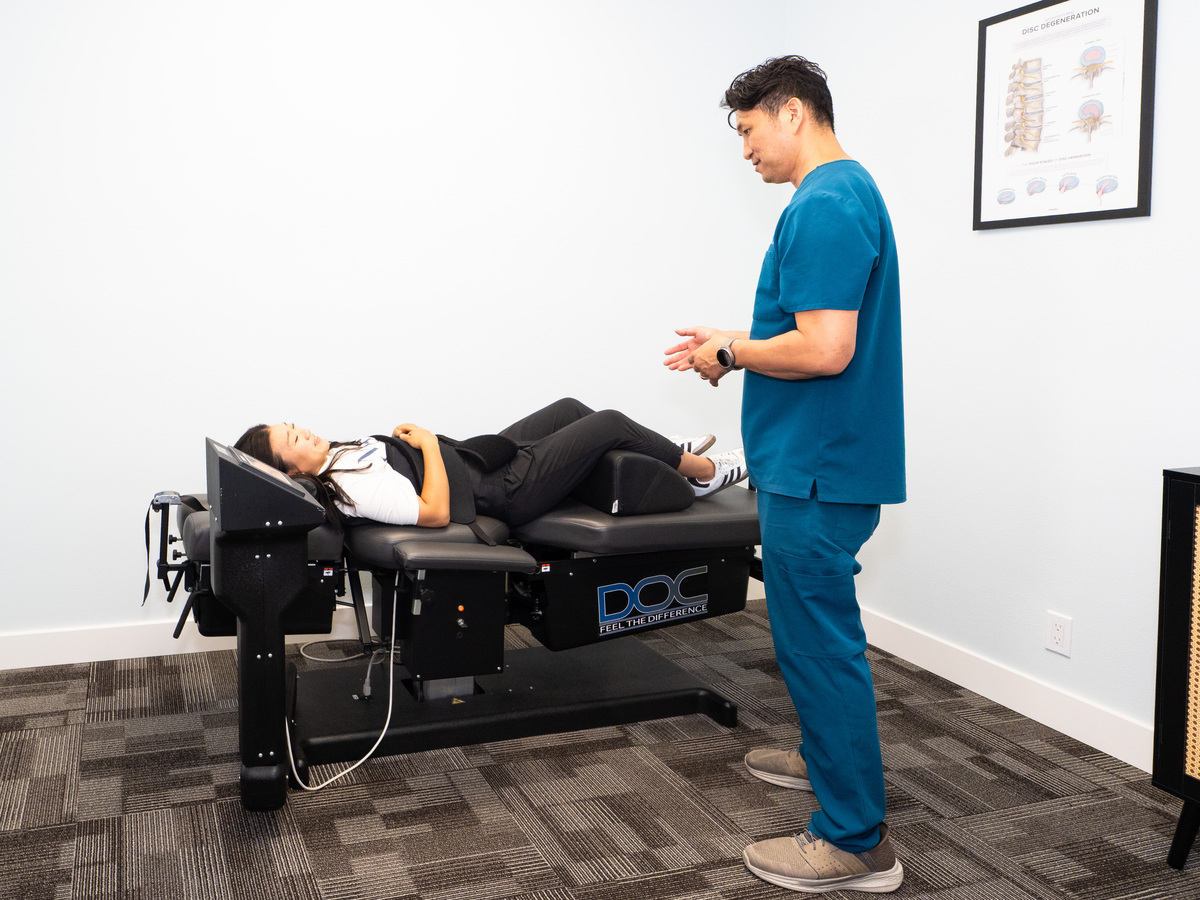
Spinal decompression therapy works by placing you on a specialized motorized table that gently distracts, or separates, specific segments of the spine. Unlike old-fashioned traction, modern decompression therapy uses computer-controlled tension to apply precise, targeted forces to the affected area. This creates a gentle pulling effect that takes pressure off the discs and allows nutrients, oxygen, and fluid to flow back in — supporting the disc’s natural ability to heal.
Dr. Jae ho Roh at Revive Chiropractic in Sunnyvale, CA tailors each decompression session to the individual patient’s condition, ensuring the right angles and forces are used to target the correct spinal segments. This is not a one-size-fits-all treatment — it’s a personalized, carefully monitored approach to spinal health.
Who Can Benefit from Spinal Decompression?
Spinal decompression therapy is not appropriate for everyone, but it can be a transformative option for the right candidates. Many patients who come to Revive Chiropractic in Sunnyvale, CA struggling with conditions like disc herniation, degenerative disc disease, sciatica, or facet joint syndrome find that decompression therapy addresses the root mechanical cause of their discomfort — rather than simply masking symptoms.
Patients who have not responded well to rest, over-the-counter pain relievers, or other conservative treatments are often excellent candidates. It’s also a popular option for people who want to explore non-surgical alternatives before considering more invasive procedures. That said, decompression therapy is generally not recommended for individuals with spinal fractures, tumors, severe osteoporosis, spinal implants, or during pregnancy. A thorough evaluation by Dr. Jae ho Roh will always determine the safest and most appropriate course of care.
7 Ways Spinal Decompression Therapy Can Help Your Spine
1. Relieves Pressure on Compressed Spinal Discs
This is the most direct and well-understood benefit of spinal decompression therapy. When the spine is compressed, the discs between your vertebrae are essentially being squeezed from all sides. This compression can force disc material outward, pressing on nerves and causing significant pain. Decompression therapy creates a controlled pulling force that gently separates the vertebrae, reducing intradiscal pressure and allowing bulging or herniated material to retract toward a more natural position. Over a series of sessions, this can meaningfully reduce pain and restore function.
2. Supports Disc Rehydration and Nutrient Exchange
Healthy spinal discs are largely made of water. As we age, or as discs become compressed, they lose moisture and begin to shrink and stiffen. This process — called disc desiccation — contributes to reduced flexibility, increased vulnerability to injury, and chronic pain. Spinal decompression therapy creates a negative pressure environment within the disc that essentially draws in fluids, oxygen, and nutrients from the surrounding tissue. This helps restore disc height and supports the disc’s natural healing process. Think of it like rehydrating a dried-out sponge.
3. Reduces Nerve Root Irritation
Many of the most painful and frustrating spinal symptoms — like the sharp, shooting pain of sciatica — originate not in the back itself, but in a nerve root that’s being pinched or irritated. When a herniated disc or bone spur encroaches on a nerve root, it can trigger pain, numbness, tingling, or weakness that radiates into the arms or legs. Spinal decompression therapy reduces the physical compression on those nerve roots by taking mechanical stress off the disc and surrounding tissues. As the pressure decreases, many patients notice a gradual improvement in radiating symptoms.
4. Improves Spinal Mobility and Flexibility
A compressed, degenerated, or inflamed spinal segment doesn’t move well. That stiffness and restricted range of motion can ripple outward, affecting how you walk, how you sit, how you carry yourself — and contributing to compensatory patterns that cause pain in other areas like the hips and knees. As spinal decompression therapy reduces compression and supports disc health, patients often notice improvements in overall spinal mobility. Combined with chiropractic adjustments and therapeutic exercises, this improvement can have a meaningful impact on daily function.
5. Offers a Non-Surgical Alternative for Disc Conditions
For patients facing the prospect of spinal surgery, learning about conservative options like spinal decompression therapy can be genuinely encouraging. Surgery carries inherent risks, requires recovery time, and isn’t always the right first step for disc-related conditions. Evidence indicates that many patients with herniated discs, degenerative disc disease, and radiculopathy can experience significant relief through conservative, non-invasive care. Spinal decompression therapy, particularly when combined with other chiropractic approaches, represents a meaningful path forward for many people looking to avoid surgery.
6. Addresses the Root Cause, Not Just Symptoms
One of the foundational principles of chiropractic care is addressing the underlying cause of pain rather than simply masking it. Spinal decompression therapy aligns perfectly with this philosophy. Rather than simply reducing pain signals with medication, decompression therapy targets the mechanical problem — the compressed disc, the irritated nerve, the restricted spinal segment — and works to correct it. This approach is especially valuable for patients whose pain has persisted despite other treatments, because it directly engages the structural source of the problem.
7. Complements the Overall Chiropractic Care Plan
Spinal decompression therapy rarely works in isolation — and at Revive Chiropractic, it isn’t used that way. Dr. Jae ho Roh integrates decompression therapy as part of a comprehensive care plan that may also include chiropractic adjustments to restore joint alignment, soft tissue work to address muscle tension, and guidance on posture and movement habits. Together, these approaches create a more complete foundation for healing. Patients often find that the combination is more effective than any single treatment on its own.
How Chiropractic Care Fits Into Your Recovery
Spinal decompression therapy is most powerful when it’s part of a broader, well-coordinated plan of care. At Revive Chiropractic in Sunnyvale, CA, the approach to your recovery begins with a thorough evaluation — including a detailed health history, postural assessment, and orthopedic testing — to understand not just where you hurt, but why. Dr. Jae ho Roh uses this information to develop an individualized care plan that makes sense for your body and your life.
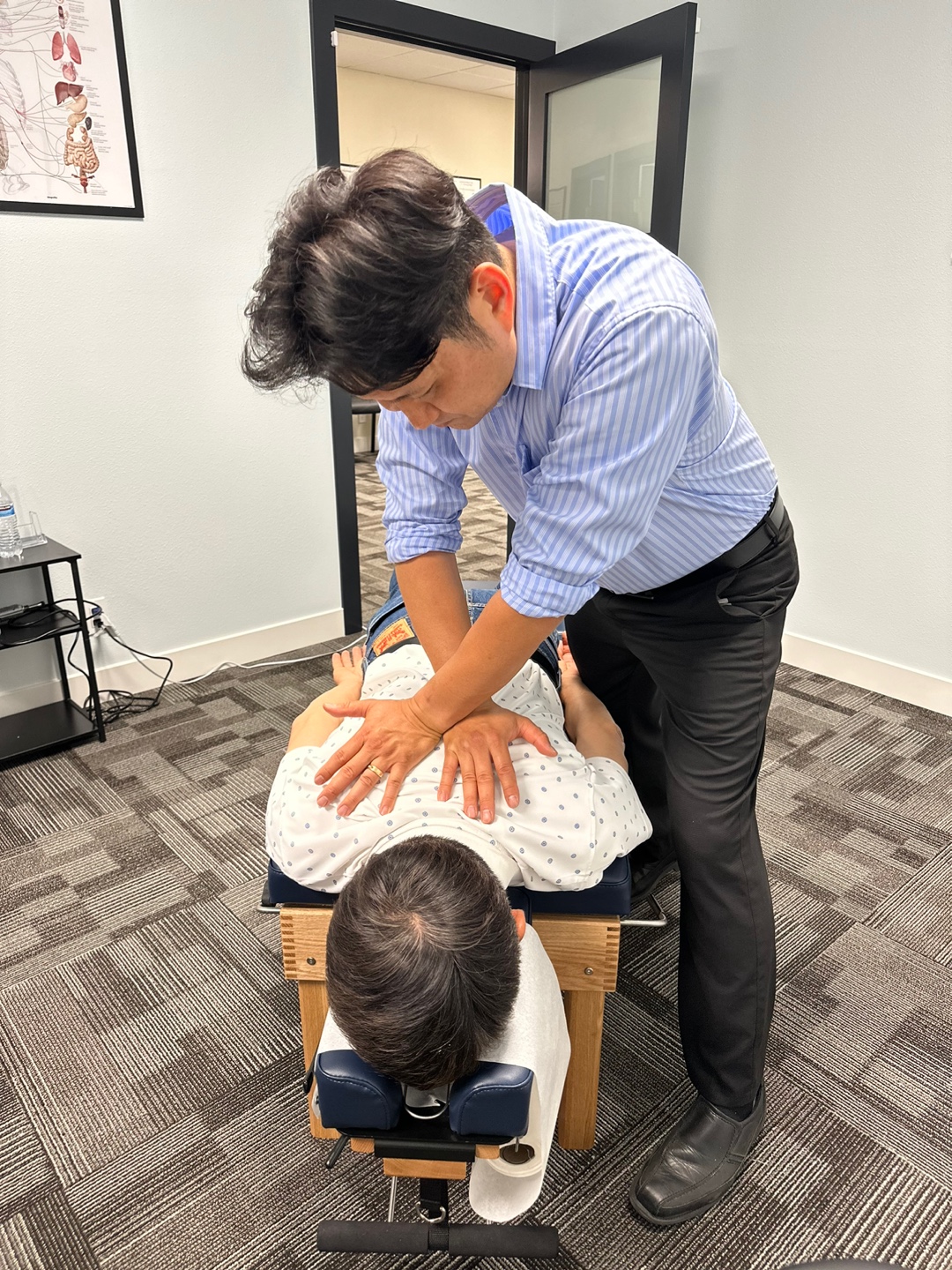
Chiropractic adjustments work alongside decompression therapy by restoring proper alignment and mobility to spinal joints that may have become restricted or misaligned due to disc-related stress. When the joints move better, the muscles around them can relax, posture improves, and the nervous system functions more efficiently. This multi-pronged approach is consistent with widely accepted conservative care guidelines for musculoskeletal conditions.
Many patients here in Sunnyvale find that combining decompression therapy with regular chiropractic adjustments produces faster, longer-lasting relief than either approach alone. The goal is always to help you regain function, reduce pain, and return to the activities you love — with as little disruption to your daily life as possible.
Practical Tips to Support Your Spinal Health
While spinal decompression therapy can do a lot of the heavy lifting when it comes to disc and nerve issues, there are meaningful things you can do at home and at work to support your spinal health between sessions. Small habits, practiced consistently, can make a significant difference in how your spine feels and functions over time.
Pay attention to your posture, especially if you spend long hours sitting at a desk. Your hips and knees should be at roughly 90-degree angles, your feet flat on the floor, and your screen at eye level to reduce strain on the cervical spine. Taking brief movement breaks every 30 to 45 minutes helps prevent the muscle stiffness and disc compression that comes with prolonged sitting. When lifting — whether it’s a box or a bag of groceries — bend at the hips and knees rather than the waist, keeping the load close to your body.
Staying well-hydrated is also genuinely beneficial for disc health. Since spinal discs are largely composed of water, adequate daily hydration supports their ability to absorb shock and maintain height. Gentle movement — like walking, swimming, or low-impact stretching — helps maintain circulation to spinal tissues and keeps the joints mobile. If you’re unsure what exercises are safe for your specific condition, ask Dr. Jae ho Roh for guidance tailored to your situation.
When to See a Chiropractor About Spinal Compression
If back or neck pain has been present for more than a few weeks, or if it keeps returning after short periods of relief, that’s a meaningful signal that something structural may be contributing to the problem. Pain that radiates into the arms, hands, buttocks, or legs — especially if accompanied by numbness, tingling, or muscle weakness — warrants a professional evaluation. These symptoms often point to disc or nerve root involvement that responds well to conservative care like spinal decompression therapy.
There are, however, certain red flag symptoms that require immediate medical attention rather than chiropractic care. These include sudden loss of bowel or bladder control, severe weakness in the legs, numbness in the groin or inner thighs (saddle anesthesia), or back pain following a significant trauma such as a fall or accident. If you experience any of these, seek emergency medical care right away. For most other presentations of back and neck pain, a consultation at Revive Chiropractic in Sunnyvale, CA is a smart and appropriate first step.
Spinal Conditions: Symptoms vs. Common Triggers
Condition |
Common Symptoms |
Common Triggers |
|---|---|---|
|
Herniated Disc |
Sharp or burning pain, radiating numbness, tingling in arms or legs |
Repetitive bending/twisting, heavy lifting, age-related disc wear |
|
Degenerative Disc Disease |
Chronic low-grade back pain, stiffness, reduced mobility |
Aging, sedentary lifestyle, prolonged poor posture |
|
Sciatica |
Shooting pain from lower back into buttock and leg, foot numbness |
Disc herniation, piriformis tightness, lumbar spinal stenosis |
|
Facet Joint Syndrome |
Localized back pain, worse with extension or rotation |
Arthritis, injury, excessive lumbar extension |
|
Spinal Stenosis |
Leg pain with walking, aching or cramping, relief when seated |
Bone spurs, thickened ligaments, disc degeneration |
Myths vs. Facts About Spinal Decompression Therapy
Myth: Spinal decompression therapy is the same as old-fashioned traction.
Fact: While both involve stretching the spine, modern spinal decompression therapy is significantly more advanced. It uses computer-controlled technology to apply precise, variable tension to specific spinal segments — something traditional traction devices were never capable of. The controlled, intermittent nature of decompression therapy is what makes it effective at creating the negative intradiscal pressure needed for disc healing.
Myth: Spinal decompression is painful.
Fact: Most patients find spinal decompression therapy to be comfortable, and many even report feeling immediate relief during the session. The force applied is gentle and gradual — never abrupt or forceful. Some patients notice mild soreness afterward, especially in the early sessions, but this typically resolves quickly. Dr. Jae ho Roh adjusts treatment parameters based on each patient’s comfort and response.
Myth: Decompression therapy works immediately after just one session.
Fact: While some patients notice improvement after their first session, meaningful, lasting relief typically requires a series of treatments. Disc healing and nerve recovery take time. A full course of care usually spans several weeks, with sessions building on one another to produce cumulative benefit. Expecting overnight results can lead to premature disappointment — patience and consistency matter.
Myth: If surgery has been recommended, decompression therapy won’t help.
Fact: A surgical recommendation doesn’t automatically mean surgery is the only option. Many patients pursue spinal decompression therapy and other conservative treatments after a surgical recommendation and find sufficient relief to avoid an operation altogether. It’s always worthwhile to explore non-surgical options first, in consultation with your healthcare providers.
Myth: Spinal decompression therapy is only for older patients.
Fact: While disc degeneration does become more common with age, disc herniations and spinal compression issues can affect adults of any age — including younger, active individuals. At Revive Chiropractic, patients of a wide range of ages benefit from this therapy, from active young professionals in Sunnyvale dealing with desk-job strain to older adults managing age-related disc changes.
Final Thoughts from Revive Chiropractic
Living with back pain or a compressed spine doesn’t have to be your permanent reality. There are safe, effective, non-invasive options available — and spinal decompression therapy is one of the most exciting and evidence-informed tools in conservative spinal care today. Here at Revive Chiropractic in Sunnyvale, CA, Dr. Jae ho Roh is committed to helping every patient understand their condition clearly, explore their options fully, and move forward with a plan that fits their unique needs and goals.
Whether you’re dealing with a recent flare-up or a long-standing disc problem that just hasn’t responded to anything else, we encourage you to reach out and start a conversation. Our community here in Sunnyvale deserves access to thoughtful, patient-centered care — and that’s exactly what we’re here to provide. You don’t have to figure this out alone, and you don’t have to accept pain as a permanent part of your life.
Frequently Asked Questions
How many spinal decompression sessions will I need?
The number of sessions varies depending on the severity of your condition and how your body responds to care. Most patients undergo anywhere from 12 to 20 sessions over several weeks, though Dr. Jae ho Roh will evaluate your progress and adjust the plan accordingly. Consistency with your care schedule tends to produce the best outcomes.
Is spinal decompression therapy safe?
When performed by a qualified and trained chiropractor, spinal decompression therapy is considered a safe, non-invasive treatment for appropriate candidates. A thorough intake evaluation helps identify any contraindications before treatment begins. Serious adverse effects are rare with properly administered decompression therapy.
Can spinal decompression help with sciatica?
Yes, spinal decompression therapy is commonly used to address the disc-related causes of sciatica. By reducing pressure on the herniated or bulging disc material that may be compressing a nerve root, decompression can help decrease the radiating pain, numbness, and tingling associated with sciatica. Results vary by individual and the underlying cause of the symptoms.
What does a spinal decompression session feel like?
You lie on a specialized motorized table, either face up or face down depending on the area being treated. A harness is gently secured around your pelvis or torso, and the table applies a slow, rhythmic pulling motion to the targeted spinal segment. Most patients describe it as a gentle, relaxing stretch — not painful or alarming.
Will I need to continue decompression therapy indefinitely?
The goal of spinal decompression therapy is to address the underlying mechanical problem and support lasting improvement — not to create indefinite dependence on treatment. Many patients transition to periodic maintenance care or self-management strategies once their primary goals are achieved. Dr. Jae ho Roh will discuss realistic expectations with you from the start of care.
Does spinal decompression therapy work for degenerative disc disease?
Research suggests that spinal decompression therapy can be a helpful part of conservative care for degenerative disc disease, particularly for reducing pain and improving functional mobility. It won’t reverse the degenerative process entirely, but it can meaningfully improve comfort and quality of life. Combining it with chiropractic care and lifestyle modifications tends to produce the best overall results.
TL;DR Summary
-
Spinal decompression therapy is a non-surgical, computer-controlled treatment that gently stretches the spine to relieve pressure on compressed discs and irritated nerves.
-
It can help with conditions like disc herniation, degenerative disc disease, sciatica, and facet joint syndrome by addressing the root mechanical cause of pain.
-
Seven key benefits include reduced disc pressure, improved disc hydration, nerve root relief, better mobility, a non-surgical alternative, root-cause treatment, and integration into comprehensive chiropractic care.
-
At Revive Chiropractic in Sunnyvale, CA, Dr. Jae ho Roh personalizes each care plan to the individual patient — combining decompression therapy with chiropractic adjustments and lifestyle guidance for the best possible results.
-
If you’ve been dealing with persistent back or neck pain, a professional evaluation is the first step toward understanding your options and finding real, lasting relief.