
If you’ve ever woken up and found it nearly impossible to reach overhead, fasten a seatbelt, or even brush your hair, you may already know the frustration that comes with a frozen shoulder. It sneaks up on you — often slowly — and before long, the stiffness and pain can make everyday tasks feel impossible. Here at Revive Chiropractic in Sunnyvale, CA, Dr. Jae ho Roh works with patients navigating this exact challenge. And the encouraging news is that frozen shoulder, while uncomfortable and limiting, is a condition that can be managed with the right conservative care approach.
This article will walk you through what frozen shoulder actually is, what causes it, how it progresses, and where chiropractic care fits into the picture. Whether you’re in the early stages of stiffness or deep in the most painful phase, understanding your condition is the first step toward getting your movement back.
What Is Frozen Shoulder?
Frozen shoulder — also known by its clinical name, adhesive capsulitis — is a condition characterized by significant stiffness, pain, and a progressive loss of motion in the shoulder joint. It occurs when the capsule of connective tissue surrounding the shoulder joint becomes inflamed, thickened, and eventually scarred, restricting normal range of motion. The condition typically develops in stages and can last anywhere from one to three years without appropriate intervention.
Understanding Frozen Shoulder: More Than Just a Stiff Shoulder
The shoulder is one of the most mobile joints in the entire body. It relies on a complex relationship between bones, tendons, muscles, and a surrounding capsule of tissue to allow you to reach, rotate, lift, and throw. When that capsule becomes inflamed and tightens — as happens with adhesive capsulitis — the joint space quite literally shrinks. Scar tissue forms, and the tissue that should slide and glide freely becomes stuck.
What makes frozen shoulder particularly tricky is that it often develops gradually, without a single traumatic event to point to. Many patients at Revive Chiropractic in Sunnyvale describe a slow creeping onset — first a bit of achiness at night, then difficulty raising their arm, then eventually a plateau where even gentle movement causes sharp pain. Understanding this pattern helps both patients and providers create a realistic and effective care plan.
It’s worth noting that frozen shoulder is distinct from other shoulder problems like rotator cuff tears or shoulder impingement, even though the symptoms can sometimes overlap. A thorough clinical evaluation is key to making sure the right issue is being addressed.
Common Causes and Risk Factors
Frozen shoulder doesn’t always have an obvious cause, which can be frustrating. In many cases, it appears to develop following a period of immobility — like after a surgery, an arm fracture, or a stroke — where the shoulder hasn’t been moving regularly. Lack of movement allows the capsule tissue to begin tightening over time.
There are also certain populations who appear to be at a higher risk. People with diabetes are significantly more likely to develop adhesive capsulitis, and the mechanism is thought to relate to how elevated blood glucose affects connective tissue. Thyroid disorders, Parkinson’s disease, and heart disease have also been associated with a higher incidence of frozen shoulder. Women between the ages of 40 and 60 are among the most commonly affected groups.
Sometimes, frozen shoulder develops without any clear predisposing condition at all — this is referred to as primary or idiopathic frozen shoulder. In these cases, the body seems to mount an inflammatory response in the shoulder capsule for reasons that aren’t fully understood. Regardless of the cause, Dr. Jae ho Roh and the team at Revive Chiropractic in Sunnyvale, CA take a thorough history to identify contributing factors before beginning any care.
The Three Stages of Frozen Shoulder
One of the most important things to understand about frozen shoulder is that it unfolds in predictable stages. This isn’t a condition that typically hits all at once — it evolves. Knowing which stage you’re in can help set realistic expectations about recovery.
The first stage is often called the freezing stage. This is where pain is the primary complaint. The shoulder aches — often more at night — and range of motion begins to decline. This stage can last anywhere from six weeks to nine months, and because the pain can be intense, it’s not unusual for people to avoid using the shoulder altogether, which can actually accelerate the tightening process.
The second stage is the frozen stage. During this phase, pain may begin to improve slightly, but stiffness becomes the dominant problem. Range of motion is significantly restricted, and simple activities like reaching behind your back, lifting your arm overhead, or putting on a jacket become very difficult. This stage can persist for four to six months or longer.
The third stage is the thawing stage. This is where gradual improvement begins. The shoulder slowly starts to regain motion, and function returns over a period of months. Many patients, especially those who receive consistent conservative care during the earlier stages, find that this thawing process is more complete and occurs more quickly. Dr. Jae ho Roh often explains to patients here in Sunnyvale that understanding where you are in this process helps guide the right type of care at the right time.
How Chiropractic Care Can Help with Frozen Shoulder
Chiropractic care is not a cure for frozen shoulder, and it’s important to be honest about that. But it can play a meaningful and supportive role in managing pain, improving mobility, and helping patients move through the stages more comfortably. Evidence in the conservative care literature suggests that hands-on, manual approaches — including mobilization and soft tissue work — may help reduce stiffness and improve shoulder function over time.
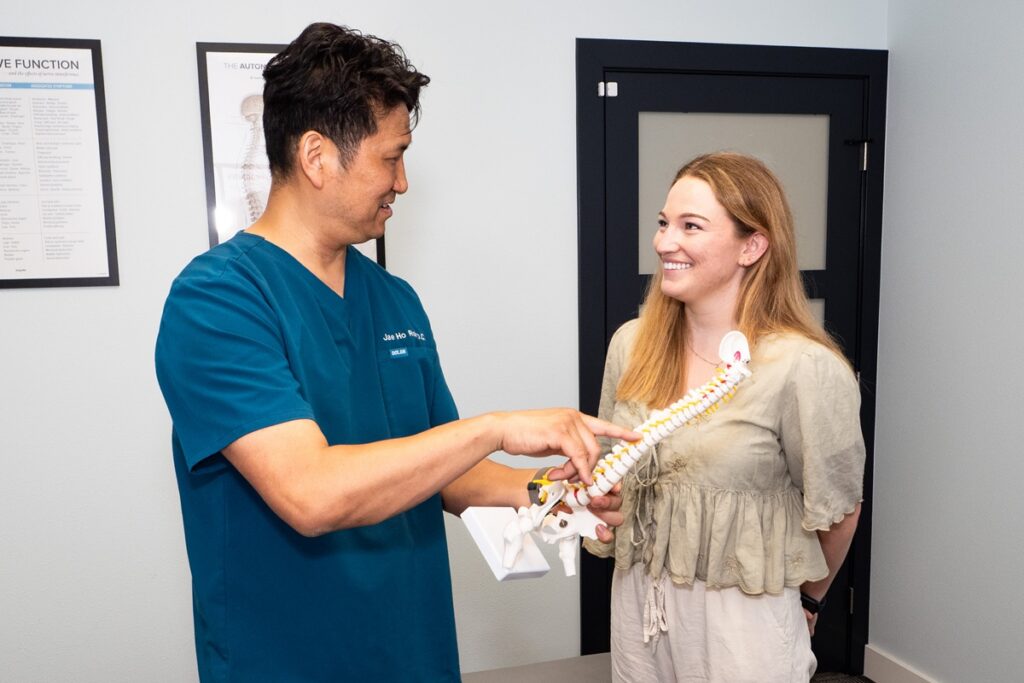
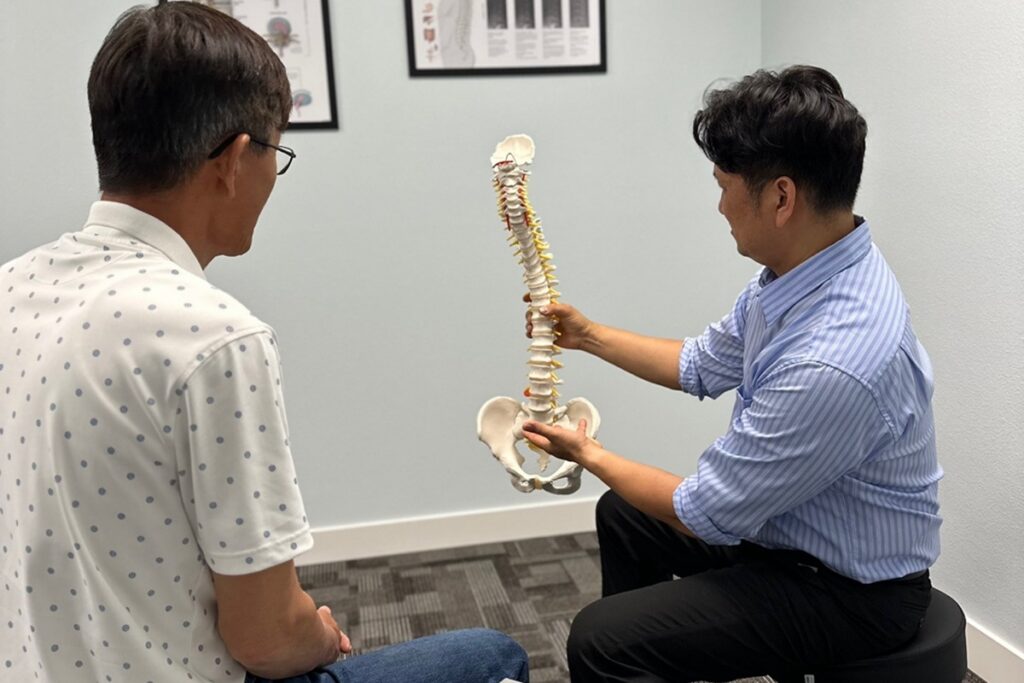
At Revive Chiropractic in Sunnyvale, Dr. Jae ho Roh approaches frozen shoulder with a comprehensive, individualized strategy. Because the shoulder doesn’t operate in isolation, the cervical spine (neck), thoracic spine (mid-back), and the mechanics of the shoulder blade all factor into how well the shoulder moves and heals. Chiropractic adjustments to the neck and mid-back can help restore proper joint mechanics in areas that may be compensating for the restricted shoulder.
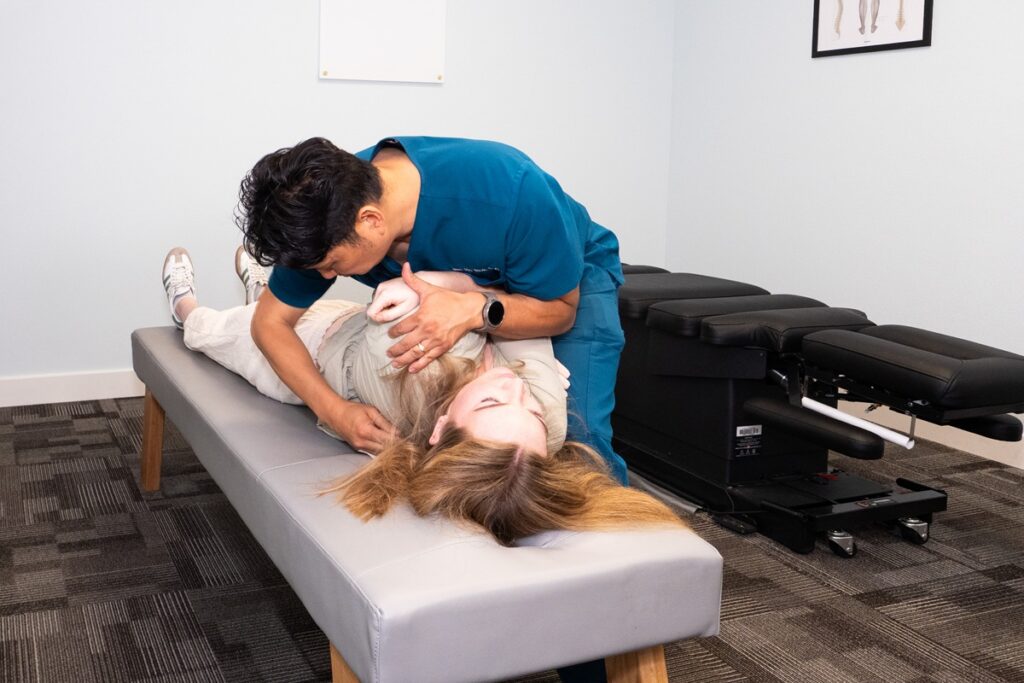
Gentle joint mobilization of the shoulder itself may be used to gradually encourage greater range of motion, depending on which stage of the condition the patient is in. During the freezing stage, when pain is acute, the approach is gentler and focused on reducing inflammation and protecting joint integrity. As the patient moves into the frozen and thawing stages, more active work on mobility can be introduced.
Soft tissue therapies may also be incorporated to address muscle tension and fascial restrictions that commonly develop around a frozen shoulder. When a joint is painful and restricted, surrounding muscles often tighten protectively — and releasing that tension is a key part of allowing the shoulder to move more freely over time.
Practical Tips for Managing Frozen Shoulder at Home
While professional care is important, what you do between appointments matters too. There are several safe, conservative strategies that can complement your chiropractic care and help keep things moving in the right direction.
Gentle, consistent movement is one of the most important things you can do. Avoiding the shoulder entirely because it hurts is understandable, but prolonged disuse tends to make the stiffness worse. Pendulum exercises — where you let your arm hang and gently swing it in small circles — are commonly recommended as a low-stress way to maintain some degree of motion without aggravating the joint.
Heat can be helpful for loosening up the shoulder before gentle movement. Applying a warm compress or moist heat to the shoulder for 15 to 20 minutes before gentle range-of-motion exercises may help the tissue respond better. Ice, on the other hand, may be more appropriate after activity if there is post-movement soreness.
Sleep position matters more than many people realize. Many patients with frozen shoulder find that sleeping on the affected side is intensely uncomfortable. Using a pillow under the affected arm to keep it supported at night can reduce nighttime pain significantly. Dr. Jae ho Roh often reviews these types of practical modifications with patients at Revive Chiropractic to help make day-to-day life more manageable during recovery.
When to See a Chiropractor for Shoulder Stiffness
If you’ve noticed shoulder stiffness or pain that has persisted for more than a few weeks — especially if it’s getting progressively worse rather than better — that’s a clear signal to get evaluated. Frozen shoulder tends to worsen without intervention, and the earlier appropriate care begins, the better the outcome typically looks.
There are also certain red flags that should prompt you to seek medical attention promptly rather than waiting. These include sudden severe shoulder pain after a fall or accident, visible deformity of the joint, significant weakness in the arm, numbness or tingling that travels down the arm, or fever accompanying the shoulder pain. These signs may indicate a different or more serious condition that requires imaging or medical referral.
For the vast majority of people with frozen shoulder, conservative care — including chiropractic, physical therapy, and self-care strategies — is a very reasonable first-line approach. Patients in Sunnyvale and the surrounding communities can reach out to Revive Chiropractic for a thorough evaluation to determine whether chiropractic care is appropriate for their specific situation.
Frozen Shoulder Stage Comparison
Stage |
Primary Symptoms |
Duration |
Chiropractic Focus |
|---|---|---|---|
|
Freezing Stage |
Increasing pain, especially at night; early loss of motion |
6 weeks – 9 months |
Pain management, gentle mobilization, cervical/thoracic care |
|
Frozen Stage |
Pain may plateau; severe stiffness and loss of range of motion |
4 – 6 months |
Mobility restoration, soft tissue therapy, postural support |
|
Thawing Stage |
Gradual improvement in motion; pain decreasing |
6 months – 2 years |
Progressive movement work, strengthening, functional recovery |
Myths vs. Facts About Frozen Shoulder
Myth: Frozen shoulder will go away on its own, so there’s no need for treatment.
Fact: While frozen shoulder can resolve without intervention in some cases, the process often takes one to three years or longer. Without appropriate care, many patients are left with lasting stiffness or incomplete recovery. Conservative care has been shown to help speed up recovery and improve outcomes during each stage of the condition.
Myth: You should rest the shoulder completely and avoid all movement.
Fact: Complete rest and immobility can actually worsen frozen shoulder by allowing more scar tissue to develop. Gentle, guided movement — appropriate to the stage of the condition — is an important part of recovery. Working with a qualified provider like Dr. Jae ho Roh helps ensure movement is being introduced safely and at the right level.
Myth: Only athletes or physically active people get frozen shoulder.
Fact: Frozen shoulder is actually more common in sedentary individuals, particularly those who have experienced a period of immobility. It frequently affects people with no history of athletic injury. Risk factors like diabetes, thyroid conditions, and age (especially 40–60 years old) are more predictive than physical activity level.
Myth: Chiropractic adjustments directly fix the frozen shoulder capsule.
Fact: Chiropractic care doesn’t directly manipulate the scarred joint capsule, but it can support the body’s healing process by improving joint mechanics, reducing compensatory muscle tension, and restoring range of motion in adjacent areas like the neck and mid-back. It works as part of a broader, integrative conservative care approach.
Myth: Surgery is usually necessary to treat frozen shoulder.
Fact: The majority of frozen shoulder cases respond well to conservative, non-surgical care. Surgery is typically considered only after prolonged conservative treatment has failed to provide adequate relief. Most patients — when they commit to consistent care and guided exercise — see meaningful improvement without the need for surgical intervention.
Final Thoughts from Revive Chiropractic in Sunnyvale
Frozen shoulder is one of those conditions that can feel discouraging — especially in the early months when the pain is high and every movement is a reminder of what you’ve lost. But here’s what Dr. Jae ho Roh wants every patient at Revive Chiropractic to know: this condition does improve. It’s a process, not a permanent state. With the right support, guidance, and consistent care, most people regain meaningful function in their shoulder.
The community here in Sunnyvale, CA is full of active, hardworking people who rely on their bodies every day — whether that’s in the office, at home, or out enjoying everything the Bay Area has to offer. A frozen shoulder shouldn’t have to sideline you indefinitely. Understanding what’s happening in your body, getting an accurate assessment, and beginning an appropriate care plan are the first steps toward getting back to the life you love.
If you’ve been dealing with shoulder stiffness, pain, or limited motion, we encourage you to reach out and schedule an evaluation at Revive Chiropractic. You don’t have to figure this out alone, and you don’t have to keep pushing through the discomfort without answers. Dr. Jae ho Roh and the team at Revive Chiropractic in Sunnyvale, CA are here to help you move forward — one thaw at a time.
Frequently Asked Questions About Frozen Shoulder
Can a chiropractor help with frozen shoulder?
Yes, chiropractic care can be a helpful part of a conservative management plan for frozen shoulder. While it doesn’t directly resolve the scarring within the joint capsule, chiropractic adjustments and soft tissue work can help restore mobility in surrounding areas, reduce compensatory muscle tension, and support overall shoulder function. Results vary by individual and by the stage of the condition.
How long does frozen shoulder last?
Frozen shoulder typically progresses through three stages over a total period of one to three years. Some individuals recover more quickly, especially with consistent conservative care. Others may experience longer timelines, particularly if the condition goes unaddressed for an extended period.
What is the difference between frozen shoulder and a rotator cuff injury?
These are two distinct conditions. A rotator cuff injury typically involves damage to the muscles or tendons that stabilize the shoulder, often with specific weakness patterns. Frozen shoulder involves the joint capsule itself and is primarily characterized by stiffness and restricted range of motion. A clinical evaluation is the best way to distinguish between the two.
Is frozen shoulder more common in women?
Yes, research does indicate that women — particularly those between the ages of 40 and 60 — are more commonly affected by frozen shoulder than men. The exact reasons aren’t fully understood, but hormonal factors and connective tissue differences may play a role.
Will stretching help my frozen shoulder?
Gentle stretching and range-of-motion exercises can be beneficial, especially during the frozen and thawing stages. However, aggressive stretching during the most painful freezing stage can sometimes aggravate symptoms. It’s best to get guidance on the appropriate type and level of movement from a qualified provider before beginning a stretching routine.
Should I get an X-ray or MRI for frozen shoulder?
Imaging is not always necessary to diagnose frozen shoulder, as the condition is largely identified through clinical evaluation and movement testing. However, imaging may be recommended to rule out other causes of shoulder pain — such as fractures, calcifications, or rotator cuff tears — particularly if the presentation is unclear. Your provider will guide you on whether imaging is appropriate in your case.
TL;DR — Key Takeaways
-
Frozen shoulder (adhesive capsulitis) is a progressive condition involving inflammation and scarring of the shoulder joint capsule, causing pain and significant loss of motion.
-
It develops in three stages — freezing, frozen, and thawing — and can last one to three years without appropriate care.
-
Chiropractic care can support recovery by improving joint mechanics, reducing muscle tension, and restoring mobility in the neck, mid-back, and shoulder region.
-
Gentle movement, heat, and proper sleep positioning are practical home strategies that can complement professional care.
-
Most frozen shoulder cases respond well to conservative, non-surgical approaches — and the sooner care begins, the better the typical outcome.