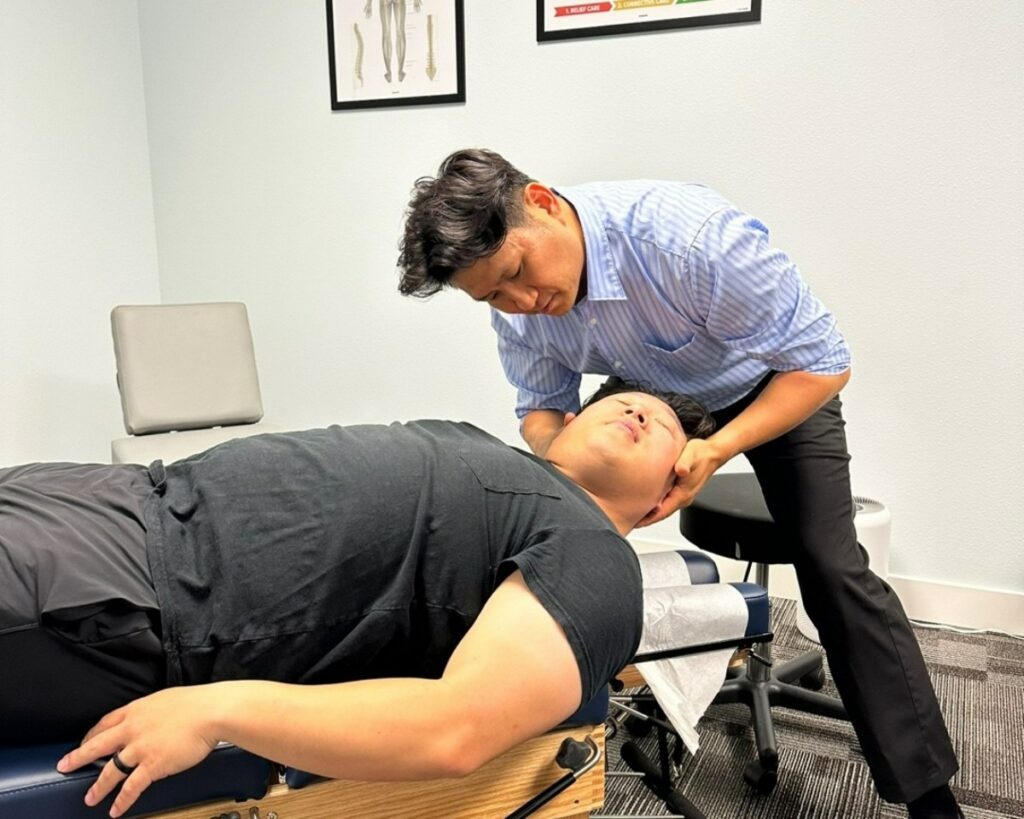

You might not realize how essential chiropractic care can be for your athletic recovery. By focusing on adjustments that enhance spinal alignment and mobility, you can experience significant benefits in your performance and overall wellbeing. Techniques like soft tissue therapy can alleviate tension, promoting faster healing. But what specific strategies should you consider to optimize your recovery? And how can tailored chiropractic approaches make a difference for your particular sport? Let's explore these key elements further.
Importance of Athletic Recovery
Understanding the importance of athletic recovery is essential for any athlete looking to enhance performance and prevent injury. Recovery isn't just about resting; it's a vital phase in your training regimen that allows your body to heal and adapt. When you push your limits, your muscles experience micro-tears, and recovery helps repair those tears, ultimately leading to stronger muscles and improved performance.
If you ignore recovery, you risk overtraining, which can lead to fatigue, decreased performance, and serious injuries. You might feel the urge to keep pushing, but your body needs time to bounce back. Incorporating rest days, active recovery sessions, and proper nutrition into your routine can make a significant difference in how well you perform in your next training session or competition.
You should also pay attention to your body's signals. If you're feeling unusually sore or fatigued, it's a sign you need to slow down and allow your body to recover. This doesn't mean you have to stop exercising altogether; instead, consider lighter activities like stretching or yoga to keep your body moving without adding strain.
Additionally, mental recovery is just as important. Taking time to relax and recharge mentally can help you stay focused and motivated. By prioritizing both physical and mental recovery, you'll set yourself up for long-term success and longevity in your athletic career.
How Chiropractic Adjustments Help
Chiropractic adjustments frequently play an important role in enhancing athletic recovery by addressing musculoskeletal imbalances and improving overall function. When you undergo an adjustment, your chiropractor focuses on realigning your spine and other joints, which helps restore proper movement patterns. This realignment reduces tension and stress on your muscles and ligaments, allowing your body to heal more effectively.
You mightn't realize it, but even minor misalignments can lead to significant discomfort and hinder your performance. By correcting these misalignments, chiropractic adjustments can help alleviate pain and improve your range of motion. This means you'll be able to train harder and recover faster, ultimately leading to better performance in your sport.
Moreover, adjustments can enhance blood circulation, which is vital for delivering nutrients and oxygen to your muscles. Improved circulation also aids in the removal of metabolic waste, promoting quicker recovery. You may find that after a session, you feel more energized and ready to tackle your next workout.
Chiropractic care isn't just about addressing immediate issues; it's also about preventing future injuries. Regular adjustments can help keep your body in peak condition, reducing the risk of strains or sprains during athletic activities.
Soft Tissue Techniques Explained
In the domain of athletic recovery, soft tissue techniques play an essential role in addressing muscle tension and promoting healing. These techniques focus on the muscles, tendons, and ligaments, helping to relieve tightness and improve overall function. You'll find that methods like massage therapy, myofascial release, and trigger point therapy are commonly utilized by chiropractors to enhance recovery.
When you undergo massage therapy, the therapist uses varying pressure and strokes to manipulate your soft tissues. This not only alleviates soreness but also increases blood circulation, allowing essential nutrients to reach the injured areas more efficiently.
Myofascial release, on the other hand, targets the fascia— the connective tissue surrounding your muscles. By applying sustained pressure, it helps to release restrictions, enhancing your mobility and reducing discomfort.
Trigger point therapy focuses on specific knots within your muscles that can cause referred pain in other areas. By applying direct pressure to these points, you can experience significant relief and a quicker return to peak performance.
Incorporating these soft tissue techniques into your recovery routine can greatly enhance your overall athletic performance. You'll notice improved flexibility and a faster healing process, allowing you to get back to your training sooner.
Injury Prevention Strategies
Recognizing the importance of injury prevention is essential for any athlete looking to maintain peak performance. To achieve this, you need to adopt a multifaceted approach that includes proper training techniques, adequate recovery, and regular chiropractic care.
First, make sure your training regimen is well-structured, incorporating a balanced mix of strength, flexibility, and endurance exercises. This balance reduces the risk of overexertion and muscle imbalances, which can lead to injuries.
Next, listen to your body. Pay attention to any signs of discomfort or fatigue, and don't hesitate to adjust your training intensity accordingly. Implementing rest days is critical; these allow your muscles to recover and rebuild.
Additionally, incorporating cross-training can help prevent repetitive strain injuries by working different muscle groups and preventing overuse.
Chiropractic care plays an important role in injury prevention as well. Regular adjustments can help maintain proper spinal alignment, improving your overall biomechanics. When your body moves efficiently, you're less likely to sustain injuries.
Furthermore, chiropractors can offer valuable advice on posture and ergonomics, which can greatly impact your performance.
Lastly, don't underestimate the power of proper warm-ups and cool-downs. Dynamic stretches before workouts prepare your muscles for the demands ahead, while static stretches after can enhance flexibility and reduce soreness.
Enhancing Performance Through Care
When you incorporate chiropractic care into your routine, you can release improved flexibility and mobility that directly boosts your performance.
You'll also learn effective injury prevention techniques that keep you on the field longer.
With enhanced recovery strategies, you'll bounce back faster and stronger after every challenge.
Improved Flexibility and Mobility
Improved flexibility and mobility play an essential role in enhancing athletic performance. When you focus on these aspects, you're not just loosening your muscles; you're releasing your full potential as an athlete. Chiropractic care can help you achieve that by addressing any restrictions in your joints and muscles.
Regular adjustments can increase your range of motion, allowing you to perform movements more efficiently. This means you can sprint faster, jump higher, and execute complex maneuvers with greater ease. It's not just about being flexible; it's about how that flexibility translates into better performance on the field or court.
Incorporating chiropractic care into your routine can also aid in muscle recovery. When your body moves more freely, you can recover quicker after intense workouts. This means less downtime and more time training or competing.
Whether you're a weekend warrior or a seasoned athlete, investing in your flexibility and mobility can lead to noticeable improvements in your performance. By prioritizing chiropractic care, you're taking a proactive step toward reaching your athletic goals and enhancing your overall physical capabilities.
Injury Prevention Techniques
Injury prevention techniques are essential for athletes looking to maintain peak performance and stay in the game. By incorporating these methods into your routine, you can notably reduce the risk of injuries and enhance your overall athletic experience.
Here are four effective strategies you should consider:
- Regular Chiropractic Care: Regular visits to a chiropractor can help identify misalignments and imbalances in your body, allowing for adjustments that optimize your performance.
- Strength Training: Building strength in key muscle groups can provide better support for your joints, helping to prevent injuries during intense activity.
- Dynamic Warm-Ups: Engaging in dynamic stretches before workouts increases blood flow and prepares your muscles for action, reducing the likelihood of strains or sprains.
- Proper Footwear: Wearing athletic shoes that fit well and offer adequate support can make a notable difference in your body's alignment and stability, lowering your risk of foot and ankle injuries.
Enhanced Recovery Strategies
After an intense competition or training session, your body needs time and care to recover effectively. This is where enhanced recovery strategies come into play, and chiropractic care can be an essential part of your routine. By addressing misalignments and tension, chiropractic adjustments help restore balance to your body, enabling more efficient recovery.
Incorporating techniques like active release therapy and myofascial release can also improve muscle function and reduce soreness. These methods target tight areas, releasing tension and promoting better blood flow, which is important for recovery.
Stretching and mobility exercises complement chiropractic care, increasing flexibility and decreasing the risk of future injuries.
Don't forget the significance of nutrition and hydration in your recovery process. Proper fueling can greatly impact how quickly your body bounces back, so consider working with a nutritionist to optimize your diet.
Additionally, prioritize sleep, as it plays a key role in muscle repair and overall performance.
The Role of Spinal Health
Your spinal health plays an essential role in your overall athletic performance.
When your spine is properly aligned, it enhances nervous system function, allowing your body to respond more effectively during physical activities.
Prioritizing spinal care can lead to quicker recovery and improved outcomes in your training.
Importance of Spinal Alignment
Spinal alignment is vital for athletes seeking ideal performance and recovery. When your spine is properly aligned, it can greatly impact your overall health and athletic capabilities.
Here's how spinal alignment makes a difference:
- Improved Mobility: Proper alignment allows for best movement, enhancing your flexibility and range of motion. This can help prevent injuries during training and competition.
- Increased Strength: A well-aligned spine can improve your body's biomechanics, leading to more effective force generation. This means you can perform better during workouts and events.
- Enhanced Posture: Good spinal health promotes better posture, which is essential for maintaining balance and stability. This becomes particularly important during high-intensity activities.
- Faster Recovery: When your spine is aligned, your muscles and joints function more efficiently, allowing for quicker recovery times post-exercise. This means you can get back to training sooner.
Enhancing Nervous System Function
Proper spinal alignment doesn't just benefit mobility and strength; it also plays a significant role in enhancing your nervous system function. When your spine is properly aligned, it allows the nervous system to communicate effectively with the rest of your body. This means your brain can send and receive signals without interference, leading to improved coordination and faster response times.
Misalignments, or subluxations, can disrupt these signals, causing issues like pain, fatigue, or even muscle weakness. By visiting a chiropractor, you can address these misalignments and restore balance to your nervous system. Chiropractic adjustments help to alleviate pressure on nerves, ensuring they're free to transmit information efficiently.
Moreover, a well-functioning nervous system supports recovery after intense workouts. You'll find that your body can heal faster, reducing downtime and allowing you to return to your training regime sooner.
With regular chiropractic care, you can maintain ideal spinal health, ensuring your nervous system operates at its best.
Personalized Treatment Plans
A tailored approach to chiropractic care can markedly enhance an athlete's recovery process. By developing a personalized treatment plan, you can target specific needs and optimize your performance. This strategy guarantees that your recovery isn't just about addressing symptoms but also about promoting overall wellness and functionality.
Here are four key elements to contemplate when creating your personalized plan:
- Assessment of Individual Needs: Every athlete's body is different. A thorough assessment helps identify your unique physical condition, any injuries, and your specific goals.
- Customized Treatment Techniques: Whether it's spinal adjustments, soft tissue therapies, or rehabilitation exercises, your plan should utilize techniques that align with your individual needs and preferences.
- Incorporation of Recovery Modalities: Integrating additional recovery methods, such as nutritional guidance, hydration strategies, and rest protocols, can complement your chiropractic care, guaranteeing a holistic approach to recovery.
- Regular Progress Evaluations: Monitoring your progress is essential. Regular check-ins allow adjustments to your treatment plan based on how your body responds to therapy and your evolving goals.
Chiropractic Care for Specific Sports
When you think about chiropractic care, it's crucial to recognize that different sports come with unique demands and challenges.
Whether you're a runner, a football player, or a gymnast, the physical stresses on your body vary greatly, and chiropractic care can be tailored to meet those specific needs.
For runners, chiropractic adjustments focus on alignment and balance, helping to prevent common injuries like shin splints and IT band syndrome.
Regular adjustments can improve your stride efficiency and enhance your overall performance.
In contrast, football players often deal with high-impact collisions, so chiropractic care emphasizes spinal alignment, joint mobility, and muscle recovery to minimize the risk of injuries and promote quicker healing.
If you're into sports like gymnastics, you might benefit from specialized techniques that enhance flexibility and core strength.
Chiropractors often use soft tissue therapies alongside adjustments to help manage the repetitive strain associated with gymnastic routines.
For cyclists, chiropractic care can address issues related to posture and repetitive motion, ensuring that your body remains balanced and free from discomfort during long rides.
No matter your sport, incorporating chiropractic care into your training regimen can help you recover more effectively, maintain peak performance, and reduce the risk of injuries.
Case Studies and Success Stories
Let's take a look at some inspiring testimonials from professional athletes who've experienced the benefits of chiropractic care.
You'll also find remarkable injury recovery success stories that showcase how effective this treatment can be in getting athletes back to peak performance.
These real-life examples highlight the significant role chiropractic plays in athletic recovery.
Professional Athlete Testimonials
Chiropractic care, utilized by many professional athletes, has proven instrumental in enhancing recovery and performance.
You might be surprised by how many elite athletes swear by chiropractic adjustments to maintain their competitive edge.
Let's look at a few testimonials that illustrate the impact of chiropractic care:
- Tom Brady – The NFL superstar credits regular chiropractic adjustments for his longevity and ability to perform at a high level, even in his forties.
- Serena Williams – This tennis legend has shared how chiropractic treatments help her recover faster from matches and maintain her flexibility.
- Michael Phelps – The Olympic swimmer has spoken about using chiropractic care to prevent injuries and optimize his training regimen, allowing him to break records.
- Usain Bolt – The world-renowned sprinter acknowledges that chiropractic support has played a significant role in his recovery process after intense competitions.
These testimonials not only highlight the benefits of chiropractic care but also emphasize its importance in the lives of athletes.
Injury Recovery Success Stories
Many athletes have experienced remarkable recoveries from injuries with the help of chiropractic care.
Take, for example, a competitive runner who faced a severe ankle sprain just weeks before a major marathon. After a series of chiropractic adjustments and targeted rehabilitation exercises, they returned to running pain-free in just a matter of weeks, ultimately completing the marathon with a personal best.
Another success story involves a professional football player who struggled with chronic neck pain that hindered their performance.
Through a tailored chiropractic treatment plan focusing on spinal alignment and muscle balance, they not only alleviated pain but also improved their overall strength and agility. This player went on to have one of their best seasons yet, proving that chiropractic care can make a significant difference.
These case studies highlight the effectiveness of chiropractic treatment in injury recovery.
Finding a Qualified Chiropractor
Finding a qualified chiropractor can greatly impact your athletic recovery. Having the right professional by your side can enhance your performance, alleviate pain, and speed up your healing process.
However, choosing the right chiropractor isn't always straightforward. Here are some key steps to help you find one that suits your needs:
- Check Credentials: Verify the chiropractor is licensed and has the necessary qualifications. Look for a Doctor of Chiropractic (DC) degree from an accredited institution.
- Experience Matters: Find someone who specializes in sports injuries or athletic recovery. A chiropractor with experience in your specific sport can provide targeted treatment.
- Read Reviews: Look for testimonials or reviews from other athletes. Positive feedback can give you insight into their approach and effectiveness.
- Consultation: Schedule an initial consultation. This gives you a chance to ask questions and gauge their communication style. A good chiropractor will listen to your concerns and create a tailored recovery plan.
Conclusion
Incorporating chiropractic care into your athletic routine can greatly enhance your recovery and performance. By addressing musculoskeletal imbalances and utilizing targeted techniques, you'll not only prevent injuries but also optimize your overall function. With personalized treatment plans tailored to your needs, you can bounce back faster and stronger. Don't underestimate the power of chiropractic care—it's an essential component in your journey to peak athletic performance. Seek out a qualified chiropractor and experience the benefits firsthand.