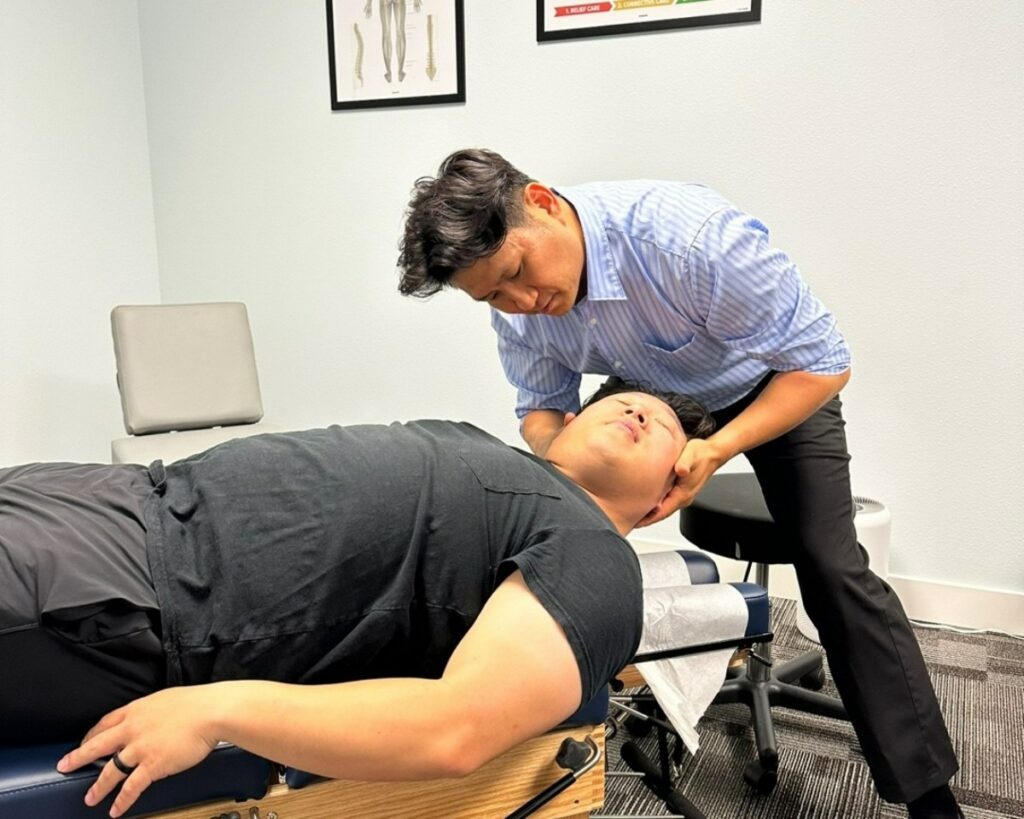

As a local chiropractor, I want to share with you the various sustainable options available for managing back pain. Many people are not aware that there are natural, holistic approaches that can provide significant relief. From chiropractic adjustments to physical therapy and mindfulness techniques, each method offers distinct advantages tailored to your individual needs.
Chiropractic care focuses on aligning the spine and optimizing nervous system function, which can lead to reduced pain and improved mobility. Additionally, incorporating physical therapy can strengthen the muscles that support your back, while mindfulness techniques can help you manage stress and promote relaxation.
By understanding how these solutions complement each other, we can develop a comprehensive plan that supports your long-term healing and well-being. If you’re curious about how chiropractic care and other natural healing methods can benefit you, let’s delve deeper into these options together. Your path to a pain-free life is within reach!
Understanding the Causes of Back Pain
As a local chiropractor, I want to help you understand the root causes of your back pain and how we can address them through natural healing. Back pain can arise from a variety of sources, and recognizing these factors is crucial in finding relief.
One common culprit is poor posture. Many of us spend long hours at desks, often slouching or hunching over, which can put significant strain on your spine.
Additionally, muscle imbalances or weaknesses can contribute to chronic discomfort, particularly if you lead a sedentary lifestyle.
Injuries, whether from sports or accidents, can also lead to sudden back pain. It’s important to note that age-related conditions, such as arthritis or degenerative disc issues, can result in ongoing pain as well.
Furthermore, emotional stress and anxiety can manifest physically, leading to tension in the back muscles.
Lifestyle choices play a big role too. Carrying heavy bags or wearing the wrong type of footwear can aggravate your condition.
By identifying the specific cause of your back pain, we can work together to implement effective strategies for managing it, ultimately enhancing your overall health and well-being.
The Role of Physical Therapy in Recovery
As a local chiropractor dedicated to your well-being, I want to emphasize the vital role that chiropractic care can play in your recovery from back pain.
Unlike traditional treatments, chiropractic offers personalized approaches that cater to your specific needs, enabling you to manage pain effectively over time.
Through a combination of spinal adjustments, therapeutic exercises, and holistic techniques, you can restore strength and enhance mobility, setting the foundation for a healthier lifestyle.
Embracing chiropractic care isn’t just about addressing pain; it’s about empowering you to achieve optimal health naturally.
Benefits of Physical Therapy
As a local chiropractor, I want to emphasize the vital role that chiropractic care can play in your recovery from back pain. Our approach focuses on natural healing methods that target the root causes of your discomfort, helping to restore your body’s function without the need for invasive procedures or medications.
Chiropractic care offers personalized treatment plans designed to strengthen your back, enhance flexibility, and improve your posture. By incorporating specific adjustments and exercises, we can effectively reduce your pain and prevent future injuries, allowing you to take control of your health and well-being.
In addition to spinal adjustments, I’ll teach you essential techniques for managing pain in your daily life. This includes proper lifting mechanics and ergonomic recommendations for your work environment, ensuring that you can maintain a healthy posture throughout your day.
Together, we’ll explore lifestyle modifications that support your long-term recovery and overall wellness.
Customized Treatment Plans
As a local chiropractor, I want to help you understand the importance of personalized treatment plans for back pain relief. Many individuals try various remedies, but a customized approach is key to effective recovery. When you visit our clinic, we take the time to assess your specific condition, examining the underlying causes of your discomfort.
Through gentle chiropractic adjustments and targeted therapies, we focus on enhancing your overall spinal health, which can lead to reduced pain and improved mobility. Our tailored treatment plans include exercises and stretches designed specifically for your needs, helping to strengthen your back and increase flexibility.
This individualized care not only alleviates your pain but also equips you with the knowledge and tools to manage your symptoms effectively. We believe in the importance of regular follow-ups, allowing us to monitor your progress and make necessary adjustments to your plan.
Long-Term Pain Management
As a local chiropractor, I want to share how integrating chiropractic care into your long-term pain management strategy can significantly enhance your recovery from back pain. Chiropractic assessments help us understand your specific needs, allowing us to create a personalized treatment plan that targets your pain points effectively.
Through chiropractic adjustments, we can help improve spinal alignment, which plays a crucial role in alleviating back pain and enhancing overall function. We also incorporate exercises to strengthen your core and improve flexibility, which can reduce the likelihood of future pain episodes.
Regular visits to our clinic provide you with accountability and motivation, ensuring you stay committed to your wellness journey.
In addition to adjustments, we utilize various natural healing techniques, such as soft tissue therapy and rehabilitation exercises, to help alleviate pain and promote healing. As you progress, we’ll continuously reassess your condition and adjust your treatment plan to ensure it remains effective and challenging.
Benefits of Regular Exercise for Back Health
As a local chiropractor, I want to share how regular exercise can significantly enhance your back health. Engaging in physical activity helps to strengthen your core muscles, which serve as the foundation for a strong back.
Additionally, regular movement promotes flexibility, allowing your spine to maintain proper alignment and reducing the risk of pain.
You might also notice improvements in your posture as you incorporate exercise into your daily routine. Good posture is crucial for preventing discomfort and supporting your overall well-being.
By making exercise a consistent part of your lifestyle, you can experience a greater sense of freedom in your movements and an overall improvement in how you feel.
Strengthens Core Muscles
As a local chiropractor, I want to emphasize the importance of core strength for your overall health and well-being. Engaging in regular exercise not only improves your general fitness but also significantly strengthens your core muscles, which are vital in supporting your back.
A strong core acts like a natural brace for your spine, reducing the strain on your back during everyday activities. By stabilizing your spine, a strong core helps prevent injuries and can alleviate existing pain by distributing weight more evenly across your body.
I recommend incorporating exercises such as planks, bridges, and various abdominal workouts into your routine to enhance your core strength.
As you strengthen your core, you’ll likely notice improvements in your posture and balance, making it easier to carry out daily tasks. Plus, staying active and engaged in life is crucial for long-term back health.
Improves Flexibility and Mobility
As a local chiropractor, I want to share the importance of building a strong core and how it can lead to improved flexibility and mobility—key components for maintaining a healthy back. Engaging in regular exercise, including stretching and specific movements, can help lengthen your muscles and enhance your range of motion.
When your body can move more freely, it significantly reduces the risk of injury and strain, making everyday activities easier and more enjoyable.
I often recommend practices like yoga and Pilates to my patients, as they focus on flexibility, control, and strengthening the core. These activities can be particularly beneficial for your overall well-being.
Improving your mobility not only aids in everyday tasks, such as bending down to pick something up or reaching for an item on a high shelf, but it also contributes to your overall back health.
Prioritizing flexibility and mobility is essential for a pain-free life. If you have any questions about how chiropractic care can help you enhance these aspects of your health, feel free to ask during your next visit.
Enhances Posture and Alignment
As a local chiropractor, I want to emphasize the importance of consistent exercise in not just strengthening your muscles, but also improving your posture and alignment.
When you engage in core-strengthening exercises, you provide vital support to your spine, helping it maintain a neutral position and reducing strain on your back. Activities such as yoga and Pilates can greatly enhance your body awareness, allowing you to identify and correct poor posture habits that may be contributing to discomfort.
Incorporating regular exercise into your routine also increases your flexibility, which translates to a greater range of motion and can help relieve tight muscle tension.
By committing to a consistent exercise plan, you’ll build the strength necessary to maintain proper alignment throughout your daily activities.
The benefits of improved posture extend beyond just aesthetics; they can significantly boost your confidence and contribute to long-term spinal health.
By focusing on alignment and posture, you can reduce the risk of pain and injury, making it an essential aspect of your overall wellness journey.
Mindfulness and Stress Reduction Techniques
As a local chiropractor, I often see patients who feel overwhelmed by back pain. One of the most effective ways to manage this discomfort is to incorporate mindfulness and stress reduction techniques into your daily routine. Practicing mindfulness can help you stay present, which often reduces the anxiety and tension that can make your pain feel worse.
I recommend starting with just a few minutes each day to focus on your breath. This simple practice can ground you and create a calming effect that may help alleviate some of your discomfort.
In addition to breathwork, consider adding meditation or yoga to your routine. These techniques not only promote relaxation but also improve your flexibility, which is essential for maintaining a healthy spine.
Deep breathing exercises are another valuable tool to keep in your toolkit. Taking a moment throughout your day to engage in deep breathing can help release built-up stress and tension in your body.
It’s also important to listen to your body. If you start feeling tension rising, take a moment to pause and reset.
Alternative Therapies: Acupuncture and Chiropractic Care
As a local chiropractor, I want to share how alternative therapies like chiropractic care and acupuncture can provide significant relief for those struggling with back pain.
Chiropractic care specifically focuses on aligning the spine and enhancing your body’s biomechanics. By performing precise adjustments, we aim to relieve tension, reduce pain, and promote better posture. This hands-on approach not only targets your discomfort but also addresses the underlying issues that may be contributing to your pain.
Acupuncture, on the other hand, is another effective alternative therapy that involves inserting thin needles into specific points of your body. This practice stimulates your natural healing processes and can also lead to noticeable improvements in back pain, enhancing your mobility and overall wellness.
Both chiropractic care and acupuncture emphasize a holistic approach to health, looking beyond just the symptoms to help you achieve long-term relief.
By incorporating these therapies into your routine, you can take an active role in managing your back pain.
If you’re interested in exploring these options, I encourage you to consult with a professional who can work with you to create a personalized treatment plan that best fits your needs.
Together, we can help you regain control over your back pain and improve your quality of life.
The Importance of Ergonomics in Daily Life
As your local chiropractor, I want to emphasize the importance of taking care of your spine and overall health through both chiropractic care and mindful daily habits. Many people underestimate how their everyday activities can affect their spine health.
By focusing on ergonomics, we can greatly reduce discomfort and promote better alignment. Here are four straightforward ways to improve your daily ergonomics:
- Adjust your workspace: It’s crucial to ensure that your chair and desk are set up correctly. Aim for a height that allows you to maintain a neutral spine position while you work. This small adjustment can make a significant difference in your comfort level.
- Use supportive seating: Consider investing in a chair that provides excellent lumbar support. This can help alleviate strain on your back and encourage proper posture throughout the day.
- Practice proper lifting techniques: When lifting heavy objects, remember to bend your knees and keep your back straight. This technique helps prevent injury and reduces the risk of strain on your spine.
- Take regular breaks: I recommend standing up, stretching, or walking around every hour. This practice not only alleviates tension but also promotes blood flow, which is essential for maintaining a healthy spine.
By incorporating these simple changes into your daily routine, you can enhance your spinal health and complement the benefits of chiropractic care.
Nutrition and Its Impact on Back Pain
As a local chiropractor, I want to emphasize the vital role that nutrition plays in managing back pain. The foods we consume can significantly affect the health of our spine and overall well-being. By adopting a balanced diet rich in anti-inflammatory foods—such as colorful fruits, crisp vegetables, wholesome whole grains, and lean proteins—you can effectively reduce inflammation around your spine and alleviate discomfort.
In particular, omega-3 fatty acids, which are found in fatty fish, walnuts, and flaxseeds, are known for their inflammation-reducing properties. Incorporating these into your meals can be beneficial for your back health.
Hydration is another key factor. Staying well-hydrated helps maintain the health of your spinal discs, which act as cushions between the vertebrae.
It’s equally important to steer clear of processed foods that are high in sugar and trans fats, as these can contribute to inflammation and unwanted weight gain, putting additional strain on your back.
Furthermore, ensuring you get adequate calcium and vitamin D is essential for maintaining strong bones and reducing the risk of injury.
Building a Personalized Pain Management Plan
As a local chiropractor, I want to help you understand the importance of creating a personalized pain management plan to effectively address your back pain. By customizing your approach, we can enhance your quality of life and alleviate discomfort. Here are four essential steps to consider:
1. Identify Triggers: I recommend keeping a journal to document activities, postures, or stressors that worsen your pain. By pinpointing these triggers, we can work together to avoid them and develop strategies to manage your pain more effectively.
2. Set Goals: It’s vital to clearly define your objectives—whether you aim to reduce pain levels, improve mobility, or regain the ability to engage in daily activities. Establishing specific goals will guide our treatment plan and help us measure your progress.
3. Incorporate Multiple Strategies: A comprehensive approach is often the most effective. We can combine chiropractic adjustments, physical therapy, and natural therapies like acupuncture or massage to address your pain from various angles.
This holistic method ensures that we’re treating the root cause of your discomfort.
4. Monitor Progress: Together, we’ll regularly evaluate how well your personalized pain management plan is working. By assessing your progress, we can make necessary adjustments to ensure our strategies remain effective and aligned with your evolving needs.