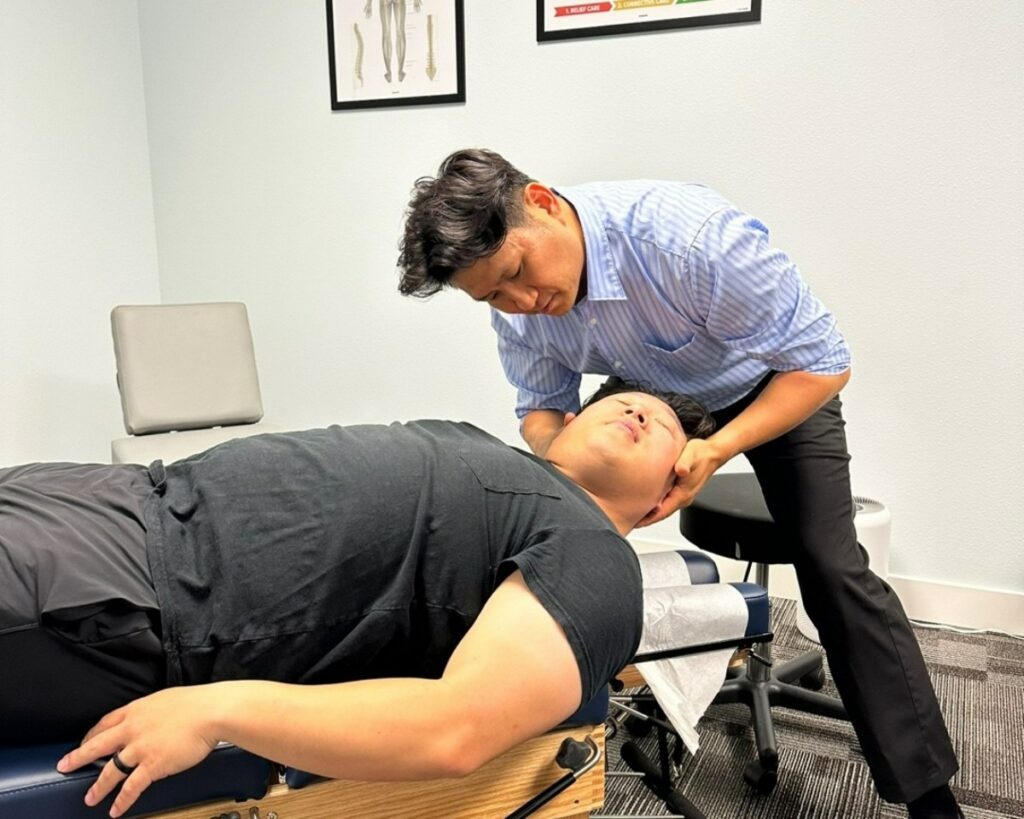

When you sustain an athletic injury, it’s important to understand how to enhance your recovery effectively. As a local chiropractor, I want to share some insights into how immediate care, proper nutrition, adequate rest, and mental strategies can significantly impact your healing journey. Each of these elements plays a vital role in your overall recovery and can help you build resilience.
So, what specific steps can you take to optimize these aspects? First, let’s talk about immediate care. Seeking chiropractic treatment right after an injury can help alleviate pain and promote healing by addressing misalignments and improving mobility. Next, nutrition is crucial; fueling your body with the right nutrients can accelerate recovery. Focus on foods rich in vitamins and minerals, particularly those that reduce inflammation.
Rest is equally important; your body needs time to heal, so don’t rush back into activities too soon. Lastly, mental strategies, such as visualization and positive affirmations, can keep you motivated and focused on recovery. Understanding how these components work together can be the key to returning to your sport stronger than ever. If you have any questions or need guidance on your recovery process, feel free to reach out to my office. We’re here to help you every step of the way.
Understanding Athletic Injuries: Types and Causes
As a local chiropractor, I want to help you understand the various types of athletic injuries and the reasons behind them, so you can take charge of your health and well-being.
When participating in sports, injuries can generally be classified into two main categories: acute and chronic.
Acute injuries happen suddenly, often as a result of a specific incident. For example, you might sprain your ankle while making a sharp turn during a game or strain a muscle while lifting weights. These types of injuries can be quite painful and often require immediate attention.
On the other hand, chronic injuries develop gradually over time. They’re usually caused by repetitive stress or overuse of certain muscles and joints, such as tendonitis or stress fractures. These conditions can develop when the body is subjected to the same movements repeatedly without adequate rest or recovery.
Understanding the causes of these injuries is crucial for prevention. Acute injuries can often be linked to factors like improper technique, insufficient warm-up, or using inappropriate equipment.
To avoid chronic injuries, it’s important to consider your training intensity, frequency, and the surfaces you’re exercising on.
At our chiropractic practice, we emphasize the importance of proper body mechanics and natural healing methods to help you recover from injuries and prevent future occurrences.
By educating yourself on these types and causes of athletic injuries, you can take proactive steps to enhance your performance and overall athletic experience.
The Importance of Immediate Care
As a local chiropractor, I want to emphasize the critical importance of immediate care following an athletic injury. Quick and effective treatment can significantly reduce your recovery time and enhance your overall healing outcomes.
When you sustain an injury, your body instinctively works to protect the affected area. However, receiving prompt care is vital to manage pain effectively and prevent any further damage.
For instance, applying ice to the injured area not only alleviates pain but also reduces swelling, while compression and elevation can further support the healing process. These natural methods are integral to what we do in chiropractic care, as we focus on promoting the body’s innate ability to heal itself.
It’s essential to seek professional help as soon as possible after an injury. As a chiropractor, I’m trained to assess your condition thoroughly, diagnose the extent of the injury, and recommend appropriate treatment tailored to your needs.
This early intervention not only addresses your immediate concerns but also sets the stage for a structured recovery plan that emphasizes natural healing techniques and holistic wellness.
Your path to recovery can begin with a simple visit, and together we can work towards restoring your health and getting you back to the activities you love.
Innovative Recovery Therapies
As a local chiropractor dedicated to helping you understand the benefits of natural healing, I want to introduce you to some innovative recovery therapies that can play a vital role in your rehabilitation from athletic injuries.
Two therapies that have shown great promise are cryotherapy and hyperbaric oxygen therapy.
Cryotherapy is a technique that involves exposing the body to extremely cold temperatures, which can significantly reduce inflammation and alleviate pain. This can be particularly beneficial for athletes recovering from injuries, as it helps to speed up the healing process.
On the other hand, hyperbaric oxygen therapy involves breathing pure oxygen in a pressurized environment. This therapy promotes healing at the cellular level by enhancing oxygen delivery to tissues, which can dramatically accelerate recovery.
Exploring these innovative therapies, along with chiropractic care, can help you on your journey to recovery, allowing you to get back to your favorite activities faster and more effectively.
If you’re interested in learning more about how these therapies can complement your treatment plan, feel free to reach out!
Cryotherapy Benefits
As a local chiropractor, I want to share with you how cryotherapy can significantly enhance your recovery from athletic injuries.
This cutting-edge therapy involves the use of extreme cold to combat inflammation, ease pain, and accelerate healing. When your body is exposed to cold temperatures, the blood vessels in the affected area constrict, which helps to reduce swelling and temporarily numb any discomfort.
Once your body begins to warm up again, blood flow resumes, bringing with it vital oxygen and nutrients that are crucial for recovery.
Moreover, cryotherapy can play a key role in minimizing muscle soreness following intense workouts. Many athletes have found that incorporating cryotherapy into their recovery routines allows them to bounce back more quickly.
By making cryotherapy a part of your overall recovery strategy, you can optimize your healing process and return to your favorite activities faster, feeling stronger and more resilient.
As your chiropractor, I encourage you to consider this natural healing approach to support your athletic endeavors and overall well-being.
Hyperbaric Oxygen Therapy
As a local chiropractor, I want to share with you the benefits of a unique recovery method known as Hyperbaric Oxygen Therapy (HBOT). This therapy is gaining attention for its exceptional ability to support healing, particularly for those dealing with athletic injuries.
When you enter a pressurized chamber filled with pure oxygen, your body receives a significant boost in oxygen supply. This surge of oxygen is crucial as it accelerates tissue repair, reduces inflammation, and facilitates a quicker recovery from injuries.
Many of my patients have reported experiencing enhanced stamina and reduced pain after undergoing HBOT, which can make it much easier to resume your regular training routine.
By incorporating this innovative therapy into your recovery plan, you may find that your healing times are noticeably shorter and your overall performance improves.
If you’re interested in exploring natural healing methods and want to optimize your recovery, I encourage you to consider Hyperbaric Oxygen Therapy as a valuable addition to your health and wellness journey.
Together, we can work towards getting you back to peak condition in no time!
Nutrition’s Role in Healing
As a local chiropractor, I want to emphasize the crucial role nutrition plays in your healing process, especially when recovering from athletic injuries. The foods you consume can significantly influence your body’s ability to mend and regain strength.
To support your recovery journey, I encourage you to adopt a balanced diet that focuses on whole, nutrient-dense foods. Incorporating lean proteins, such as chicken and fish, is vital for muscle repair and growth. Additionally, healthy fats from sources like avocados and nuts can help reduce inflammation, which is key to alleviating pain and promoting healing.
Don’t overlook the importance of carbohydrates; they provide the energy necessary for your body to heal effectively. Whole grains, fruits, and vegetables are excellent choices that ensure you receive essential vitamins and minerals to support your recovery.
Hydration also plays a vital role in this process. Make sure to drink plenty of water, as it helps transport nutrients throughout your body and flush out toxins that could hinder healing.
I also recommend adding foods high in antioxidants, like berries and leafy greens, to your diet. These can help combat oxidative stress, which can slow down recovery.
The Power of Rest and Sleep
As a local chiropractor, I want to emphasize the crucial role that quality sleep and proper rest play in your recovery from athletic injuries.
Many people underestimate how essential rest days are; they allow your body to heal and regain strength, which is vital for recovery.
Good sleep not only supports muscle repair but also enhances your overall performance, making it easier to return to your favorite activities.
Importance of Sleep Quality
As a local chiropractor, I want to emphasize the vital role that sleep quality plays in your recovery from athletic injuries. Sleep isn’t just a time for rest; it’s when your body works hard to heal and rejuvenate itself. When you get quality sleep, your muscles repair effectively, inflammation decreases, and your immune system gets a boost. This is particularly important for athletes, as well-rested bodies produce growth hormones essential for tissue recovery.
On the flip side, poor sleep can slow your healing process and increase your risk of fatigue and subsequent injuries. That’s why it’s crucial to aim for 7-9 hours of uninterrupted sleep each night and to stick to a regular sleep schedule.
I recommend limiting screen time before bed and creating a calming environment to enhance your sleep quality. Prioritizing your rest isn’t just an indulgence; it’s a necessary part of your recovery plan.
Rest Days Are Essential
As a local chiropractor, I want to emphasize the importance of rest days in your recovery and overall performance. It’s easy to feel the urge to push through pain and fatigue, but taking time off is crucial for healing. Ignoring the need for rest can lead to burnout or even more severe injuries, which is something we want to avoid.
When you allow yourself to take a break, your muscles have the opportunity to repair, inflammation decreases, and your body replenishes its energy stores. This isn’t solely about physical recovery; mental rest is equally important. Taking time off can help you regain your focus and motivation, which is essential for maintaining an active lifestyle.
I encourage you to plan your rest days thoughtfully. If you feel up to it, consider incorporating light activities such as stretching or yoga, which can be beneficial for both your mind and body.
Remember, taking time to recharge isn’t a sign of weakness; rather, it’s a wise approach to enhance your athletic abilities and prevent long-term setbacks.
At the end of the day, prioritizing your recovery is key to achieving your health and fitness goals. As a chiropractor, I’m here to support you in understanding how natural healing can aid your journey.
Sleep and Muscle Recovery
As a local chiropractor, I want to emphasize the essential role of rest days in your recovery process, but let’s not forget about the critical importance of quality sleep. Many people may not realize how significantly sleep affects muscle recovery and overall performance.
When you rest, your body enters a vital repair phase, working to rebuild muscle tissue and restore energy reserves. This natural healing process helps to minimize inflammation and pain, enabling you to recover more swiftly from injuries.
I recommend aiming for 7-9 hours of quality sleep each night. To enhance your sleep quality, consider establishing a consistent bedtime routine, reducing screen time before bed, and creating a comfortable sleep environment. By doing so, you’ll wake up rejuvenated and ready to take on your training sessions.
Prioritizing sleep isn’t just about physical recovery; it also boosts your mental clarity and motivation, which are crucial for achieving your athletic goals.
As your chiropractor, I encourage you to view sleep as a vital part of your overall health and wellness journey. Embracing these natural healing practices can lead to improved performance and a healthier lifestyle.
Mental Strategies for Recovery
As you embark on your recovery journey from an athletic injury, it’s important to understand that mental strategies can significantly enhance your healing process. One effective approach is visualization techniques. Imagine yourself back in peak condition, performing your sport with confidence. This mental imagery not only reinforces a positive mindset but can also elevate your motivation to adhere to your recovery plan.
Staying connected with your teammates or coaches is equally beneficial. Engaging with others who understand your journey fosters a sense of belonging, which is crucial during recovery. Sharing your progress, as well as your challenges, can provide emotional support that eases the mental strain of injury.
Incorporating mindfulness and relaxation techniques can be incredibly helpful for managing stress and anxiety, allowing you to focus on the healing process. Setting realistic and achievable goals is another vital aspect. By tracking your progress and celebrating small victories, you can maintain your engagement and motivation throughout your recovery.
If you find yourself struggling with your mental outlook, don’t hesitate to seek professional assistance. A sports psychologist can offer tailored strategies to help you cope with the psychological aspects of recovery.
Preventative Measures for Future Injuries
As a chiropractor, I want to emphasize the importance of building mental resilience during your recovery journey, as it plays a crucial role in preventing future injuries.
To maintain an injury-free lifestyle, it’s essential to engage in a comprehensive training program that balances strength, flexibility, and endurance exercises. Always remember to include proper warm-up and cool-down routines; these practices are vital for preparing your body and minimizing the risk of strains.
Listening to your body is key. If you experience discomfort or pain, it’s important not to ignore those signals. Giving yourself permission to rest and recover is essential; your muscles require time to heal and adapt.
Nutrition is another critical factor—fuel your body with nutritious foods that support both recovery and overall performance.
I also recommend considering cross-training as a way to reduce repetitive strain on specific muscle groups, which can help prevent injuries.
Lastly, don’t hesitate to seek guidance from a chiropractor or healthcare professional for tailored advice that addresses your individual needs.