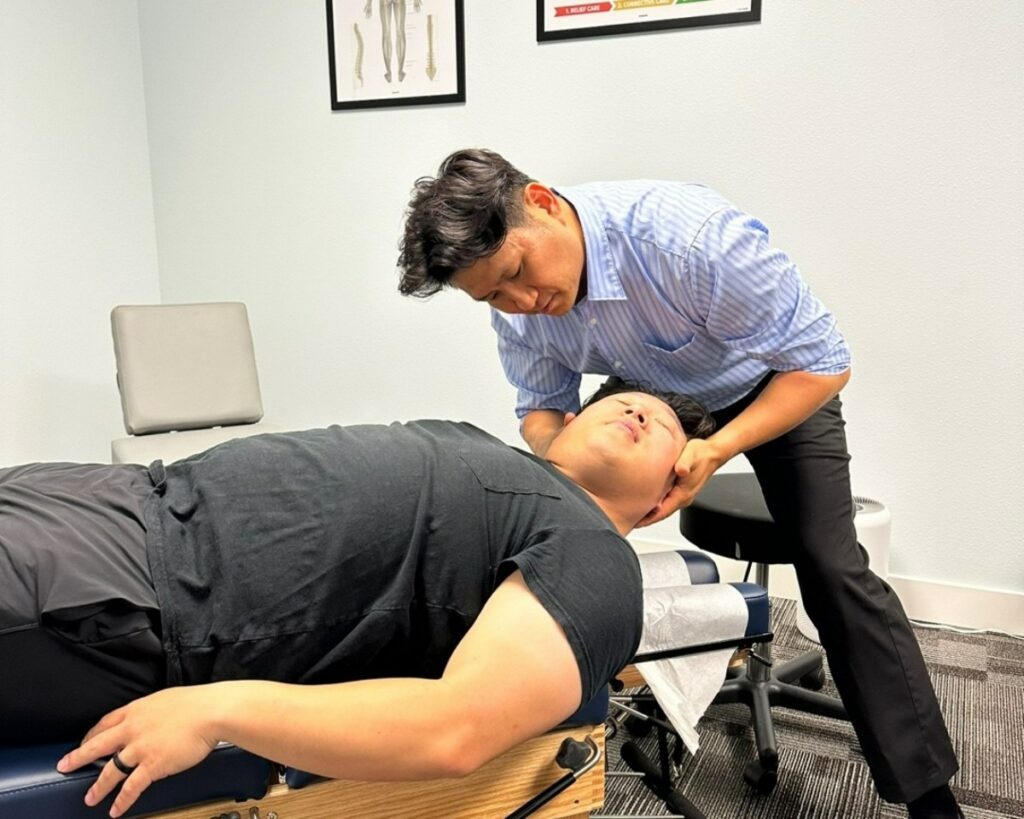

As a local chiropractor, I understand that experiencing neck pain can be incredibly challenging. It not only affects your daily activities but can also impact your overall quality of life. That's why I want to introduce you to gentle techniques for neck injury relief that can significantly aid in your recovery.
By incorporating soft movements and mindful practices, we can promote healing while minimizing discomfort. Light stretching and relaxation exercises are excellent methods to help alleviate pain and tension in the neck area. These techniques not only provide immediate relief but also support your long-term health and mobility.
However, it's important to understand how to implement these methods effectively. There are several key factors that can enhance your experience and outcomes. For instance, ensuring you perform these exercises with the correct posture and alignment can make a world of difference. Additionally, being mindful of your body's signals and not pushing through pain is crucial for proper healing.
By working together, we can develop a personalized approach to your neck pain that incorporates these gentle techniques, helping you feel better while supporting your journey to wellness. If you have any questions or would like to explore these methods further, I'm here to help guide you.
Understanding Neck Injuries
As a local chiropractor, I want to emphasize the importance of understanding neck injuries for your recovery journey. Neck injuries can vary widely, from mild strains to serious issues like herniated discs or fractures. You may be experiencing pain, stiffness, or limited mobility, all of which can significantly impact your daily activities.
It's essential to recognize that these injuries can stem from multiple causes, including accidents, poor posture, or repetitive stress. Identifying the specific type of neck injury you have is key. For example, a simple muscle strain might heal relatively quickly with appropriate care, whereas a more complicated condition, such as a pinched nerve, could necessitate a more comprehensive treatment plan.
I encourage you to pay close attention to your symptoms and any changes you notice. If you experience persistent pain or neurological symptoms like numbness or tingling in your arms, it's crucial to seek professional help.
Additionally, let's talk about the daily habits that may be contributing to your neck issues. Many people unknowingly adopt poor ergonomics while working, especially if they spend long hours sitting. Making adjustments to your workspace and taking regular breaks to stretch and move your neck can make a significant difference in your overall neck health.
Lastly, I want to highlight the emotional aspect of dealing with neck injuries. Chronic pain can lead to feelings of frustration and anxiety, which can further impede your healing process. By understanding your injury, you can approach your treatment with a well-informed mindset, allowing you to make better choices for your recovery.
Importance of Gentle Techniques
As a local chiropractor, I want to emphasize the importance of gentle techniques when it comes to recovering from a neck injury.
These approaches are crucial not only for promoting healing but also for alleviating pain. By choosing softer, more mindful methods, you're supporting your body's inherent healing abilities while ensuring that discomfort is kept to a minimum.
Understanding and embracing these gentle techniques can make a significant difference in your recovery journey.
I'm here to guide you through this process and help you embrace a more natural path to wellness.
Promotes Healing Process
As a local chiropractor, I want to emphasize the importance of gentle techniques in promoting your healing process after a neck injury. These methods are designed to minimize strain on the affected area, making them essential for your recovery.
By incorporating gentle movements and stretches, you're not only encouraging blood flow and oxygen to reach the injured tissues, but also facilitating the crucial delivery of nutrients your body needs to heal itself.
Implementing gentle techniques, such as soft range-of-motion exercises or light massage, can be incredibly beneficial in preventing stiffness. When we keep the neck mobilized without applying excessive pressure, we help maintain flexibility and support proper alignment.
This proactive approach can prevent further injury and pave the way for a smoother healing journey.
Additionally, engaging in gentle techniques allows you to reconnect with your body. It's important to tune in to how you move and feel, as this awareness helps you recognize your limits and avoid activities that could impede your recovery.
By being attentive to your body's signals, you can adjust your approach accordingly, ensuring you don't push yourself too hard too soon.
I encourage you to consider these gentle methods as part of your healing journey, as they can significantly enhance your recovery and overall well-being.
Reduces Pain Sensation
As a local chiropractor, I want to emphasize the importance of gentle techniques in alleviating pain after a neck injury. Many patients experience discomfort in various forms, and it's crucial to understand that harsh treatments can often lead to increased pain.
Instead, we encourage the use of gentle approaches, such as soft tissue massage and gentle stretching, which can significantly ease tension and promote relaxation. When you focus on slow and deliberate movements, you're less likely to aggravate any existing pain.
These gentle methods enhance blood flow to the injured area, aiding in the healing process while simultaneously reducing the pain you may feel. Many of my patients find that incorporating practices like yoga or tai chi not only improves their flexibility but also greatly lowers their pain levels.
Additionally, breathing exercises can be a valuable complement to these gentle techniques. By taking deep, controlled breaths, you can help your body relax further, which reduces tension in your neck.
It's important to listen to your body; if something doesn't feel right, don't hesitate to stop. By utilizing gentle techniques, we create a supportive environment for your body to heal naturally.
Prioritizing comfort and calmness not only enhances your recovery process but also helps restore your neck's functionality without overwhelming your system. If you have any questions or concerns about your recovery journey, please don't hesitate to reach out. Your well-being is our priority!
Effective Stretching Exercises
As a local chiropractor, I want to emphasize the importance of effective stretching exercises when recovering from neck injuries.
It's crucial to focus on proper neck stretching techniques to ensure you get the most benefit while minimizing any risk of further injury. Always remember to warm up your muscles before starting these stretches; this can help prevent strain and enhance your overall experience.
Additionally, maintaining a consistent routine is key. It's not just about how often you stretch, but also the duration of each session that matters.
By incorporating these elements into your recovery plan, you can effectively relieve tension and improve mobility in your neck.
If you're unfamiliar with chiropractic care or natural healing practices, don't hesitate to reach out to learn more about how we can support your journey to wellness.
Your body deserves the best care, and I'm here to help you every step of the way.
Neck Stretch Techniques
As a local chiropractor, I often see patients struggling with neck tension, which can be a common issue in today's fast-paced world. One of the most effective ways to alleviate this discomfort is through gentle neck stretch techniques.
These stretches not only promote flexibility but also help reduce pain. Here are three simple yet effective stretches that you can easily incorporate into your daily routine:
- Side Neck Stretch: Begin by sitting or standing comfortably. Slowly tilt your head towards one side, aiming to bring your ear closer to your shoulder. Hold this position for 15-30 seconds, and you should feel a gentle stretch along the opposite side of your neck. Repeat the process on the other side to ensure balanced relief.
- Chin Tucks: Sit up straight and gently pull your chin back towards your throat. It's important to keep your shoulders relaxed during this stretch. Hold this position for a few seconds and then release. This exercise is particularly beneficial for improving posture and relieving tension at the base of your skull, which many of my patients find particularly helpful.
- Neck Rolls: To help loosen tight muscles, relax your shoulders and slowly roll your head in a circular motion. Spend about 30 seconds rolling in one direction before switching to the opposite direction. This movement encourages blood flow and flexibility in your neck.
By incorporating these simple stretches into your daily routine, you can significantly enhance your neck's mobility and comfort.
This, in turn, can make your daily activities much more enjoyable and free from discomfort. Remember, taking care of your neck is an essential part of overall wellness, and I'm here to support you on this journey to better health!
Importance of Warm-Up
As a chiropractor, I want to emphasize the importance of a proper warm-up before engaging in stretching exercises. Warming up isn't just a routine; it's a crucial step in preparing your muscles and joints for movement. When you take the time to warm up, you're increasing blood flow to your neck and surrounding areas, which enhances flexibility and significantly reduces the risk of injury. This initial phase lays the groundwork for a more effective stretching session.
To begin your warm-up, consider incorporating gentle movements like neck rolls or shoulder shrugs. These simple actions gradually activate your muscles, making them more pliable and ready for deeper stretches.
Additionally, light aerobic exercises such as brisk walking or arm circles can help elevate your heart rate just enough to prime your body for the upcoming activity.
As you warm up, I encourage you to tune in to how your body feels. Notice any areas that may feel stiff or tense, and modify your warm-up routine to target those spots.
Remember, the objective here isn't to rush through the process; it's about preparing your body for more intensive stretches. By dedicating this time to a proper warm-up, you're not only enhancing your flexibility but also fostering a safer and more effective stretching experience.
This can lead to better relief from neck discomfort and promote overall wellness.
Frequency and Duration
As your local chiropractor, I want to help you understand the importance of frequency and duration when it comes to stretching for neck relief. After a proper warm-up, incorporating stretching exercises into your daily routine can greatly benefit your neck health, but consistency is key.
I recommend that you aim to stretch your neck at least three to five times a week. This regular practice allows your muscles to adjust and relax, which is crucial for long-term relief.
When you're stretching, pay attention to both how long you hold each stretch and how often you do them. Here's a simple structure for your stretching sessions:
- Hold each stretch for 15-30 seconds. This duration is vital as it gives your muscles the necessary time to release tension.
- Repeat each stretch 2-4 times to further enhance your flexibility and encourage relaxation in the muscles.
- Incorporate a variety of stretches that target different areas of your neck to ensure comprehensive relief.
It's essential to listen to your body throughout this process. If you experience any discomfort or pain during your stretches, it's wise to ease off or reduce how often you're stretching.
Remember, gradual progress is important for your recovery. By adhering to this plan, you can help your neck heal while also preventing any future injuries. Consistency, patience, and mindfulness in your approach will lead you to a more flexible and pain-free neck.
As always, if you have questions or concerns about your neck health, feel free to reach out to me for guidance.
Mindfulness and Relaxation
As a local chiropractor, I want to share how embracing mindfulness and relaxation techniques can significantly alleviate discomfort associated with neck injuries. When you focus on being present in the moment, it creates a mental space that allows tension to dissipate.
To begin this journey, find a quiet place where you won't be interrupted. Get comfortable by either sitting or lying down, and take a few deep breaths. Inhale deeply through your nose, allowing your abdomen to expand; then exhale gently through your mouth. This simple breathing exercise helps to center your thoughts and soothe your nervous system.
As you immerse yourself in your breath, pay attention to the sensations in your neck. Are there tight areas or persistent pain? Instead of resisting these feelings, recognize them without judgment. Visualize your breath flowing into those areas, softening the tension with each inhale and exhale. This practice fosters relaxation and helps you reconnect with your body, which is crucial for healing.
Another effective technique is progressive muscle relaxation. Start by tensing and then relaxing each muscle group in your body, beginning from your toes and working your way up to your neck. This method helps release physical tension that may be contributing to your discomfort.
Incorporating mindfulness into your daily routine can significantly enhance your overall well-being. Whether through meditation, gentle stretching, or simply taking a moment to pause and breathe, these practices can assist you in managing pain and improving your quality of life.
Gentle Massage Techniques
As a chiropractor, I want to share some gentle massage techniques that can be incredibly effective in relieving tension and discomfort in your neck. These methods not only foster relaxation but also improve blood circulation, which is essential for muscle recovery.
To get started, find a quiet and comfortable space where you can focus on your body.
Begin by using your fingertips to apply light pressure to your neck. Imagine the tension gradually dissipating with each motion. Here are some straightforward techniques you can try:
- Circular motions: Gently use your fingertips to create small circles at the base of your skull. This action can help release tightness and promote a sense of relaxation.
- Gentle kneading: With your thumb and index finger, gently pinch and knead the muscles along the sides of your neck. This technique can alleviate stiffness and improve flexibility.
- Long strokes: Glide your palms from the base of your neck down to your shoulders, applying light pressure. This not only enhances blood flow but also soothes any sore muscles.
It's important to listen to your body throughout this process. If you experience any discomfort, reduce the pressure or adjust your technique accordingly.
Consistency is crucial, so I encourage you to practice these techniques a few times a week. Over time, you should notice a significant reduction in neck tension.
By incorporating these gentle massage techniques into your routine, you're not just addressing neck pain; you're also taking a step towards nurturing your overall well-being.
Embrace the journey of self-care, and allow each massage session to be a moment of relaxation and healing. Remember, as your chiropractor, I'm here to support you in your path to better health and wellness.
Heat Therapy Benefits
As a local chiropractor, I want to share some valuable insights on how heat therapy can be an effective tool for alleviating neck pain and tension. Many of my patients find that applying heat to the neck can significantly soothe sore muscles, enhance blood circulation, and promote a sense of relaxation.
When you apply warmth to the area, you're essentially signaling to your body to release tight muscles and reduce stiffness, which can lead to an improved level of comfort.
There are various methods to incorporate heat therapy into your routine. You might consider using a warm towel, a heating pad, or a hot water bottle—these are all excellent options. Alternatively, a warm shower or bath can effectively wrap your neck in comforting heat.
Just remember to check the temperature to avoid any burns. A duration of about 15 to 20 minutes of heat application can often provide noticeable relief.
Moreover, heat therapy plays a crucial role in the healing process. By increasing circulation, it ensures that vital nutrients and oxygen are delivered to the affected muscles, thereby promoting faster recovery.
The warmth also stimulates the release of endorphins, which are your body's natural painkillers, helping to diminish your experience of pain.
If you're struggling with chronic neck pain, I encourage you to integrate heat therapy into your self-care regimen. Utilizing it before engaging in gentle massage techniques or stretching exercises can further enhance your relaxation and flexibility.
Always pay attention to how your body responds, and feel free to combine heat therapy with other gentle methods for optimal results. By making heat therapy a part of your wellness routine, you can take significant steps toward managing neck pain and tension more effectively.
Cold Therapy for Inflammation
As a local chiropractor, I want to share some insights on how cold therapy can be an effective natural method for managing inflammation, especially if you're dealing with neck injuries. Many of my patients find relief through this simple yet powerful technique. When you apply cold to the affected area, it helps reduce blood flow, minimizing swelling and numbing sharp pain.
Here are a few ways you can easily integrate cold therapy into your daily routine:
- Ice Packs: One of the most effective methods is using ice packs. Simply wrap an ice pack in a thin towel to protect your skin from frostbite and place it on your neck for about 15-20 minutes. This direct application can provide quick relief from inflammation.
- Cooling Gels: Another great option is to use topical cooling gels. They're easy to apply and can offer immediate relief. Just massage the gel onto the affected area, and you'll enjoy a refreshing sensation that helps reduce swelling.
- Cold Compresses: If you prefer a more natural approach, you can make a cold compress using a clean cloth. Soak it in cold water, wring it out, and place it on your neck. This method can provide a longer-lasting cooling effect.
While using cold therapy, it's important to listen to your body. If you experience excessive discomfort or if your pain worsens, please stop the application immediately.
You can repeat these therapies every few hours as needed, but don't forget to give your skin a break between applications to avoid irritation.
Cold therapy is more than just numbing pain; it plays an active role in your body's recovery process by addressing inflammation. By incorporating these techniques into your healing routine, you can create a soothing experience that supports your overall well-being.
If you have any questions or need further assistance, don't hesitate to reach out during your next visit!
Posture Correction Tips
As a local chiropractor dedicated to helping you achieve optimal health, I want to share some valuable insights on posture correction that can significantly alleviate neck pain and prevent further injuries.
It all begins with being mindful of your sitting habits. When seated, ensure your back is straight, your shoulders are relaxed (but not slouched), and your feet are flat on the floor. If you're working at a desk, it's crucial to adjust your chair and monitor so that your computer screen is at eye level. This helps to avoid unnecessary strain on your neck.
When using your phone, try to hold it at eye level instead of bending your neck down. This simple adjustment can dramatically reduce the strain on your neck. Additionally, it's important to take regular breaks—stand up and stretch every 30 to 60 minutes to give your neck and shoulders a chance to relax and rejuvenate.
Incorporating strengthening exercises into your daily routine can also greatly improve your posture. Consider adding neck stretches and shoulder shrugs. For example, gently tilting your head from side to side can stretch the muscles and relieve tension effectively.
When standing, it's essential to distribute your weight evenly on both feet, keep your shoulders back, and align your head with your spine. Being conscious of your posture, whether you're walking, standing, or sitting, can make a significant difference in your overall well-being.
I also recommend considering ergonomic supports, such as lumbar pillows for your chair or a supportive neck pillow while you sleep. These tools can help maintain proper alignment and enhance your comfort during daily activities.
By consistently applying these posture correction tips, you'll not only find relief from existing neck pain but also protect yourself from future discomfort.
When to Seek Professional Help
As a local chiropractor, I want to help you understand when it's time to seek professional assistance for neck pain, especially if you're not yet familiar with chiropractic care and natural healing.
While minor discomfort is something many people can manage at home, there are certain signals from your body that indicate the need for professional evaluation.
If you find yourself dealing with persistent neck pain despite adjusting your posture, it's important to pay attention to the following signs:
- Severe, unrelenting pain that doesn't improve with rest or over-the-counter pain relief methods may be a red flag that something more serious is going on.
- Radiating pain or numbness in your arms or hands could indicate nerve involvement, which requires immediate attention.
- Stiffness that restricts your range of motion or impacts your ability to perform daily activities, like turning your head while driving, shouldn't be ignored.
These symptoms can point to underlying conditions that may benefit from a professional assessment.
As a chiropractor, I can perform a comprehensive examination to understand the root cause of your discomfort and recommend tailored treatments that align with your unique needs.
Early intervention is crucial—it can help prevent further complications and assist you in regaining your quality of life.
If you notice any of these signs, I encourage you to reach out for help. A visit to a chiropractor can provide you with effective, natural options for relief.
I'm here to guide you through safe and holistic approaches to healing, ensuring you're on the right path to feeling your best.
Conclusion
As a local chiropractor, I want to share some gentle techniques for neck injury relief that can significantly aid in your recovery journey. By incorporating effective stretching, mindfulness, and relaxation into your daily routine, you are not only alleviating immediate discomfort but also fostering long-term health for your neck.
Using heat and cold therapy can be very beneficial, so don't hesitate to apply these methods as needed. Additionally, maintaining good posture throughout your day is crucial for preventing further strain on your neck. If you find that your pain persists or worsens, I encourage you to seek professional guidance. Taking proactive steps for your neck health today can lead to a more comfortable and pain-free tomorrow. Remember, chiropractic care can provide you with the support and techniques needed to promote healing naturally.