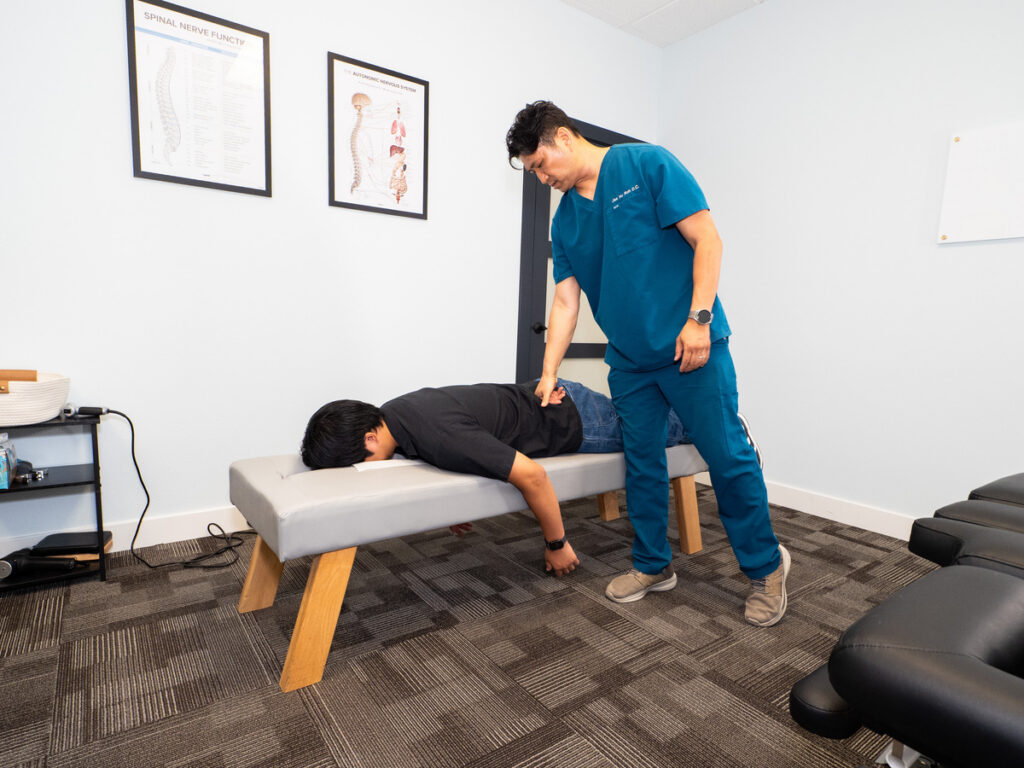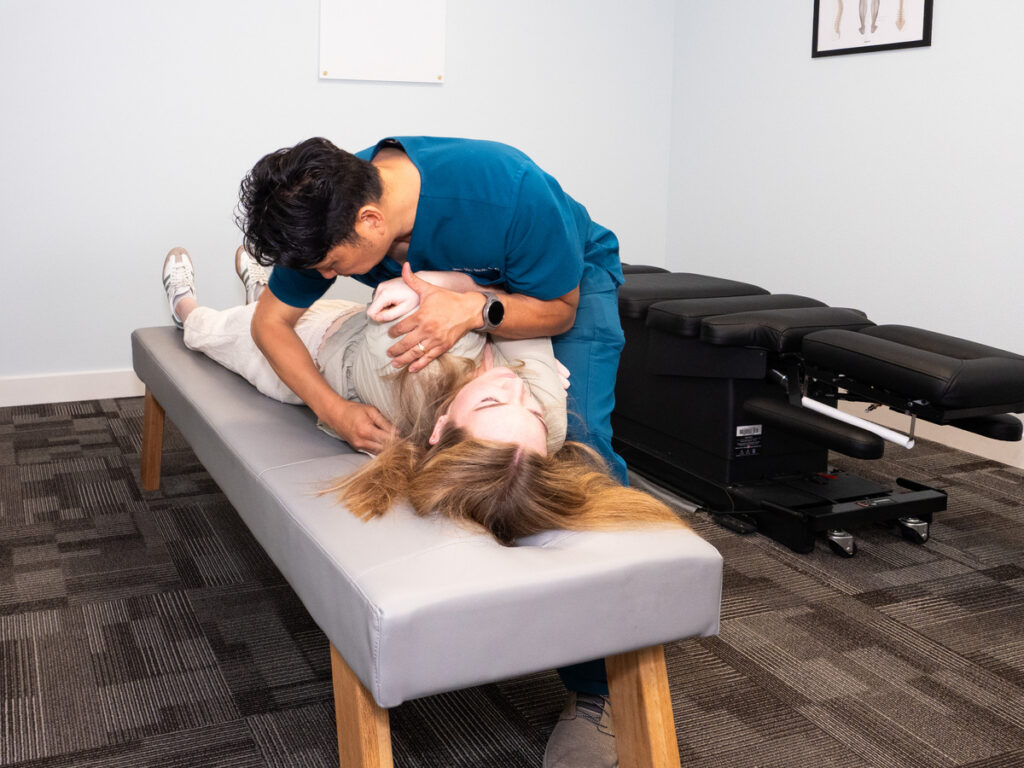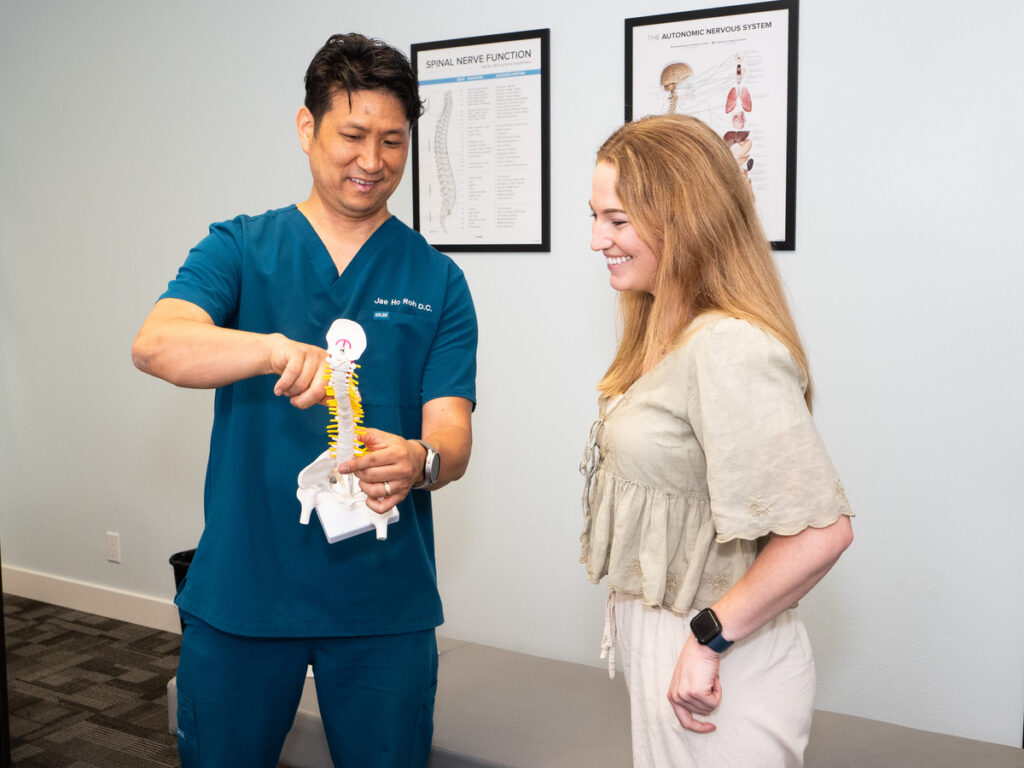

As a local chiropractor, I want to reassure you that if you’re experiencing sports-related back pain, you’re certainly not alone. This is a common issue many athletes encounter, and the good news is that there are natural ways to manage it effectively. Understanding the root causes of your pain is crucial, and I recommend incorporating targeted stretches and core-strengthening exercises into your routine. These can empower you to take control of your discomfort.
However, it’s important to note that managing back pain goes beyond just physical activity. Nutrition plays a vital role in your recovery and overall well-being. By making simple dietary adjustments and embracing healthy lifestyle changes, you can pave the way for long-term relief. As a chiropractor, I’m here to guide you through these natural healing methods and help you find the best path to a pain-free life.
Understanding Sports Back Pain: Causes and Symptoms
As a local chiropractor, I want to help you understand how easily back pain can develop while engaging in sports. Many people don’t realize that factors such as poor posture, improper technique, and overexertion can contribute to discomfort.
It’s not uncommon to experience muscle strains from sudden movements or repetitive actions, especially if you’re participating in high-impact sports or lifting weights regularly. These activities can put a significant strain on your back.
The symptoms of sports-related back pain can vary widely. You might notice dull aches or sharp pains that travel down into your legs. Stiffness and a lack of flexibility can hinder your athletic performance, making it crucial to listen to your body and recognize these warning signs.
Ignoring these symptoms can lead to more severe injuries, which could sideline you for longer periods.
By understanding the causes and symptoms of back pain, you can take proactive measures to protect your spine and improve your performance. As your chiropractor, I’m here to help you explore natural healing options and techniques that promote a healthy back.
Effective Stretches for Back Pain Relief
As a local chiropractor, I want to share with you some effective strategies for relieving back pain naturally.
First and foremost, it’s essential to incorporate warm-up stretches into your daily routine before engaging in any physical activity. These stretches help prepare your muscles and joints, reducing the risk of injury.
In addition to stretching, strengthening your core is crucial. Targeted exercises that focus on your abdominal and back muscles won’t only support your spine but also enhance your overall stability, making everyday activities easier and less painful.
Lastly, don’t underestimate the importance of a flexibility-focused cool down after your workouts. This practice helps maintain your range of motion and can prevent future discomfort.
By integrating these strategies into your routine, you’ll be taking significant steps toward a healthier, pain-free back.
Essential Warm-Up Stretches
As a local chiropractor, I often see patients who underestimate the significance of warm-up stretches, particularly in relation to alleviating back pain. Just dedicating a few minutes to stretching can dramatically reduce discomfort and enhance your overall performance.
I recommend starting with gentle torso twists to help loosen your spine. This is a fantastic way to prepare your body for movement. Following that, a standing forward bend can effectively stretch your hamstrings and lower back, which are crucial for maintaining proper alignment.
Another beneficial stretch is the cat-cow stretch, which increases flexibility in your spine and promotes better posture. Additionally, hip flexor stretches are vital since tight hips can often lead to back pain.
Finally, incorporating side bends into your routine will stretch your obliques and enhance your overall mobility.
By integrating these essential warm-up stretches before any physical activity, not only can you alleviate back pain, but you can also prime your body to meet the demands of your sport or daily activities.
Strengthening Core Exercises
As a local chiropractor, I want to emphasize the importance of incorporating core strengthening exercises into your daily routine. These exercises aren’t only beneficial for alleviating back pain, but they also play a crucial role in enhancing your overall stability and well-being. A strong core acts as a natural support system for your spine, which can help reduce the strain on your back during various physical activities.
Let’s start with one of the most fundamental exercises: the plank. Aim to hold this position for about 20-30 seconds, ensuring that you engage your abdominal muscles throughout. This exercise is excellent for building endurance in your core.
Next, consider adding side planks to your regimen. These are particularly effective for targeting your oblique muscles while also providing stability to your core.
Another great exercise is the bridge. To perform this, lie on your back with your knees bent, and gently lift your hips towards the ceiling. This movement strengthens your glutes and lower back, contributing to better support for your spine.
Lastly, I recommend trying bird-dogs. Position yourself on all fours, then extend one arm forward and the opposite leg back, before switching sides. This exercise promotes balance and coordination while engaging multiple muscle groups.
By incorporating these exercises into your routine, you can create a solid foundation for your body and make your back less susceptible to pain, whether you’re participating in sports or simply going about your daily activities.
Flexibility-Focused Cool Down
As a local chiropractor, I want to emphasize the importance of cooling down with effective stretches to help manage back pain, especially after engaging in physical activities.
Integrating flexibility-focused stretches into your routine is a natural way to alleviate tension and improve your overall mobility.
Begin with a gentle forward bend; simply reach for your toes while keeping your knees slightly bent. This helps to release any tightness in your lower back.
Next, practice a seated spinal twist, which can enhance the flexibility of your spine and further relieve stiffness. Following that, the cat-cow stretch is excellent for mobilizing your spine and easing any discomfort.
To conclude your routine, try the child’s pose. This position allows your back to relax completely and can be very soothing.
Throughout each stretch, it’s crucial to breathe deeply, holding each position for about 15-30 seconds.
Incorporating these stretches into your daily routine can significantly reduce back pain, helping you maintain an active lifestyle and improve your performance in sports you enjoy.
Strengthening Exercises to Support Your Back
As a local chiropractor, I want to emphasize the importance of strengthening exercises to support your back and prevent discomfort. It’s crucial for everyone, especially those unfamiliar with chiropractic care, to understand how these exercises can play a vital role in your overall health.
Incorporating core stability workouts into your routine is a key aspect of maintaining a strong back. These exercises help stabilize your spine and improve your posture, which can alleviate pain and enhance your performance in daily activities.
Additionally, don’t overlook the value of flexibility and mobility exercises. These movements can increase your range of motion and reduce stiffness, making it easier for you to move freely and without discomfort.
Lastly, resistance training techniques can significantly boost your muscle strength, providing better support for your spine. By strengthening the muscles around your back, you create a more resilient framework that can help prevent injuries and pain.
Core Stability Workouts
As a local chiropractor, I often see patients who focus primarily on strength and endurance in their athletic pursuits, but overlook the importance of core stability. This oversight can lead to discomfort, back pain, and even injuries. A strong core is essential for supporting your spine and maintaining proper posture, which is vital for overall health and well-being.
To help enhance your core stability, I recommend incorporating specific exercises into your routine, such as planks, bridges, and bird-dogs. These movements effectively engage your abdominal muscles, lower back, and hips, creating a robust foundation for any physical activity you enjoy.
Start with three sets of 30 seconds for planks and bridges, and as you build strength, gradually increase the duration. For bird-dogs, aim for 10-15 repetitions on each side. Remember, consistency is crucial in this journey.
Prioritizing core stability not only reduces the risk of back pain but can also significantly enhance your overall athletic performance. By making core stability a regular part of your fitness regimen, you’ll be taking proactive steps towards a healthier spine and a more resilient body.
Stay committed to these practices, and your back will thank you in the long run! If you have any questions or need personalized guidance, feel free to reach out to me.
Flexibility and Mobility Exercises
As a local chiropractor, I’ve seen firsthand how many athletes overlook the crucial role that flexibility and mobility play in their overall performance and spinal health.
It’s important to understand that incorporating specific stretches and mobility exercises into your routine can significantly enhance your athletic abilities and help alleviate back pain.
Before engaging in physical activity, I recommend focusing on dynamic stretches such as leg swings and arm circles. These movements warm up your muscles and prepare your body for the demands of your sport.
After your workout, consider practicing static stretches like the cat-cow and child’s pose. These stretches not only improve your flexibility but also help relieve tension in your back, which is essential for maintaining a healthy spine.
Moreover, integrating practices like yoga or Pilates can further enhance your range of motion and core stability. These disciplines promote a balanced body and can be incredibly beneficial for supporting your back.
By prioritizing flexibility and mobility exercises, you’ll not only protect your spine but also elevate your overall athletic performance.
A flexible body is truly a resilient body, which is key to staying agile and injury-free in your sport.
Resistance Training Techniques
As a local chiropractor, I want to emphasize the importance of incorporating resistance training into your daily routine to support your back health and overall athletic performance.
It’s essential to focus on exercises that strengthen your core, glutes, and lower back. Movements such as deadlifts, squats, and planks can significantly enhance your stability and protect your spine.
When starting your resistance training, I recommend using lighter weights to ensure you maintain proper form. It’s crucial to gradually increase the weight as you build strength to avoid injury.
Aim for 2-3 sessions each week, making sure to allow your body adequate time to recover between workouts.
Listening to your body is vital; if you experience any pain, please stop and reassess your technique or consult with a healthcare professional.
Strengthening these key areas not only helps to reduce the risk of back pain but also improves your overall physical abilities.
By embracing these practices, you can enhance your performance and live a healthier, more active life.
The Role of Nutrition in Back Health
As a local chiropractor, I want to emphasize the vital role nutrition plays in maintaining a healthy back. The right nutrients can significantly support muscle function and help reduce inflammation, both of which are crucial for your spine’s well-being. A balanced diet that’s rich in vitamins and minerals is essential.
I encourage you to focus on incorporating foods high in omega-3 fatty acids, such as fish and walnuts, into your diet. These foods can help lower inflammation, which is often a contributor to back pain.
Don’t forget to add plenty of leafy greens and colorful fruits to your meals—they’re packed with antioxidants that help combat oxidative stress and promote overall health.
Additionally, calcium and vitamin D are key players in maintaining strong bones. Make sure to include dairy products or fortified alternatives in your diet.
Lean proteins like chicken, turkey, and legumes are also important, as they assist in muscle repair and growth, which is vital for back health.
Lastly, staying hydrated is crucial for maintaining the elasticity of your spinal discs. Drinking enough water daily supports your body’s natural healing processes and helps keep your spine functioning optimally.
Lifestyle Changes for Long-Term Pain Management
As a local chiropractor, I understand that back pain can be a persistent challenge for many individuals. However, I want to share with you how effective lifestyle changes can significantly improve your long-term comfort and mobility.
One of the key components is incorporating regular physical activity into your daily routine. I recommend starting with low-impact exercises such as swimming, walking, or yoga. These activities not only help to strengthen your back and core muscles but also promote overall flexibility and endurance.
It’s also crucial to pay attention to your posture, especially if you find yourself sitting for extended periods. Adjusting your workstation to support proper alignment can make a big difference in how your body feels throughout the day.
Equally important is the quality of your sleep. Investing in a supportive mattress and creating a consistent sleep schedule can help your body recover and rejuvenate, which is essential for managing pain.
Additionally, consider your daily habits; proper lifting techniques and taking regular breaks during prolonged activities can prevent unnecessary strain on your back.
Lastly, managing stress is vital, as it can often exacerbate pain. Practices such as mindfulness or meditation can be beneficial in reducing stress levels and promoting a sense of well-being.
By integrating these lifestyle changes, not only can you alleviate your back pain, but you can also enhance your overall health. This holistic approach allows you to stay active and enjoy life to the fullest.
If you have any questions or would like to explore chiropractic care further, feel free to reach out. I’m here to help you on your journey to better health!
When to Seek Professional Help
As a local chiropractor, I want to help you understand when it may be time to seek professional assistance for your back pain. If you’ve been dealing with persistent pain for more than a few weeks, even after trying self-care methods like rest, ice, or over-the-counter medications, it’s important to consider consulting a healthcare provider, such as a chiropractor.
Severe pain that interferes with your daily activities or worsens with movement is another strong indicator that you should reach out for help. Chiropractic care can often provide relief and help you regain your mobility.
You should also be aware of warning signs like numbness, tingling, or weakness in your legs. These symptoms can indicate a more serious underlying condition that requires professional assessment. If you find it difficult to stand straight or maintain your balance, it’s essential to get evaluated by a chiropractor who can offer specialized treatment.
Additionally, if your back pain occurs after a traumatic injury or is accompanied by concerning symptoms like unexplained weight loss, fever, or issues with bladder or bowel control, please seek immediate help.
Remember, trusting your instincts is key—if something doesn’t feel right, reaching out to a chiropractor for an expert opinion can be a wise step toward your health and well-being.
We’re here to guide you on your journey to natural healing and recovery.