
As a local chiropractor, I want to share just how much the world of sports injury recovery has evolved over the years. You might be surprised to learn that ancient Greeks would use olive oil for healing, while today, we have access to advanced physiotherapy techniques that take a more holistic approach to recovery. Each period in history reflects a growing understanding of how our bodies function and heal.
When we look at these historical shifts, we can see how improvements in technology, nutrition, and even psychology have led to more personalized recovery methods tailored to individual needs. This is particularly relevant in chiropractic care, where we focus on the spine and nervous system to promote natural healing.
So, what does all this mean for the future of rehabilitation in sports? As we continue to uncover the benefits of natural healing methods, including chiropractic adjustments, we see how these innovations impact athletes today. By embracing these advancements, we can help you recover more effectively and return to the activities you love with greater resilience and strength.
Ancient Practices in Recovery
In ancient times, athletes had a unique approach to recovery that relied heavily on natural remedies and traditional practices—something we can learn from today in chiropractic care. They utilized a variety of plants, minerals, and even animal products to treat injuries and alleviate pain. For example, the Greeks famously used olive oil, applying it to sore muscles and joints after rigorous competitions. This not only helped to hydrate the skin but also played a key role in reducing inflammation and improving blood circulation.
Beyond topical treatments, these athletes embraced specific bodywork techniques that are very much aligned with chiropractic principles. Massage was a critical component of their recovery process, helping to release tension and restore mobility. The ancient Greek physician Hippocrates recognized the importance of massage in healing, understanding that manipulating the body could significantly enhance recovery times.
Additionally, ancient cultures placed great emphasis on the power of rest and proper nutrition. After an injury, athletes often took time off to allow their bodies to heal naturally, which is similar to the rest and recovery advice we provide today. They focused on nutrient-rich foods—grains, fruits, and meats—to fuel their recovery.
This holistic approach, combined with the use of herbs like arnica and willow bark, reflects an impressive understanding of the body's healing processes. As we delve into these ancient practices, it becomes clear that their wisdom laid the groundwork for modern recovery techniques, including those we use in chiropractic care.
The Ice Era Emerges
During the 20th century, a significant shift occurred in the way we approach injury recovery, particularly with the introduction of ice therapy. This method, commonly referred to as "cryotherapy," has transformed how athletes—and indeed anyone dealing with pain and inflammation—manage their healing process. You might be surprised to learn that the simplicity and effectiveness of using ice packs and cold baths has made it a popular choice among those seeking relief. By cooling the affected area, we can effectively reduce swelling and numb pain, promoting a quicker recovery.
As a chiropractor, I often emphasize the importance of incorporating ice therapy in the first 24 to 48 hours following an injury. It's a practice that aligns well with the principles of natural healing. You may have heard of the acronym "R.I.C.E.," which stands for Rest, Ice, Compression, and Elevation. This approach has become a fundamental part of injury management, allowing you to address injuries promptly and effectively, even before seeking professional care.
What's particularly interesting about this Ice Era is that it has encouraged individuals to take a more proactive role in their recovery. With ice therapy gaining traction, people are now more aware of the importance of listening to their bodies and responding to injuries with appropriate care.
As a chiropractor, I advocate for these practices as they promote not only physical healing but also a deeper understanding of your body's needs.
This transformative period in injury recovery, marked by the adoption of ice therapy, represents a significant advancement for athletes and anyone dealing with physical strain. By embracing these techniques, you can return to your activities more quickly and with improved health.
This foundation of natural healing continues to shape modern rehabilitation practices, a testament to the power of understanding and addressing our body's signals.
Rehabilitation Techniques of the 20th Century
As a local chiropractor, I want to share how the rehabilitation techniques developed in the 20th century can benefit your recovery journey, whether you're an athlete or someone dealing with everyday aches and pains.
One of the most significant shifts during this time was moving away from the idea that rest is the only way to heal an injury. Instead, we now understand the importance of actively engaging the injured area to promote healing.
One of the key advancements was the introduction of physical therapy. This involves tailored exercises designed to strengthen muscles and improve flexibility. Unlike the old approach of simply immobilizing an injury, this proactive method encourages you to rebuild your strength, helping you recover more effectively.
In addition, we saw the emergence of various modalities like ultrasound and electrical stimulation. These techniques provide valuable pain relief and can aid in the healing of tissues, making your recovery process more comfortable.
Another exciting development is hydrotherapy, which utilizes water-based exercises. This method is fantastic because it reduces stress on your joints while still providing a good workout.
It's particularly helpful for those recovering from lower extremity injuries, allowing for a gentle yet effective rehabilitation experience.
Furthermore, the concept of sports-specific rehabilitation gained traction. This means that rehabilitation programs are designed to mimic the movements of your sport or daily activities.
This tailored approach not only accelerates your recovery but also plays a crucial role in preventing re-injury, ensuring that you return to your activities with the strength and coordination needed to perform safely.
As your chiropractor, I encourage you to embrace these innovative techniques in your recovery process. Together, we can create a personalized plan that aligns with these advancements, helping you heal naturally and effectively.
The Role of Pharmacology
As a local chiropractor, I want to share with you the vital role that pharmacology can play in supporting your recovery from sports injuries, alongside the natural healing techniques we practice in chiropractic care.
While rehabilitation methods have come a long way, it's important to understand how medications can help alleviate pain, reduce inflammation, and promote healing during your recovery process.
Non-steroidal anti-inflammatory drugs (NSAIDs) are often recommended to help manage pain and swelling. By relieving discomfort, these medications can enable you to participate more fully in rehabilitation exercises, which are crucial for restoring your strength and mobility. However, it's essential to use them judiciously and in conjunction with our chiropractic methods for the best results.
In some cases, corticosteroids may be prescribed for more severe inflammation associated with specific injuries. These medications can provide quick relief, but they come with potential side effects, such as weakening tissues or increasing susceptibility to infections. It's important to have open communication with your healthcare provider to find the right balance tailored to your recovery needs.
Additionally, topical treatments like analgesic creams or patches can offer localized pain relief without the systemic effects of oral medications. These are often a preferred choice for athletes looking for targeted relief while undergoing chiropractic adjustments and therapies.
There's also growing interest in natural supplements, like glucosamine and chondroitin, which are thought to support joint health and enhance recovery. While research on their effectiveness varies, many athletes find that incorporating these supplements into their wellness routine can be beneficial.
Ultimately, pharmacology can complement the chiropractic care you receive, helping you stay on track with your recovery. By effectively managing pain and inflammation, you can focus on not just healing but also regaining your performance and returning to the sport you love with renewed strength and vitality.
If you have any questions about how these treatments can work together, feel free to ask during your next visit!
Advancements in Physiotherapy
Chiropractic care has made significant strides in how we approach recovery from sports injuries, offering a natural and holistic alternative to traditional rehabilitation methods. One of the key principles of chiropractic care is the focus on personalized treatment plans that cater specifically to your unique needs, ensuring a patient-centered approach that can help you regain strength and mobility more effectively.
A notable advancement in our practice is the emphasis on functional movement. Rather than just relying on standard exercises, chiropractors now integrate sport-specific movements that reflect the actual demands of your activity. This approach not only aids in your healing process but also prepares your body for a successful return to your sport, enhancing your overall performance.
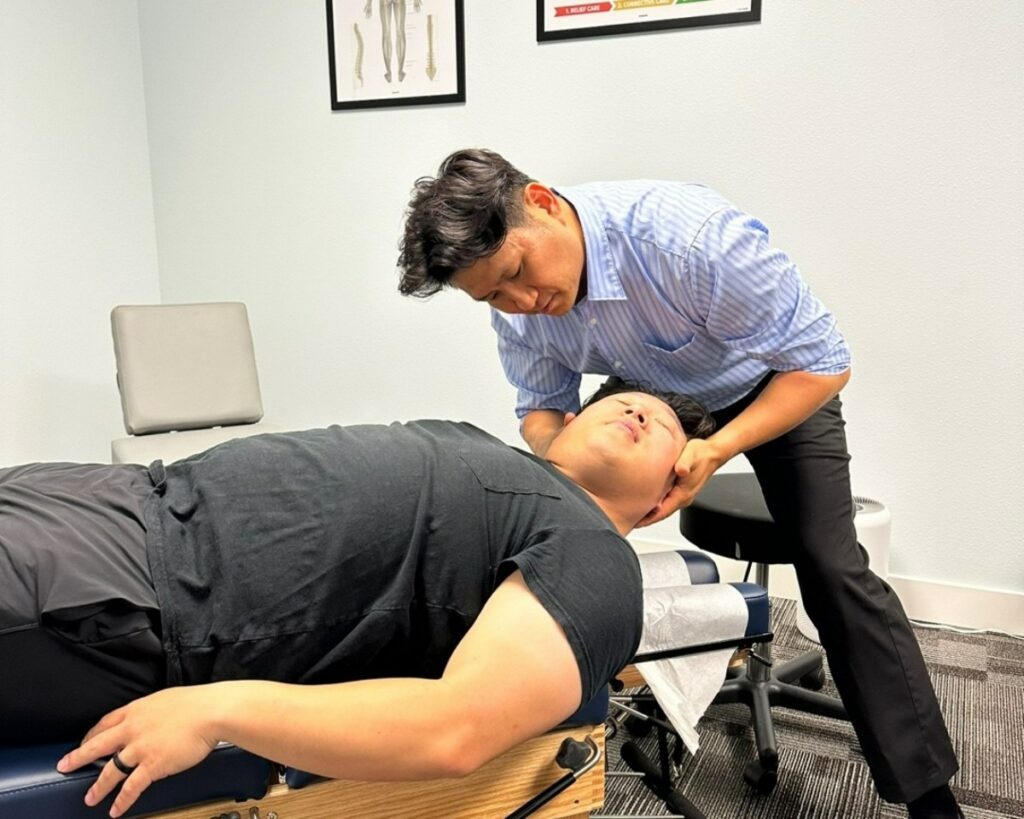
Manual therapy techniques are another crucial component of modern chiropractic care. Chiropractors utilize hands-on methods to adjust the spine and manipulate soft tissues and joints, which can significantly reduce pain and improve your range of motion. If you're experiencing discomfort, these techniques can provide relief and expedite your recovery.
An essential aspect of our practice is the growing emphasis on understanding pain science. Your chiropractor will guide you through the mechanisms of pain, helping to dispel any fears or misconceptions you may have about your injury. This knowledge empowers you to take an active role in your healing journey.
Finally, we place a strong emphasis on injury prevention. As someone who's committed to your athletic pursuits, you'll benefit from thorough assessments that identify potential risk factors and implement strategies to address them.
With these advancements in chiropractic care, you can expect a comprehensive approach to recovery, ensuring that you not only heal but also return to your sport stronger and more resilient than before.
Technology and Sports Recovery
Incorporating technology into sports recovery has significantly changed how athletes heal and improve their performance, and as a local chiropractor, I want to share how these advancements can benefit you, even if you're not an athlete. Understanding these tools can help you recover from injuries and enhance your overall well-being naturally.
Wearable devices are one such innovation. They allow you to keep track of vital metrics like heart rate, muscle strain, and hydration levels in real-time. This information empowers you to make informed decisions about your physical activity and recovery routines, promoting a healthier lifestyle.
Another exciting development is the use of cryotherapy and contrast baths. These methods utilize advanced cooling and heating technologies to relieve pain and reduce inflammation. They can be targeted to specific areas of your body, making them effective for recovery after strenuous activities or injuries. As a chiropractor, I often recommend these techniques to help my patients recover more efficiently.
Electrical stimulation devices are also beneficial in promoting muscle recovery and reducing soreness. These devices can enhance your chiropractic treatments by helping your muscles heal faster, allowing you to feel your best and continue your daily activities with ease.
Additionally, virtual reality (VR) and augmented reality (AR) technologies are emerging in the recovery space. These immersive experiences can assist you with rehabilitation exercises, making your recovery journey more engaging and enjoyable. By turning rehabilitation into a fun activity, you're more likely to stay committed to your recovery process.
Lastly, telemedicine has made it incredibly convenient to access professional guidance. You can consult with specialists remotely, ensuring you receive the best care no matter where you are.
Psychological Aspects of Healing
Healing from sports injuries extends beyond just the physical aspect; it's a journey that involves significant psychological elements as well. As a chiropractor, I often see how the mind can influence the body during recovery. When an athlete sustains an injury, it's common for them to feel overwhelmed with thoughts about their performance, future, and identity in the sport. This mental distress can have a profound impact on the healing process, making it essential to address these psychological factors for a successful recovery.
It's normal to experience a spectrum of emotions, such as frustration, anxiety, and even sadness. These feelings can create a negative mindset, which might impede your physical healing. Recognizing and acknowledging these emotions is vital. I encourage athletes to communicate openly with their coaches, teammates, and even consider speaking with a sports psychologist. This open dialogue can help process emotions and maintain motivation throughout the recovery journey.
In addition, visualization techniques can be incredibly beneficial. Imagine yourself performing at peak levels, overcoming challenges, and returning to your sport even stronger. Engaging in this mental imagery can enhance your confidence and keep you focused on your recovery goals.
Setting realistic expectations is another crucial aspect of healing. It's important to be patient with yourself and understand that recovery takes time. Celebrate small milestones along the way to foster a positive outlook. Keeping a journal can also be a helpful tool to track your progress and reflect on your emotional journey during this period.
Finally, staying connected to your sport, even in a limited way, can uplift your spirits. Activities such as watching games, attending training sessions, or supporting your teammates can help maintain your mental engagement. This connection not only keeps you motivated but also prepares you for a smoother transition back into competitive play.
As a chiropractor, I'm here to support you through this holistic healing process, addressing both the physical and psychological aspects to ensure a well-rounded recovery.
Personalized Recovery Programs
As a local chiropractor, I want to emphasize the importance of creating personalized recovery programs for athletes recovering from injuries. Each athlete's body, the nature of their injury, and their individual healing pace are distinct, which means that a generic recovery approach may not be effective. By tailoring your recovery plan, you can significantly improve your healing process and overall athletic performance.
The first step in this journey is to consult with a qualified healthcare professional, such as a chiropractor, to assess your specific injury. This thorough evaluation will help you understand your limitations and strengths, allowing us to develop a customized program that includes targeted exercises, stretching, and rehabilitation techniques tailored to your injury.
For example, if you're dealing with a knee injury, we may focus on strengthening the muscles around the joint to provide better support.
In addition to physical rehabilitation, I encourage you to incorporate mental strategies into your recovery. Techniques such as visualization and mindfulness can help maintain a positive mindset and focus during this challenging period.
Tracking your progress is also crucial; it helps keep you motivated and allows us to make necessary adjustments to your program.
Remember that rest and recovery time are essential. Your body requires sufficient time to heal, so it's important to listen to its signals. If you experience pain or discomfort, it's vital to modify your program rather than push through the pain.
Collaborating with trainers, physiotherapists, or even sports psychologists can ensure that all aspects of your recovery are addressed. By personalizing your recovery program, you're not just healing; you're building a strong foundation for a successful comeback.
Impact of Nutrition on Recovery
As a local chiropractor, I want to emphasize the crucial role nutrition plays in your recovery journey. When you're dealing with injuries, it's not just about the adjustments and personalized treatment plans we create for you; your diet is equally important in supporting your healing process.
Your body requires specific nutrients to recover effectively, and what you consume can significantly impact how quickly you get back on your feet. For example, adequate protein intake is vital for muscle repair and growth. It aids in rebuilding tissues that may have been damaged due to your injury. I encourage you to focus on lean protein sources, such as chicken, fish, beans, and legumes.
Carbohydrates are another important aspect of your diet during recovery. They provide the energy your body needs to fuel the healing processes. Opt for complex carbohydrates like whole grains and vegetables, which can help sustain your energy levels throughout the day.
And let's not forget about healthy fats; foods rich in omega-3 fatty acids, such as salmon and walnuts, have anti-inflammatory properties that may help speed up your healing.
Hydration is also a key factor in your recovery. Staying well-hydrated supports optimal bodily functions and can even help reduce muscle soreness. While water is essential, consider incorporating electrolyte-rich beverages if you're participating in physical therapy or workouts.
Additionally, vitamins and minerals play a vital role in the recovery process. For instance, vitamin C is important for collagen formation, which is essential for tissue repair, while zinc supports immune function. By including a variety of colorful fruits and vegetables in your diet, you ensure your body receives a broad spectrum of nutrients necessary for healing.
Future Trends in Injury Rehabilitation
As a local chiropractor, I want to share how innovation in injury rehabilitation is changing the way we support your recovery. You may notice a growing emphasis on personalized treatment plans that take into account your individual physiology, the specifics of your injury, and your recovery goals. This tailored approach is essential in helping you heal effectively.
Technology is playing a significant role in this transformation. Wearable devices are becoming vital tools in monitoring your progress. These devices can track important metrics like your heart rate, movement patterns, and even muscle activation. By providing real-time feedback, they can enhance your rehabilitation experience and keep you motivated to stay on track.
Another exciting development is the use of virtual reality (VR) in rehabilitation. Imagine engaging in targeted exercises within a simulated environment that makes your recovery more enjoyable and immersive. This not only aids your physical rehabilitation but also supports your mental well-being, allowing you to stay focused and motivated from the comfort of your own home.
Telehealth services are also emerging as a valuable option for patients like you. They allow you to consult with therapists and specialists remotely, making it easier to receive expert advice without the need for frequent in-person visits. This flexibility can help you adhere to your rehabilitation plan more consistently.
In addition, regenerative medicine techniques, such as stem cell therapy, are becoming more accepted in the field. These methods may offer quicker healing times and improved outcomes, further enhancing your recovery journey.
Looking ahead, the integration of artificial intelligence (AI) into rehabilitation programs has the potential to revolutionize your experience. By analyzing vast amounts of data, AI can provide you with customized recommendations that cater specifically to your needs.
Embracing these advancements can significantly accelerate your return to optimal health and performance. As your chiropractor, I'm here to guide you through these exciting changes and support your journey to recovery.
Conclusion
In conclusion, the journey of sports injury recovery highlights an impressive evolution in how we approach healing, particularly through chiropractic care and natural healing methods. As a local chiropractor, I want to emphasize how essential it is to understand the benefits of integrating holistic practices into your recovery. We've seen that combining chiropractic adjustments with proper nutrition, rehabilitation exercises, and mental wellness can significantly improve healing times and overall performance. Looking ahead, it's clear that these natural approaches will continue to enhance recovery methods, helping athletes not only to heal more efficiently but also to return to their activities even stronger. By embracing these innovative healing techniques, you can make a remarkable difference in your path back to peak performance.